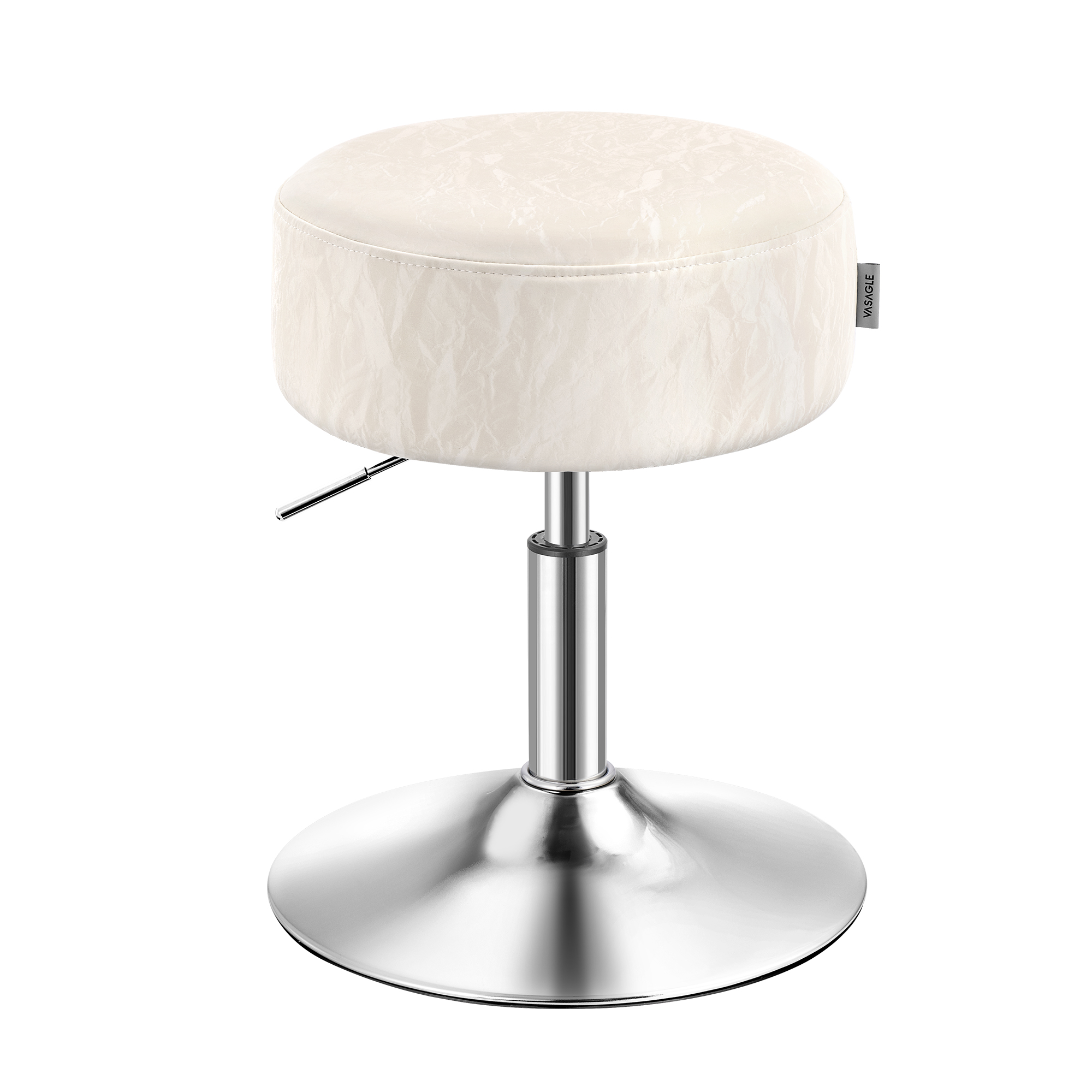
A Morning Rush, A Wobbly Lesson
You slide into a café at 8 a.m., latte in hand, and the stool rocks like a surfboard. Wholesale bar stools were supposed to handle this exact moment, right? Operators tell me their rush-hour seats take the hardest hits, and it shows. In busy venues, double-digit returns often tie back to wobble, scratched finishes, or loose footrests—issues that don’t always show up on a glossy spec sheet. The SKU count climbs, lead time stretches, and someone still has to fix the wobbly one (again). So here’s the kicker: the problem isn’t only the product. It’s how we pick and test the product.
Data from audits often highlights the mismatch between “static load rating” and real, dynamic stress. Foot traffic, floor unevenness, and quick seating cycles grind on joints. Even ANSI/BIFMA labels won’t save you if the counter height varies by an inch across the bar. That’s how you get noise, foot rail sag, and finish chips. And then there’s assembly error, which spikes failure rates—funny how that works, right? Think of it like a chain: one weak link shows up on service day, not sample day. So, can we buy for the rush instead of the showroom? Let’s move there next.
Why the Usual Fix Doesn’t Stick
Where do specs mislead?
bar stool manufacturers often optimize for clean numbers: maximum load, height range, carton size. Those matter, but real failures hide in motion and handling. Static load rating doesn’t mirror twist at the base, torsion at the footrest, or micro-loosening at the fasteners after thousands of sit-stand cycles. Powder coating can look flawless, yet chip under edge impacts if there’s no e-coat primer. Cold-rolled steel may be strong, but a thin wall on a cross-brace will “sing” under torque testing. And MOQ pressure can bury small upgrades—like better anti-skid glides or pre-applied threadlocker—that would save service calls. Look, it’s simpler than you think: spec for movement, not museum display.
Traditional fixes chase symptoms. People add felt pads to hide rocking. They over-tighten screws, which speeds up fastener fatigue. They assume the counter is true, but floor variance creates tilt that even a wide base can’t beat. Assembly time is the ghost variable; rushed builds skip torque checks, and the stool loosens by week three. Better paths are boring—and effective. Specify BIFMA-compliant dynamic tests, not just static. Ask for weld penetration data and fixture checks from the line. Request pre-assembled subframes where feasible to reduce field error. Confirm footrest tube thickness and cross-brace geometry, not just diameter. Package for reality with corner protection and drop-test data. Then returns fall, and time-on-site drops with them.
What’s Next: Smarter Build, Cleaner Data
Here’s the forward-looking play: design and verify for motion, then ship for survival. New production lines are using finite element analysis (FEA) to map stress around welds, and robotic welding to keep penetration consistent. Vision systems flag missed beads; torque sensors check screw stacks before closing cartons. It’s not just fancy—these steps remove the “luck” factor. In one roll-out, shifting to e-coat plus powder coating cut visible edge chips on metal frames after a 500-hour salt-spray equivalent. QR-coded kitting reduced assembly misses. And carton engineering—right-size foam, better straps, smarter pallet patterns—kept legs from rubbing through finishes. If you’re comparing quotes for rustic bar stools wholesale, ask for that process proof, not just pretty photos.
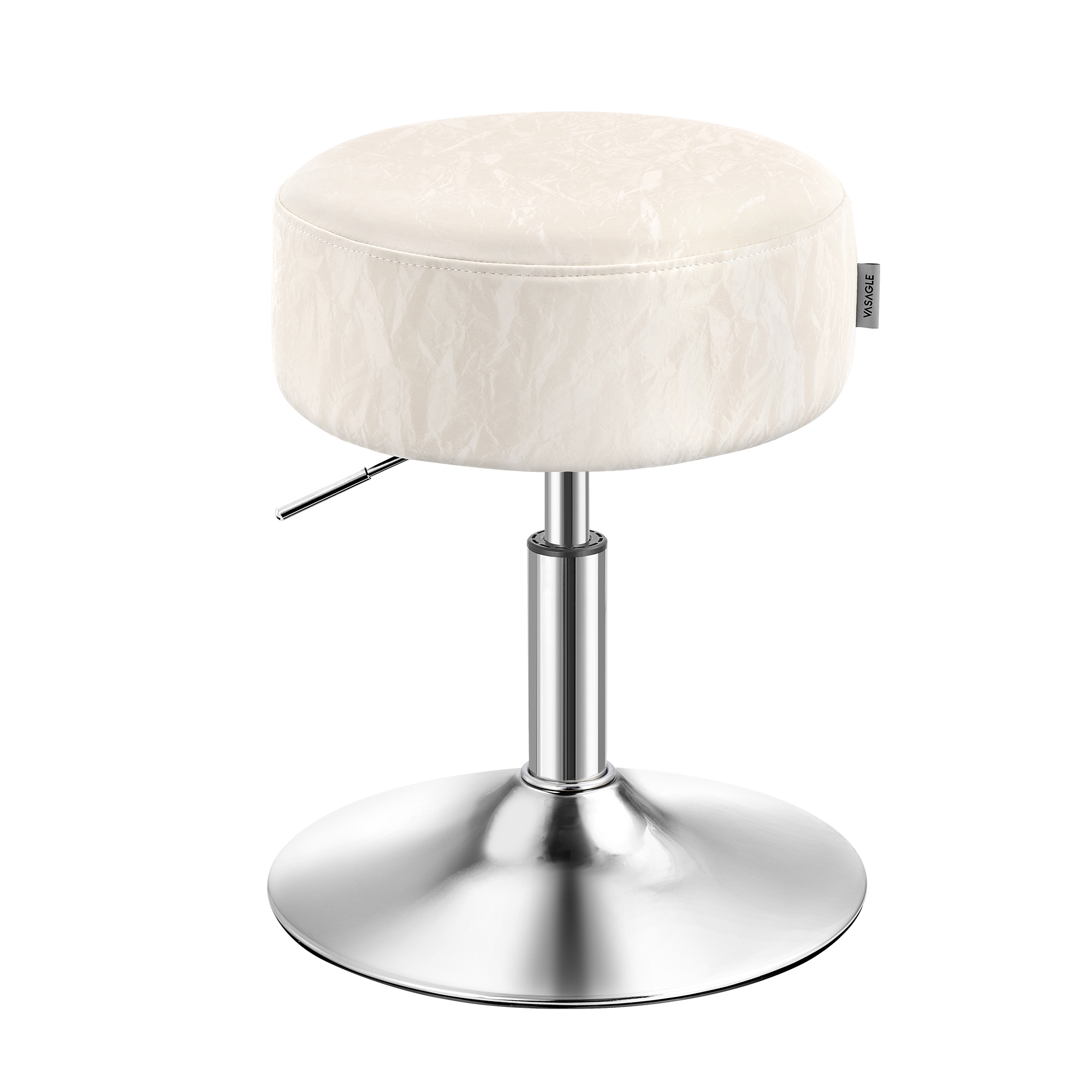
Real-world impact—the comparison that matters. Old way: buy by price and a static number, then play repair crew. New way: validate dynamic stability, finish durability, and logistics integrity before the first shipment. It’s a mindset shift, and the math follows. Fewer service calls, tighter SKU forecasting, cleaner POs. ERP data starts to show longer time-between-failure, which quietly lifts margins. And customers stop noticing the stools, because they’re just…steady. Wait, isn’t that the goal? To wrap this up with something you can use today, here are three evaluation metrics to apply on your next buy: 1) dynamic stability score (torsion and racking under cyclic load), 2) finish system rating (e-coat plus powder and verified rub/scratch results), 3) logistics readiness index (drop tests, corner crush, and pallet tie-down validation). Nail those, and the rest tends to align—funny how that works, right? Brand examples exist if you want to see builds and test paths in the wild: SONGMICS HOME B2B.