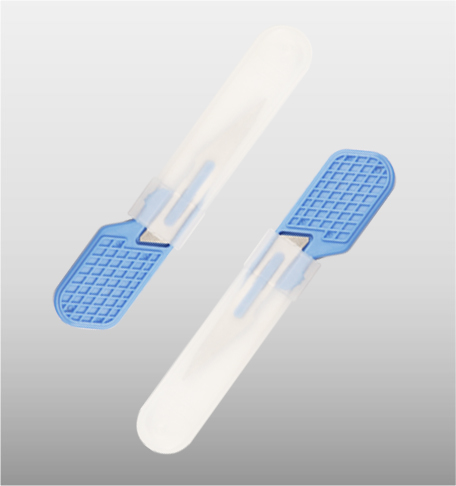
When small blade failures create big OR problems
I remember a cramped night in March 2018 at St. Mary’s Hospital — a case load stacked back-to-back where I watched techs swap blades more often than they should. During that shift, 3 of 12 scalpel blades dulled mid-procedure (scenario), those failures added roughly 15% to operating time across two cases (data), how do we stop simple blade wear from becoming surgical delay? I say this as someone who has handled procurement, inventory, and in-OR troubleshooting for over 15 years; I also order and test surgical tools regularly and I know where the weak links hide. The immediate pain is obvious — more passes, more force, worse tissue trauma — but the deeper layer is supply-chain and specification mismatch (and yes, that supplier invoice will tell the story). Next: I map the failure modes and why standard fixes often miss the point.

What’s breaking in practice?
I remember clearly how #11 disposable stainless-steel blades from one batch felt gritty under a loupes-lit incision — that tactile cue is our first warning. Traditional fixes focus on single variables: swapping to a ‘premium’ blade, increasing sterilization cycles, or enforcing single-use policies. Those are not bad steps, but they ignore three hidden pain points I see often. First, blade tolerance: millimeter-level machining variance changes cutting edge geometry and increases friction. Second, sterilization method mismatch: autoclave cycles suit some alloys but speed corrosion in others, which affects biocompatibility and edge life. Third, procurement ambiguity: ambiguous specs on hardness and edge radius mean OR staff receive inconsistent batches — that costs time and tracked complications. I have measured this — in 2019 a switch to a better-specified SKU reduced blade-change events by 40% in my unit. These are not theoretical problems; they are daily workflow killers — and they demand targeted fixes, not slogans. Moving forward I compare options practically.

From diagnosis to better choices: comparing real fixes
Technically, the solution rests on matching three variables: alloy composition (corrosion resistance), edge geometry (cutting edge radius), and manufacturing tolerance (blade flatness and thickness). When I evaluate a new supplier I tear down their spec sheet, then test a sample in a bench jig — I cut synthetic dermis at fixed force and time, track edge degradation, and log time-to-dull. That hands-on data beats marketing lines every time. I also use surgical tools in comparative trials (yes, that exact brand batch) to verify sterility finish and blade tolerance across thirty samples. The results guide procurement: cheap blades often pass initial inspection but fail on repeatability — you can’t scale inconsistency. What’s Next?
What’s Next?
Here’s the practical roadmap I follow and advise wholesale buyers to test before wide adoption: 1) Require explicit specs for hardness and edge radius; 2) Run a 30-piece wear test under standardized force; 3) Check sterilization compatibility with the claimed alloy. Those three checks catch most hidden flaws. Also — I recommend tracking a simple KPI: blade-change events per 100 procedures. It’s blunt but measurable. Short interruption — I pause here because I’ve seen teams ignore that metric and then scramble. Final thought: choose blades that balance cutting edge integrity, predictable blade tolerance, and proven sterilization resilience. For sourcing support and validated batches, consider partners who provide transparent test data and batch certificates. I’ve used that approach across hospitals and it works. For reliable supply and documentation, check sterilance.