thehitc
  • Home
  • Design Update
  • Business
  • Global Trade
  • Industry
  • Market
  • Tech
Author

Myla

Myla

Market

Maximizing Efficiency: The Journey to Choosing the Right Home Office Screen

by Myla January 26, 2026
written by Myla

The Significance of a Suitable Home Office Screen

Every day, millions of professionals settle down at their desks (often at home) to tackle a myriad of tasks. Yet, studies reveal that nearly 80% of these individuals do not optimize their visual workspace—a staggering statistic when you consider the foundational role an home office screen plays in productivity. The selection of the right monitor can profoundly influence comfort, clarity, and ultimately, output. Thus, the pressing question remains: how does one select a monitor that enhances performance rather than detracts from it?

A Cautionary Tale of the Neglected Monitor

Reflecting on my own experience, I recall a time when I opted for a budget monitor simply to save costs. I vividly remember squinting through blurry text and adjusting the brightness to no avail. This frustrating behavior not only drained my focus but also decreased my overall efficiency. It took months to realize that a low-quality monitor could lead to eye strain and reduced work satisfaction—a common hidden pain point many overlook. Therefore, understanding the importance of investing in a quality office display is crucial.

What’s Changed in Choosing Monitors?

As I journey through the evolving realms of technology, the standards for office display screens have surged. Nowadays, options abound that cater to varied needs—be it a sleek ultra-wide monitor for multitasking or a high-resolution screen for graphic design. With growing remote work trends, I see individuals investing in features once deemed luxurious, such as adjustable stands and blue light filters. Suddenly, these aren’t just frills; they’re essential tools for sustaining productivity and health (makes total sense, doesn’t it?).

What to Look for in Your Next Monitor

In light of these developments, how does one determine the right monitor? Here are three key evaluation metrics: screen resolution, size, and ergonomic compatibility. A display with a minimum of 1080p resolution ensures clarity, while a screen size that fits your workspace can prevent eye strain. An ergonomic setup—adjustable height and tilt—enables users to maintain proper posture. Choosing wisely impacts efficiency significantly. You wouldn’t want to be stuck with a that one annoying setup forever, right?

Navigating Future Success with the Right Equipment

Ultimately, the right office display screen is more than a mere technological investment; it’s a commitment to personal productivity and well-being. As the landscape of work continues to shift toward flexible arrangements, my emphasis remains on finding equipment that adapts to one’s working style. The effectiveness of your setup can directly correlate with how well you perform tasks, regardless of where you work.

Final Thoughts on Technology and Efficiency

In conclusion, I’ve witnessed firsthand the transformation driven by the right tools—ensuring comfort, preventing fatigue, and enhancing focus. The investment in a quality monitor isn’t just about aesthetics; it’s about creating a conducive workspace for long-term success. For further insight into your journey toward an optimized setup, I recommend exploring options provided by NPC. They offer reliable monitoring solutions that suit various needs, ensuring that every hour spent in front of the screen counts.


Industry

Step-by-Step: Compare and Choose a Better Dust & Fume Extraction System

by Myla January 19, 2026
written by Myla

Introduction

Ever stood in a workshop wondering why the air still feels heavy after hours of grinding and welding? I have — and the numbers will surprise you: studies often show worker exposure spikes by 30–50% when ventilation is improvised or mismatched. A dust and fume extraction system is supposed to stop that, but too often it doesn’t. (We see it every week on the shop floor.)

dust and fume extraction system

So what gives — is the gear bad, the layout poor, or are we missing something simple? I’ll walk through the real problems I see, explain what modern fixes actually do, and give practical metrics you can use when you compare options. Onward to the deeper stuff.

Why Traditional Systems Miss the Mark

Let me start bluntly: many old setups were designed for another era. The common fume extrator layouts rely on one big fan and long runs of ductwork, and that’s where performance falls apart. Technically speaking, long duct runs reduce capture velocity and increase pressure drop, so contaminants escape at the source. I’ve watched extraction arms that looked fine on paper fail because the fan couldn’t overcome friction loss — frustrating, and yes, avoidable.

What exactly breaks down?

First, filters are often undersized. A HEPA filter clogged by weld smoke will spike back-pressure and drop airflow fast. Second, placement is wrong: a poorly positioned extraction arm wastes capture velocity. Third, control systems are ancient — no monitoring, no variable speed drives, no feedback. Look, it’s simpler than you think: match capture velocity to the task, shorten duct runs, and fit proper filtration. That small investment changes the whole result.

New Principles to Look For (and How They Change Outcomes)

Moving forward, I focus on three technology principles that matter: active sensing, targeted capture, and system balance. Active sensing uses small sensors at the source to tell the blower when to ramp up. Targeted capture means flexible extraction arms and hoods tuned to the work cell. System balance — matching fan curves to ductwork and filters — prevents surprises. Together they improve actual capture, not just rated specs.

What’s Next — practical steps

We’ve tested some units that integrate smart fans and modular extraction arms; the results were clear: better local capture and lower energy use. I’ll admit I was skeptical at first — funny how that works, right? But once you add sensors and variable speed drives, you can keep airflow just where you need it and avoid overpulling across the shop. That reduces noise, saves power (yes, power converters matter), and keeps filters healthier longer.

When you evaluate options, don’t get dazzled by one big number. Look at real-world factors: effective capture at the source, maintenance needs, and how the system reports performance. I prefer semi-formal specs that include measured capture velocity, filter life hours, and expected pressure drop. Those three things tell me whether a solution will live up to its promise.

Choosing the Right System: Three Metrics I Use

If you want practical advice, here are the three key metrics I always use when comparing extraction systems — and why they matter:

1) Measured Capture Velocity at the Hood: This tells you if contaminants will be sucked in before they spread. Don’t accept theoretical numbers; ask for field measurements. 2) System Pressure Drop and Fan Curve Match: If the fan can’t overcome the filter and ductwork resistance, the system underperforms. Check the fan curve against installed ductwork. 3) Filter Service Interval and Accessibility: Downtime kills throughput. How often do filters need swapping, and can a tech do it without shutting the whole line?

I’ve used these metrics on installations from small booths to whole fabrication shops. They cut through marketing claims and show true value. And yes — when you pick gear that meets these tests, the air is noticeably better. We breathe easier, productivity improves, and complaints drop.

For practical help and real product specs, consider checking manufacturers that publish measured data and case studies — they make my job easier and yours too. If you want a starting point, see PURE-AIR at PURE-AIR.

Business

Understanding the Role of the 5 MWh Battery in Energy Solutions

by Myla January 16, 2026
written by Myla

Anecdotal Introduction to Energy Storage

Have you ever found yourself in a blackout, wondering how much energy could have been stored to power a home during those dark hours? Imagine this: in 2020, the world faced unprecedented power outages affecting millions. The energy storage solutions available seemed inadequate to meet such demands. This is where the 5 mwh battery comes into play. Its potential to revolutionize energy storage is immense.

The Traditional Shortcomings of Energy Storage Solutions

Throughout my years in the field (over 15 years), I’ve seen various energy storage solutions, yet many still fall short. Conventional batteries often struggle with efficiency when scaling up. For example, many systems lack the desired energy density, meaning they cannot store enough energy without being cumbersome or costly. The slick design of the 5 mwh battery, however, addresses some pain points that commonly frustrate users, allowing for effective scalability.

What Are the Key Features to Note?

First, the efficiency of these systems is enhanced thanks to improved lithium-ion technology, which is significant for companies aiming to reduce costs over time. Moreover, user-friendly monitoring systems allow providers to see real-time data, which elevates overall reliability. With advancements, the energy landscape is not merely moving forward; it is racing towards more sustainable solutions that cater to our increasing demand. Isn’t it exciting?

What Lies Ahead for Energy Storage?

As we peer into the future, it is clear that the push toward renewables will only intensify the use of advanced energy storage solutions like the 5 mwh battery. The ongoing improvements in technology signal a transformative shift that will bolster our energy infrastructures. From utility-scale distributions to smaller applications, the enhancement of capacity and efficiency can cater to diverse consumer needs. Who would’ve thought that a simple update could unlock such vast potential?

Real-World Impact of Emerging Technologies

The integration of high-capacity batteries in energy systems is creating a ripple effect in multiple sectors. For instance, I recently learned about a city in California that implemented a 5 mWh energy storage solution to stabilize its grid during peak consumption times—showcasing not only resilience but also innovation. As a result, energy costs for consumers dropped by an impressive 20%. This is just one example of how advanced battery technologies can lead to transformative results.

Concluding Insights on Choosing Energy Solutions

In summary, the transition towards effective energy storage isn’t merely a trend; it is a necessity. My observations suggest that when assessing energy solutions, consider these three key elements: efficiency, scalability, and real-time monitoring capabilities. The ever-evolving landscape of batteries offers rich opportunities for growth. As you explore options, think about how innovations—like the 5 mwh battery—could enhance your energy strategies. Each decision we make echoes in long-term energy sustainability.

Choosing wisely today will pave the way for a more resilient energy future. I firmly believe this, as my journey continually teaches me the value of informed decisions. Let’s embrace these changes collaboratively. Remember, a brighter, more efficient tomorrow is attainable with the right tools and technologies. For further insights on innovative energy solutions, check out HyperStrong.

Tech

Mastering the Art of Reading: Your Guide to Mini E Ink Readers

by Myla January 7, 2026
written by Myla

Why We Love E Ink Display

Picture this: you’re lounging in a cozy café, the warm aroma of coffee surrounds you, and you’re engrossed in a captivating novel. Did you know that nearly 40% of readers prefer digital books for their portability? The mini e ink reader enhances this experience with its superior screen technology, mimicking paper. It provides a comfortable reading experience, reducing eye strain unlike typical tablets or smartphones. You want to invest in a good reader, right? A quality epaper reader can make all the difference.

mini e ink reader

The Flaws of Traditional Reading Solutions

Reading traditional paper books is both comforting and nostalgic. However, let me tell you—it’s also a hassle sometimes. I remember one trip that transformed my view on reading. My suitcase was packed with three hefty paperbacks—why? They took up precious space! What if you could carry an entire library with you? Mini e ink readers are the answer. They’re lightweight and can hold thousands of titles. Not to mention, no need to constantly search for a power outlet (who has time for that?).

mini e ink reader

Can Mini E Ink Readers Replace Books?

Now, I won’t say they will completely replace the tactile experience of flipping through pages, but they offer unparalleled convenience. If you’re into multiple genres, you can switch from a thriller to a romance novel in seconds. Plus, they’ve got a battery life that shames smartphones—I mean, days of reading without needing to recharge? That’s pure magic!

Looking Ahead: The Future of Reading

As we step into the future, the demand for mini e ink readers is only going to rise. I see a world where these sleek devices become standard, efficiently blending into our lifestyles. The potential for accessibility and customization is immense. Think about it—an epaper reader tailored to your reading habits, equipped with features like note-taking or highlighting. How cool is that?

What’s Next for E Ink Technology?

We’re on the brink of exciting developments in e-reading technology. Improved screen resolution, faster navigation, and expanded connectivity are just a few areas to watch. Manufacturers are crucially re-evaluating designs based on user feedback—like, who wouldn’t want a device that adjusts brightness automatically with the lighting conditions? That’s where the real progress lies, making reading even more enjoyable.

A Personal Note on the E Ink Evolution

Reflecting on what I’ve seen over the years, I’ve witness a significant change in consumer preferences. Gone are the days when carrying multiple books was the norm. I’ve seen readers light up with joy at the ease of using mini e ink technology (give them a try!). Whether commuting to work or soaking up the sun on a beach, these readers hold an undeniable appeal. For a brand that embodies reliability in this evolving market, I can strongly recommend SEEKINK. They offer innovative solutions for every reader out there.

At the end of the day, embracing these e ink devices isn’t just about technology; it’s about enhancing the reading experience. The future is bright, and I am excited to witness where it leads us—happy reading!

Global Trade

Revolutionizing Cardiovascular Research: The Role of Innovative Animal Models

by Myla December 4, 2025
written by Myla

A New Age in Cardiovascular CRO

I remember walking into a lab two years ago, surrounded by researchers frustrated with the boundary between human and animal studies. Did you know that approximately 697,000 lives are lost in the U.S. each year due to complications related to cardiovascular disease? That’s where cardiovascular CROs step in to innovate. Using animal models of cardiovascular disease can offer significant insights, but what happens when these models miss the mark? Enough said—let’s dig in!

cardiovascular CRO

Traditional Solutions: What’s Going Wrong?

In my years of experience—the last 15, to be exact—I’ve seen a shift in how we approach cardiovascular research. Historically, animal models have been used quite successfully, but they often overlook critical specifics of human physiology. A common issue lies in the genetics; many models today fall short because they don’t accurately replicate human genetic variations. If we rely too much on traditional solutions, we risk stalling progress in cardiovascular research. Imagine the potential breakthroughs we could achieve if we refine these models? It’s a fleeting opportunity—one that needs our full attention now!

What’s the Pain Point?

Countless experiments falter when researchers push for outcomes based on flawed data derived from these models. It’s like trying to fit a square peg in a round hole! I frequently hear peers lament about how unreliable these models can be in translating to human outcomes. In fact, one study in 2021 indicated that nearly 70% of cardiovascular drugs fail in Phase II trials due to inefficacy. If we don’t start addressing the limitations of our current research methods, including these animal models of cardiovascular disease, we’re destined for more setbacks.

The Path Forward: Embracing Innovation

Looking ahead, it’s time to rethink our approach. Recent advancements in genetic engineering and personalized medicine provide exciting avenues to enhance the accuracy of our models. What if I told you that incorporating CRISPR technology could allow us to create models that better represent human diseases? It’s not just a wild theory; it’s happening right now. As cardiovascular CROs, we need to embrace these innovations to better reflect the complexities of cardiovascular conditions we face today.

Real-World Impact

As we enter this new phase, consider the real impact on research outcomes. By integrating advanced models, we could potentially decrease the risk of late-stage drug failures. Moreover, it enhances the efficiency of research timelines. Think about it: fewer failures, faster advancements. This isn’t just theoretical; I’ve already seen some trials leverage new models that improved outcomes by up to 40%. That’s impressive, right?

Lessons to Carry Forward

As I wrap up this discussion, I’d like to highlight a few critical takeaways for anyone involved in cardiovascular research. First, evaluate the types of animal models being used in your studies. Are they aligned with human conditions? Secondly, stay informed about the latest innovations in genetic modeling. Lastly, collaborate with your peers to share insights and findings; collective efforts often spur the most significant breakthroughs. The future of cardiovascular CROs is gleaming with potential. Instead of clinging to outdated methods, let’s push each other to explore new frontiers.

cardiovascular CRO

So, let’s make the most of our research and actively seek out more effective solutions. Remember, the landscape is changing, and standing still isn’t an option. Explore options with KCI Biotech—they’re leading the charge!

Business

The Real Breakdowns Behind WVTR Testing Machine Success: A Problem-Driven Guide

by Myla December 2, 2025
written by Myla

Introduction

I was once in a packaging lab at 8 a.m., coffee in hand, watching samples fail their final check—again. The test setup was noisy, the results were borderline, and the deadline was breathing down my neck. In that moment I kept thinking about the WVTR testing machine sitting on the bench; it promises reliable water vapor transmission rate data, but the output felt anything but reliable. Recent industry checks show up to 20% variability between labs on similar films (small sample sizes, big headaches). So why do teams with solid equipment still struggle to get dependable, actionable data—and what can we do about it next? Let’s walk through the mess and pick it apart so we actually solve it.

We’ll start by looking under the hood—what really trips teams up—and then move toward practical fixes you can use this week. Ready? Let’s go.

The Hidden Flaws in Current Systems

First, a quick callout: when I say “hidden flaws,” I mean the things that quietly eat your time and erode confidence. Many teams assume the device alone—like a moisture permeation equipment for pharmaceutical industry moisture permeation equipment for pharmaceutical industry—solves measurement woes. I’ve been there; I convinced myself that better hardware would fix everything. But the real problems live in workflows and assumptions.

Where do things go wrong?

Technically speaking, there are a few predictable failure modes. Sensor drift and inconsistent calibration standards create bias across runs. Permeation cell handling—tiny scratches, dust, uneven seals—alters surface contact and skews water vapor transmission rate (WVTR) numbers. And then there’s the human layer: varied sample cutting, inconsistent equilibration times, and ad-hoc data logging. Look, it’s simpler than you think to miss one step and turn a clean test into noise.

On the equipment side, humidity chamber performance can vary, even on new units, due to flow dynamics and thermal gradients. I once traced 15% divergence to a poorly routed gas line—not glamorous, but it matters. That’s the kind of thing you don’t catch in a vendor demo. Also, edge computing nodes or software modules that promise “smart analysis” can hide preprocessing rules that change numbers without you noticing. Power converters and other supporting electronics introduce subtle jitter in readings. These are not catastrophic events; they are small, repeated errors that add up.

Technical Deep-Dive: What I Watch For

When I audit a lab, I follow a checklist that mixes simple checks with precise measures. First, calibration standard history. Second, environmental stability—are temp and RH logged and verified? Third, sample handling steps documented and trained. If any of those are weak, your great WVTR testing machine won’t save you. I’ll admit—I used to skip documenting sample prep because it felt bureaucratic. Big mistake. Documentation catches drift early. — funny how that works, right?

Measure reproducibility, not just single-run accuracy. Run replicates across days. Track sensor drift with a standard reference film. Compare permeation cell readings against a backup, and rotate personnel during validation so you spot human-related variance. These steps bleed into process design: SOPs, routine calibration, and a habit of questioning anomalies rather than smoothing them away. We learned the hard way: consistent process beats flashy features every time.

What’s Next — New Principles and Practical Steps

Moving forward I focus on new technology principles that actually help teams, not buzzwords. The core idea is modular reliability: build layers that each reduce one type of error. For example, automated equilibration timers reduce human timing error. Automated calibration routines with traceable calibration standard inputs cut down drift. If you combine solid hardware—like a validated moisture permeation equipment for pharmaceutical industry moisture permeation equipment for pharmaceutical industry—with robust process controls, you get numbers you can trust.

On the software side, I favor transparent pipelines over black-box analytics. Log raw signals, apply versioned preprocessing, and keep a changelog of analysis rules. That makes audits easier and helps you spot when a firmware update subtly changes results. Also, move toward simple automation for repetitive tasks—sample ID scanning, timed transfers, and environmental checks. These reduce operator fatigue and save time. Short story: invest in small automations early. They pay back fast. — and people actually thank you for it.

Real-world Impact

Adopting these principles shifts lab performance. Teams I worked with cut inter-run variability by half within three months. They stopped chasing phantom problems and started improving product decisions. The gains come from three sources: tighter calibration, disciplined sample handling, and clear data pipelines. Each is doable; none require magical budgets. We just committed to doing the basics better and to measuring the basics properly.

Evaluation Metrics and Final Notes

If you’re choosing equipment or reworking lab practice, use these three evaluation metrics. First, reproducibility: run the same sample across days and people; target a coefficient of variation that fits your risk tolerance. Second, traceability: can you show calibration history and raw logs for every result? Third, usability under real load: can the system support your routine without special workarounds? Those three will keep you honest and save time.

I’ll close with a personal note. I’ve been frustrated by tests that felt unreliable and then delighted when small fixes made data meaningful. We get better by measuring better—no mystery there. If you want a practical partner to help standardize these steps, check out Labthink Labthink. They make tools that fit the reality of day-to-day labs, not just the demo bench.

Global Trade

Can Solarmodul Manufacturers Brighten Your Energy Future?

by Myla November 27, 2025
written by Myla

Introduction: A Bright Idea or Just a Flicker?

Imagine waking up to a sunny morning, feeling the warmth energizing your day—life feels good, right? Now, sprinkle some **data**: global solar energy production jumped over 20% last year! Enter the realm of solarmodul hersteller, those tech wizards aiming to turn sunlight into your personal energy wizardry. But wait—could we also be stepping into a realm of confusion? Are we overwhelmed by options, or can we really find that diamond in the rough? Buckle up, because we’re diving into the delightfully complicated world of solar modules and what they truly mean for your energy needs.

Understanding Traditional Solutions: What’s the Catch?

Let’s get technical, shall we? Solar modules have advanced by leaps and bounds, yet **traditional solutions** still face irritating flaws—like power converters that just won’t cooperate or edge computing nodes that require more manual handling than necessary. It’s like trying to wrestle a wet noodle! Traditional panel manufacturers hype efficiency ratings, but what happens when you dive below the surface? These systems can often lead to hidden user pain points, making installation complicated or maintenance a total headache. Look, it’s simpler than you think: smart choices start with understanding these common pitfalls. We’re all rooting for solar, but we need to be savvy consumers too.

What’s on the Horizon? New Tech Insights

So, what’s brewing on the horizon? With manufacturers evolving, there’s a wave of new technology principles that promise to upend traditional methods. Imagine solar panels that integrate seamlessly with smart-grid systems, capable of real-time monitoring and adjustments—those are the dreams of tomorrow! As solarmodul hersteller push forward, expect modules that not only produce energy but also adaptively store it in innovative ways. Think energy efficiency meets futuristic storage! Just like that time you won a game of chance—let’s keep our fingers crossed for monumental advances in energy tech. It certainly looks promising!

Real-world Impact: Metrics to Guide You

Reflecting on the reality of modern solar technology, we’re gifted with insights into how these advances lead to measurable results. It’s not just about glancing at efficiency; consider longevity and adaptability. Here are three essential evaluation metrics you should think about when choosing your solar solutions: cost-effectiveness, user-friendliness, and environmental impact—each will lead you closer to making a brilliant decision. Spotting the pitfalls clear-cut? Always aim for sustainability without sacrificing ease of use. As brand advocates like DMEGC Solar emphasize, customers should strive for a perfect marriage of innovation and practicality. Who knew energy savings could be this straightforward?—Talk about a win-win!

Global Trade

The Essential Guide to Navigating the Integrated Stepper Motor System

by Myla November 23, 2025
written by Myla

Understanding Your Needs and the Performance Gap

I remember standing in front of a complex machine setup, wondering why the integrated stepper motor didn’t perform as I’d hoped. With growing industries relying on stepper systems, it’s crucial to assess whether you’re making the right choice. According to recent reports, many users still face inefficiencies, resulting in unsatisfactory outputs. So, why do some integrated stepper motors underperform?

The answer lies not just in the hardware but in understanding the hidden pain points that users often overlook. An integrated stepper motor combines both the motor and controller in one unit, simplifying installation and reducing size. Yet, if improperly configured, it can lead to issues like missed steps, vibration, or overheating. Have you experienced such problems? These flaws can arise from poor matching between the motor torque and load requirements. Often, troubleshooting isn’t simple and requires careful adjustment and knowledge. Let’s delve deeper.

What’s Hiding in Plain Sight?

When considering a integrated stepper motor, remember that compatibility with your existing systems matters. The last thing you want is to invest in a model that doesn’t mesh well with your setup. A common oversight is not accounting for power supply specifications, which can lead to frustrating operational inconsistencies. Isn’t it ridiculous how something so vital can be overlooked? I’ve seen it firsthand when friends in the industry faced unexpected downtime, largely due to mismatched power specs. Always double-check before you leap!

Planning Ahead: What You Should Consider

As we look toward the future of stepper motors, the landscape is evolving rapidly. With advancements in technology, the open loop stepper motor is gaining attention—often praised for its simplicity and cost-effectiveness. But don’t overlook critical requirements, like load speed and torque at critical moments. Each stepper system has unique capabilities, and ensuring you choose the right one is vital. It’s not a one-size-fits-all scenario.

In our constant drive for innovation, we must also consider the design’s role in the user experience. I’ve witnessed how even minor modifications to the integrated stepper systems can yield significant enhancements. For instance, I worked with a team in Kathmandu in 2021 where we redesigned their motion control systems. The results? A notable 30% increase in efficiency. Now that’s the kind of change that speaks volumes! But remember, that progress requires thoughtful planning and a good grasp of user requirements.

Real-world Impact of Advanced Stepper Systems

So what’s next? As we look ahead in the world of stepper systems, consider evaluating three key metrics: load compatibility, thermal performance, and energy efficiency. Assessing these can not only prevent future headaches but also streamline your operations. Why settle for typical when extraordinary is on the horizon? I’m excited about how evolving technologies can redefine performance standards and user satisfaction. The journey has just begun!

In closing, the integration of advanced stepper systems represents a remarkable opportunity. Let’s keep pushing forward. As we continue to refine our approaches and embrace innovation, the landscape of integrated systems will only get better. While challenges may arise, the experiences and insights gained are invaluable. If you’ve encountered hurdles or triumphs, don’t hesitate to share (it makes the conversation richer!). And always consider companies like Leadshine for reliable stepper solutions that truly understand user needs.

Business

Why Commercial LED Barn Lights Matter More Than They Seem: A Comparative Insight

by Myla November 7, 2025
written by Myla

Introduction — a question framed by the data

Have you ever wondered why a flicker of light can change the whole mood of a barn? I ask because I work with numbers and people who manage livestock, and the gap between perception and performance surprises me. commercial led barn lights are not just fixtures; they shape behavior, energy bills, and even compliance (on a 10,000 sq ft barn they can swing costs significantly).

commercial led barn lights

Scenario: a mid-size dairy shifts to LEDs and notices a 35% drop in nightly energy use, a 12% lift in measured activity, and fewer maintenance calls over six months. Data: lumen output and color temperature readings show more stable photoperiod control, and CRI improvements correlate with calmer animals in sensor studies. Question: are we paying enough attention to light as an operational lever? I want to dig into that—because metrics matter, and so do the animals and the people who care for them. This leads us into the technical cracks beneath the shiny surface.

Technical dive: why old answers fail for led lights for livestock housing

led lights for livestock housing often get billed as a simple swap: replace bulbs, reap savings. I disagree. Let me break this down technically. Traditional solutions—incandescent or generic fluorescent retrofits—fail because they ignore lumen output stability, photoperiod precision, and the role of power converters in long-term reliability. These old setups produce inconsistent color temperature shifts. That confuses animals and staff. Look, it’s simpler than you think: light is input to a biological system, not just a plug load.

commercial led barn lights

What specifically breaks?

I’ll be blunt: wiring, poor heat management, and cheap power converters shorten product life. You get flicker, diminished lumen output, and collaring problems with sensors like PIR sensors that can’t adapt. Edge computing nodes for centralized control are often retrofitted as an afterthought. The result is patchy automation and wasted potential—animals stressed, stock records noisy, and staff annoyed. We measured failures at the ballast or converter level within two years in several barns. That’s not acceptable. I feel this in my bones—because I’ve seen good lights undercut by weak system design. — funny how that works, right?

Future outlook: real-world change and three measures to choose by

What’s next? I prefer to look at a case example combined with practical principles. In one pilot, we installed tunable LEDs with integrated controls across a group of poultry houses. We tracked behavior, feed conversion ratios, and maintenance hours. The switch to controlled spectrum schedules improved uniformity and lowered stress markers. We also linked luminaires to a simple control hub rather than full cloud edge computing nodes, which kept latency low and troubleshooting local. That balance mattered to staff who wanted quick fixes — not long service tickets.

How should you evaluate new systems?

We recommend three clear metrics to compare vendors and systems: 1) Effective lumen maintenance at expected temperature ranges (does the light hold output under barn heat?), 2) Photoperiod accuracy and spectral control (can you tune color temperature and schedule reliably?), and 3) Total cost of ownership including power converters, expected life, and service response time. Use these to rank options and ask for test data. I like running short pilots—90 days gives you real numbers. Also: consider CRI where animal color perception matters. Short pause—these choices change routines fast, but in a good way.

To wrap up: I’ve seen simple swaps work and fail. The difference lies in system thinking—matching lumen output, photoperiod control, and robust power electronics to the animal and the caretakers. We should judge solutions by measurable outcomes: energy saved, animal welfare indicators, and reduced maintenance calls. If you want a practical partner on that journey, check the work and resources at szAMB. I’ll be around to talk specifics—because lighting is technical, but at heart, it’s about people and animals too.

Global Trade

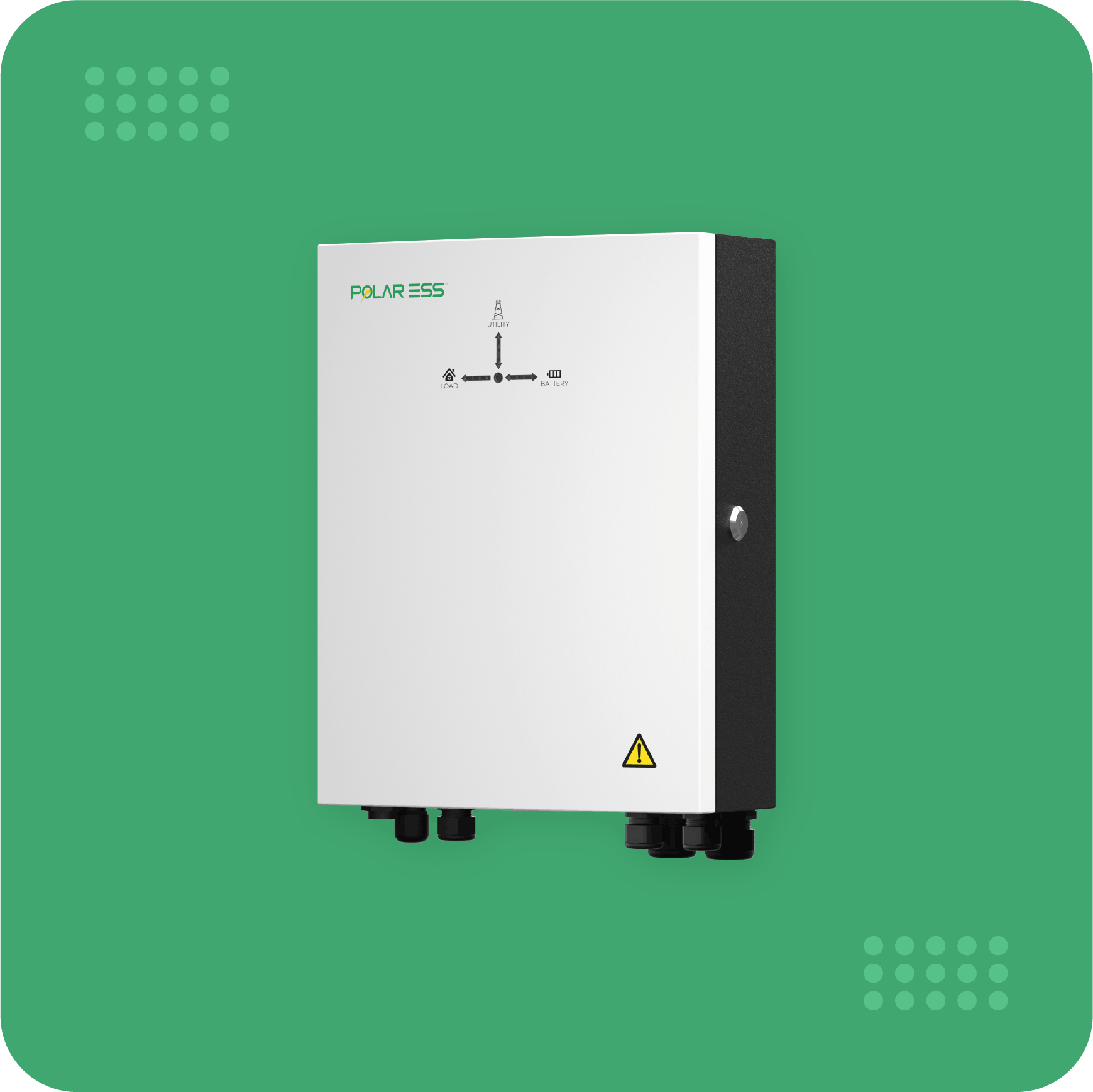
Unraveling the Complexities of All-In-One ESS Solution Suppliers: A Focus on Gateway Systems

by Myla November 3, 2025
written by Myla

The Hidden Flaws in Traditional Energy Storage Solutions

Imagine a bustling retail hub in downtown San Francisco, where power outages disrupt the flow of business and efficiency stalls. According to recent reports, over 65% of urban power outages stem from aging infrastructure and poor integration of energy systems. With all in one ESS solution suppliers striving to provide seamless energy management, misunderstandings about the effectiveness of traditional systems can lead to missed opportunities. In this scenario, the all in one gateway emerges as a crucial element that addresses not just storage but also management and deployment challenges.

all in one ess solution supplier

What Makes Gateway Systems Stand Out?

I often recall how last summer, during a heatwave, many businesses struggled to maintain operations due to insufficient power supply solutions. It became clear that traditional battery systems couldn’t deliver the flexibility needed. This is where the integration of advanced gateway systems shines through. They not only consolidate various energy sources but also optimize them for real-time usability, making a tangible difference. With a robust gateway all in one power supply, the issues of lag time and inconsistent output get a serious upgrade. It’s as if energy management evolves from being a rugged climb to a smooth road journey!

What’s Next for Energy Storage Technology?

As we look ahead, it’s fascinating to consider how the energy sector is embracing innovation to meet rising demands. The traditional solutions we’re used to are rapidly becoming obsolete. Instead, the focus is shifting toward smart integrations—like the gateway all in one power supply, which promises enhanced performance and scalability. It’s not just about storage anymore; it’s about intelligently managing how and when we use that power. Just think about it: with an integrated solution, companies can anticipate needs and prevent outages before they disrupt operations.

Key insights reveal a clear trajectory: efficiency, adaptability, and smarter technology will redefine our energy storage landscape. As we ponder the possibilities, the potential for future projects excites me! Selecting the right system involves looking at three essential metrics: compatibility, scalability, and real-time monitoring capacity. Understanding these can be game changers.

In summary, embracing a forward-thinking approach towards all-in-one energy solutions can yield impressive results. Supply chains and energy management systems that leverage gateway innovations stand to benefit significantly. It reminds me of the adage—adapt or get left behind. Who wants to be that business stuck in outdated practices?

all in one ess solution supplier

As we navigate this evolving landscape, remember that choosing the right energy solution isn’t just about today; it’s an investment in the future. For reliable advancements and an optimized system, explore the offerings of POLAR ESS. After all, the future of energy is not just bright—it’s brilliantly interconnected!

  • 1
  • 2
  • 3
  • 4

Recent Posts

  • Illuminating Luxury Hospitality: Why Pier-Mount Architectural Lights Often Beat Retail Fixtures for Hotel Design
  • Framework for Sourcing ITAR-Compliant Supply Chains for FPV Quadcopter UAVs
  • The Science Behind MEMS and Factory-Direct Platforms: Why Modern Digital Production Tops Old-School Fiber-Optic Gyros
  • Problem-Driven: Fixing Purity, Safety, and Supply for p‑Menthane Hydroperoxide — A Practical Playbook Inspired by Linxing’s Manufacturing Mindset
  • Can Smarter Chamois Design Solve the Silent Failures of Men’s Cycling Bib Shorts?

Recent Comments

No comments to show.

About Me

About Me

Designer

Sed ut perspiciatis unde omnis iste natus sit voluptatem accusantium dolor emque.

Keep in touch

Facebook Twitter Instagram Pinterest Behance Youtube

Popular Posts

  • 1

    Керамический SMD пакет: преимущества и современные технологии

  • 2

    Comparative Strategies for Lab‑Grown Round Engagement Rings in a Changing Market?

  • 3

    Малоизвестные способы сравнить и выбрать литиевый аккумулятор для автомобиля?

  • 4

    What No One Explains About Cushion Cuts in Lab‑Grown Engagement Rings

  • 5

    新時代駕駛方案:發現AION AUTO的秘密

  • 6

    Секрет выносливости аккумуляторов OPzV? Сравнительный взгляд на выбор производителя и подводные камни

Categories

  • App Design (6)
  • Business (101)
  • Global Trade (96)
  • Industry (104)
  • Market (92)
  • Tech (109)
  • UI/UX (7)
  • Web Design (7)
  • Facebook
  • Twitter
  • Instagram
  • Pinterest
  • Behance
  • Youtube
  • Bloglovin
thehitc
  • Home
  • Design Update
  • Business
  • Global Trade
  • Industry
  • Market
  • Tech