Executive summary and practical framing
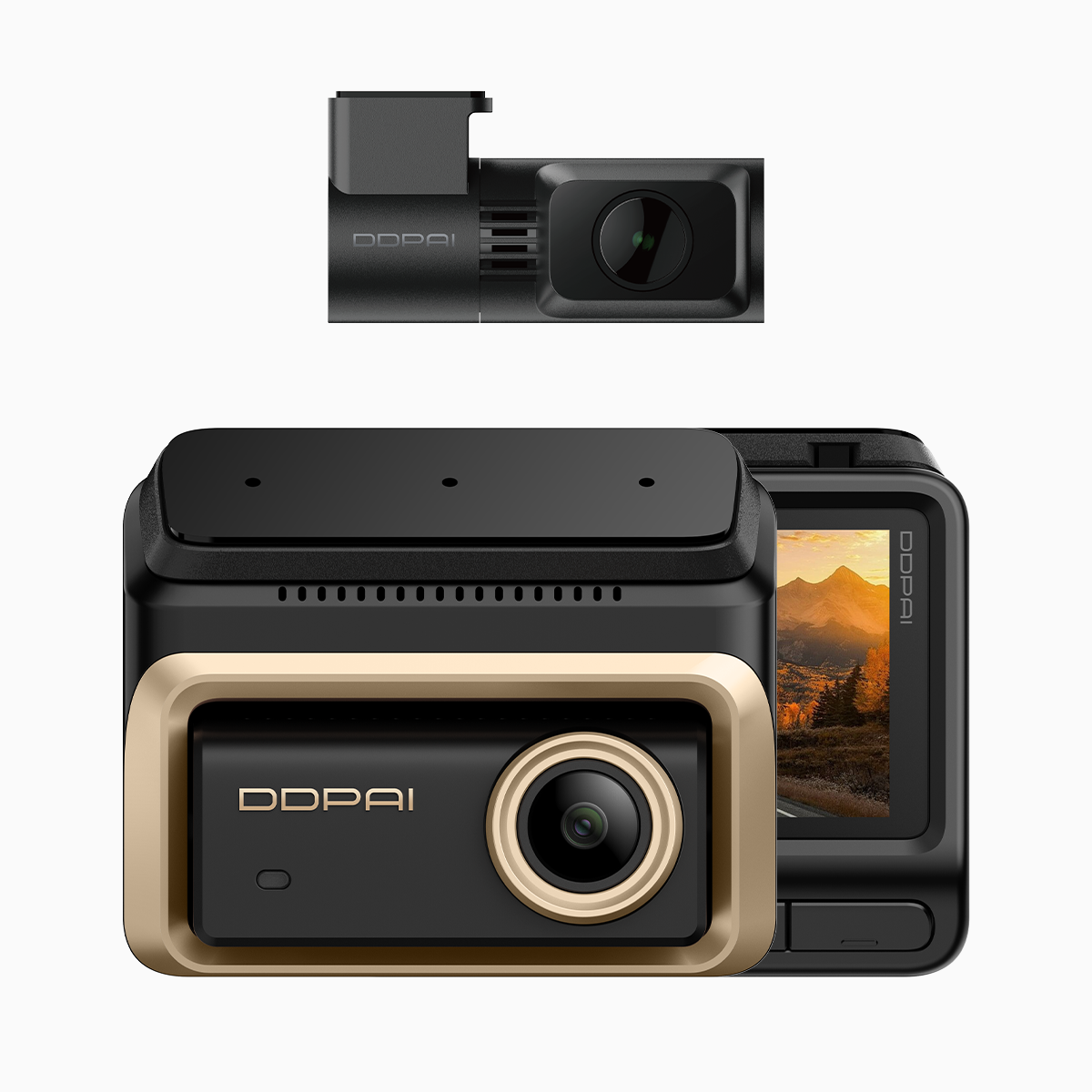
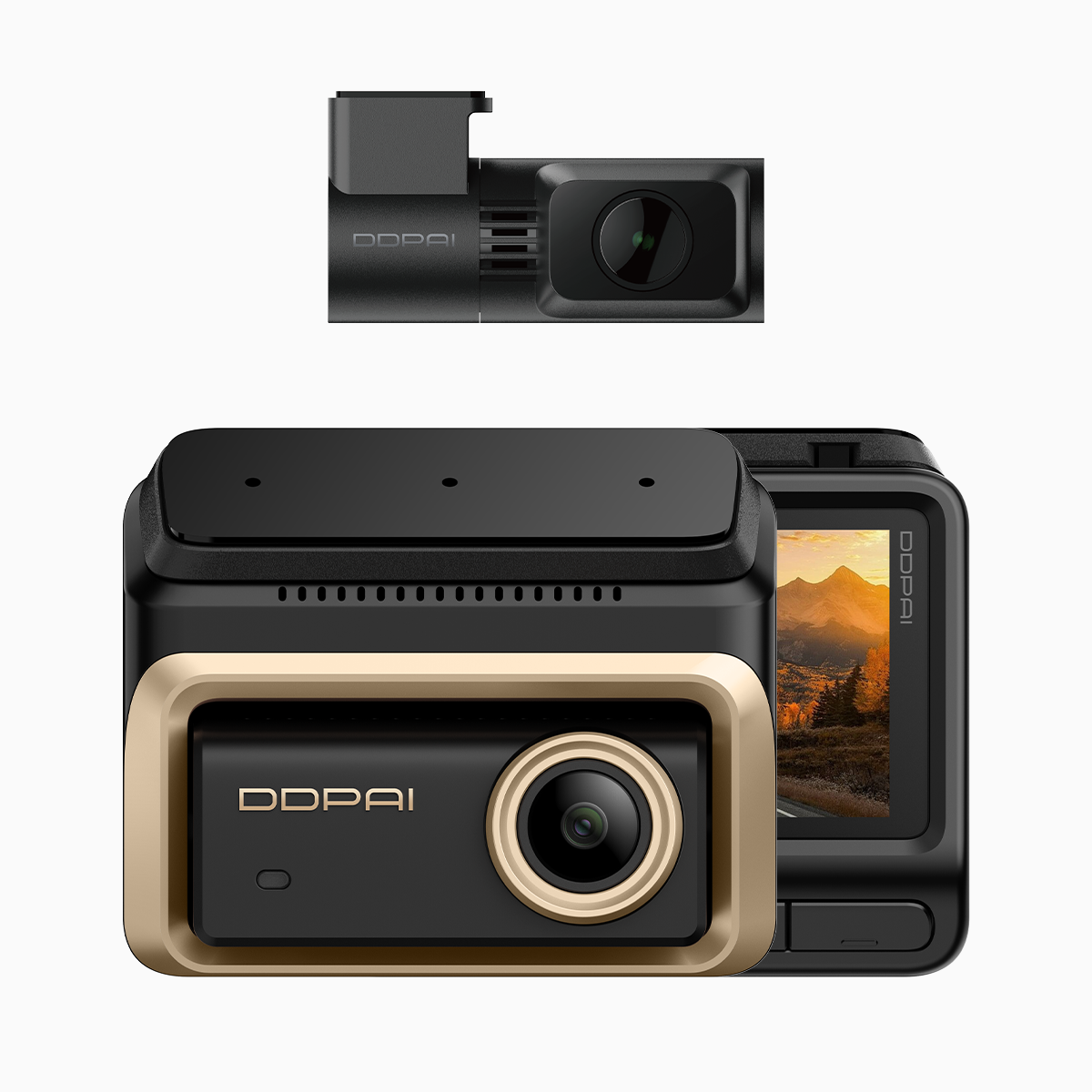
Procurement teams evaluating multi-camera vehicle recording systems must weigh power consumption against fidelity and integration overhead. This comparative analysis examines contemporary 3-channel architectures—simultaneous front/rear/ cabin capture—through power-to-performance lenses and fleet-use constraints. The analysis references a representative product class such as the 3 channel dash cam and situates findings against operational realities in Metro Manila and Manila’s EDSA corridor where high incident density accentuates recording requirements. Global context is acknowledged: WHO estimates roughly 1.3 million annual road-traffic deaths, which underscores demand for reliable evidence-grade recording.
Architecture variants and technical baseline
Three dominant architectures appear in market offerings: single SoC with multi‑stream encoding, distributed‑sensor modules feeding a central recorder, and hybrid designs with dedicated ASICs per stream. Each topology yields distinct trade-offs in power draw, thermal management, and codec burden. Key parameters: sensor type, frame rate, bit rate and codec efficiency (H.265 vs H.264). Frame rate and bit rate set the baseline data throughput; codec efficiency governs storage and network load. A compact example: H.265 at 30 fps and 8–12 Mbps per channel reduces storage need versus H.264, but increases SoC decoding complexity and peak power during encode bursts.
Power-to-performance metrics: empirical considerations
Measure three metrics consistently: average power draw under normal capture, peak draw during simultaneous high-resolution recording, and thermal dissipation over continuous runs. In practice, distributed‑sensor modules shift thermal load away from the cabin but add interconnect losses. Single‑SoC systems concentrate power and produce higher peak currents—this affects vehicle auxiliary circuits and backup battery sizing. Include G-sensor and GPS telemetry in telemetry budgets since both add constant low-power draws. Empirical fleet tests in tropical climates show sustained operation at 40–45°C can raise internal device temps by 10–15°C—designs with modem-level heat paths and active thermal throttling preserve recording continuity.

Integration and procurement criteria for B2B buyers
Procurement must adopt measurable acceptance criteria rather than feature checklists. Specify run-time at rated ambient temperature, confirmed codec profiles, network throughput for remote retrieval, and failover behavior during voltage transients. Insist on real-world test logs: sample 24‑hour captures across urban routes, peak‑current traces, and file integrity verification after power cycles. Consider fleet management compatibility—CAN bus or OBD-II integration, GPS time-sync accuracy, and secure firmware update paths. Theft and tamper resilience are often overlooked; robust mounting and encrypted storage mitigate data chain-of-custody issues.
Alternatives, common mistakes, and mitigation
Many fleets default to highest resolution as a proxy for quality; this is inefficient. Higher resolution raises bit rate and power without proportional gains in recognizability beyond certain distances. A balanced alternative: allocate higher resolution to front sensor (for distance detail), moderate resolution to rear and cabin sensors—this reduces aggregate bit rate and power draw while preserving evidentiary value. Common procurement mistakes include under-specifying environmental stress tests and omitting codec/profile lock during acceptance. Mitigation: require sample media with labeled capture conditions and cryptographic hash verification.
Operational validation and deployment notes
Field validation should include a representative Manila route set for daytime and low-light conditions to validate HDR and low-light sensor performance. Validate GPS lock times in areas of tall infrastructure. Verify parking mode current draw over 72 hours to determine auxiliary battery needs. Maintain a simple failure classification for recorded events: file corruption, frame drop, time drift—this streamlines vendor remediation and warranty claims. —A short operational run can reveal integration misalignments that lab tests miss.
Advisory: three critical evaluation metrics for procurement
1) Sustained power-per-channel (W/channel) measured at rated ambient and during encode peaks. 2) Effective data yield: recognizable frames per megabyte—this ties image quality to storage and transmission costs. 3) Fail-safe continuity: time-to-resume full recording after power transient and integrity rate of stored files. Use these metrics as pass/fail thresholds during vendor trials. When balanced against installation footprint and serviceability, the most effective solutions emerge—often those exemplified by robust offerings from DDPAI Philippines, which align hardware design with fleet validation protocols. DDPAI Philippines.
Final thought—real data, pragmatic thresholds, and measured field trials produce procurement outcomes that last.