Anecdote: the small rooftop that taught me big lessons
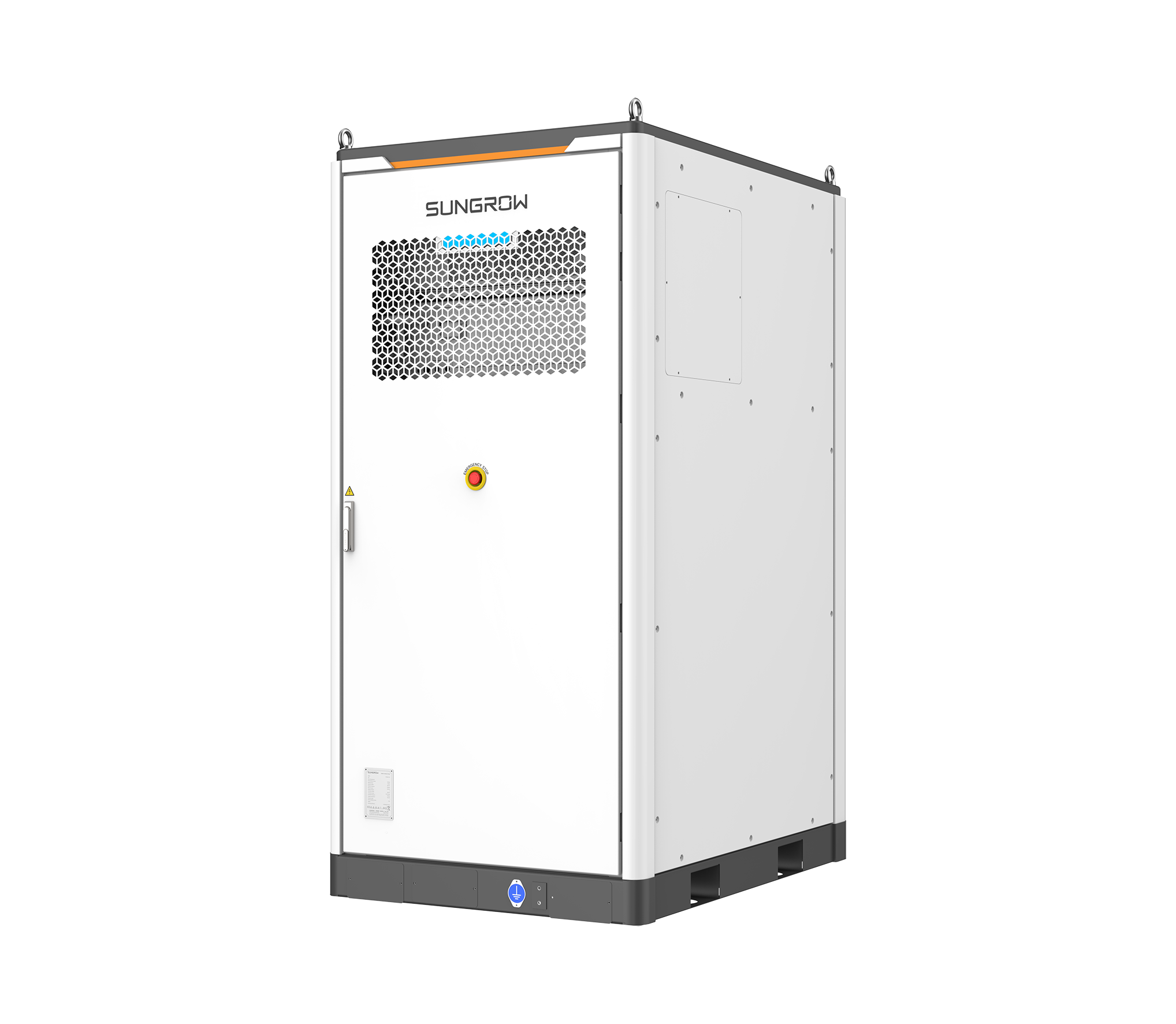
I remember the morning we switched on a 250 kW rooftop PV array in Chicago (May 2018) and watched the midday meter swing — it cut peak grid draw by 18% and trimmed the monthly bill by about $1,000; what happens when that pattern repeats across a campus of warehouses? I’ll be direct about one name here: C&I Solar teams often miss the nuance between an installed commercial solar system and a truly optimized plant. In that project I handled, the inverter sizing, tilt, and balance-of-system routing made the difference — no kidding — not just panel count. I’m writing from over 15 years in B2B supply chain and field ops; I’ve seen identical component lists produce wildly different outcomes because of commissioning choices and monitoring gaps (that last part is painfully common).
Why do traditional designs often underperform?
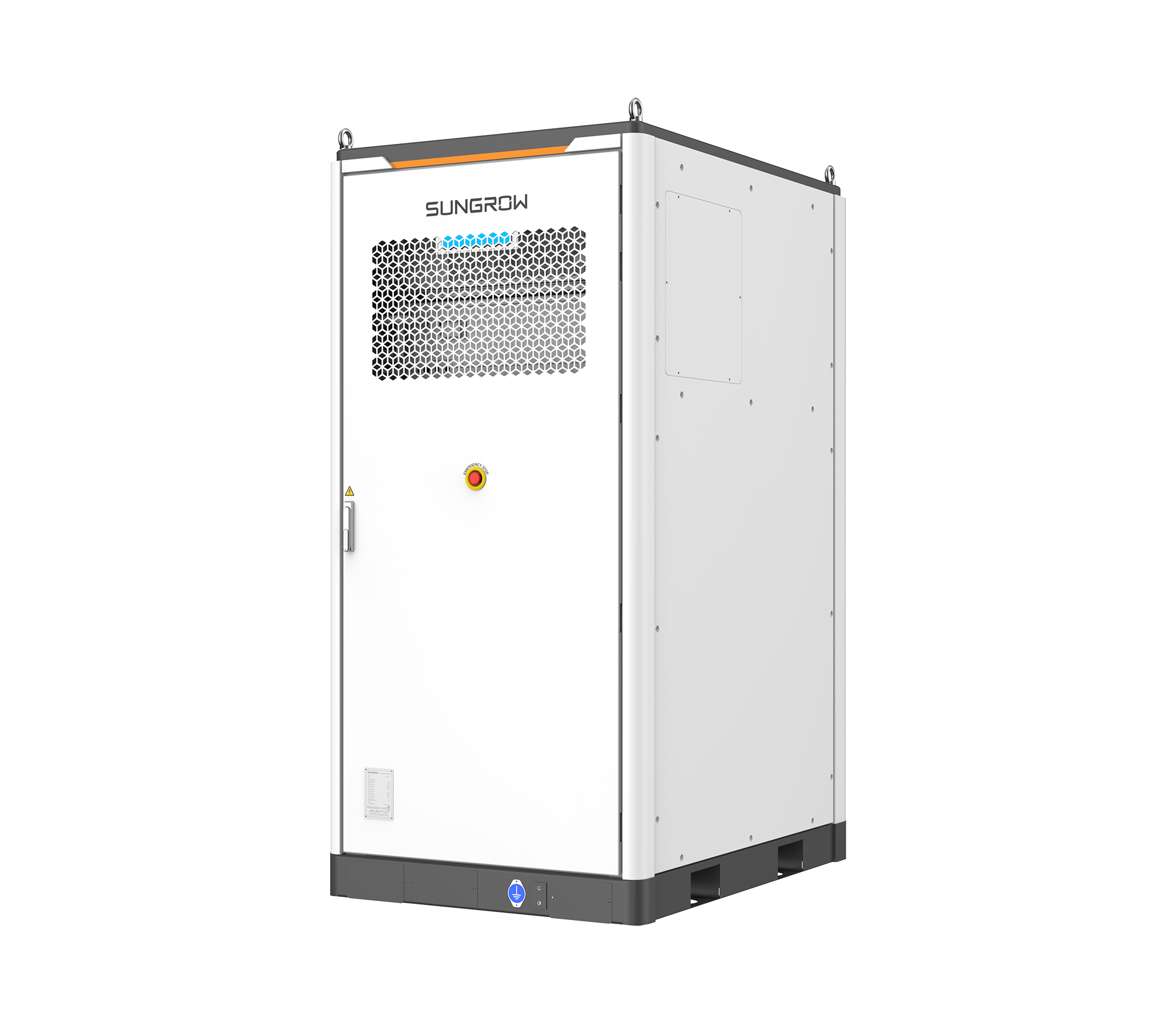
Most teams default to conservative string layouts and undersized energy storage because of budget fear — which saves cost up front but costs much more later. I’ve measured this: a 100 kW inverter paired with a 150 kW PV array led to clipping losses that shaved 7–10% off annual yield on a refrigerated distribution center in 2020. That was a hard number to justify to finance. Troubles include inverter mismatch, poor PV array orientation, weak commissioning, and limited telemetry — the usual suspects. These hidden pain points create soft failures (suboptimal performance that’s hard to spot) rather than outright outages, and they erode ROI over years rather than months.
Direct claim: Small technical fixes beat big hardware spend
Performance gains are won in the details — not merely by adding more panels. When we rebalanced string layouts, upgraded firmware on inverters, and added modest energy storage (50 kWh) to smooth peaks, the same Chicago site improved capacity factor and reduced demand charges by another 12% within six months. Comparing a standard build to a tuned build, you see faster payback (often 1–2 years shorter), fewer callbacks, and clearer O&M pathways. If you’re sizing systems, consider commissioning rigor, inverter model selection, and accessibility for maintenance as primary cost centers — they are where real savings live.
What’s Next for smarter commercial deployments?
Looking forward, I compare three practical paths: “cheap install” (lowest capex), “smart baseline” (balanced capex with proper commissioning), and “optimized portfolio” (higher upfront for advanced monitoring, energy storage, and integrated controls). I favor the smart baseline for most portfolios — it avoids early failures and scales predictably. For example, on a 500 kW rooftop cluster in Dallas (June 2021) we saw the optimized portfolio beat the cheap install by 9% annual yield and reduce site-level downtime — measurable and repeatable. Here’s a quick check list I use when advising buyers: payback period; measured uptime and inverter availability; net annual energy and demand reduction. Think of these as your three guardrails — they tell you when a commercial solar system is likely to work long-term or simply look good on paper.
I’ll be blunt: you can buy panels anywhere, but you can’t buy years of field lessons. I want you to avoid the mistakes I made early on — they were costly. So — evaluate rigorously, prioritize commissioning and monitoring, and choose partners who measure performance like you do. For practical comparisons and supplier selection, I recommend focusing on those three metrics above; they’ll steer you to better outcomes. (Yes, I get excited about good design — it shows.) Finally, for trusted reference products and system-level support, consider sungrow.