Quick comparison approach — what to line up first
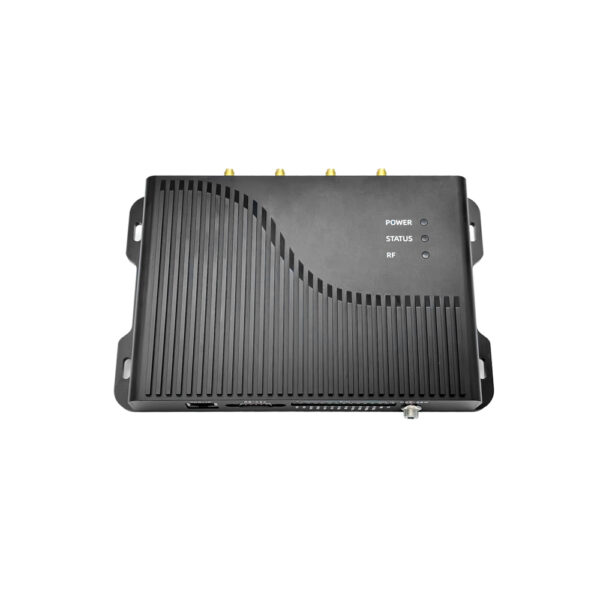
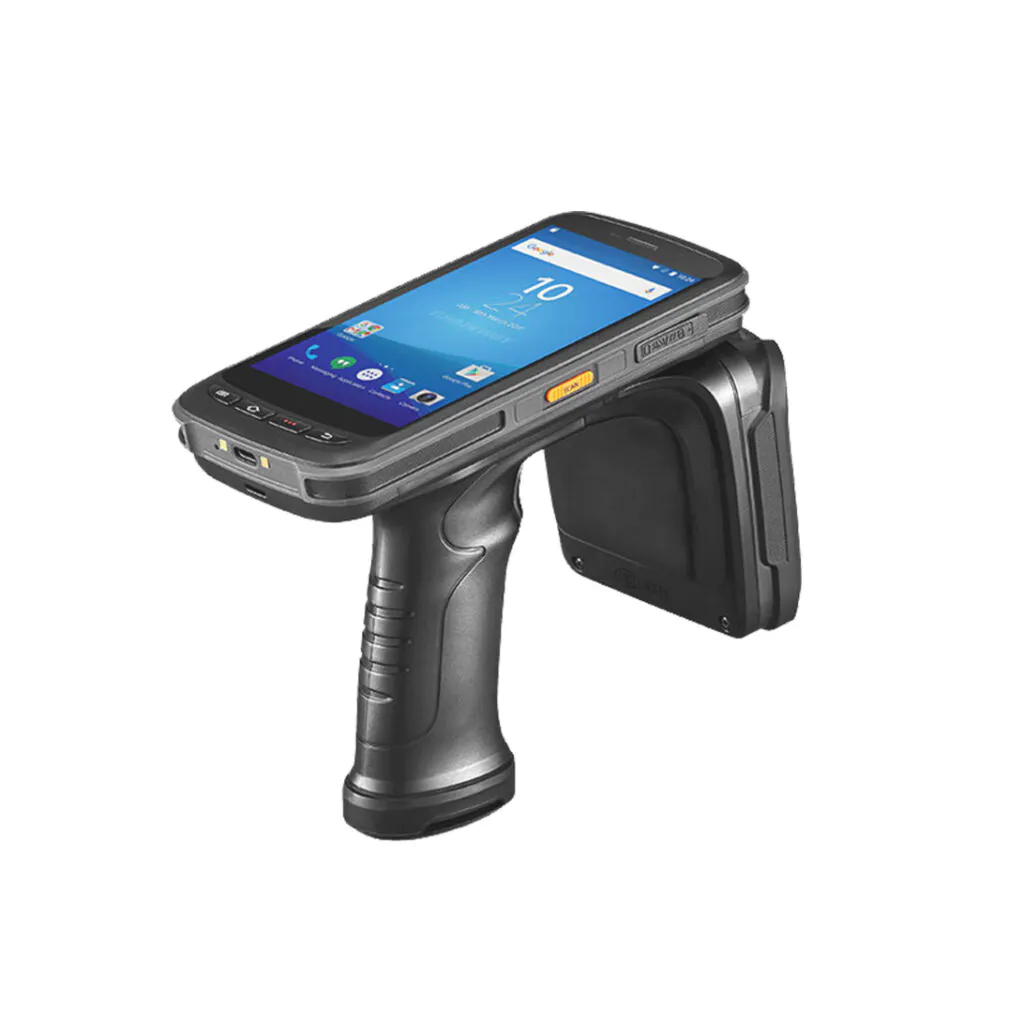
Comparative insight kicks off by lining up the measurable stuff: declared read range, tag battery specs, frequency band, and how the tag plays with your existing kit. If you already use readers, check how those antennas and firmware behave with different tag types — like testing with actual RFID Readers instead of trusting spec sheets. Keep it simple: measure real meters, not marketing meters, and compare apples to apples.
Technical criteria that separate good suppliers from meh ones
Focus on these concrete specs: operating frequency (UHF typically for long range), transmit power and sensitivity, tag battery chemistry and replacement cycle, antenna gain and polarization, and firmware/protocol support (EPC Gen 2v2 or similar). Ask for test logs showing read rates at specific distances and orientations. If a supplier can’t provide sample RSSI graphs or a tag sensitivity curve, that’s a red flag — técnico but necesario.
Operational and business factors that matter in real deployments
Compare warranty terms, spare-part availability, calibration or tuning services, and supplier response time for firmware fixes. Total cost isn’t just tag price; factor shipping, customs, testing, and replacement batteries. Probe their supply chain: do they own the assembly, or is it contract-manufactured? Smaller vendors may under-promise support; pick the supplier that will answer your calls at 2 a.m. during a rollout.
Common pitfalls suppliers won’t volunteer
Ojo: most suppliers quote range in ideal line-of-sight. Metal, liquids, and tag orientation kill range fast. Polarization mismatch between reader and tag antennas reduces reads. Battery life ratings assume specific read intervals — if you read more often, life drops. Also, firmware incompatibility surfaces when you scale; insist on interoperability tests before big buys. Don’t let glossy datasheets guide your decision alone.
Alternatives — when active tags win and when passive makes more sense
Active tags give long, reliable range and richer sensors; passive tags cut cost and maintenance. For asset tracking across yards, active wins. For item-level inventory, passive often suffices. Look at big adopters for perspective: Amazon’s warehouse deployments have driven huge interest in item-level systems, which often rely on passive tech for dense inventory environments; that real-world shift explains why many projects evaluate both active and passive rfid readers in parallel. Match use-case to physics — distance, tag density, and power mindset.
How to vet suppliers with short pilots and hard tests
Run a pilot that mirrors the worst-case environment: full racks, metals, liquids, and multiple tags per read. Measure packet loss, latency, battery drain over realistic read cycles, and temperature resilience. Bring your team to their lab or ask for on-site demos. Validate firmware update procedures and roll-back options. Ask for a failure-mode report — suppliers confident in their product will show you how things fail and how to mitigate.
Final thought — pick the supplier that matches your use, not the flashiest spec
Compare tangible, testable criteria and choose a partner who shares measurable data, supports field testing, and stands by their product during rollout. That clarity cuts procurement drama and keeps your project moving, amigo — justo the kind of practical partnership you’ll find with RSTC.