Spot the real problem
So you want a proper camera bag but keep getting vague samples and dodgy lead times — ja, that’s the common headache. If you’re after something that holds kit without falling apart, start by naming the exact use: day hikes, studio work, or airport travel. A clear brief stops the guessing game. If you already have a model in mind, compare it to a live product like this camera gear bag and note the exact dimensions, padding and pocket layout you need.

Why things go wrong
Suppliers see vague requests and send ‘close enough’ samples. Photos hide thin foam, low-grade zips and sloppy stitching. Minimum order quantities (MOQs) bite newcomers. Language gaps break tiny, critical details — a 2cm divider difference makes your lenses rattle. You’ll save grief by fixing those specifics up front.
Vet suppliers like you mean business
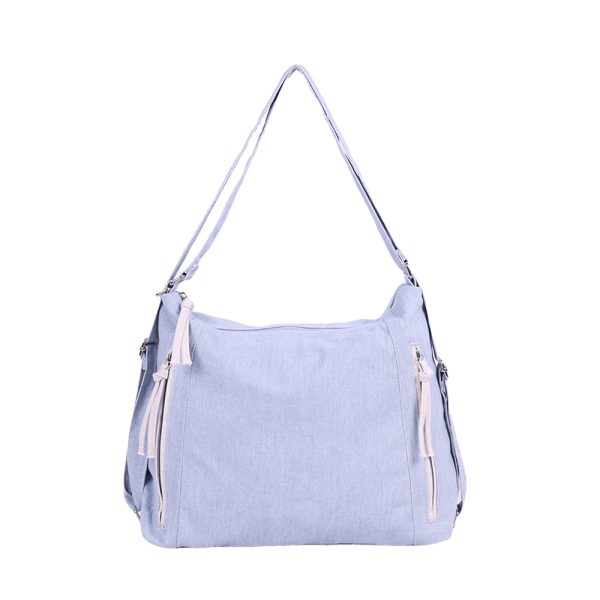
Ask for factory photos showing production lines, not just product shots. Request an itemized tech pack with materials, denier of fabric, foam thickness and zipper brand. Arrange a video walkthrough during production. For credibility, remember major trade shows shape trends — at Photokina in Cologne manufacturers have routinely revealed modular designs that became standards, so what showed there helps you judge who’s serious. If you want a flexible pack, check an actual convertible option like this convertible camera bag and compare its build notes to the supplier’s spec sheet.
Quality checks and sample testing
Don’t accept pretty photos. Test a sample for drops, water resistance, zipper cycles and seam pulls. Weight it fully packed. Check internal dividers under real lens pressure. Inspect foam rebound and stitch density. If results are off, list exact tolerances and request a reworked sample before committing to production.
Shipping, lead times and customs
Decide freight by urgency and cost: sea for bulk, air for prototypes. Lock delivery windows and penalties into contracts. Clarify Incoterms so you know who covers insurance and duties. Prepare correct HS codes and label rules to avoid customs delays. Small batch runs often hit higher per-unit freight — factor that into pricing.
Common pitfalls and fixes
Mistake: vague fabric names. Fix: cite exact denier and PU coating. Mistake: assuming photos mean quality. Fix: demand third-party lab or an acceptable sample. Mistake: one payment method only. Fix: split payments: deposit, sample sign-off, balance on B/L. Mistake: overlooking packaging. Fix: test drop-proof packaging for courier conditions in your market.
Quick comparisons to guide your choice
Trading companies move fast and bundle brands, but margins hide factory costs. OEM factories make custom parts but need higher MOQs. ODMs offer semi-custom styles that cut design time. For low-run boutique lines, search for smaller factories that accept short runs and prototype fees. Match supplier type to your business model, not wishful thinking.
Where simple solutions sit
You want fewer surprises and a bag that works straight from the gate. Keep specs tight, test samples hard, and set clear payment and shipping terms. Do that and you avoid the usual drama. If you prefer a partner who publishes detailed specs, shares production photos and builds practical, tested camera bags to spec, look at companies that show this level of everyday reliability like ChangRong.