Introduction — Why This Question Matters
?Have you noticed how a single failed run can stall a lab for days and cost morale as much as money. I ask this because automated nucleic acid extraction sits at the center of many diagnostics and research pipelines, and small issues compound quickly. Recent lab audits show sample loss or contamination in roughly 5–12% of runs when handling is not tightened (this varies by lab size and throughput). That raises a simple question: what small changes deliver the biggest, most reliable gains? I will share what I’ve learned from hands-on work with magnetic beads, lysis buffer mixes, and liquid handling arm setups — politely and plainly. I aim to be helpful, not preachy, and I will point out where small fixes buy big returns (short breaks, quick checks). Let us move to the next part and look under the hood.
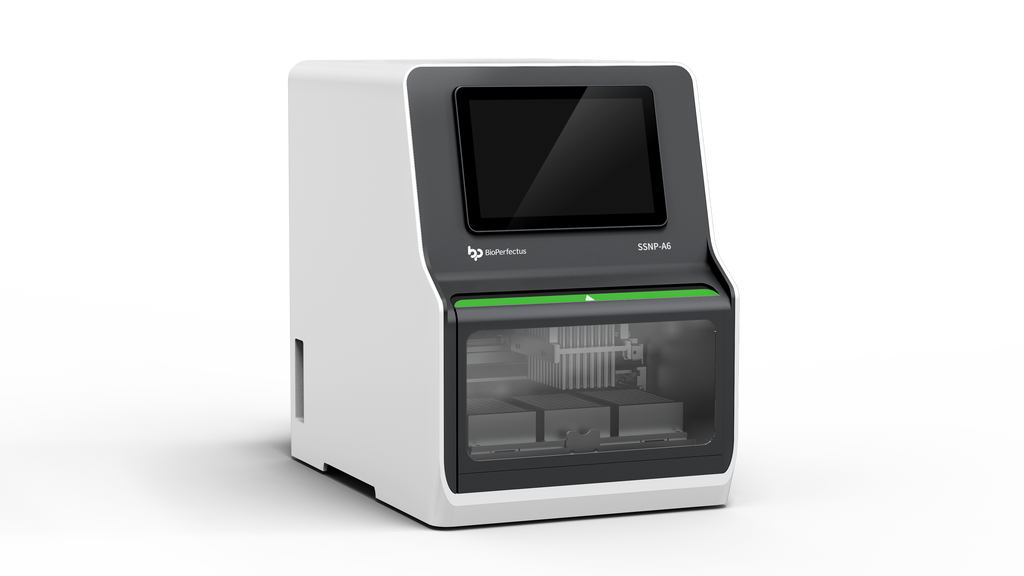
Hidden Fault Lines in Current Systems
I want to be direct. The main topic here is the automated nucleic acid extractor, and many labs expect machines to be plug-and-play. That expectation is where frustration starts. Machines automate steps, yet they do not remove the need for consistent consumables, correct programming, or good sample prep. I have seen runs fail because the microplate was slightly warped, or because an operator used non–RNAse-free consumables. Those are small things that look trivial until you lose samples. Look, it’s simpler than you think: a quick daily check of pipette tips, a short verification of the liquid handling arm path, and correct bead suspension can cut errors dramatically.
Technically, the flaws fall into a few recurring classes: poor sample lysis, inconsistent magnetic bead capture, and programming drift. Lysis buffer composition and incubation time affect yield. Magnetic capture fails if beads clump or if the magnetic rack timing is off. Software scripts drift when teams copy protocols without verification. I recall a week where we chased a 15% drop in yield — only to find an unnoticed tip rack change. That taught me the value of simple SOP checks and small redundancies. These are not expensive fixes. They are process fixes. And they give reliable gains in throughput and data quality — not flashy, but home-run practical.
Why do these issues persist?
They persist because labs are busy and human nature favors immediate work over quiet maintenance. We assume automation will fix human error, but automation magnifies both good and bad practices. The remedy is cultural as much as technical: short checklists, routine calibration, and clear ownership of runs.
Looking Forward: Practical Paths and Metrics
What comes next is about choices. I prefer a forward-looking view that mixes practical tech with real-case lessons. Newer designs focus on modularity and error detection. For example, some systems log bead recovery curves and flag unusual wash carryover. When I recently evaluated a deployment, the team adopted a roll-out plan: trial on low-risk samples, then scale. The machine — our automated nucleic acid extractor trial unit — revealed how small software prompts (confirm plate type, confirm reagent lot) reduced misloads by half. It felt like catching a leak before a flood — funny how that works, right?
Case example: a medium-sized lab replaced open benches with a standardized extraction line. They paired bead-based extraction with a clear SOP for lysis buffer prep and a nightly calibration script for the liquid handling arm. Within a month, contamination events fell and throughput rose by 20%. The lesson was plain: combine modest hardware checks with better human steps. Short training sessions helped, too — people appreciate clarity and fewer surprises.
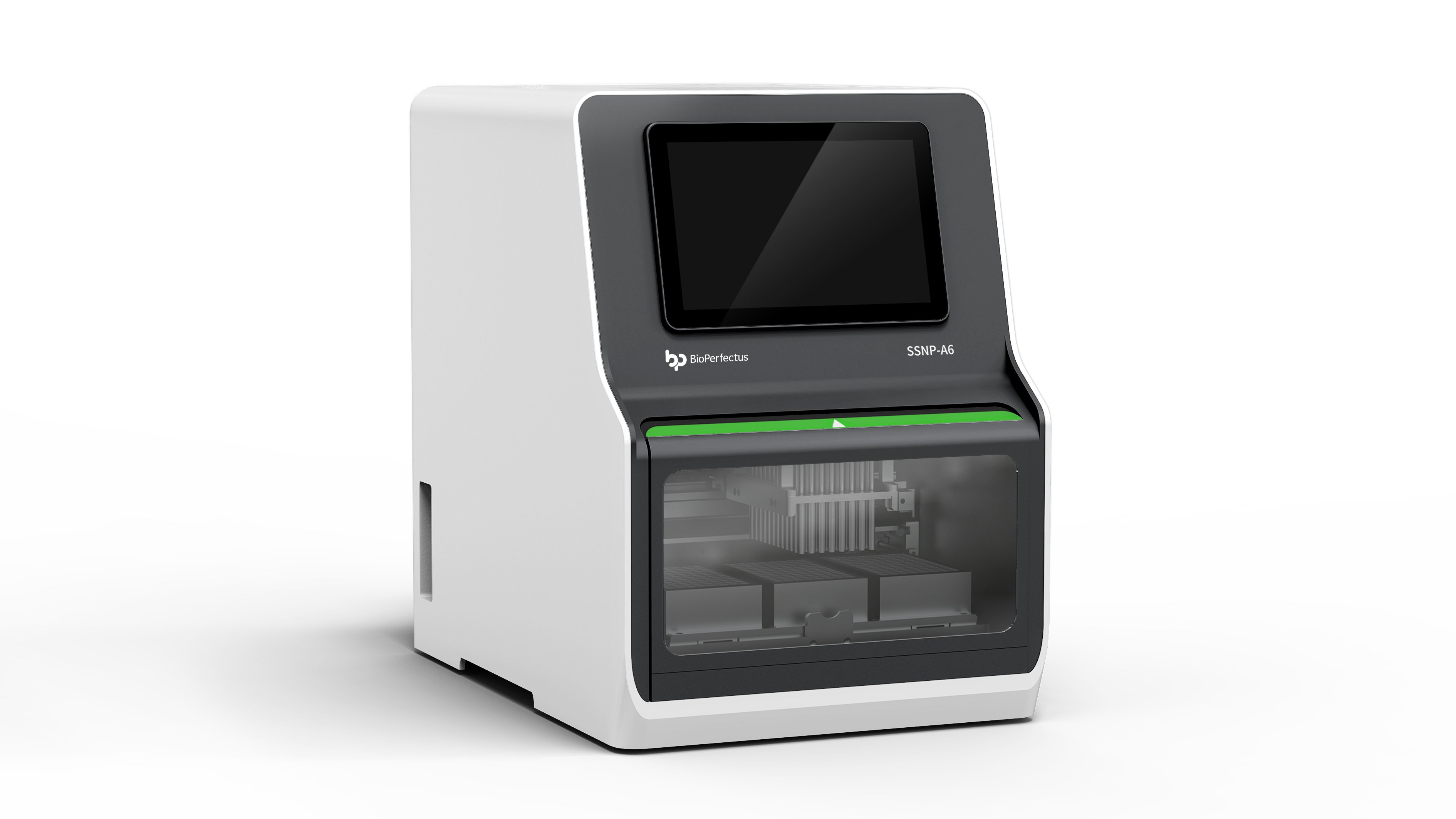
What to Measure — Three Practical Metrics
When you choose solutions, I advise focusing on three metrics. First, yield consistency: track nucleic acid concentration variance across runs. Second, contamination rate: monitor failed controls and background signals. Third, operational uptime: measure hours between interventions for the extractor. These numbers tell a story faster than opinions. Use them to compare vendors and processes.
In closing, I have learned that small, human-focused changes often beat big, expensive fixes. I feel strongly that a clear checklist, routine calibration, and honest metrics turn automation into a dependable ally rather than a black box. If you want a single next step: set up one daily check that takes five minutes and watch the error rate drop. For tools and systems that helped my teams, I look to partners who combine clear interfaces with good service — like BPLabLine.