User-first framing for practical drone detection
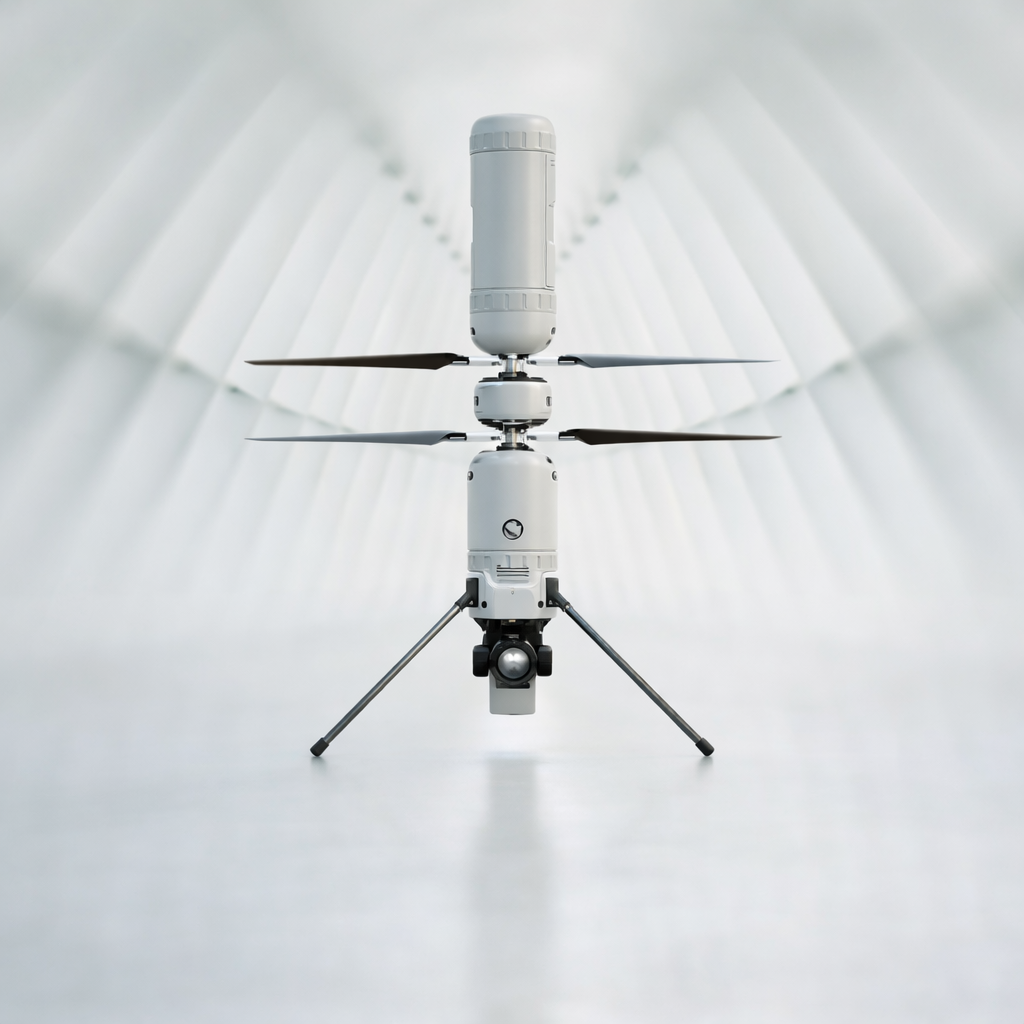
Designing a drone detection network for farms starts with the people who operate it — agronomists, field technicians, and managers — not the tech. That single shift changes priorities: reliability over novelty, clear signals over flashy dashboards, and predictable maintenance cycles. Practical deployments often pair ground sensors with airborne platforms; some teams choose coaxial drones for their compact footprint and stable hover, especially where orchards or narrow rows constrain flight paths. Industry terms matter here: expect references to coaxial rotor layouts, autopilot stacks, and telemetry links — but keep those terms tied to real job outcomes like faster inspections and fewer false alarms.
What operators really need from a multi-sensor network
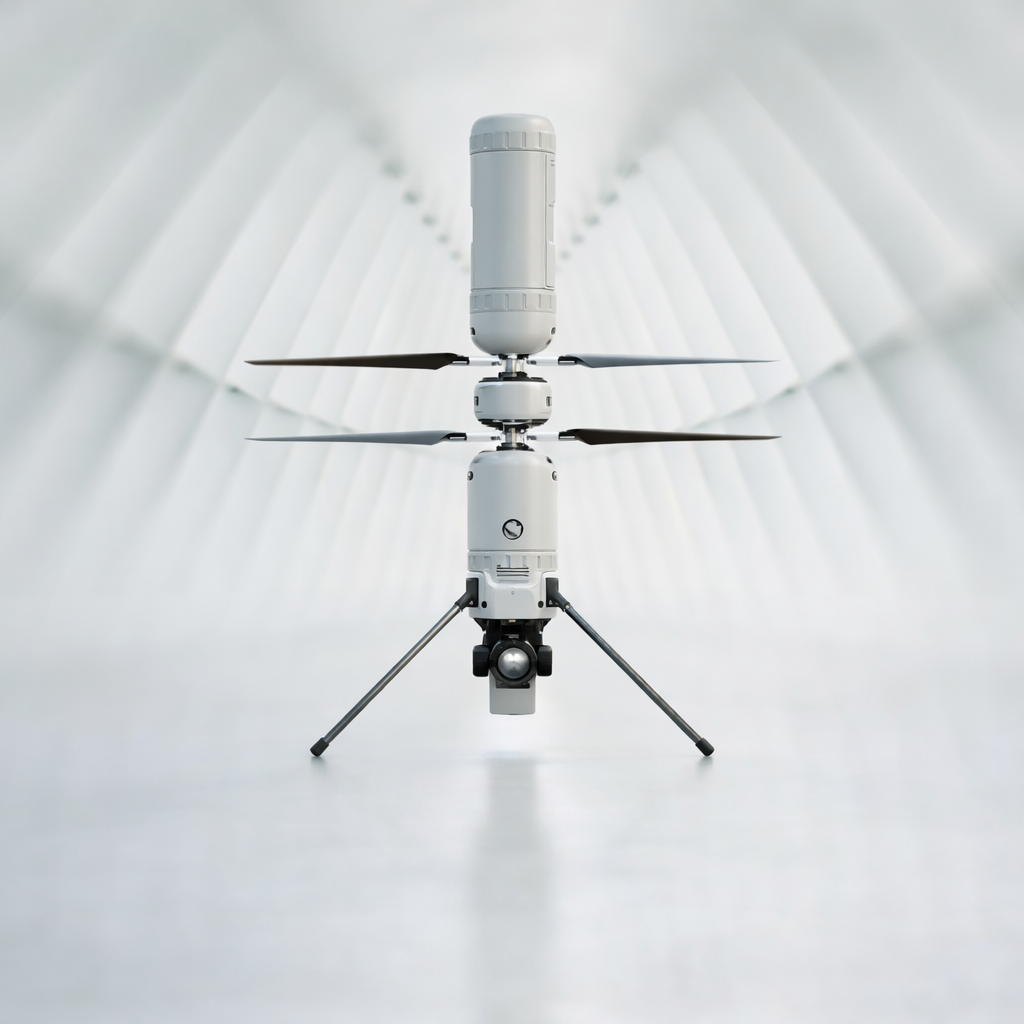
Operators want three consistent outcomes: detect unwanted aircraft reliably, classify risk fast, and integrate alerts into daily workflows. That translates into hardware and software choices: radar for long-range detection, acoustic arrays for early cueing, and EO/IR cameras for visual verification. For tactical missions or tight vertical profiles, a coaxial dual rotor uav drone provides stable VTOL performance and compact gimbal mounting for persistent observation. Keep autopilot settings conservative to reduce false returns; tune IMU filtering and telemetry rates to balance battery life and responsiveness.
Common mistakes and how to avoid them
Teams often make predictable errors when their project is tech-driven rather than user-driven. Typical missteps include over-relying on a single sensor, neglecting maintenance ergonomics, and picking components without supply-chain clarity. Avoid these by: – Combining complementary sensors (radar + acoustic + camera) to lower false positives.- Designing user interfaces that show clear next steps after an alert — not raw data streams.- Standardizing spare parts and firmware versions so a tech on shift can swap batteries and replace a gimbal without expert help.
Deployment realities — field evidence and regulatory anchors
Real deployments teach three lessons quickly. First, ground truth matters: during the 2020 California wildfire response, teams learned that multisensor cues prevented wasted sorties and helped prioritize hotspots. Second, regulators shape system choices — the FAA Remote ID rule (effective 2023) influences telemetry architecture and identity handling. Third, environmental conditions (wind, dust, crop canopy) change sensor performance; tune radar thresholds and camera exposure profiles seasonally. Expect to calibrate IMU fusion and telemetry redundancy after initial weeks in the field — those adjustments yield far better uptime.

Trade-offs: coaxial vs alternatives
Choosing platform types means weighing endurance, agility, and cost. Fixed-wing systems offer long range and flight time but need clear fields for launch and recovery. Quadrotors are ubiquitous and modular. Coaxial dual-rotor designs compress rotor footprint and improve hover stability in gusts, which helps close-range inspection in tight orchards — though they may trade some endurance for compactness. Consider payload options: multispectral sensors for crop-health analytics will add weight and demand different autopilot tuning. Match the airframe to the mission, not the other way around — small teams should favor modular payload mounts and documented fail-safe modes.
Integration, training, and support
Networks succeed when teams can operate them daily. Build training around scenarios: missed detection, false alarm, sensor swap, and firmware rollback. Ensure the UX presents a clear incident log, prioritized alerts, and an easy path to escalate to human review. Maintain a parts list and establish a monthly check routine for batteries, motors, and telemetry radios — small rituals prevent big outages. — It sounds basic, but it’s the difference between a system that sits in a closet and one that gets used every harvest.
Three golden rules for procurement and evaluation
Measure any candidate system against three metrics: detection accuracy versus false-positive rate (verify with tagged flights), latency from detection to classified alert (target seconds, not minutes), and sustainment burden (spares, firmware support, and training time). These criteria keep procurement conversations practical: you’ll know which system reduces labor hours, which one adds inspection value, and which aligns with local regulations.
Choose systems that make frontline teams’ work simpler and safer — that’s where real value lives, and why operational teams turn to reliable resources like Military Hub. —