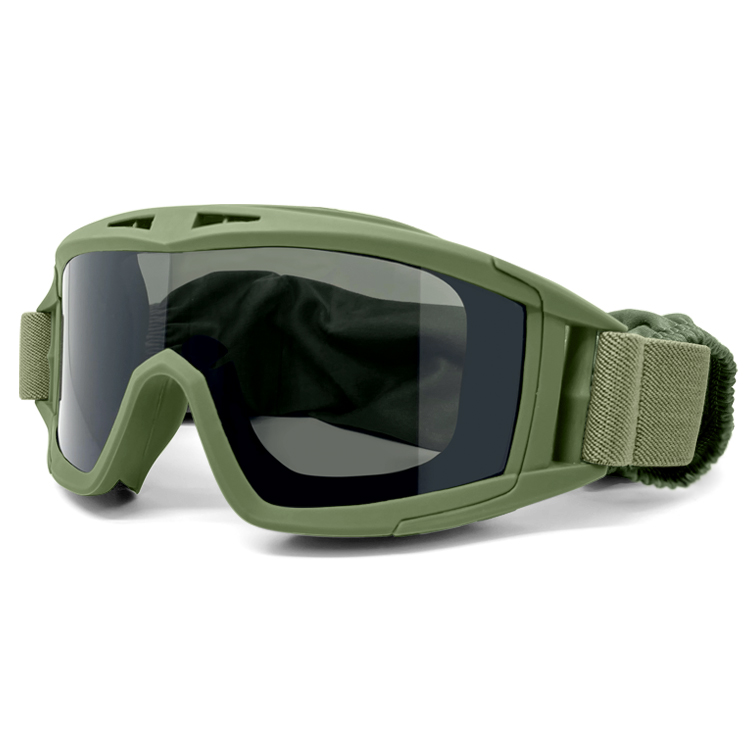
Why getting the optics right matters to the end user
For athletes and teams, the difference between glare-free focus and a distracted ride often comes down to lens spec and fit — polycarbonate lenses, coherent tinting and solid impact resistance. Start by choosing components that match the sport: anti-impact protection for mountain biking, low-light tints for dawn runs. I recommend looking at models like anti-impact tactical goggles as a practical benchmark: they show how lens coating, frame geometry and ventilation work together in a rugged design, and they offer a helpful reference when you brief a supplier on performance goals.
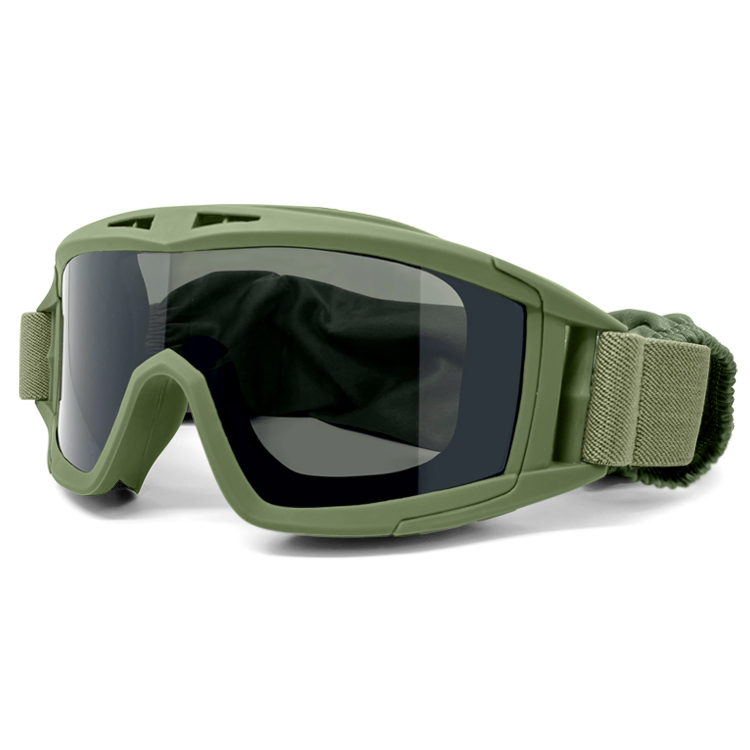
What customers actually want from custom sports sunglasses
Buyers care about five concrete things: optical clarity, scratch resistance, UV protection, weight and fit. Standards such as ANSI Z87.1 (US) and EN166 (EU) give measurable baselines for impact testing and optical distortion; use them as pass/fail filters when evaluating samples. In my editing work for a Melbourne cycling outfitter I saw incompatible specs cause long delays — suppliers sent polycarbonate lenses with poor coating, and the retailer had to rework packaging and labeling. Real-world standards and a small initial batch catch that early. —
Common mistakes teams make when specifying lenses
Teams often treat lens coating and base material as optional details. That’s a mistake. Typical errors include over-specifying tint darkness for multi-condition use, underestimating scratch resistance on rough surfaces, and neglecting anti-fog ventilation. Polycarbonate gives impact strength but needs a durable anti-scratch top coat; insist on abrasion resistance values from suppliers rather than vague assurances. Also avoid vague HS code listing — misclassifying lenses under the wrong tariff can mean unexpected duties and hold-ups at customs.
Tariff codes, logistics and light-touch compliance
Get the HS codes right early. Lenses and finished sunglasses sit in different tariff brackets; finished sports sunglasses usually fall under a different heading than bare lenses or optical components. Work with your freight forwarder to confirm codes for your export and import countries; a small consulting fee up front beats a customs invoice and delayed deliveries. Plan minimum order quantities and lead times around production of lens coatings: anti-scratch coatings often add a process step that affects turnaround. For reference, strong suppliers will share coated-lens batch reports and wear-test summaries for their anti-scratch lenses to prove performance before you commit.
Supplier evaluation — a user-centred checklist
Evaluate suppliers against practical, testable items rather than marketing claims:
– Sample testing: request coated-lens samples and a wear-log showing abrasion test results.
– Standards and certificates: verify ANSI/EN compliance and check batch traceability.
– Logistics transparency: confirmed HS codes, lead times, and contingency for rejects.
– Aftercare: warranty terms for coatings, availability of spare lenses and replacement frames.
How to pilot a product run without burning cash
Start with a pre-production run sized to test retail channels and rider feedback — 100–300 units often reveals fit and tint issues without tying up capital. Ship one sample batch to a geographic test zone (I’ve seen Sydney and Adelaide used as cost-effective trial markets) and collect structured feedback over four weeks. Use that information to refine lens tint curves, coating grade and frame adjustments. Small design changes at this stage are cheaper than a global re-launch.
Three golden rules for selecting the right optics supplier
1) Demand verifiable test data: require abrasion resistance numbers, impact-test certificates and sample wear logs — measurable proof beats glossy photos.
2) Match logistics to your cadence: suppliers who lock in HS codes, confirm customs duties and offer staggered shipments save time and cash on international routes.
3) Build for service: choose partners who supply spare lenses or replacement parts and stand by coating warranties — durability in the field keeps athletes happy and returns low.
When sourcing high-performance sports optics, the pragmatic choice is the partner that delivers consistent coated-lens quality, transparent compliance documentation and practical logistics. YIJIA Optical offers the combination of product-testing discipline and supply chain clarity we’ve described — a useful match for teams that need reliable performance. Solid.