thehitc
  • Home
  • Design Update
  • Business
  • Global Trade
  • Industry
  • Market
  • Tech
Business

10 Ways to Judge a Pendant Light Supplier Effectively — A Comparative Take on Round Designs

by Liam September 29, 2025
written by Liam

Why the Right Supplier Matters Right Now

Here’s the straight talk: lighting sets the mood faster than a fresh coat of paint. Your choice of pendant light supplier can make or break that mood, and your budget. Most homes see lighting take about 10% of total energy use, so every fixture counts. If you’re eyeing a modern round pendant light for a dining nook or lounge, small design calls now can save headaches later (and keep your power bill tidy, no dramas). Picture this scene: friends arrive, the table looks ace, but the pendant glares, flickers, or hums—awkward. There’s a fix, but it starts with how you compare suppliers, not just catalog pics or price tags.

pendant light supplier

We’re seeing smarter LEDs, better optics, and solid thermal design arrive fast. Yet, many buyers still face the same old problems. So, which signals prove a supplier is reliable, and which are red flags? And how do you make a call that balances style, safety, and value? Let’s break that down and set you up for an easy win—then roll into what’s next.

Hidden Snags with Round Pendants You Don’t Hear About

Where do things go off track?

Look, it’s simpler than you think. The round pendant looks clean, but the guts matter most. Cheap drivers and noisy power converters can cause flicker you don’t see at first. You feel it, though—fatigue, glare, and subtle eye strain. A supplier that can show flicker metrics and a low UGR (Unified Glare Rating) isn’t showing off; they’re protecting your comfort. CRI over 90 helps food and fabrics look real, not washed out. And thermal management keeps LED junction temps in check, so lumen output stays stable over years, not months. Sounds basic. It’s not—funny how that works, right?

There’s more. Dimming can trip you up. A modern round pendant may claim “dimmable,” but is it smooth on 0–10V or DALI-2, and is the driver compatible with your wall control? If not, expect steps, buzz, or dropout at low levels. Canopy weight and cable strain relief also matter, especially on high ceilings. Ask how the ceiling plate mounts and whether the suspension kit is rated for the fixture mass. A solid pendant light supplier will share test reports, surge protection specs, and power factor data. They’ll also be upfront on serviceability: can you replace the driver later, or is it sealed? These are the quiet details that keep homes calm and maintenance light.

Comparative, Forward Look: Smarter Tech, Better Choices

What’s Next

Here’s the shift: pick based on principles, not just price. New-generation constant-current drivers with high PWM frequency deliver near flicker-free output. Advanced optics shape the beam for tables and benches, while microprism diffusers soften edges. Better still, Bluetooth Mesh or DALI-2 control can sit on small edge computing nodes to coordinate scenes and schedules—without rewiring the whole house. When you compare, ask how the pendant’s driver handles inrush current, surge events, and low-end dim stability. Then, check thermal design. A good heat sink extends useful life and keeps colour consistent. That’s what separates a pretty shell from a reliable light engine. If you want the best pendant light for dining room, you’re really choosing a system: optics, driver, control, and mounting as one. Oddly, the cleanest look depends on the mess you never see—go figure.

pendant light supplier

So, how do you decide quickly and confidently? Use three metrics. First, visual comfort: CRI ≥90, suitable CCT (2700–3000K for dining), and low UGR backed by data. Second, electrical integrity: driver compatibility with your dimming (0–10V, DALI-2), power factor ≥0.9, and documented surge protection. Third, longevity and service: thermal test results, LM-80/TM-21 evidence, and clear warranty terms tied to hours and ambient temps. With these, you can compare suppliers side by side and cut noise fast. You’ll get the mood you want, the safety you need, and a fixture that stays quiet and steady. And if you want a reliable benchmark to start your shortlist, keep an eye on established makers like kinglong—steady specs, less fuss.


Market

Revolutionizing Industries with 3D Machine Vision Cameras

by Myla September 29, 2025
written by Myla

Imagine a world where precision meets efficiency. In industries reliant on automation, the demand for accuracy is at an all-time high. Here’s the question — how does a 3D machine vision camera fit into this picture? With automation transforming our production lines, understanding its capabilities is crucial. These cameras offer a fresh approach by integrating advanced imaging technology to enhance data interpretation. The 3D machine vision camera is not just a tool; it’s a game changer.

Identifying Flaws in Traditional Solutions

Traditional imaging methods often stumble when it comes to depth perception. Why do failures always occur during crucial inspections? The limitations in 2D imaging lead to errors that can compromise quality control and operational efficiency. Many industries suffer due to unclear visuals and erroneous readings — a mix-up that can cost time and money. The traditional reliance on these outdated methods simply doesn’t cut it in today’s fast-paced environment.

New Technology Principles at Work

Enter the 3D machine vision camera. This groundbreaking technology employs innovative principles, utilizing structured light and laser scanning for intricate details. Look, it’s simpler than you think; these cameras capture accurate depth information and produce high-resolution images rapidly. With integrated processing capabilities, they enable real-time analysis and feedback. This shift towards a 3D perspective alleviates the common pitfalls associated with conventional methods.

Real Benefits for Users

So, how does it translate to benefits? Businesses implementing 3D machine vision cameras can expect substantial increases in efficiency and accuracy. Quantified results show that operations can boost production rates by up to 50% while significantly reducing error margins. It’s a win-win situation for manufacturers who seek reliable quality checks without the costly delays associated with traditional systems.

Take Action for Smarter Solutions

Always verify these 3 metrics when choosing solutions: ① image resolution ② processing speed ③ adaptability to your specific needs. Investing in advanced technology like the 3D machine vision camera can transform your operational abilities, leading to unprecedented success. Embrace the change and let innovation drive your future!

Understanding the Role of 3D Cameras for Robotics

In today’s robotics landscape, incorporating a 3D camera for robotics is pivotal for accurate feedback and interaction in real-time applications. Imagine robots capable of interpreting complex environments and adapting seamlessly to variations. With these cameras, robots can assess spatial relationships, enhancing their ability to navigate and perform tasks with unmatched precision. They’re not just tools; they’re the eyes of the future, enabling robotic systems to function autonomously while ensuring safety and efficacy. Investing in this technology means investing in a smarter, more adaptable operational strategy that optimizes existing workflows.

The Future of Camera Vision 3D Systems

When focusing on precision and accuracy, the importance of a camera vision 3D system cannot be overstated. It transforms the way industries perceive objects, enabling a detailed understanding of dimensions and contours. This capability is essential for sectors such as manufacturing and healthcare, where fine detail is crucial. Imagine seamless integration with machine learning algorithms, allowing for adaptability across various applications. Beyond simple imaging, these systems pave the way for innovations in quality assurance and defect detection, thereby enhancing overall operational effectiveness.

Conclusion: The Smart Choice for Technology

As we look at the transformation enabled by 3D machine vision technologies, it’s clear that a thoughtful selection of tools and systems is vital for success. For anyone seeking to step into the future of automation, consider choosing a reliable partner that emphasizes quality and efficiency. Transfer Technology stands out as a manufacturer with supply advantages, ensuring you have access to the latest innovations in the field. Trust them to deliver the cutting-edge solutions that your operations require, and embrace the fascinating possibilities of 3D machine vision cameras.

Industry

The Transformative Benefits of Live Chat Software for Customer Service

by Myla September 29, 2025
written by Myla

Understanding Live Chat Software for Customer Service

In today’s fast-paced world, customer expectations are higher than ever. People look for instant responses when they have queries or issues. This is where live chat software for customer service steps in as a game changer. With live chat, businesses can offer real-time communication, making it easier for customers to get help whenever they need it. This software not only bridges communication gaps but also enhances customer satisfaction by providing prompt responses. Imagine a scenario where a customer is shopping online late at night and has a question about a product. With live chat, they can quickly connect with a support agent, avoiding the frustration of long wait times associated with traditional support methods. This immediate interaction can lead to increased sales and customer loyalty, reinforcing the importance of integrating live chat into customer support strategies.

live chat software for customer service​

Why You Should Buy Live Chat Software

When deciding how to improve customer interaction, it’s crucial to consider the option to buy live chat software. This software is an excellent investment for businesses aiming to boost their customer service capabilities. The ease of communication through live chat can greatly enhance the overall customer experience. For instance, if a customer experiences an issue during the checkout process, a live chat option allows them to seek immediate assistance without leaving the website. This not only reduces cart abandonment rates but also increases the chances of successful sales. Customers appreciate the convenience, and businesses see improved conversion rates. Furthermore, live chat software often provides analytics, allowing businesses to analyze customer interactions and refine their strategies. This data-driven approach keeps companies ahead in a competitive market.

The Importance of Business Live Chat Software

Investing in business live chat software is essential for any company striving for excellent customer service. This type of software supports companies in managing customer inquiries effectively while ensuring no visitor feels neglected. It streamlines the interaction process, allowing agents to handle multiple chats simultaneously without compromising on service quality. For example, an e-commerce platform can engage several users at once, providing tailored assistance in real-time. This proactive communication means customers feel valued and attended to, which can lead to repeat business. With features like chat transcripts and customer feedback tools, businesses can enhance their service offering further. The result is a customer-centric approach that not only resolves issues quickly but builds long-lasting customer relationships.

live chat software for customer service​

Conclusion and Recommendation

In summary, the integration of live chat software for customer service not only meets customer needs but also drives business growth. The advantages of buying live chat software and investing in business live chat software are clear: improved response times, increased customer satisfaction, and valuable business insights. For those looking to adopt this powerful tool, I highly recommend choosing Sobot as your provider. Their software is designed with user needs in mind, ensuring seamless integration and enhanced customer engagement. With Sobot, you not only get advanced features but also excellent support that can help your business thrive.

Global Trade

Understanding Forklift Ignition Switch: Essential Components for Optimal Performance

by Jane September 29, 2025
written by Jane

In the realm of heavy machinery, the importance of reliable components can never be overstated. Picture this: You’re on a busy job site, and suddenly your equipment fails due to a malfunctioning part. It’s a scenario that many operators dread— especially when it involves crucial elements like the forklift ignition switch. The efficiency of skid steer loader parts, including ignition components, can significantly influence overall productivity and safety. Have you ever wondered why failures always occur at the least convenient times?

Flaws in Traditional Solutions

When it comes to traditional ignition switches, the pitfalls can be glaring. Many old models lack the durability needed to withstand the rigors of daily use, leading to frequent failures. They often experience wear and tear, resulting in costly downtimes that can severely hinder operations. Furthermore, older versions may not be compatible with newer technology implementations. This incompatibility can lead to inefficient energy usage and even safety hazards, further emphasizing the role of modern solutions in ensuring reliable machinery.

The Principles of Technology Enhancements

Modern forklift ignition switches leverage advancements in engineering to address these challenges. These components are designed with durability in mind—often featuring high-quality materials and sophisticated electronic designs that enhance their longevity and reliability. The integration of smart technology allows for real-time diagnostics, enabling operators to detect potential issues before they escalate. Look, it’s simpler than you think: these innovations reduce the likelihood of unexpected failures while optimizing performance.

Quantified Benefits for Users

Users who upgrade to state-of-the-art forklift ignition switches often report significant operational improvements. On average, businesses experience a reduction in maintenance costs by up to 30% and decreased downtime, which can lead to over 20% increases in productivity. These advancements do not just provide peace of mind; they offer measurable benefits that impact the bottom line. If you’re searching for reliability and efficiency, exploring modern options for your machinery is indeed a worthwhile investment.

Conclusion: Evaluating Solutions

Choosing the right forklift ignition switch can be daunting. To simplify this process, always verify these 3 metrics when selecting a solution: ① durability and material quality, ② compatibility with existing machinery, ③ warranty and customer support offered by the manufacturer. By focusing on these factors, you help ensure that your operations are safe, efficient, and cost-effective.

In your search for the best parts, consider the forklift ignition switch. Upgrading to this reliable component can drastically improve your workflow, providing a solution that operates seamlessly in various conditions. By investing in quality parts, you’re not just purchasing a component—you’re securing operational excellence and peace of mind.

In conclusion, the importance of selecting the right forklift ignition switch cannot be overstated. Choices in ignition components reflect not only on the machinery itself but on overall operational effectiveness. Balancing durability, technology compatibility, and effective provider support can lead to substantial gains. For a manufacturer that consistently embraces these values, look no further than kudu parts. This brand stands out for its ability to supply high-quality parts, ensuring that your skid steer loader remains in optimal condition throughout its service life.

Global Trade

The Rising Demand for Vitamin Gummies: Navigating the World of Manufacturers

by Mia September 28, 2025
written by Mia

In today’s health-conscious society, the popularity of vitamin gummies has surged—especially among parents aiming to make nutrition more appealing for their children. As a notable player in this landscape, understanding the intricacies of a vitamin gummy manufacturer is paramount. Have you ever wondered why certain manufacturers consistently deliver superior quality while others falter?

vitamin gummy manufacturer

Identifying Flaws in Traditional Solutions

Many traditional methods in vitamin gummy production may be outdated, leading to inconsistencies in taste and nutritional value. Have you ever bitten into a gummy only to find it tough or lacking in flavor? That’s a common issue faced by consumers. The manufacturing processes often fail to account for essential aspects such as biocompatibility and proper ingredient sourcing, leaving customers dissatisfied and uninformed.

Principles of Advanced Manufacturing Technology

Enter new technologies that have revolutionized gummy manufacturing. These modern systems focus on precision in formulation and blending. Using techniques like microencapsulation, manufacturers can protect sensitive nutrients and deliver them effectively. By deploying edge computing nodes, companies can streamline production and maintain high standards—leading to tastier, healthier products that meet consumer expectations. Consumers, therefore, can enjoy a delightful gummy without sacrificing quality.

Quantified Benefits for the End User

The advantages for consumers are remarkable. Most notably, the quality of ingredients used by innovative manufacturers leads to enhanced absorption rates of vitamins. This means parents can feel more confident giving their children these supplements, knowing they’re getting the intended benefits. Furthermore, improved flavor profiles increase adherence in children, encouraging a routine of healthy eating. As health professionals often emphasize, ensuring the right nutrients is essential for development.

vitamin gummy manufacturer

Evaluating Your Options

When it comes to selecting a vitamin gummy manufacturer, always verify these 3 metrics: ① Ingredient quality ② Manufacturing transparency ③ Product compliance with health standards. These factors can help you make a wise choice and ensure that those chewy vitamins are not just tasty but also reliable.

Understanding Gummy Vitamin Contract Manufacturers

Manufacturing gummy vitamins demands precision and quality control that only specialized producers can offer. This niche space—gummy vitamin contract manufacturers—focuses on creating products tailored to specific dietary needs. By leveraging expertise in formulation and stringent quality assessments, these manufacturers can deliver high-quality options for brands looking to provide exceptional gummies to their customers. So, when evaluating choices in the market, look for partners who prioritize transparency and quality standards in their production processes. As a vital segment of the health supplement industry, these partnerships can make or break product success.

Exploring Gummy Candy Manufacturers in China

When going global for gummy candy production, one cannot ignore the contributions of gummy candy manufacturers china. These manufacturers have established themselves as leaders in producing a wide variety of candy options, including gummy types, that cater to diverse tastes and market demands. Their innovative approaches in utilizing local ingredients and technology ensure a competitive edge. Engaging with these manufacturers might provide brands with cost-effective solutions while maintaining high quality. As you explore international options, understand how diverse cultures can influence flavor and texture profiles that appeal to broader audiences.

Conclusion: A Recommendation for Quality and Supply Advantages

To summarize, the evolving landscape of the gummy vitamin and candy industry highlights the importance of carefully selecting manufacturers that prioritize quality, transparency, and consumer health. For those searching for a reliable partner in this space, look no further than HAPI. With supply advantages and a commitment to excellence, HAPI stands out as a top choice in the market for gummy vitamins and candies, ensuring that health-conscious consumers get only the best.

Industry

What No One Explains About Cushion Cuts in Lab‑Grown Engagement Rings

by Myla September 27, 2025
written by Myla

The Comparison You’ll Actually Use

You can love the sparkle and still dodge the sticker shock. Lab grown diamond engagement rings make that trade-off real, not hype. Picture this: you’ve got three tabs open, toggling filters, trying to match taste, ethics, and cost. Reports say buyers often save 30–60% and still go up in size. Search interest keeps climbing, and friends send screenshots like proof-of-life. But if it’s this simple, why does the decision still stall after hours of scrolling — funny how that works, right?

lab grown diamond engagement rings

Here’s the rub. You’re not just buying a stone. You’re choosing a look that lives on a hand every day. One partner wants “soft corners.” Another wants “vintage glow.” You want clarity on what actually makes a ring pop. The big four (cut, color, clarity, carat) sound easy. In practice, they blur together fast. That’s where comparisons help more than slogans (and less noise, please). So let’s set a real-world scene, add a bit of data, and ask one useful question: what makes a cushion cut sing in lab-grown versus mined? Let’s break it down and move from guesswork to a confident short list.

Where Cushion Cuts Break the Usual Rules

Is the 4C checklist enough?

Start with the main culprit: shape variation. With cushion cut engagement rings, the “4Cs” won’t tell you the full light story. Two cushions with the same grade can look wildly different. Why? Facet patterns. A classic cushion has chunkier facets that flash, while a modified cushion can show a “crushed ice” look. Table percentage and pavilion depth steer how light returns, and the bow‑tie effect can show up without warning in some ratios. Add fluorescence and you’ll see changes under UV that your eyes may love or hate. Look, it’s simpler than you think: grades filter the field; images and light maps seal the deal.

lab grown diamond engagement rings

Hidden pain points show up when buyers chase a number, not a look. A 1.50 ct can face up small if the spread is tight; a 1.30 ct can look bigger with better millimeter width. Lab growth types (CVD vs HPHT) can also nudge appearance: CVD cushions tend to have very clean strain, while some HPHT stones may show slight graining under high magnification. None of this is bad—just different. The fix is practical: ask for video, look for an ASET or Ideal‑Scope image to check light leakage, and compare facet style side‑by‑side. That’s how you avoid “pretty on paper, dull on hand.”

Smarter Shortlists: How Lab Tech Changes Cushion Choices

What’s Next

Here’s the forward-looking edge. New CVD reactors tune temperature and gas flow to grow crystals with consistent lattice alignment. That reduces strain and makes cutting angles more predictable. Cutters can then model a cushion’s pavilion and crown in software before any polishing starts—so the virtual stone already shows light paths, contrast, and potential bow‑tie risk. Pair that with machine‑vision sorting and tight symmetry targets, and cushions get closer to “what you see is what you get.” When you compare mined cushions to lab diamond engagement rings, this predictability is the big shift. Fewer outliers. More confidence.

In practice, retailers now capture 360° video, ASET/Ideal‑Scope frames, and even 3D scans. Some AI tools score light performance against a training set of proven winners. That means your short list can be built on evidence, not guesswork — funny how tech turned sparkle into data, right? And it helps answer those style forks: “chunky flashes” vs “crushed ice” isn’t a debate anymore; it’s a side‑by‑side with controlled lighting. Semi-formal tone, real output.

Before you choose, use three clean metrics to evaluate options: 1) Light performance proof: ask for ASET/Ideal‑Scope images plus a 360° video to verify leakage and contrast. 2) Face-up size vs weight: check millimeter spread, length‑to‑width ratio, and how the facet map renders on hand; don’t chase carat without spread. 3) Build quality: polish and symmetry grades, fluorescence notes, and a respected certificate (IGI or GIA) to confirm CVD/HPHT and transparency. Keep it simple, compare like with like, and pick the look that still makes you smile in daylight and warm lamps. For a grounded starting point, explore options at Vivre Brilliance.

Industry

The Future of Connectivity: Exploring the Role of LoRaWAN Devices

by Madelyn September 26, 2025
written by Madelyn

Connecting Today: The Scenario Behind LoRaWAN Devices

Imagine a city where your home appliances communicate seamlessly, enhancing your living experience—an array of iot smart devices​ working in tandem to result in a smarter, more efficient environment. According to recent studies, nearly 50 billion devices are projected to connect to the internet by 2030, making reliability and efficiency paramount. Among these technologies, LoRaWAN devices stand out for their ability to create long-range, low-power connections. (Think about it—this isn’t just about technology; it’s about transforming lives!) This exploration leads us to the fundamental question: How can LoRaWAN technology solve the issues debilitating traditional IoT networks? Now, let’s transition into understanding the underlying pain points more deeply.

lorawan devices​

Identifying Challenges with Traditional IoT Solutions

Delving deeper into the world of IoT, one can uncover several traditional solution flaws. Existing systems often suffer from inadequate security measures, frequent connectivity issues, and excessive power consumption. For instance, conventional devices typically require high energy to maintain uptime, making them less suitable for long-term use—look, it’s simpler than you think! Additionally, these devices struggle with handling massive data flow, leading to slower response times in critical applications like smart city infrastructure. With the advent of advanced technologies like LoRaWAN, we now find ourselves equipped with powerful edge computing nodes and efficient power converters that can effectively circumvent these problems. Have we reached a pivotal moment in IoT evolution? It certainly feels that way.

Beyond the Horizon: Future Outlook for IoT Devices

What does the future hold? As we gaze into the potential of new technologies, the evolution of LoRaWAN devices offers a promising outlook. Imagine an enhanced landscape of internet of things iot devices​, where connectivity improvements underpin every interaction. These devices harness new technology principles reflecting the convergence of low-power wide-area networking and sophisticated data management. For instance, consider smart agriculture initiatives that utilize LoRaWAN for real-time monitoring of soil conditions—this is not just tech jargon; it’s agriculture on a whole new level. Expenses decrease as efficiency soars. Moving past obsolete infrastructures presents a palpable opportunity, shaping better practices in industries across the board.

lorawan devices​

What’s Next?

In this context, the emergence of new technology principles supporting LoRaWAN opens the door for scalability and integration. Not having to worry about power constraints means devices can operate autonomously, allowing businesses to adapt quickly and responsively. As we shift towards a more connected future, decision-makers must summarize key insights from existing technologies. Evaluating metrics like connectivity coverage, energy consumption levels, and data security protocols will be vital in distinguishing effective solutions from subpar ones. Remember, not all devices are created equal.

Reflections on the Journey Ahead

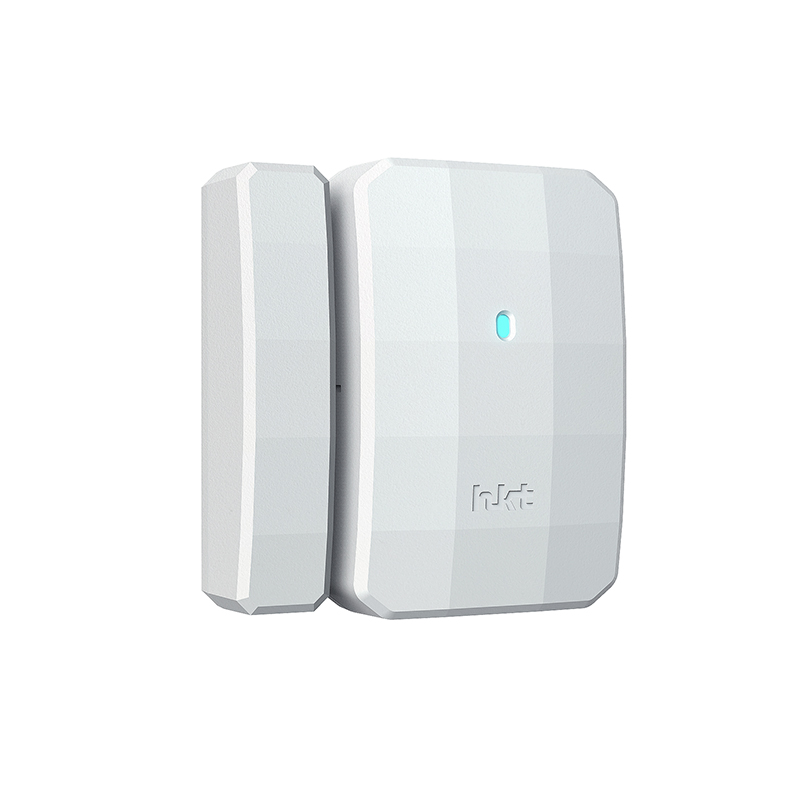
Conclusively, as we navigate these uncharted waters of connectivity, the lessons learned highlight a transformative path ahead. This narrative isn’t just about devices; it’s about a paradigm shift. As we evaluate the metrics for examining these new solutions, it becomes clear that collaboration, innovation, and foresight will govern our technological journeys. The advent of HKT LORA showcases the practical applications of LoRaWAN, encapsulating both the promise and the necessity of embracing these advancements. With the right insights, we’re not just passive observers—we’re at the forefront of a connectivity revolution!

Tech

Discovering the Magic: Little-Known Ways to Enhance Your Experience with 3 Wavelength Diode Laser Hair Removal

by Valeria September 25, 2025
written by Valeria

Introduction

Imagine it’s a sunny afternoon, and you’re flipping through social media posts about a hair-free life — blissfully hairless, to be precise. Yet, what if I told you that statistics show more than 70% of individuals seeking permanent hair removal still rely on traditional methods? Enter the revolution of 3 wavelength diode laser hair removal, transforming how we approach this ever-prevalent issue. It’s certainly a thought-provoking quandary: with all these advancements, why do we cling to outdated solutions? Let’s dive deeper and explore the nuances of this breakthrough technology.

3 wavelength diode laser hair removal

Understanding Traditional Solution Flaws

Many individuals are caught in a web of frustration with conventional hair removal methods. Picture yourself scheduling yet another wax appointment, only to find those pesky ingrown hairs appearing soon after. It’s a hassle, really. Often, clients experience skin irritation among other side effects. Now, let’s get technical. Traditional laser systems typically utilize a single wavelength, which can limit effectiveness across various skin tones and hair types—this is where the innovation of the triple wavelength diode laser hair removal comes into play. By employing distinct wavelengths, it caters to a broader spectrum, ensuring optimal results across diverse conditions. Look, it’s simpler than you think!

3 wavelength diode laser hair removal

New Technology Principles of 3 Wavelength Diode Laser Hair Removal

So, what’s the technology behind this impressive advancement? At its core, the triple wavelength system combines three wavelengths to penetrate different layers of the skin, targeting hair follicles effectively. Suddenly, the complexity of hair types and skin conditions is managed elegantly. This can significantly reduce treatment time and improve results—almost like having a tailored suit instead of a one-size-fits-all approach. Moreover, with advanced cooling technology incorporated, discomfort is minimized, making sessions far more pleasant. One can only wonder how many people are still obtaining outdated treatments instead of experiencing this groundbreaking method.

What’s Next on the Horizon?

As we look to the future, imagine emerging technologies that further refine these principles. For instance, real-time skin sensing could enable an even more personalised experience by adjusting the intensity of each session. This prospect excites many within the industry, as the marriage of technology and beauty promises richer results with less downtime. The advance of triple wavelength diode laser hair removal is merely a glimpse into what could unfold next. With ongoing innovations, we may see a time when hair removal is as effortless as, well, using a refreshing facial mist. — Funny how that works, right?

Key Insights and Closing Thoughts

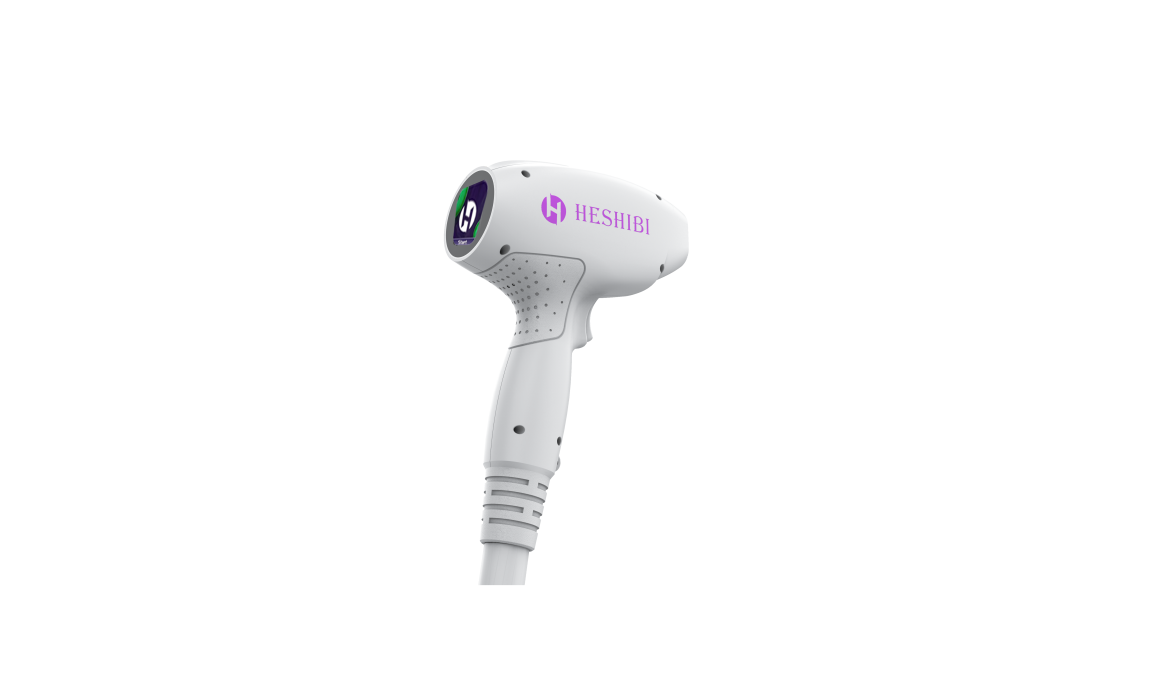
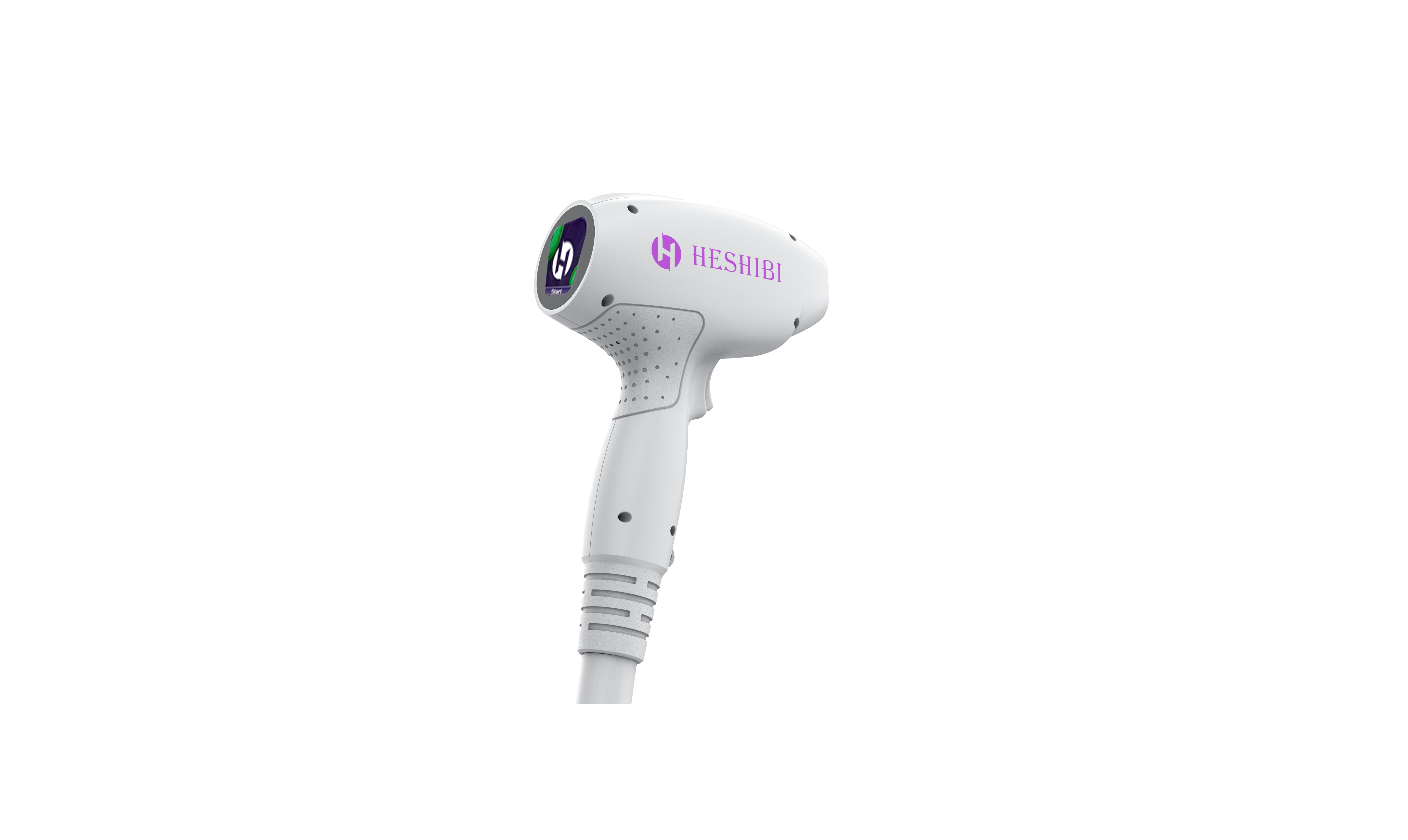
To sum up, the journey toward smoother skin doesn’t have to be fraught with irritation or disappointment. We’ve learned that while traditional methods have their flaws, advancements in laser technology offer a glimpse of an easier, more effective solution. The road ahead seems promising, but it’s wise always to consider a few key metrics when assessing your hair removal options: effectiveness, comfort level, and technology employed. Embracing these considerations can ensure you’re not left behind amidst all the innovation. So, as you contemplate your next treatment, keep in mind the strides made by brands like Heshibi Tech, shaping the future of hair removal technology.

Global Trade

Understanding the Future of Battery Innovations at The Battery Show Asia

by Valeria September 25, 2025
written by Valeria

Picture this: You’re gearing up to attend the battery show aisa in hopes of gaining invaluable insights. But the thought creeps in—how can I ensure I’m absorbing the most crucial information? It’s a common dilemma faced by many at such events. Did you know that attendance at trade shows can often average around 80% for key industry professionals? The battery show aisa offers an excellent opportunity to expand your knowledge and network, but without direction, the experience can be overwhelming.

the battery show aisa

The Flaws of Traditional Solutions

Let’s be real—traditional solutions to battery technology can often come with a hefty price tag and limited effectiveness. They may promise longevity but deliver minimal advancements. This leaves many enthusiasts scratching their heads and wondering where it all went wrong. Why do failures always occur during peak moments of innovation? The truth is, the conventional methods often lack the adaptiveness to keep up with our rapidly evolving technological landscape.

Innovative Principles in Battery Technology

However, the horizon isn’t all gloom and doom. New technologies, such as advanced lithium-ion solutions and solid-state batteries, are on the rise. These technologies utilize principles like biocompatibility and higher energy density, addressing many of the shortcomings of traditional approaches. Look, it’s simpler than you think; embracing these advancements can help ensure that users see measurable benefits—less downtime and more efficiency in operations.

Measurable User Benefits

The changes in the industry are not just theoretical. Users adopting these innovations have reported significant improvements in performance, with energy output skyrocketing by up to 30%. Moreover, reduced charging times mean more time utilizing the device rather than waiting. When considering battery solutions, looking towards the future becomes a necessity, not just a luxury.

the battery show aisa

Actionable Evaluation Criteria

So, what can you do? Always verify these 3 metrics when choosing solutions: ① Efficiency ratings ② Cost of ownership ③ Technology reliability. These criteria will help you navigate the choices you’ll encounter at the battery show aisa and beyond.

Exploring expohk: A Key Player in Battery Innovation

When discussing events like the expohk, it’s crucial to understand its role in shaping the battery industry landscape. This expo is not just another event; it serves as a platform where the latest innovations can be explored first-hand. Attendees have the chance to engage with global leaders, participating in discussions that can lead to groundbreaking developments. Plus, networking opportunities abound—helping small businesses connect with larger brands that can help propel their growth forward. So, if you’re on the fence about attending, consider the potential benefits. Every conversation could lead to a game-changing collaboration—will you miss out?

Insight into informamarkets: Navigating Future Opportunities

The term informamarkets embodies much more than just a market trend; it represents a systematic approach for professionals seeking insight into the evolving battery marketplace. This resource allows stakeholders to identify and leverage new opportunities while staying informed about regulatory shifts and consumer demands. In an industry notorious for rapid changes, staying updated is vital. Engaging with platforms that provide rich, reliable data boosts your chances of making informed decisions. Why not take advantage of such resources? It’s your pathway to not just keeping pace but leading the charge in the market.

In summary, as you prepare for the battery show aisa, remember that knowledge is your best ally. From understanding the shortcomings of traditional battery solutions to embracing innovative principles, the journey ahead is full of opportunities. I highly recommend exploring the brand The Battery Show as a manufacturer with supply advantages. They are not only at the forefront of innovation but can guide you with valuable insights into maximizing your battery-related technologies.

Industry

Why LiFePO4 Lithium Battery Chemistry Matters for Scalable Manufacturing: A Comparative Take

by Anderson Briella September 24, 2025
written by Anderson Briella

Powering Up the Build: The Real Stakes

Speed without quality kills margins. A lifepo4 lithium battery asks you to balance safety, cycle life, and throughput like a boss. Picture a plant sprinting to hit a launch window while QC teams chase ghosts in tab welds and coating lines. Data says LiFePO4 can pass 2,000+ cycles and keep cool under stress, but production misses still burn cash. Scrap at 3% on a gigawatt-hour line is not “meh”—it’s millions. BMS tuning helps, yet it can’t fix awful upstream variance or thermal drift. So the question lands hard: how do you ship fast, safe, and cheap without rolling the dice on warranty failures?

lifepo4 lithium battery

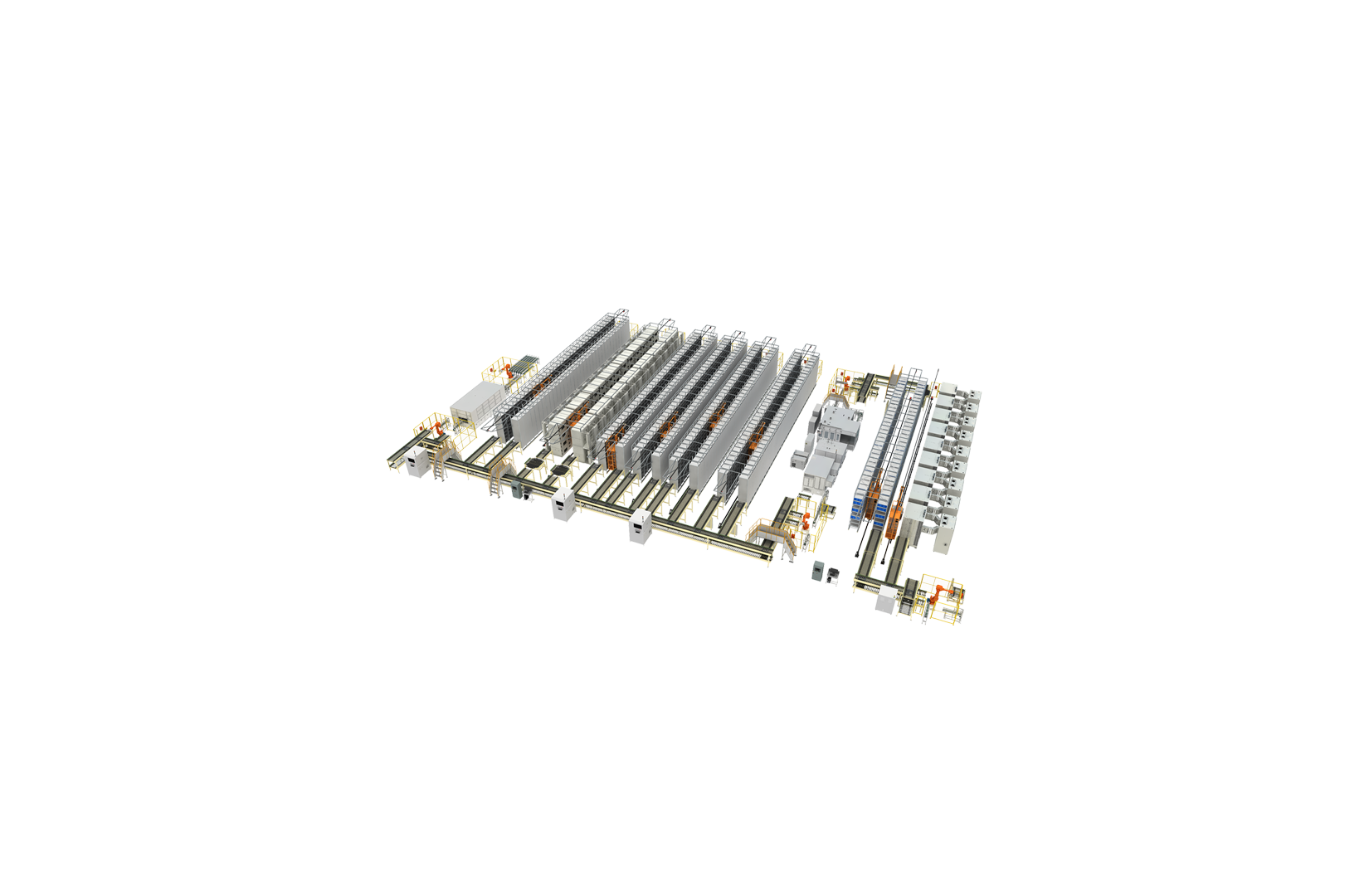
Direct answer time: you fix the build path, not only the pack. That means looking at sensors, line sync, and control loops at every station. It means checking C-rate targets against your calendering and drying profiles. It means seeing how power converters and edge computing nodes shape your process data in real time. Sounds intense, but it’s doable (and kind of fun if you like clean dashboards). So, how do we compare what works and what breaks on a modern line—and why does LiFePO4 change that math? Let’s shift gears.

Under the Hood: Where Old Methods Trip You Up

Where do legacy lines break down?

In li ion battery production, the “more inspectors, more clipboards” fix is a trap. Traditional lines lean on post-process checks and hope the yield rate holds. But defects in slurry mixing and calendering propagate, then show up late at formation—when it’s pricey to scrap. Legacy MES patches help you track, yet they rarely close the loop back to machine setpoints. Look, it’s simpler than you think: if your dryer temp drifts or your web tension slips, you need instant correction, not end-of-shift reports. That’s where many plants stall.

Hidden pain points stack up. Tab welding variance drifts with tool wear, but alerts arrive after a bin fills—funny how that works, right? Line balance issues force buffer stock and sneak in micro-stoppages that kill takt time. The SEI can get inconsistent when drying is uneven, and now formation times creep. Operators get blamed, but control logic is the bottleneck. Without synchronized sensing and feedback, you chase symptoms. The result: slow ramps, rework storms, and a warranty team on edge. You need real-time governance across machines, not just pretty dashboards. And yes, that means rethinking data flow as much as hardware.

lifepo4 lithium battery

What Changes with Smarter Lines

What’s Next

Forward-looking lines apply new principles: instrument the process, then act on it in milliseconds. Machine vision checks electrode edges and welds before they cause downstream chaos. Closed-loop control tunes calendering pressure and dryer profiles on the fly. A digital twin predicts drift and flags it before quality drops. Compared to “inspect and pray,” this setup edits the problem at the source. When LiFePO4 chemistry is in play, thermal stability gives you margin—but only if your controls can use it. That’s the play: pair stable chemistry with smarter control, not just more QC bodies.

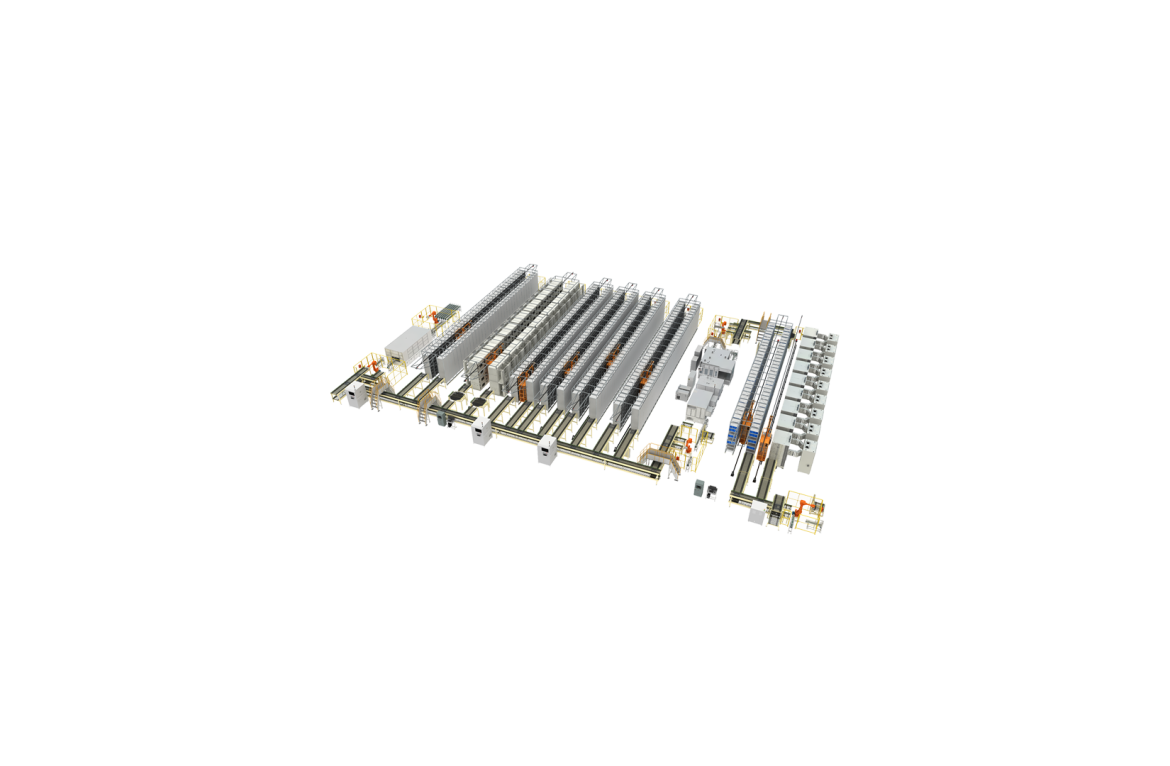
The real-world angle is already here. Plants that push integrated feedback into li ion battery production report faster ramps and steadier first-pass yield, especially during recipe changes. You still get hiccups—no magic wands—but recovery is quicker, and learning sticks across shifts. Advisory close-out: when you’re picking solutions, score them on three things—closed-loop latency from sensor to setpoint; first-pass yield at pilot and during scale-up; and end-to-end traceability that ties any cell back to its exact process window. Nail those, and the throughput vs. quality fight gets a lot less sweaty—funny how that flips, right? For teams mapping the next build, benchmark against partners that live these metrics, including LEAD.

  • 1
  • …
  • 64
  • 65
  • 66
  • 67
  • 68
  • …
  • 82

Recent Posts

  • Custom Heavy-Duty Aquarium Heaters: Brands and Fixes That Actually Hold Up
  • top 3 product sourcing Manufacturers in China You Should Know
  • Cheap Desktop 3D Printer: From Requirements to Final Machine
  • Expert Guide to Choosing an Active RFID Tag with Temperature Sensor
  • Sourcing CNC Prototyping: Cost, Lead Time, and Quality Trade-offs

Recent Comments

No comments to show.

About Me

About Me

Designer

Sed ut perspiciatis unde omnis iste natus sit voluptatem accusantium dolor emque.

Keep in touch

Facebook Twitter Instagram Pinterest Behance Youtube

Popular Posts

  • 1

    Керамический SMD пакет: преимущества и современные технологии

  • 2

    Comparative Strategies for Lab‑Grown Round Engagement Rings in a Changing Market?

  • 3

    Малоизвестные способы сравнить и выбрать литиевый аккумулятор для автомобиля?

  • 4

    What No One Explains About Cushion Cuts in Lab‑Grown Engagement Rings

  • 5

    新時代駕駛方案:發現AION AUTO的秘密

  • 6

    Секрет выносливости аккумуляторов OPzV? Сравнительный взгляд на выбор производителя и подводные камни

Categories

  • App Design (6)
  • Business (172)
  • Global Trade (155)
  • Industry (163)
  • Market (144)
  • Tech (163)
  • UI/UX (7)
  • Web Design (7)
  • Facebook
  • Twitter
  • Instagram
  • Pinterest
  • Behance
  • Youtube
  • Bloglovin
thehitc
  • Home
  • Design Update
  • Business
  • Global Trade
  • Industry
  • Market
  • Tech