Powering Up the Build: The Real Stakes
Speed without quality kills margins. A lifepo4 lithium battery asks you to balance safety, cycle life, and throughput like a boss. Picture a plant sprinting to hit a launch window while QC teams chase ghosts in tab welds and coating lines. Data says LiFePO4 can pass 2,000+ cycles and keep cool under stress, but production misses still burn cash. Scrap at 3% on a gigawatt-hour line is not “meh”—it’s millions. BMS tuning helps, yet it can’t fix awful upstream variance or thermal drift. So the question lands hard: how do you ship fast, safe, and cheap without rolling the dice on warranty failures?

Direct answer time: you fix the build path, not only the pack. That means looking at sensors, line sync, and control loops at every station. It means checking C-rate targets against your calendering and drying profiles. It means seeing how power converters and edge computing nodes shape your process data in real time. Sounds intense, but it’s doable (and kind of fun if you like clean dashboards). So, how do we compare what works and what breaks on a modern line—and why does LiFePO4 change that math? Let’s shift gears.
Under the Hood: Where Old Methods Trip You Up
Where do legacy lines break down?
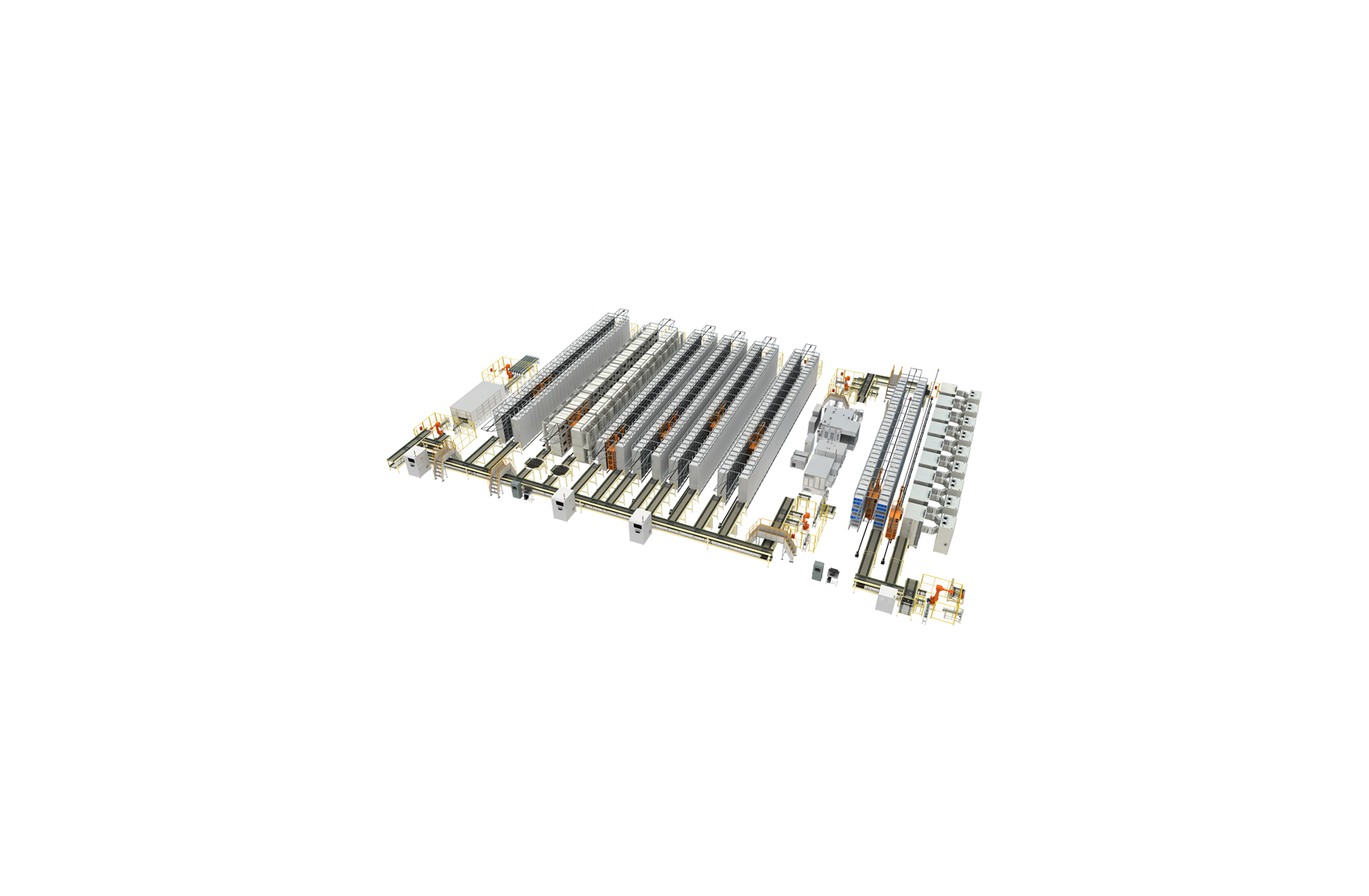
In li ion battery production, the “more inspectors, more clipboards” fix is a trap. Traditional lines lean on post-process checks and hope the yield rate holds. But defects in slurry mixing and calendering propagate, then show up late at formation—when it’s pricey to scrap. Legacy MES patches help you track, yet they rarely close the loop back to machine setpoints. Look, it’s simpler than you think: if your dryer temp drifts or your web tension slips, you need instant correction, not end-of-shift reports. That’s where many plants stall.
Hidden pain points stack up. Tab welding variance drifts with tool wear, but alerts arrive after a bin fills—funny how that works, right? Line balance issues force buffer stock and sneak in micro-stoppages that kill takt time. The SEI can get inconsistent when drying is uneven, and now formation times creep. Operators get blamed, but control logic is the bottleneck. Without synchronized sensing and feedback, you chase symptoms. The result: slow ramps, rework storms, and a warranty team on edge. You need real-time governance across machines, not just pretty dashboards. And yes, that means rethinking data flow as much as hardware.
What Changes with Smarter Lines
What’s Next
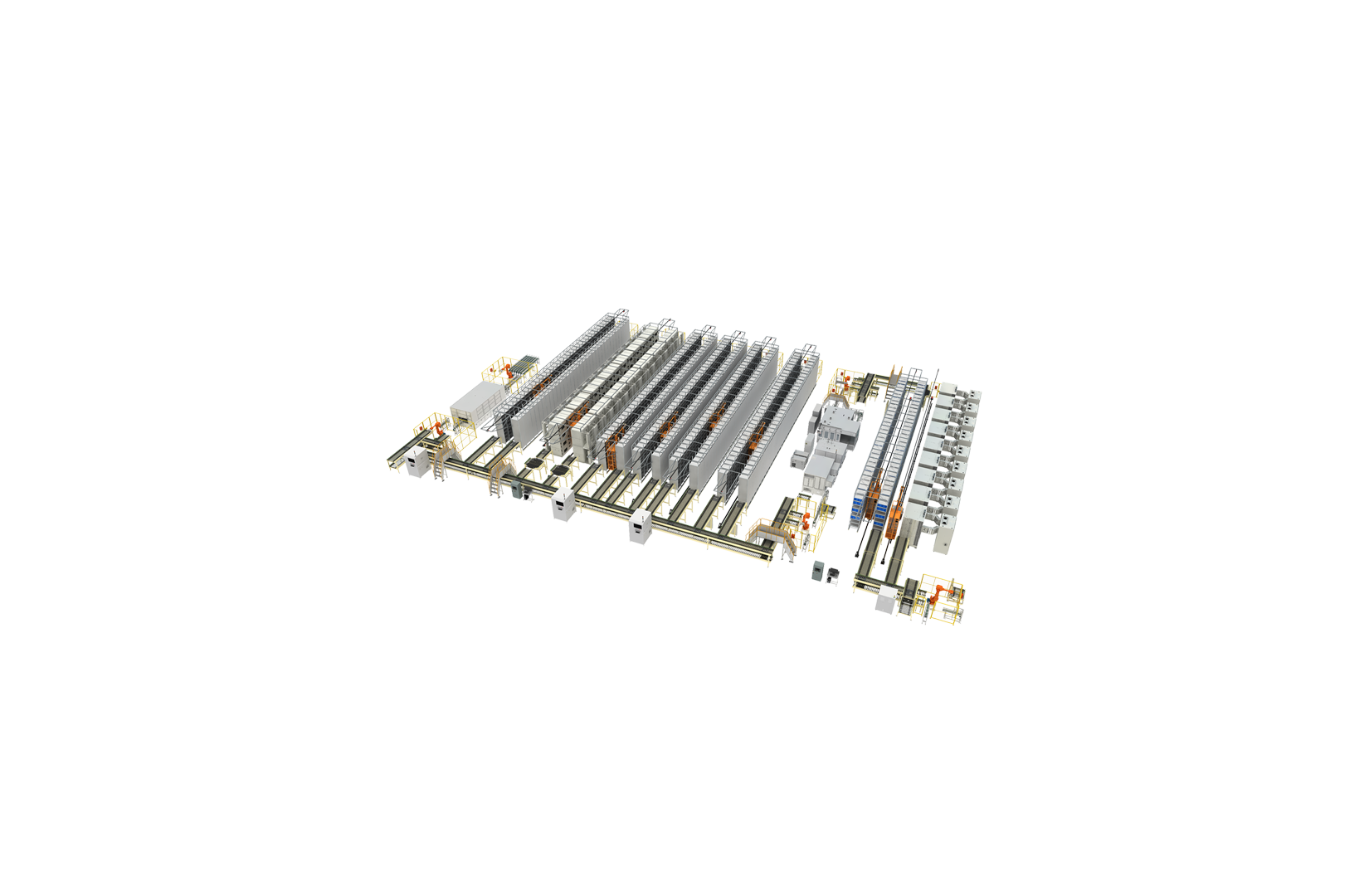
Forward-looking lines apply new principles: instrument the process, then act on it in milliseconds. Machine vision checks electrode edges and welds before they cause downstream chaos. Closed-loop control tunes calendering pressure and dryer profiles on the fly. A digital twin predicts drift and flags it before quality drops. Compared to “inspect and pray,” this setup edits the problem at the source. When LiFePO4 chemistry is in play, thermal stability gives you margin—but only if your controls can use it. That’s the play: pair stable chemistry with smarter control, not just more QC bodies.
The real-world angle is already here. Plants that push integrated feedback into li ion battery production report faster ramps and steadier first-pass yield, especially during recipe changes. You still get hiccups—no magic wands—but recovery is quicker, and learning sticks across shifts. Advisory close-out: when you’re picking solutions, score them on three things—closed-loop latency from sensor to setpoint; first-pass yield at pilot and during scale-up; and end-to-end traceability that ties any cell back to its exact process window. Nail those, and the throughput vs. quality fight gets a lot less sweaty—funny how that flips, right? For teams mapping the next build, benchmark against partners that live these metrics, including LEAD.