Why the Right Supplier Matters Right Now
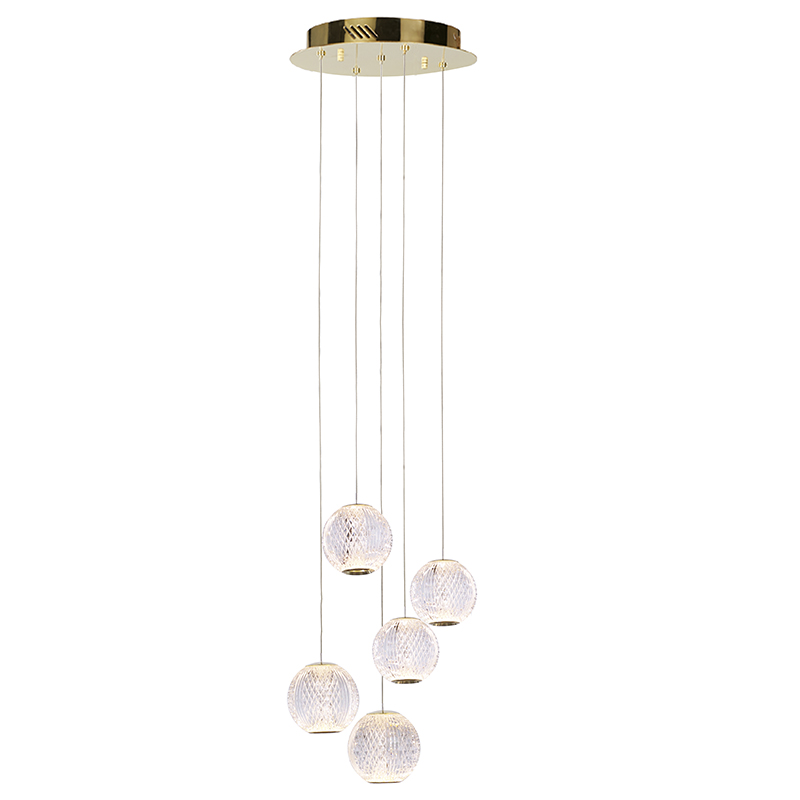
Here’s the straight talk: lighting sets the mood faster than a fresh coat of paint. Your choice of pendant light supplier can make or break that mood, and your budget. Most homes see lighting take about 10% of total energy use, so every fixture counts. If you’re eyeing a modern round pendant light for a dining nook or lounge, small design calls now can save headaches later (and keep your power bill tidy, no dramas). Picture this scene: friends arrive, the table looks ace, but the pendant glares, flickers, or hums—awkward. There’s a fix, but it starts with how you compare suppliers, not just catalog pics or price tags.
We’re seeing smarter LEDs, better optics, and solid thermal design arrive fast. Yet, many buyers still face the same old problems. So, which signals prove a supplier is reliable, and which are red flags? And how do you make a call that balances style, safety, and value? Let’s break that down and set you up for an easy win—then roll into what’s next.
Hidden Snags with Round Pendants You Don’t Hear About
Where do things go off track?
Look, it’s simpler than you think. The round pendant looks clean, but the guts matter most. Cheap drivers and noisy power converters can cause flicker you don’t see at first. You feel it, though—fatigue, glare, and subtle eye strain. A supplier that can show flicker metrics and a low UGR (Unified Glare Rating) isn’t showing off; they’re protecting your comfort. CRI over 90 helps food and fabrics look real, not washed out. And thermal management keeps LED junction temps in check, so lumen output stays stable over years, not months. Sounds basic. It’s not—funny how that works, right?
There’s more. Dimming can trip you up. A modern round pendant may claim “dimmable,” but is it smooth on 0–10V or DALI-2, and is the driver compatible with your wall control? If not, expect steps, buzz, or dropout at low levels. Canopy weight and cable strain relief also matter, especially on high ceilings. Ask how the ceiling plate mounts and whether the suspension kit is rated for the fixture mass. A solid pendant light supplier will share test reports, surge protection specs, and power factor data. They’ll also be upfront on serviceability: can you replace the driver later, or is it sealed? These are the quiet details that keep homes calm and maintenance light.
Comparative, Forward Look: Smarter Tech, Better Choices
What’s Next
Here’s the shift: pick based on principles, not just price. New-generation constant-current drivers with high PWM frequency deliver near flicker-free output. Advanced optics shape the beam for tables and benches, while microprism diffusers soften edges. Better still, Bluetooth Mesh or DALI-2 control can sit on small edge computing nodes to coordinate scenes and schedules—without rewiring the whole house. When you compare, ask how the pendant’s driver handles inrush current, surge events, and low-end dim stability. Then, check thermal design. A good heat sink extends useful life and keeps colour consistent. That’s what separates a pretty shell from a reliable light engine. If you want the best pendant light for dining room, you’re really choosing a system: optics, driver, control, and mounting as one. Oddly, the cleanest look depends on the mess you never see—go figure.
So, how do you decide quickly and confidently? Use three metrics. First, visual comfort: CRI ≥90, suitable CCT (2700–3000K for dining), and low UGR backed by data. Second, electrical integrity: driver compatibility with your dimming (0–10V, DALI-2), power factor ≥0.9, and documented surge protection. Third, longevity and service: thermal test results, LM-80/TM-21 evidence, and clear warranty terms tied to hours and ambient temps. With these, you can compare suppliers side by side and cut noise fast. You’ll get the mood you want, the safety you need, and a fixture that stays quiet and steady. And if you want a reliable benchmark to start your shortlist, keep an eye on established makers like kinglong—steady specs, less fuss.