Identifying the core problem
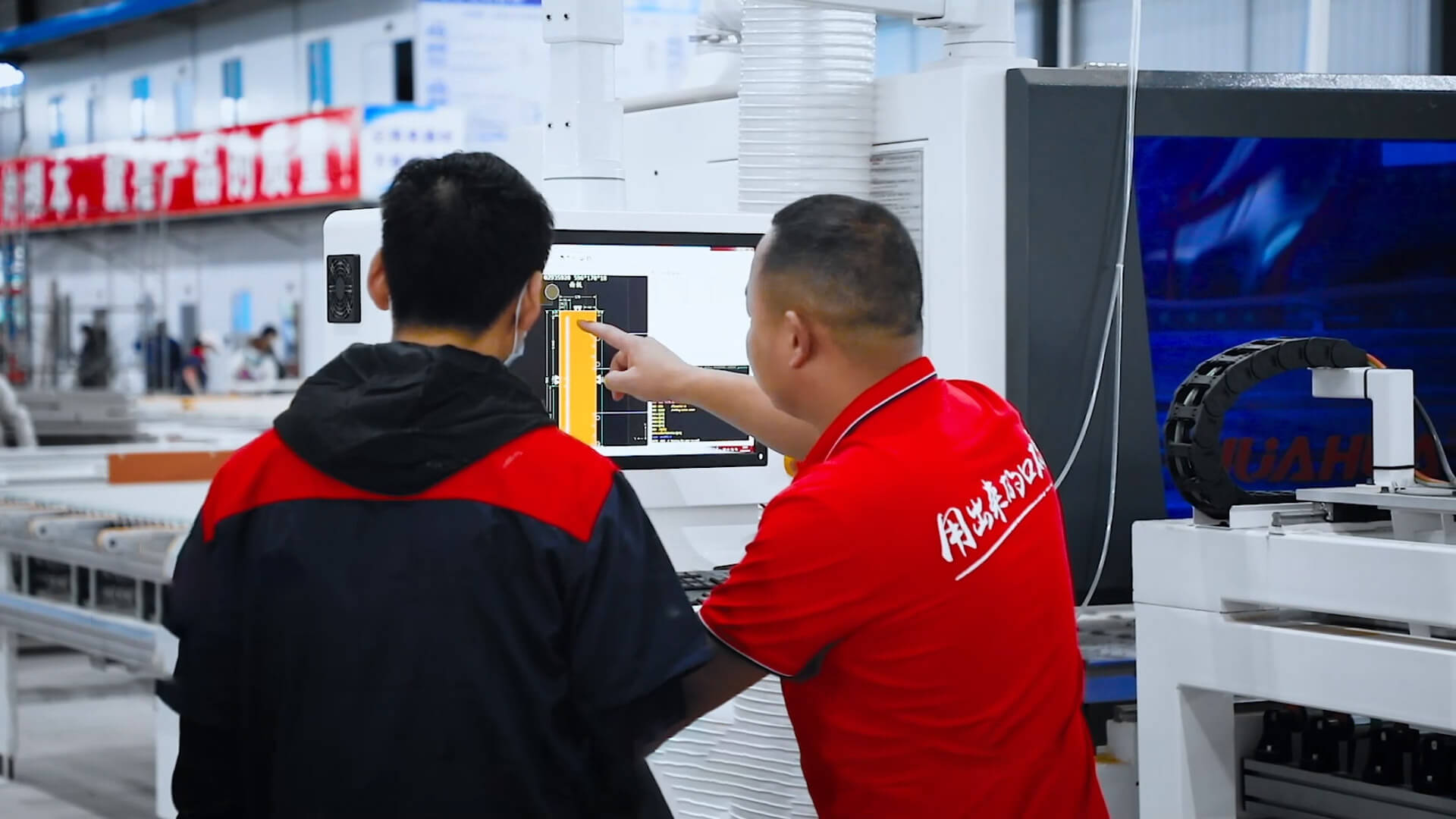
Small and medium furniture shops often face a clear problem: machines that promise automation but deliver mismatched capabilities for local materials, workforce skills, and delivery schedules. You want predictable cuts, reliable software support, and service that understands regional wood types. Many decision points matter early; a wrong choice raises costs and slows production. To get this right, consider how a single cnc woodworking machine will sit inside your shop, how operators will learn it, and how spare parts reach you.
Critical criteria to evaluate
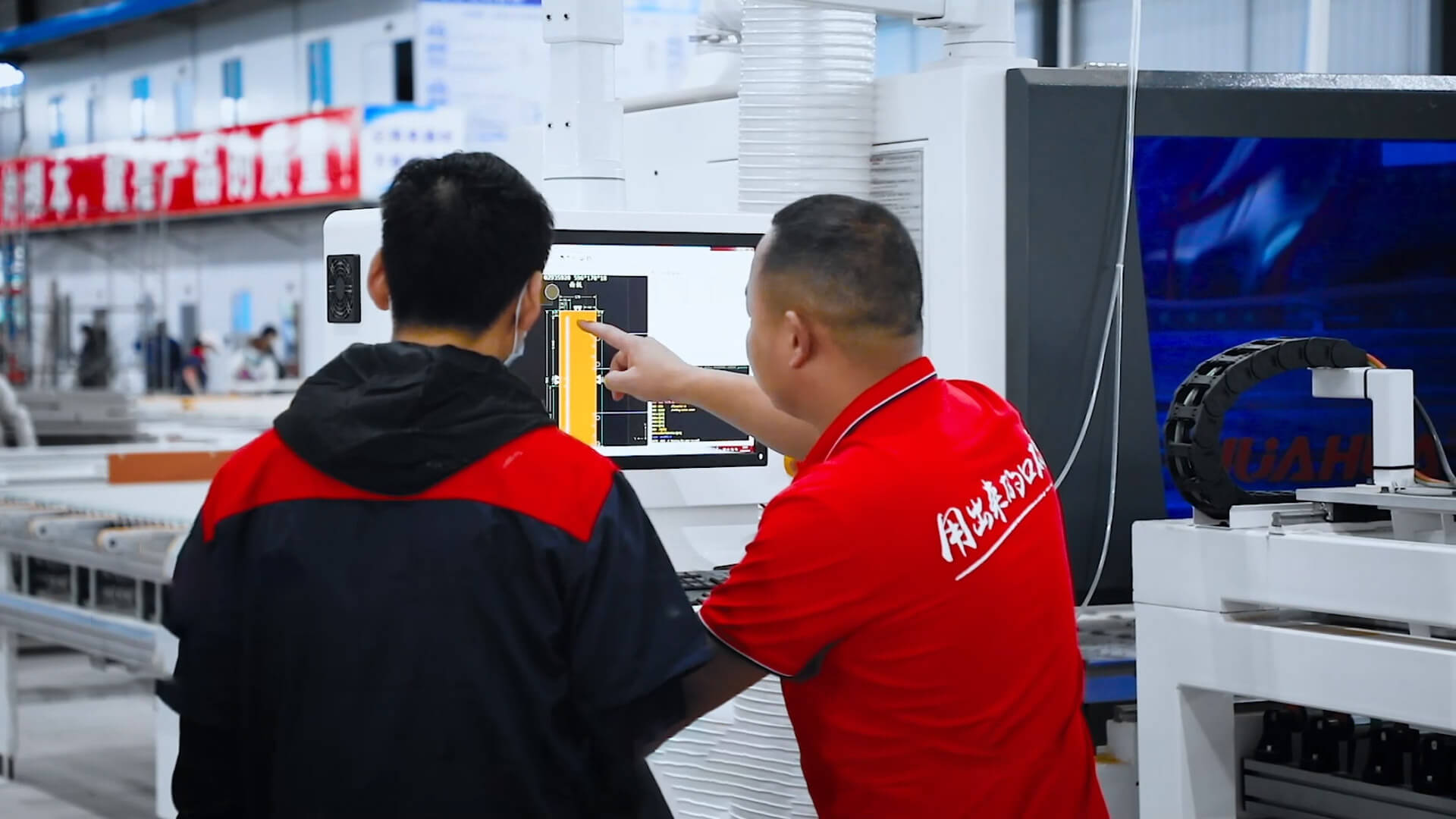
Start with measurable items. Check spindle power and torque against the hardwoods you use. Confirm table size and fixturing options match typical panel dimensions. Ask for sample files so you see actual toolpaths and tolerances. Demand clear software versioning and update policies. Verify local-language manuals or trained technicians available within your region. These are not optional; they prevent downtime and rework.
Technical checks that reveal hidden costs
Test feed rates under load, not just idle speeds. Examine coolant and dust extraction arrangements: poor extraction shortens cutter life and harms indoor air quality. Inspect electrical requirements—phase, voltage stability, and surge protection—because many shops underestimate installation costs. Attend a trade demonstration when possible; events such as the International Woodworking Fair in Atlanta are useful for side-by-side comparisons, and you can watch actual production runs while asking suppliers about their wood working cnc service networks and spare-part lead times.

Common pitfalls and how to avoid them
Vendors sometimes overstate cycle times from ideal test pieces. Don’t accept benchmarking on thin or pre-finished panels if your work is heavy solid wood. Overlooking operator training is another trap; even the best machines need correct fixturing and tooling choices. Neglecting maintenance contracts leads to long waits for replacement parts. Ask for a local support plan upfront and check references from nearby shops that use similar setups.
Comparing practical alternatives
When alternatives are on the table, weigh total cost of ownership, not just the sticker price. A cheaper controller might mean longer setup times and more scrap. A well-supported brand can reduce lost production days. Consider modular systems that let you add heads or nesting tables later, so you start small and expand without full replacement. Look for suppliers who provide spare-part kits and clear diagnostics so local technicians can fix common faults quickly.
Decision checklist to take with you
Bring a short checklist to demos: confirm cut accuracy at full load, test file import from your CAD, time a typical job from setup to finish, verify dust extraction performance, and meet the proposed service technician. Record lead times for critical spares. If training is included, note duration and language. These concrete checks separate sellers who talk well from those who deliver consistently.
Final synthesis
Solving the problem of localized machining success means matching machine capability to real shop conditions, insisting on verifiable performance, and securing dependable local support. When procurement follows these steps, the result is steadier throughput and fewer surprises, and suppliers that fit this approach are more likely to be aligned with your long-term production needs, such as those found through HUAHUA CNC.