Opening: why the question matters now
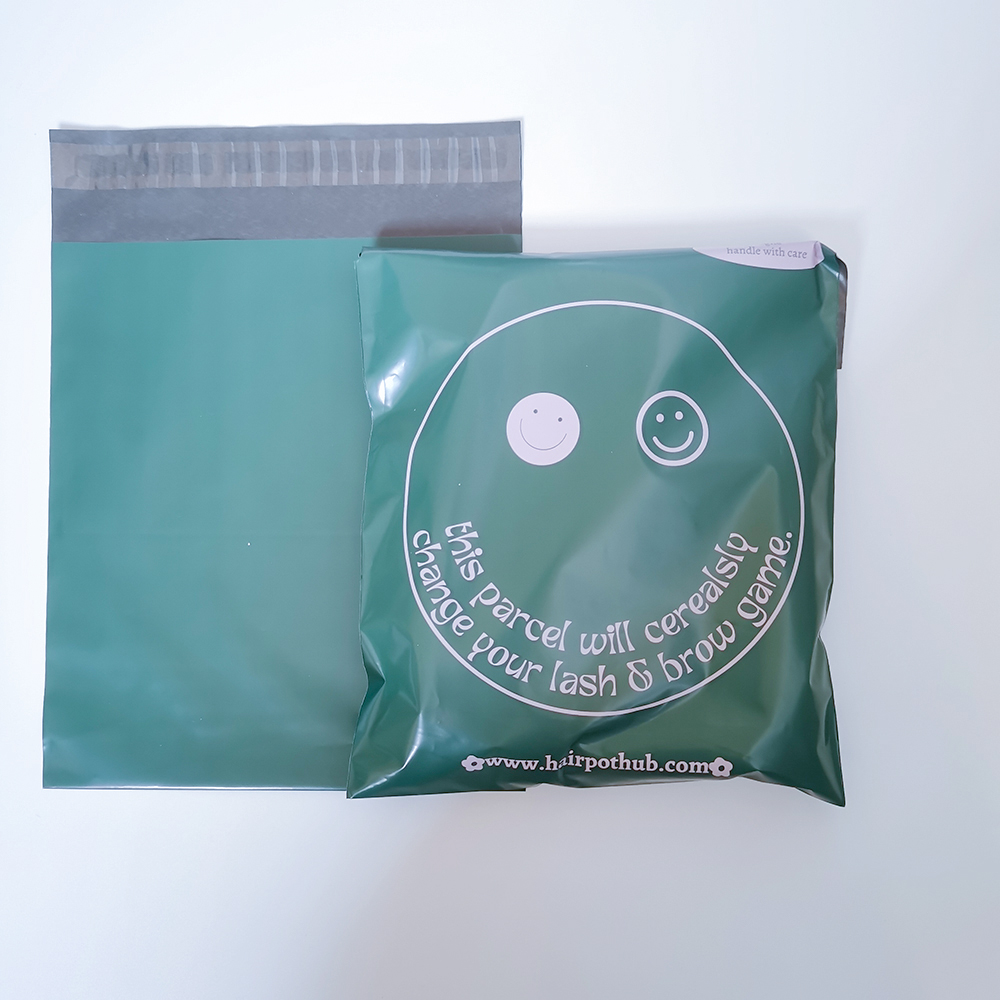
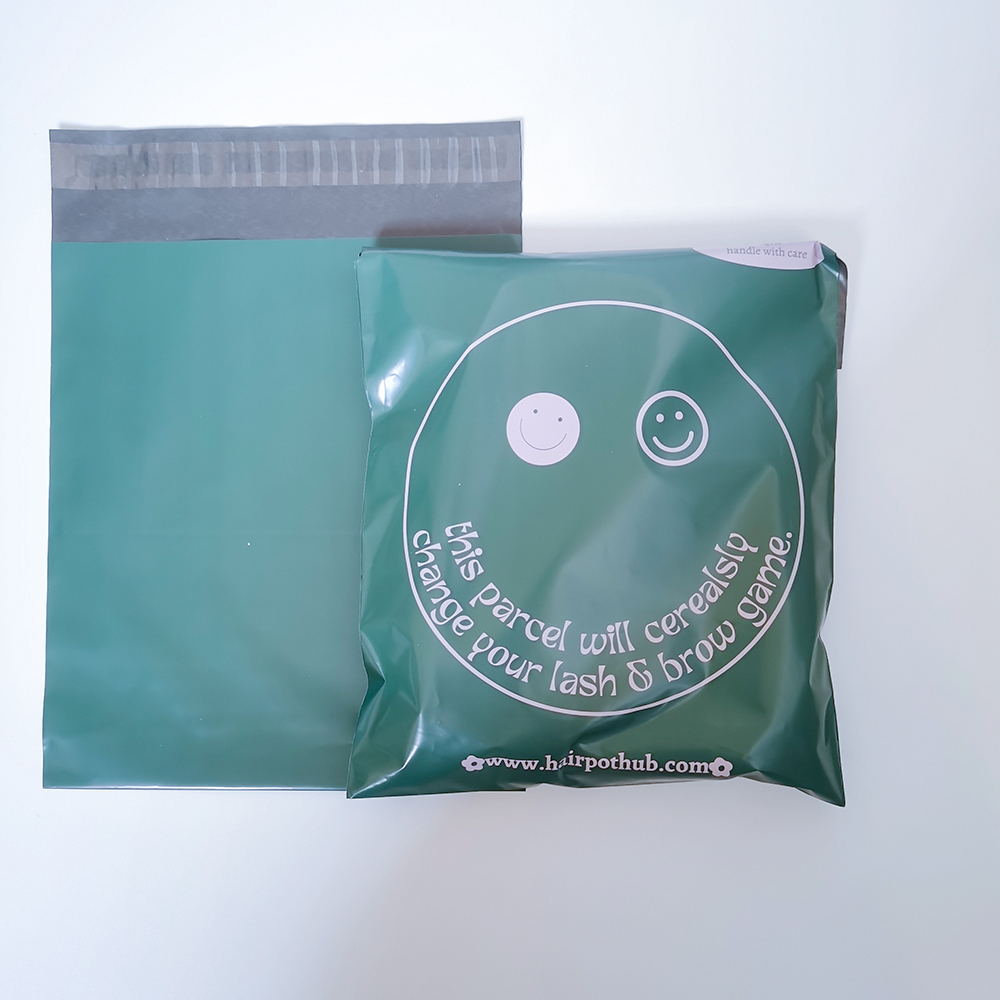
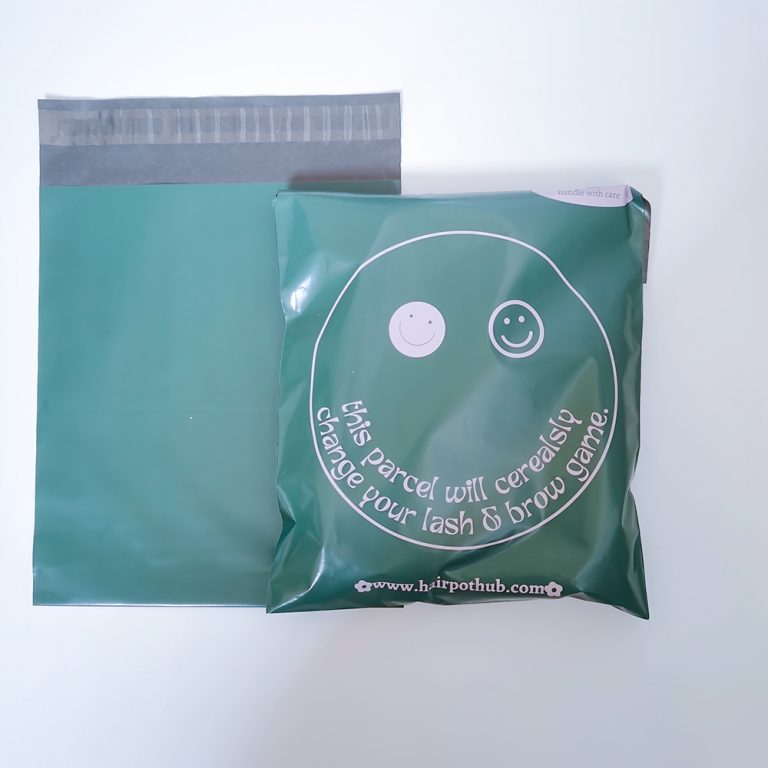
When brands ask “how much carbon can we really save by buying locally?” they want numbers, not slogans — and rightly so. A data-driven look at sourcing localized bulk custom printed poly mailers shows trade-offs between transport emissions, manufacturing footprint, and material choice. In many cases switching to regionally produced printed shipping bags reduces long-distance freight and shortens lead times — which matters after shocks like the Ever Given Suez Canal blockage in 2021 made clear how fragile global routes are. This article uses straightforward metrics to help you evaluate whether local sourcing of eco-friendly shipping bags delivers measurable carbon reductions for your business.
Which data points actually move the needle
Start with three primary measures: embodied carbon (kg CO2e per unit), transport emissions per shipment (kg CO2e per tonne-km), and total landed lead time (days). Combine those in a simple life-cycle perspective: material production + conversion + transport + disposal. Use basic industry terms — MOQ, PCR content, and LCA — to keep discussions precise. For example, PCR (post-consumer recycled) content often lowers embodied carbon but can change cost and tooling needs; MQOs influence whether local runs are economically feasible.
Real-world anchor: what happened when routes failed
The 2021 Suez disruption is a handy real-world anchor: companies that already sourced some packaging regionally avoided weeks of delay and rerouted freight costs. Brands with localized vendors could prioritize shorter road transport and smaller emissions spikes. That event didn’t invent the problem, but it made the carbon and resilience benefits of local sourcing hard to ignore — especially for teams balancing sustainability targets and fill-line schedules.
Modeling scenarios: local vs. offshore — the simple math
Build three scenarios for your SKU: 1) Offshore low-cost production with sea freight, 2) Nearshore regional production by truck, 3) Local domestic manufacture. Estimate embodied carbon (supplier data or LCA proxies), then add transport using standard values for sea vs. road. Even simple approximations show patterns: sea freight is efficient per tonne-km but long distances add up; trucking shorter legs can beat sea when you factor in fewer transshipments and lower air-freight fallback risk. Don’t forget return logistics for returns and waste — they add to lifetime emissions.
Industry realities: when local makes sense, and when it doesn’t
Local sourcing tends to win when: you need small-to-medium runs, your MOQ is low, or your product requires frequent design updates. It also helps when PCR or compostable materials are easier to source regionally. Offshore sourcing often beats on unit cost when demand is very high and tooling amortization matters. But — and this is important — true “eco-friendly” claims depend on verified material data and honest accounting of transport modes. Greenwashed numbers help no one.
Common pitfalls brands stumble into
Brands often assume “local = lower carbon” without checking manufacturing efficiency, energy source, or material origin. A local factory running on coal-powered grids could produce higher embodied carbon than an offshore plant using renewables. Another trap: ignoring MOQ and supply flexibility; smaller brands sometimes pay heavy premium when switching to local partners without renegotiating packaging specs. Finally, many skip simple trials that confirm closure fit and print quality — and that leads to rework and extra shipments.
Practical steps to measure and act
1) Request supplier LCA or embodied carbon data for your specific bag construction (film weight, lamination, inks). 2) Model transport emissions using origin-destination distances and typical modes (sea, road, air). 3) Run a pilot order to validate lead time, fit, and print accuracy before committing to full runs. Keep the metrics simple and repeatable: CO2e per 1,000 units, lead time variance, and per-unit cost including tooling or plate fees.
Comparing material choices — a quick primer
Polyethylene mailers with high PCR content often reduce embodied carbon versus virgin film. Compostable films may lower landfill impact but can require different disposal streams and often cost more. Laminated multi-layer structures improve barrier performance but complicate recycling. Think in terms of “function-per-CO2” — what environmental service does the bag provide per unit of carbon emitted — and choose materials that match your recycling infrastructure.
How to avoid the measurement paralysis
Start small and iterate. Use a dashboard with three KPIs: CO2e per unit, average lead time, and rejected-rate after first-article approval. Set a simple threshold for action — for example, a ≥15% CO2e reduction or a lead-time improvement of ≥30% — and let those thresholds guide supplier selection. Remember: accuracy matters, but timeliness matters too. Over-modeling can stall implementation.
Advisory: three golden rules for selecting local eco-friendly suppliers
1) Validate embodied carbon with supplier LCA or third-party data — don’t accept generic claims. 2) Test with your actual logistics and filling line — a supplier that can match format, print, and closure tolerances reduces rework. 3) Use total-cost-of-ownership, including potential savings from lower air-freight fallback and shorter lead times, not just unit price. These rules keep decisions measurable and defensible — and they point you toward partners who deliver both sustainability and reliability.
For many brands that want practical, verifiable improvements while keeping operations predictable, this is where WH Packing naturally fits: they combine regional production options, material choices with PCR content, and clear specs so you can measure carbon and cost without guesswork. WH Packing understands the balance between sustainability and supply reliability. —