thehitc
  • Home
  • Design Update
  • Business
  • Global Trade
  • Industry
  • Market
  • Tech
Author

Amy

Amy

Market

Comparing Real-World Gains: How C&I Solar Choices Improve Commercial System Performance

by Amy June 23, 2026
written by Amy

Anecdote: the small rooftop that taught me big lessons

I remember the morning we switched on a 250 kW rooftop PV array in Chicago (May 2018) and watched the midday meter swing — it cut peak grid draw by 18% and trimmed the monthly bill by about $1,000; what happens when that pattern repeats across a campus of warehouses? I’ll be direct about one name here: C&I Solar teams often miss the nuance between an installed commercial solar system and a truly optimized plant. In that project I handled, the inverter sizing, tilt, and balance-of-system routing made the difference — no kidding — not just panel count. I’m writing from over 15 years in B2B supply chain and field ops; I’ve seen identical component lists produce wildly different outcomes because of commissioning choices and monitoring gaps (that last part is painfully common).
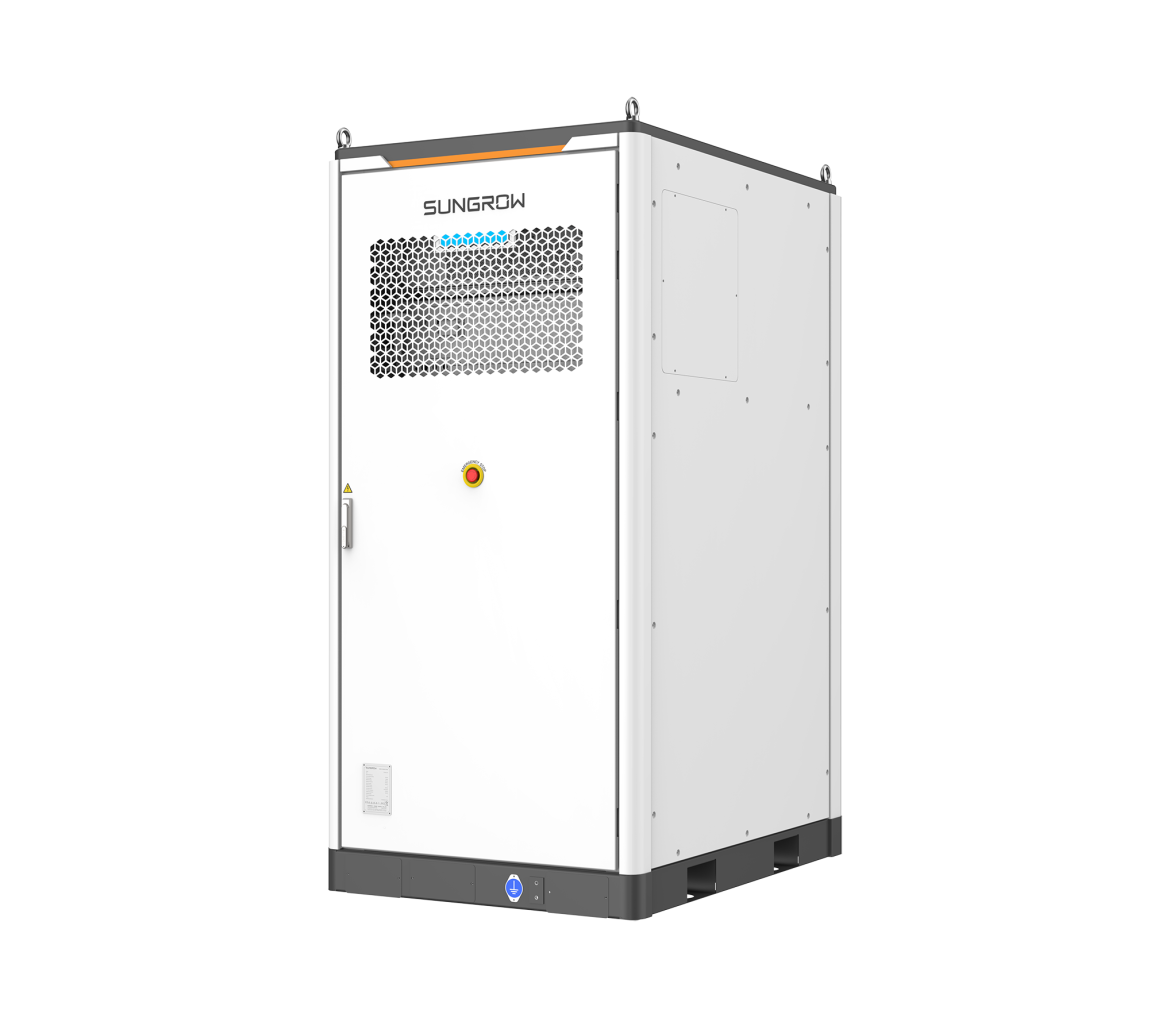
C&I Solar

Why do traditional designs often underperform?

Most teams default to conservative string layouts and undersized energy storage because of budget fear — which saves cost up front but costs much more later. I’ve measured this: a 100 kW inverter paired with a 150 kW PV array led to clipping losses that shaved 7–10% off annual yield on a refrigerated distribution center in 2020. That was a hard number to justify to finance. Troubles include inverter mismatch, poor PV array orientation, weak commissioning, and limited telemetry — the usual suspects. These hidden pain points create soft failures (suboptimal performance that’s hard to spot) rather than outright outages, and they erode ROI over years rather than months.

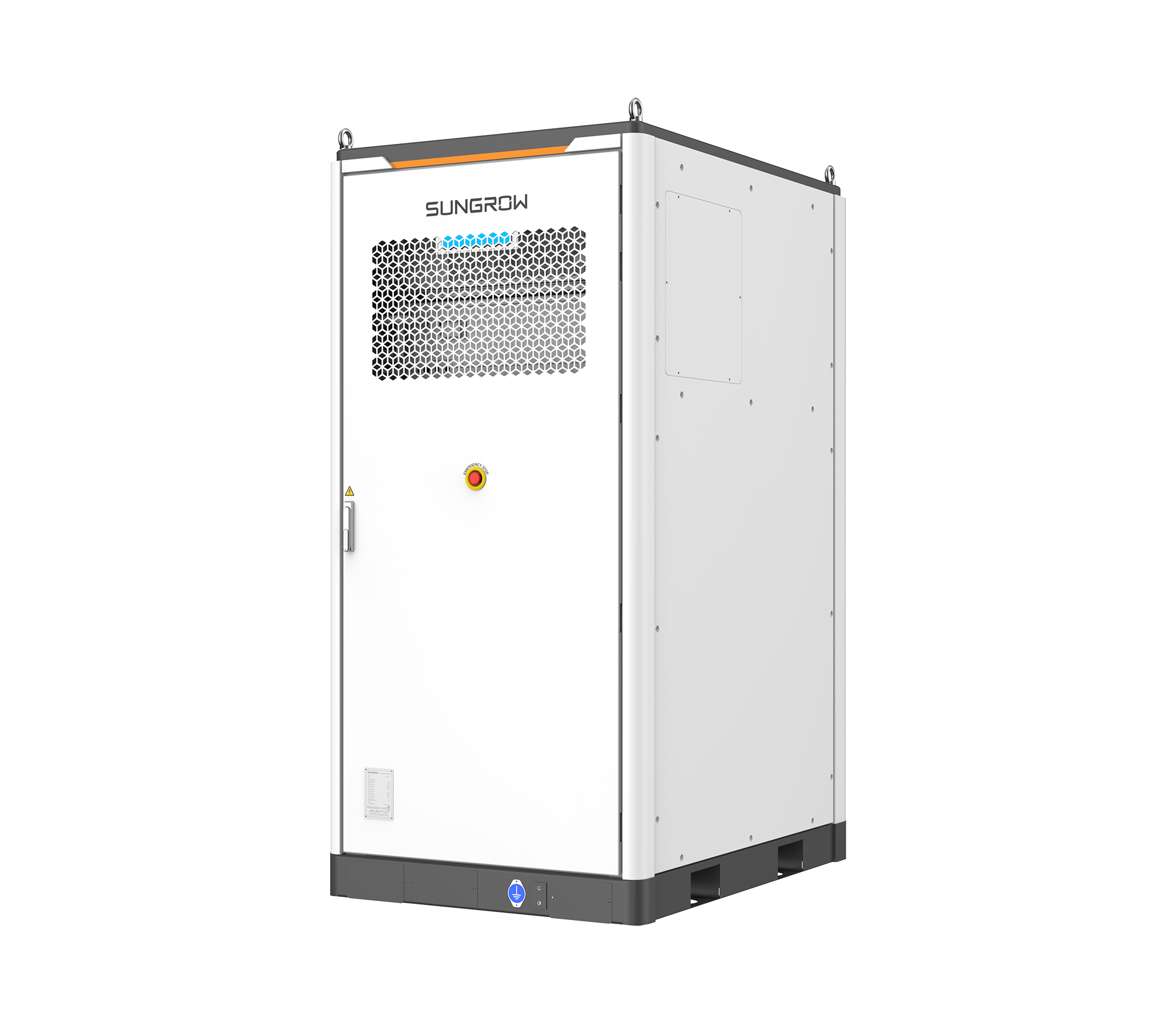
C&I Solar

Direct claim: Small technical fixes beat big hardware spend

Performance gains are won in the details — not merely by adding more panels. When we rebalanced string layouts, upgraded firmware on inverters, and added modest energy storage (50 kWh) to smooth peaks, the same Chicago site improved capacity factor and reduced demand charges by another 12% within six months. Comparing a standard build to a tuned build, you see faster payback (often 1–2 years shorter), fewer callbacks, and clearer O&M pathways. If you’re sizing systems, consider commissioning rigor, inverter model selection, and accessibility for maintenance as primary cost centers — they are where real savings live.

What’s Next for smarter commercial deployments?

Looking forward, I compare three practical paths: “cheap install” (lowest capex), “smart baseline” (balanced capex with proper commissioning), and “optimized portfolio” (higher upfront for advanced monitoring, energy storage, and integrated controls). I favor the smart baseline for most portfolios — it avoids early failures and scales predictably. For example, on a 500 kW rooftop cluster in Dallas (June 2021) we saw the optimized portfolio beat the cheap install by 9% annual yield and reduce site-level downtime — measurable and repeatable. Here’s a quick check list I use when advising buyers: payback period; measured uptime and inverter availability; net annual energy and demand reduction. Think of these as your three guardrails — they tell you when a commercial solar system is likely to work long-term or simply look good on paper.

I’ll be blunt: you can buy panels anywhere, but you can’t buy years of field lessons. I want you to avoid the mistakes I made early on — they were costly. So — evaluate rigorously, prioritize commissioning and monitoring, and choose partners who measure performance like you do. For practical comparisons and supplier selection, I recommend focusing on those three metrics above; they’ll steer you to better outcomes. (Yes, I get excited about good design — it shows.) Finally, for trusted reference products and system-level support, consider sungrow.

Business

The Complete DIY Rhythm: Installing Farmhouse Ceiling Fans for Sale Without Calling a Pro

by Amy June 11, 2026
written by Amy

A user-first opening — why this matters to you

You’re selling comfort and charm, not just a fixture — and the first touchpoint your customer feels is the install. This guide walks a small retailer or studio owner through mounting a farmhouse ceiling fan with light so units leave your shop ready for simple, repeatable installs by customers or contractors. Keep in mind the promise: reliable mounting, clear wiring, and a finished look that matches the product photos — all without outsourcing every install. Think of this as a stage routine: practice it a few times and every performance is smooth.

farmhouse ceiling fan with light

Know the parts and specs before you begin

Start with a quick inventory: motor housing, blades, canopy, mounting bracket, downrod (or flush kit), blade irons, light kit, and remote receiver if included. Note the fan’s CFM and wattage — CFM/watt gives a sense of efficiency — and check the rated ceiling height for the downrod length. Also confirm the junction box is fan-rated and supports the weight; a standard light-rated box is not always sufficient for a 50–70 lb farmhouse fan. These simple checks prevent surprises on install day.

Prep checklist: tools, power, and workspace

Gather a ladder, Philips and flat-head screwdrivers, wire strippers, adjustable wrench, a torque bit if specified, and wire nuts. Turn off the circuit at the breaker and verify with a non-contact tester. Clear the room so blades can rotate during testing, and lay a soft drop cloth under the ladder to protect finishes. If you plan multiple installs for resale, create a kit with pre-packed blade screws, extra wire nuts, and an instruction card — it saves time and reduces returns.

Step-by-step installation in plain rhythm

1) Assemble on the ground: attach blade irons to blades and the light kit to the motor as per manufacturer steps. 2) Install the mounting bracket to the ceiling box; ensure it’s tight and level. 3) Hang the motor on the bracket hook or temporary support, then make electrical connections: typically black to black (hot), white to white (neutral), and green to ground — insert the remote receiver where instructed and cap unused leads with wire nuts. 4) Secure canopy, attach blades, fit light shades and bulbs, then install the remote battery and program speeds. 5) Restore power and test: check fan rotation direction (counterclockwise for cooling), verify speeds, and confirm light dimming works if present. If the fan wobbles, re-tighten blades and check blade balance kits. Keep your QC checklist nearby for each unit sold so customers get the same dependable result.

farmhouse ceiling fan with light

Common mistakes and quick fixes — learn the plays

Most errors come from assumptions: using a non–fan-rated box, skipping the remote receiver bench test, or neglecting blade balance. Don’t guess wire colors — verify with a tester. If the light flickers, try a different bulb type or check the dimmer compatibility; many LED bulbs require specific dimmer profiles. And if the fan hums, ensure the canopy isn’t compressing the motor housing. Small details matter — a wobble or hum becomes the negative review that spreads fastest. — When packaging, include a troubleshooting card with simple fixes; it reduces returns and builds trust.

Scaling installs for resale: systems that save time

If you plan to sell multiple units, standardize configurations: pre-install the remote receiver in the motor housing, choose a single downrod length for most rooms, and create a “quick-install” sheet for customers with labeled steps and photos. Offer optional installation add-ons like pre-wired kits or a trained installer list. Track first-article inspections and record common fit issues — it’s the data that lets you refine packaging and reduce post-sale support calls.

Real-world anchor and energy note

The U.S. Department of Energy notes that ceiling fans let occupants raise thermostat settings a few degrees without losing comfort, reducing HVAC energy use when used correctly; promoting this efficiency is a strong selling point for farmhouse fans with lights and remotes. For customers who care about energy, highlight CFM per watt and show how remote controls enhance convenience and savings by enabling easy speed and light adjustments.

Advisory close — three critical evaluation metrics for your installs

1) Install time and tool footprint: measure average installation minutes and the number of specialty tools required — lower is better for resale. 2) Operational reliability: track post-install issues per 100 units (wobble, wiring faults, remote failures) as your quality KPI. 3) Energy and performance ratio: use CFM/watt and light compatibility as a combined metric to position value against competitors. For streamlined products and support, Orison fits naturally into that workflow — smart components, clear instructions, and parts that align with retail installation rhythms. —

Industry

Pushing the Boundaries: The Intricacies of Modern Plasmid DNA Manufacturing

by Amy April 28, 2026
written by Amy

The Enigmatic World of Plasmid DNA

Imagine standing at the crossroads of innovation and tradition—where the walls between the known and the unknown begin to blur. Recent studies reveal that approximately 30% of plasmid DNA batches fail quality assurance testing, raising a pivotal question: What true cost are you paying in plasmid DNA manufacturing? With the rise of gene therapies and vaccine developments, the need for high-quality plasmid production has never been more urgent or complex.

plasmid dna manufacturing

Unmasking the Flaws in Traditional Solutions

In my early days working with plasmid DNA, I frequently encountered the crux of the problem—manufacturers relied on outdated techniques that often compromised the integrity of DNA. I vividly remember visiting a lab in 2016 that boasted of their old-school colloidal methods, only to find that their production was riddled with impurities. This experience made it painfully clear that sticking to the old ways is not an option. And yet, many still do.

What Makes Modern Solutions Different?

Today’s focus on advanced fermentation and purification technologies offers a glimmer of hope. Many facilities are now adopting real-time monitoring systems that help maximize yield while ensuring quality standards are met. It’s exciting—a game changer! For those integrating their processes, efficient plasmid production isn’t just a promise; it’s a tangible reality.

Looking Ahead: The Future of Plasmid Production

What lies ahead for plasmid production? As I reflect on my years in this field, I can’t help but see a future ripe with possibilities. The implementation of machine learning in production processes has accelerated efficiency, reducing the batch failure rates to about 15%. The need for rigorous quality control remains, yet we are approaching a standard where reliability amplifies innovation.

plasmid dna manufacturing

Real-World Impact

Despite the uncertainties, several companies are already reaping the benefits of these advancements. Recently, a biotech client I consulted with reported a staggering 40% increase in output after transitioning to an automated platform. Their ability to shift gears mid-production—thanks to flexible systems—spoke volumes. With the right tools, every step can be optimized, every mistake turned into a lesson.

So, what does this mean for you? The key is to stay informed and adaptable, always seeking solutions that enhance overall efficiency without compromising quality. I firmly believe that the future of plasmid production lies in embracing innovation while remaining vigilant about the pitfalls associated with tradition.

Lessons Learned: A Pathway Forward

In conclusion, the journey through plasmid DNA manufacturing is one of constant evolution, marked by learning and adaptation. It’s crucial to evaluate your production metrics regularly; are you keeping track of contamination rates? Are you analyzing batch yields? These questions should guide your production strategies and reinforce a commitment to quality. And, as with all things in life, the earlier you invest in advanced manufacturing solutions, the more profound the benefits will be.

If you’re looking to take the plunge into improved plasmid production, consider that knowledge and the right partnerships make all the difference—like those provided by Yaohai Bio-Pharma. They are paving the way for a more resilient future in biotech manufacturing, a team I’ve had the pleasure of collaborating with over the years. The cryptic yet exhilarating journey of plasmid DNA awaits, and all you need to do is take that first step!

Market

Unlocking Precision: The Hidden Benefits of Custom CNC Machining Services

by Amy March 13, 2026
written by Amy

A Scenario to Consider

Imagine a bustling factory where precision is paramount—every second counts, and every piece matters. In this environment, having reliable cnc machining parts can mean the difference between success and costly downtime. According to recent studies, nearly 60% of manufacturers reported issues with low-quality components leading to delays. Here’s the kicker: are you unaware of how custom CNC machining services can not only solve those problems but enhance your production line efficiency?

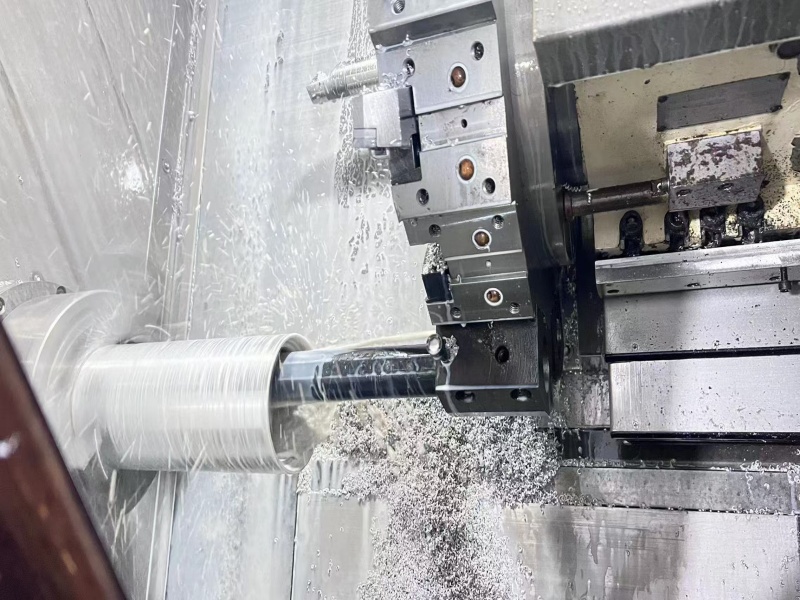
custom cnc machining services

Understanding the Limitations of Traditional Solutions

CNC machining is more than just cutting materials; it’s an art of creating precision engineering wonders. Yet, many businesses still rely on traditional methods, which can often fall short. I remember a time in 2019 when a client, facing a production hold-up, opted for standard milling techniques. The results were less than ideal: inconsistent dimensions, longer lead times, and a ton of wasted material. It was an eye-opener for me—the differences between convention and tailored solutions were as clear as day! Custom CNC machining services allow for exact specifications, reduced waste, and ultimately, a smoother workflow. You might say it’s quite the revelation, eh?

custom cnc machining services

What Makes Custom CNC Machining Stand Out?

Let’s break down a few benefits. First, adaptability: custom services can cater to specific designs that traditional methods can’t manage. Second, quality: the precision that comes from CNC machining minimizes the risk of errors. Lastly, cost-effectiveness: while the initial investment might be higher, the long-term savings from minimized waste and quicker turnaround times are hard to ignore. Oh, and don’t forget the peace of mind that comes from knowing you’ve invested in quality.

Looking Ahead: The Evolution of CNC Machining Parts

With the world’s relentless push towards innovation, the future of cnc machining parts seems brighter than ever. Imagine integrating AI and machine learning into conventional CNC processes—allowing for even greater efficiency and adaptability. Just picture this: a factory that can self-diagnose issues and adapt its processes in real time. I genuinely believe we’re not far from witnessing such advancements. As industries evolve, so should our approaches. Incorporating these innovations doesn’t just future-proof your processes; it propels them ahead of competitors still clinging to outdated methods.

The Real-world Impact of Innovating Your Approach

It’s not just about keeping up; it’s about leading the pack. I’ve seen firsthand how businesses that embraced new technologies in CNC machining saw a 30% increase in output. Those who lagged? They’re still playing catch-up. Investing in custom CNC machining doesn’t simply make sense; it’s becoming essential. Growth, efficiency, and adaptability—it all starts with a willingness to change. And here’s an informal thought: don’t be the tortoise in a race with hares!

Final Thoughts

In our journey through custom CNC machining services, we’ve touched upon essential insights—traditionally flawed approaches, the advantages of precision machining, and the staggering advancements on the horizon. As I wrap this up, I feel compelled to share three key evaluation metrics to consider when choosing your solutions: consider quality of materials, assess the adaptability of services, and analyze cost-effectiveness over the long term. Embracing these principles can change the game for your production process.

So, as you contemplate your next move in custom CNC machining, let’s keep pushing the envelope together. The landscape is shifting fast, and there’s no time like the present to lead with informed decisions. For trusted solutions, visit APT-Mold—your partner in precision engineering.

Recent Posts

  • Tender Care, Lasting Light: Debunking Myths and Maintaining Your Solar System with Quiet Devotion
  • A Practical Framework for Efficacy Studies in Autoimmune Drug Development
  • Comparative Paths: Choosing the Right Storage Stack for Commercial Solar Systems
  • Sliding Window with Screen vs. Wide-Opening Sliding Solutions | Premium Solutions by Zekin Window | Professional Architectural Hardware
  • How Additive Manufacturing and Rapid Tooling Accelerate Global Demand for Dual-Extruder 3D Printers

Recent Comments

No comments to show.

About Me

About Me

Designer

Sed ut perspiciatis unde omnis iste natus sit voluptatem accusantium dolor emque.

Keep in touch

Facebook Twitter Instagram Pinterest Behance Youtube

Popular Posts

  • 1

    Керамический SMD пакет: преимущества и современные технологии

  • 2

    Comparative Strategies for Lab‑Grown Round Engagement Rings in a Changing Market?

  • 3

    Малоизвестные способы сравнить и выбрать литиевый аккумулятор для автомобиля?

  • 4

    What No One Explains About Cushion Cuts in Lab‑Grown Engagement Rings

  • 5

    新時代駕駛方案:發現AION AUTO的秘密

  • 6

    Секрет выносливости аккумуляторов OPzV? Сравнительный взгляд на выбор производителя и подводные камни

Categories

  • App Design (6)
  • Business (117)
  • Global Trade (109)
  • Industry (114)
  • Market (102)
  • Tech (119)
  • UI/UX (7)
  • Web Design (7)
  • Facebook
  • Twitter
  • Instagram
  • Pinterest
  • Behance
  • Youtube
  • Bloglovin
thehitc
  • Home
  • Design Update
  • Business
  • Global Trade
  • Industry
  • Market
  • Tech