The problem that no one argues with
Too many restorations fail not because printers are bad, but because workflows are. Scans miss occlusion details, transfers lose vertical dimension, and clinicians rebuild bridges on assumptions. When a case needs an accurate jaw relation, technicians still chase bite records rather than solving the workflow—see a practical jaw relation record that addresses the gap. Evidence from demonstrations at the International Dental Show in Cologne showed how integrated digital chains reduce remakes; those IDS exhibits highlighted the role of a future digital dental solution in stitching scans to occlusion reliably. I argue that 3D printing must be evaluated by how it resolves these specific failures, not by raw print speed or headline resolution alone.
What labs actually need: precise, repeatable geometry
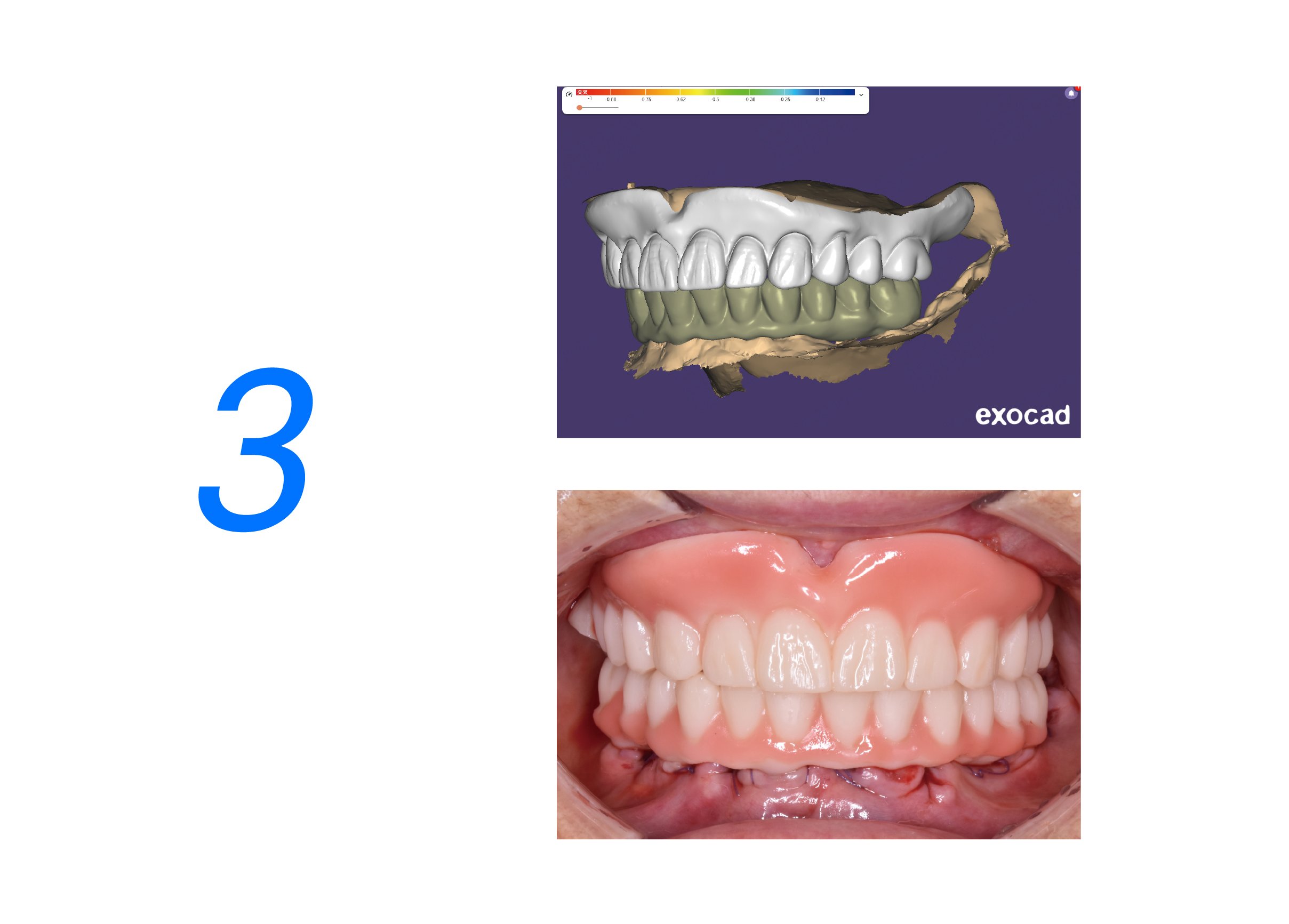
Labs want predictability. That means margin clarity, consistent fit across batches, and materials that match lab protocols. 3D printers that deliver predictable shrinkage, stable resins for temporary crowns and accurate castable patterns cut adjustment time. Labs should prioritize printers with validated workflows for crowns, bridges, models, and surgical guides, plus open communication with scanners and milling units. Ask for material certificates and a track record of fit-tested restorations before committing.
Clinics: where speed collides with clinical reality
Clinics need usable parts the same day and confidence the fit won’t fail at cementation. Applications that matter: surgical guides, provisional crowns, implant models, and occlusal splints. Speed matters less than an end-to-end protocol that includes accurate gingival margin capture and reliable post-processing. Train staff to check fit on printed models and verify occlusion before finalizing—these simple checks prevent returns that waste chair time.
Dental offices: practical entry points and scale limits
For small offices, start with clear use cases: single-unit temporaries, night guards, models for aligner checks. Outsource complex prosthetics until staff master scanning, bite capture, and post-processing. Set realistic expectations about maintenance, material storage, and regulatory labeling for patient devices. When an office scales to in-house implant guides, it must adopt validated sterilization and documentation practices.
Common pitfalls and how to avoid them
Relying on printer specs alone is the biggest mistake. Avoid these traps: ignoring bite capture, skipping calibration logs, using unvalidated resins, and failing to document post-processing steps. Fix each with concrete actions: incorporate bite-scanning or a jaw relation workflow, calibrate and log daily, select materials with published biocompatibility data, and write a one-page SOP for post-curing. Those steps cut remake rates quickly.
Alternatives and when they make sense
Milling remains superior for certain metal and zirconia workflows; outsourcing still beats in-house effort for complex full-arch restorations. Choose milling when rigidity and long-term wear are primary. Choose in-house 3D printing for temporaries, surgical guides, and patient models where iteration speed and low per-piece cost matter. Hybrid models—print models and mill definitive prostheses—often balance cost and quality for midsize labs.
Implementation checklist
Decide use cases first. Validate one material and one print protocol on test cases. Train one staff member to own the digital chain. Record calibration and post-process steps. Measure remake percentage for three months and iterate. Keep vendor support contacts and demand material safety data sheets. Simple controls produce measurable improvements fast.
Final synthesis
Argument complete: 3D printing is only as valuable as the workflow it serves. Solve bite capture, choose validated materials, and match the technology to the clinical need. That focused approach is what separates trial-and-error adoption from predictable clinical value—exactly the kind of practical integration engineers and clinicians seek when exploring options like SHINING 3D DENTAL.