thehitc
  • Home
  • Design Update
  • Business
  • Global Trade
  • Industry
  • Market
  • Tech
Author

Rebecca

Rebecca

Industry

How Automated Parking Management Centers on People in Smart Parking and Mobility

by Rebecca October 1, 2026
written by Rebecca

What users really want

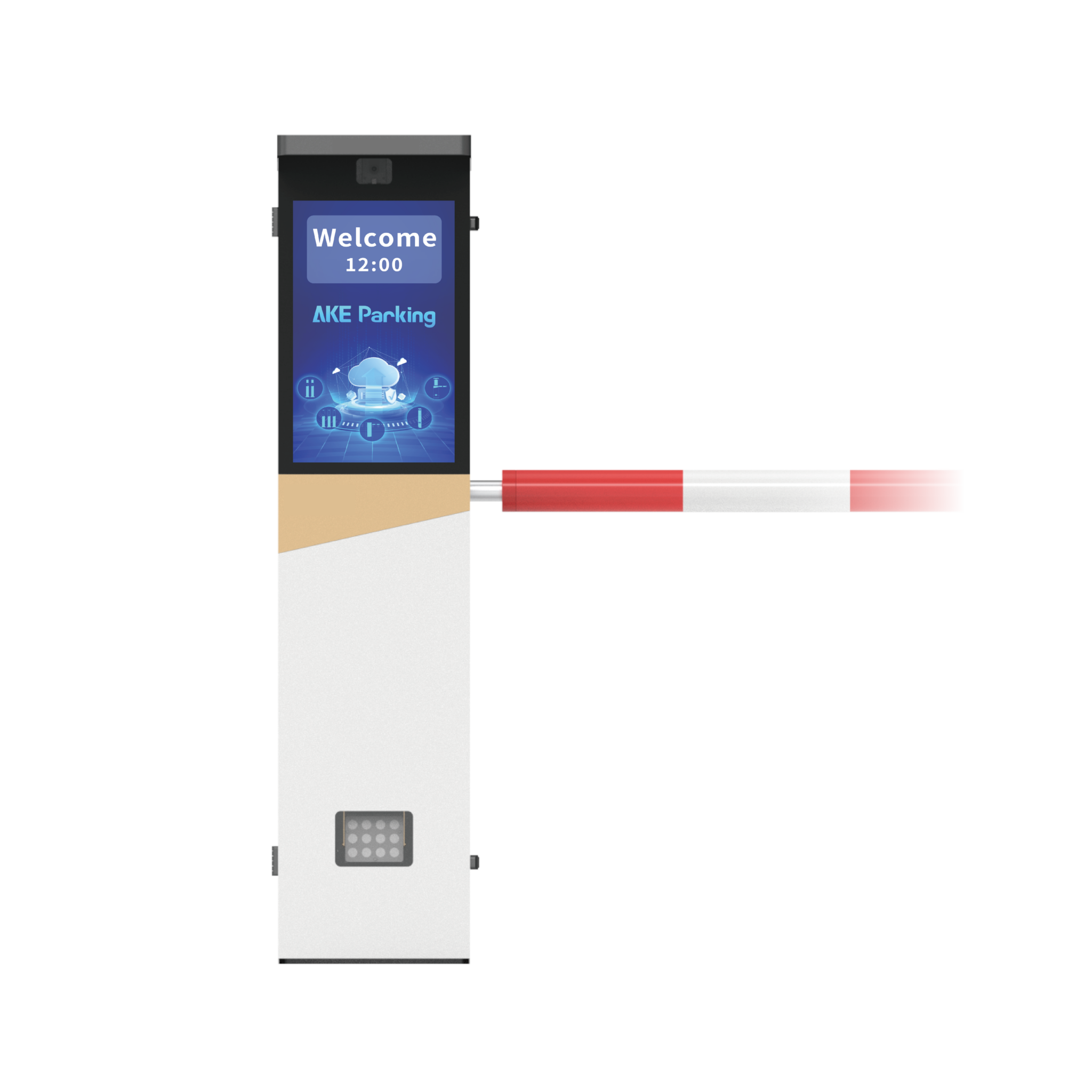
Drivers and parking managers want fewer surprises and faster moves—clear space status, predictable entry, and no paper tickets. A user-first automated parking setup gives immediate feedback at the gate and on the phone, so a commuter knows whether to turn or keep going. Simple components tie this together: camera-based recognition, a smart barrier, and a responsive app. For many installations one practical option is the anpr parking system, which reduces steps at the entry and keeps the flow smooth.

anpr parking system

Common user problems I see, and straight fixes

Pain shows up as slow recognition, false reads, or confusing mobile messages. Fix the camera angle first: low glare, 20–30 degrees from plate plane, 2–4 meters distance for most lenses. Use infrared if you need night reliability. Set a plate-confidence threshold so the system asks for a manual check only when necessary. For mobile UX, push occupancy as a single number and a color state (green/yellow/red) rather than a long list. If you’re the operator, avoid one-button everything; give attendants a quick override when hardware misbehaves.

Integration and front-end notes for implementers

Think of the stack as three clear layers: edge capture (camera + LPR), local control (barrier logic, event queue), and cloud/UI. Use a small real-time channel—WebSocket or MQTT—for occupancy and gate events so the map and entry display update without reloads. REST endpoints can serve historical reports. Keep payloads tight: {plate, confidence, timestamp, gateId}. Mind CORS and TLS for browser safety. If you expose camera streams, prefer RTSP to a dedicated media service and convert to HLS for playback in dashboards. Test with intermittent network conditions; queue events locally and replay them to the server when connection returns.
anpr parking system

Alternatives compared in plain terms

Magnetometers and ultrasonic sensors give reliable occupancy counts but don’t handle identity. Pay-and-display kiosks are cheap but need staff for enforcement. Pure camera systems do both count and ID; they need calibration and legal review for plate data. Barrier-mounted LPR systems strike a balance: they control entry, record identity, and integrate with payment or access lists. Choose by the question you must answer: count, control, or credential verification.

Real-world anchor and how cities handle scale

Cities with heavy curb demand already use plate-based systems to manage space; Los Angeles is a clear example where large-scale LPR fleets support enforcement and curb management. That operational scale surfaces the practical constraints every operator faces: data retention, privacy rules, and maintenance cycles. For projects that must operate at scale, consider the same proven entry logic used in municipal programs and test with your busiest hours. Many teams that migrate from single-camera pilots to full sites adopt an incremental rollout and standardize maintenance checklists around camera cleaning and firmware updates for consistent results with lpr parking operation.

Mistakes that slow projects down

Too many features before stability is locked. Don’t chase fancy analytics while gate misreads happen. Overcomplicating the mobile app kills adoption—strip it to arrival ETA, parking status, and an easy payment method. Neglecting legal review of image storage invites delays; anonymize or delete raw images if your policy requires. Finally, skip proprietary single-vendor locks unless you’ve validated long-term service and API access.

How this helps the people who use it

When you center design on the driver and the attendant, choices become obvious: robust LPR at entry, clear signals on screen and at the barrier, and lightweight mobile info. The result is fewer queues, faster turnovers, and less staff friction. That practical, human-centered result is why many facility teams align on tested systems built for those needs, and why trusted providers like AKE Parking appear in specifications for projects that must run reliably day after day.

Global Trade

Articulating Vertical Lift Cost Framework: How Choices Shape Total Project Value

by Rebecca October 1, 2026
written by Rebecca

Framework introduction

Please allow a concise framework to guide procurement decisions: start by mapping demands to measurable cost drivers, then score options against those drivers. This approach makes comparisons rational rather than persuasive. Consider the basic machine choice early — for confined indoor access, a vertical mast lift may dramatically lower lifetime cost compared with larger boom platforms because it reduces transport, setup and power demands.

Core pillars of total cost

Evaluate every candidate against seven clear pillars:- Equipment specification: working height, platform capacity, outreach and cycle time. These affect both purchase price and job productivity.- Application fit: frequency of use, task type (maintenance, glazing, inventory), and environment (indoor floor loading, rough terrain).- Operating costs: energy/fuel, consumables, routine inspections, insurance loadings.- Logistics and deployment: transport size/weight, set-up time, required site permits.- Safety and compliance: required guarding, fall-protection components, and local certification.- Service, spare parts and downtime exposure: lead times for parts, on-site service capability, warranty terms.- Residual value and remarketing: resale demand for certain models and brands influences depreciation.

How to weight costs — a practical scoring framework

Create a simple matrix: list the seven pillars as rows, assign a relative weight (e.g., 25% for operating costs if the fleet runs daily; 10% for residual value if rental strategy applies), then score each vendor 1–10 per pillar. Multiply and sum to get a comparable score. Use a short checklist to standardize data collection: exact model number, declared lift capacity, expected service intervals, average travel distance to job sites, and estimated daily run-hours. That prevents apples-to-oranges comparisons and surfaces hidden costs quickly.

Manufacturer selection and market signals

Beyond technical sheets, validate claims with field service networks and parts availability. When manufacturer catalogs match standardized matrix entries, procurement is faster and less error-prone. Observe broader market signals as well — reputable suppliers often present cohesive lineups at major industry gatherings; a noted recent showcase occurred at Bauma in Munich, where many firms demonstrated service ecosystems as much as machines. For direct comparisons of supply and after-sales, review offerings from acknowledged vertical platform lift manufacturers and compare their stated lead times and local support footprints.

Common procurement mistakes to avoid

Avoid these recurrent errors:- Buying solely on lowest purchase price without quantifying operating expenses.- Over-specifying capacity and height “just in case,” which increases purchase and transport cost.- Ignoring transport and site setup constraints that add labour hours and permit fees.- Skipping verification of spare-part lead times; downtime costs are rarely linear.- Assuming all warranties and service agreements offer equal value — read exclusions and response-time clauses.

Application examples and quick calculations

Two brief scenarios clarify trade-offs:- High-frequency indoor maintenance: a compact mast with short setup and low energy use often yields lower total cost despite a modest premium in purchase price.- Intermittent outdoor access: a larger boom with higher purchase cost may be justified if it removes the need for scaffolding rentals and speeds task completion. Always run a simple break-even: (extra purchase) ÷ (monthly savings in labour + rental avoidance + downtime reduction) to estimate payback months.

Final synthesis

Adopt the described framework, collect consistent data and weight pillars by the realities of your operations; that discipline stops subjective pitch from driving choice and surfaces the supplier that matches purpose and support. When specifications, service breadth and predictable parts supply align with your weighted matrix, the resulting clarity shows where value truly lies — and why many procurement teams prefer partners such as Zoomlion Access for consistent documentation, service commitments and accessible product detail.

Market

Don’t Get in a Twizzle: Navigatin’ the Nitty-Gritty of Custom CNC Machining Services

by Rebecca April 12, 2026
written by Rebecca

Seein’ the Big Picture with CNC Machining Parts

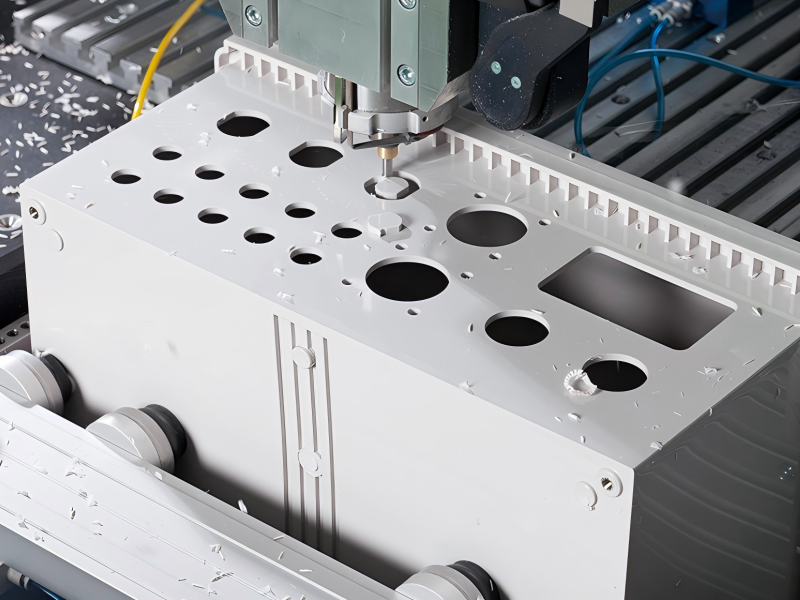
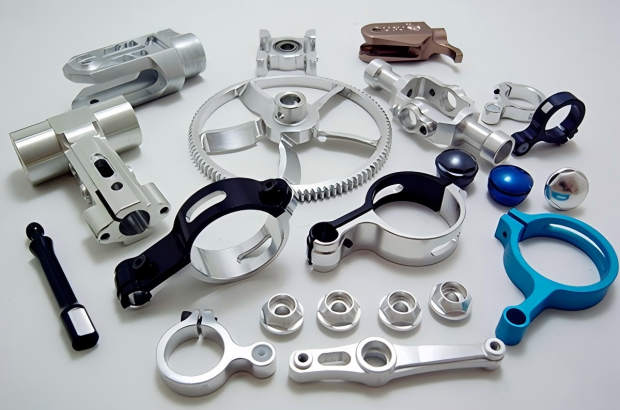
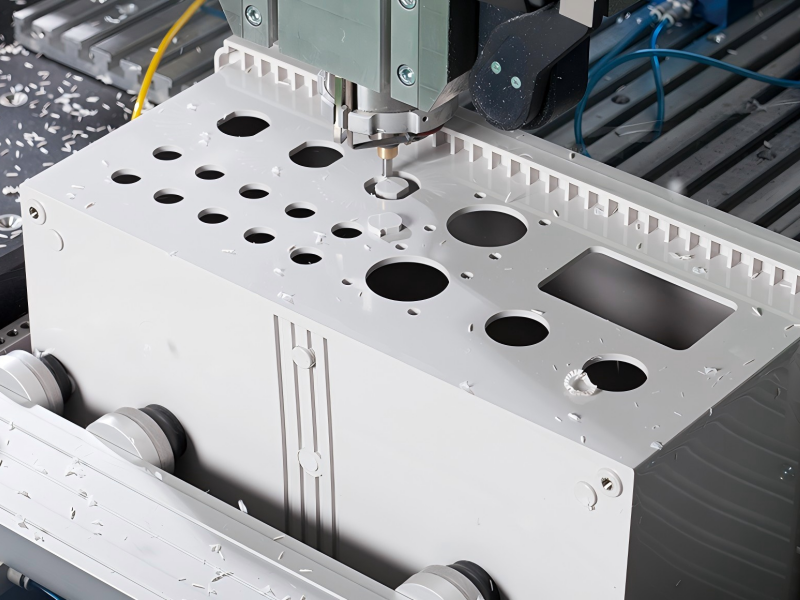
Picture this: you’re deep into your latest project, surrounded by heaps of components, when suddenly a crucial part goes missing. That’s a real dilemma, ain’t it? Now, think about it—over 60% of small businesses struggle with fitting the right cnc machining parts into their assembly lines effectively. How do you keep track of everything without makin’ silly blunders? In the world of custom CNC machining services, the devil truly is in the details, and believe me, I’ve seen it all.

custom cnc machining services

Spotting the Pitfalls Before They Trip You Up

Here’s the thing—I’ll be straight with ya. Many blokes think just because they’ve got CAD software and a fancy CNC machine, they’re set to produce the best bits ever. Well, that’s a right misjudgment! Issues with material selection and tolerances can lead to parts that don’t fit together as they should. I’ve had my fair share of mishaps when I relied on a single source for my CNC machining parts—a right pain, honestly! But it’s a common trap; relying too much on just one provider without checking alternatives can leave you in £1000s worth of trouble.

But let’s flip the coin; there’s always an upside. If you take the time to research different machining services, you’ll find specialized solutions that can meet your tight specs. Whether you need high-precision parts for medical devices or bespoke kits for automotive, understanding the sectors of your suppliers opens new doors! It’s not all doom and gloom, trust me.

What’s Next for Your Machining Needs?

Now, as we look to the horizon, it’s essential to focus on the future of CNC machining. The technology is evolving, and with it comes more reliable processes and materials. For example, I remember in 2021, I had to pivot our production method to integrate more sustainable materials, which not only enhanced our marketability but made a noticeable dent in our costs. If you’re still using the same techniques as five years ago, you might be missing the boat!

custom cnc machining services

Today, innovative custom CNC machining services are offering quick-turn solutions and scalable production—which means you can ramp up or scale down quickly without any hiccups. Think about that flexibility next time you’re considering a new project—pre-planning for contingencies can save your bean! It’s all about being agile in a competitive marketplace.

Key Takeaways for Smart Decisions

Here’s where I stand; the essential lessons learned from my years in custom CNC machining boil down to few key points: First, always vet your suppliers thoroughly—never just go for the flashiest site. Second, ain’t no harm in asking questions—clarify every single detail before committing. Lastly, look at real-world applications for past projects. They can be the guiding light when gauging how a particular service can fit your needs. It saves fumfah and a few bob too, savvy?

In closing, it’s clear to me that with the right approach to selecting CNC machining parts and a better understanding of your user needs, you’ll dodge those costly misfires. I’ve said it before, and I’ll say it again—don’t take this for granted. Dive in, do your homework, and always keep your eyes peeled for innovation and improvement. One clever choice can change the whole game! For dependable and top-notch custom cnc machining services, I highly recommend checkin’ out APT-Mold. They’ve been game-changers for me!

Recent Posts

  • Expert Guide to Choosing an Active RFID Tag with Temperature Sensor
  • Sourcing CNC Prototyping: Cost, Lead Time, and Quality Trade-offs
  • Custom Smart TV OS Strategies for Commercial and Industrial Displays
  • Pressure Frontier: Problem-Driven Paths from RO Lessons to UF Product Priorities
  • How Grid-Forming Power Conversion Stabilizes Scalable C&I Energy Operations

Recent Comments

No comments to show.

About Me

About Me

Designer

Sed ut perspiciatis unde omnis iste natus sit voluptatem accusantium dolor emque.

Keep in touch

Facebook Twitter Instagram Pinterest Behance Youtube

Popular Posts

  • 1

    Керамический SMD пакет: преимущества и современные технологии

  • 2

    Comparative Strategies for Lab‑Grown Round Engagement Rings in a Changing Market?

  • 3

    Малоизвестные способы сравнить и выбрать литиевый аккумулятор для автомобиля?

  • 4

    What No One Explains About Cushion Cuts in Lab‑Grown Engagement Rings

  • 5

    新時代駕駛方案:發現AION AUTO的秘密

  • 6

    Секрет выносливости аккумуляторов OPzV? Сравнительный взгляд на выбор производителя и подводные камни

Categories

  • App Design (6)
  • Business (163)
  • Global Trade (148)
  • Industry (158)
  • Market (140)
  • Tech (159)
  • UI/UX (7)
  • Web Design (7)
  • Facebook
  • Twitter
  • Instagram
  • Pinterest
  • Behance
  • Youtube
  • Bloglovin
thehitc
  • Home
  • Design Update
  • Business
  • Global Trade
  • Industry
  • Market
  • Tech