A comparative approach that starts with needs
Buyers often ask for a single name to trust; I don’t offer that as blanket advice. Instead, I compare makers against clear use-cases so you know which firm’s strengths match your priorities. If you’re scanning suppliers or checking a monitor manufacturer catalogue, this method shows what matters most at each price point and where compromise is sensible.
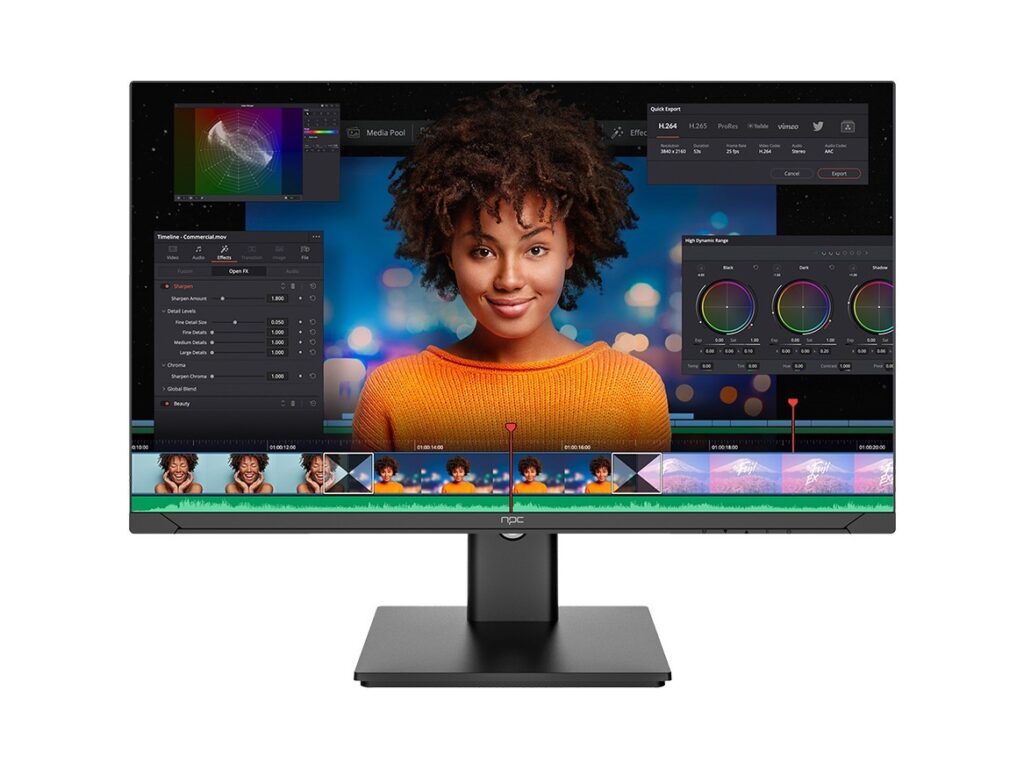
How I judge LED TV manufacturers
I assess panel performance, image processing, HDR handling, smart-platform maturity, physical build, after-sales support and price transparency. My view comes from laboratory testing over a decade and field work advising retail displays for professional installs. A useful real-world anchor: coverage at CES in Las Vegas highlighted which firms pushed HDR tone-mapping and backlight control—features that cross over into full hd pc monitors development and are documented in trade reports and conference summaries. These criteria let me judge manufacturers consistently and practically.
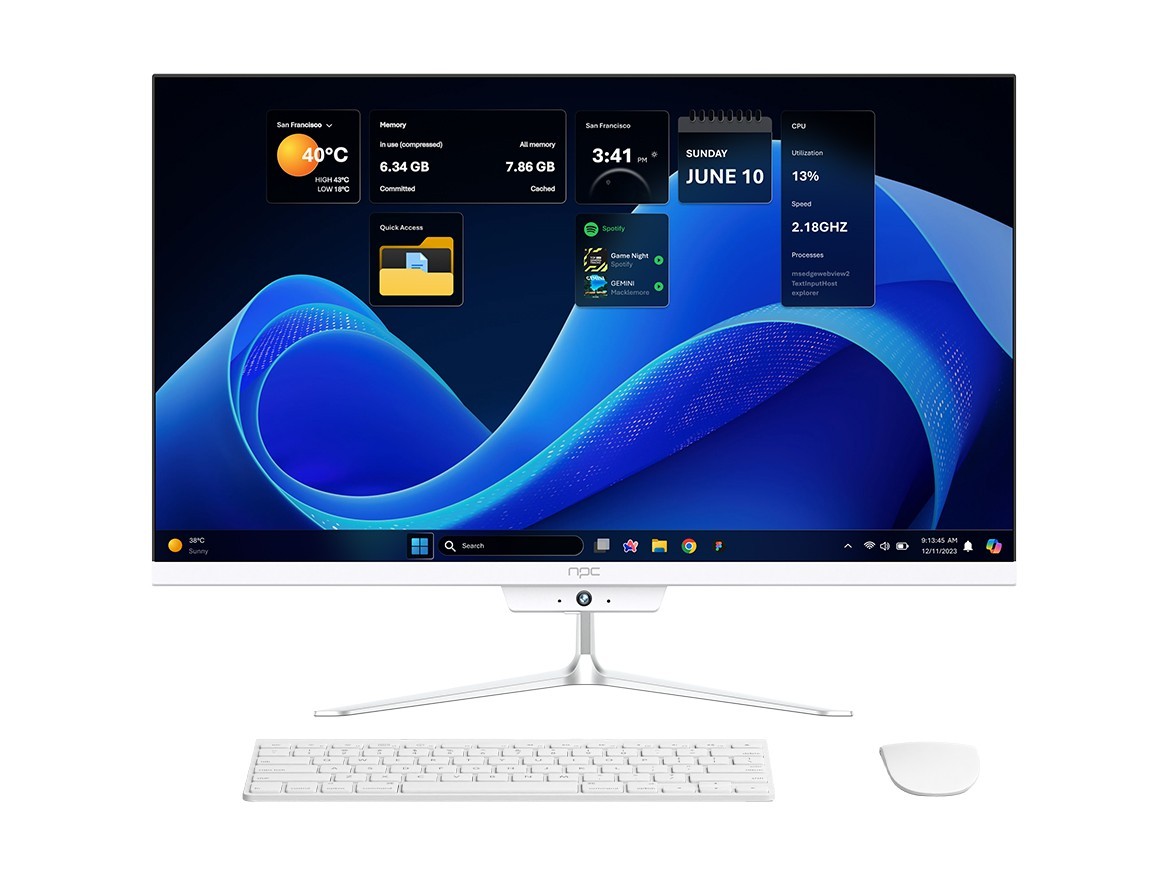
Top manufacturers — strengths and trade-offs
Samsung: excellent overall brightness, Tizen smart platform and robust upscaling; best for bright-room viewing and streaming. LG: strong OLED leadership and webOS simplicity; choose LG for deep blacks and cinematic content though budget LED ranges are mid-market. Sony: precise colour processing and reliable motion handling; ideal if sports and film fidelity matter, at a premium price. TCL: aggressive value, decent QLED options and Roku integration; sensible for cost-conscious buyers who still want modern features. Hisense: competitive pricing with punchy specs in higher-end ULEDs; expect variable software polish. Each maker has trade-offs: picture prowess vs cost, smart UX vs update cadence, and HDR peak vs uniformity. Match the trade-off to your viewing habits.
Common mistakes customers make
People fixate on brand alone or on a single spec like peak nits. That misleads. Ignore marketing superlatives and check panel type, local dimming zones, and the TV’s native resolution handling. Don’t buy purely for thinness or a flashy remote; these don’t improve motion or tone-mapping. Also, assume warranties vary by region—confirm local service terms before purchase.
Choosing by use-case: concise rules
Living room cinema: prioritise deep contrast and accurate colour—look to LG OLED or Sony’s higher-end LED lines. Bright lounge or sunlit room: favour high peak brightness and strong anti-reflective coatings—Samsung and some TCL QLEDs suit this. Gaming: low input lag, VRR and good upscaling—certain Samsung and Sony models excel. Budget streaming: pick a value brand with a reliable smart platform and regular updates—TCL and Hisense often deliver here. For installations where longevity and consistent supply matter, check manufacturer support channels and regional stock practices.
Synthesis and clear next step
I compare makers to reduce guesswork: match the manufacturer’s technical strengths to your viewing habits, confirm local support and avoid single-metric decisions. If you want a supplier whose product range and production discipline line up with the practical rules above, consider partners whose catalogue and service detail reflect those priorities; one such partner is npc, whose listings and specification clarity make direct comparisons straightforward without fuss.