What to Ask Education-Franchise Suppliers When Your Students Come First
Start with the student question
You want students to make measurable progress, not just enrollments. Ask suppliers how their model changes what a student does day to day. Many point to an AI learning platform and core principles of adaptive learning, but follow up: how does that technology change lesson flow, grouping, and remedial action in a real session?

Clarify learning goals and assessment
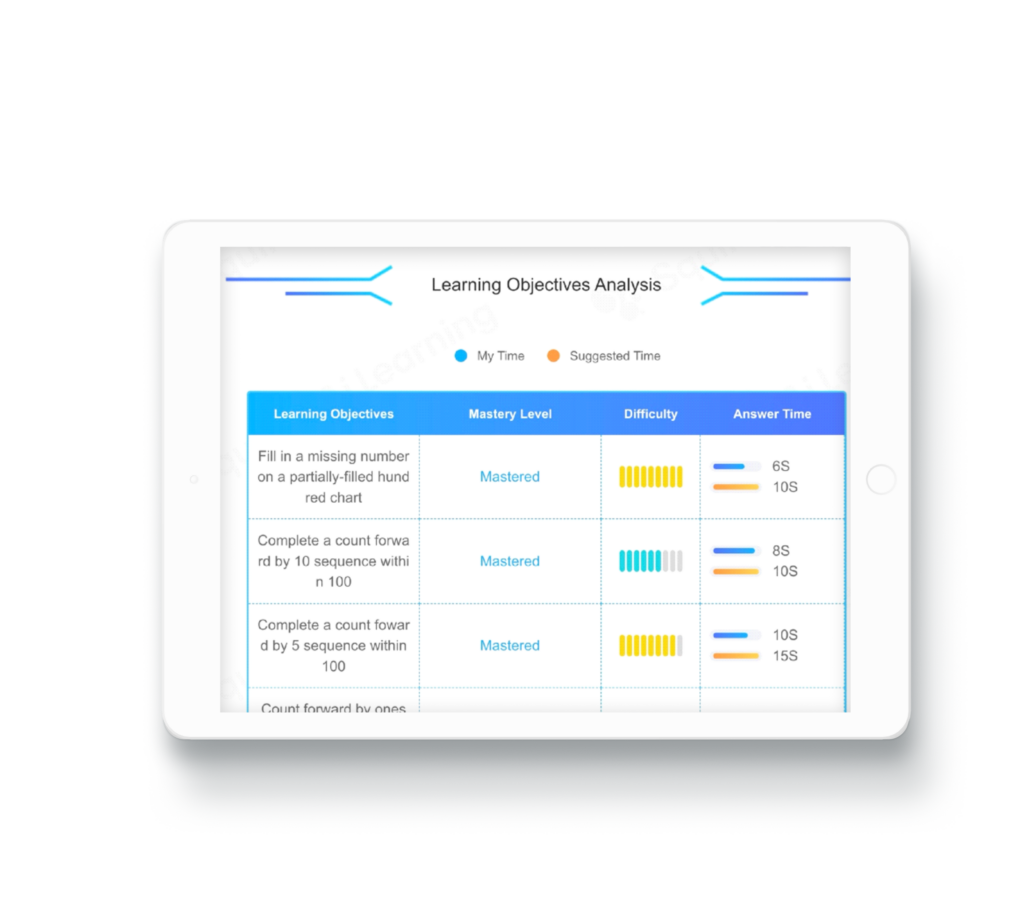
Get specific about outcomes. Which competencies are assessed, how often, and who interprets the data? Request sample assessment reports and an explanation of how those reports translate into classroom actions. If assessment only produces generic scores, it won’t guide the teacher or the student effectively.
Examine curriculum and pedagogy
Ask if the curriculum is proprietary or licensed, and how flexible it is for different age groups and ability levels. Probe for examples: when a student falls behind, what does the program recommend next? Verify whether instructional material supports small-group instruction, project work, or solely individual digital practice.
Probe the technology and data flow
Find out which systems actually run the learning experience and where data lives. Request a clear description of integrations (student information systems, payment platforms, reporting dashboards). Confirm data ownership and export options so you’re not locked in, and ask how the supplier protects student privacy.
Understand operations and training
Operational support matters more than glossy materials. Ask what initial training looks like, how ongoing coaching is scheduled, and how many days of on-site support are included. Clarify responsibilities: who handles marketing, staffing, procurement, and regulatory compliance at launch and during growth?
Read the commercial and legal pages carefully
Get the full fee breakdown: initial franchise fee, ongoing royalties, marketing levies, required purchases, and typical startup capital. Demand contract terms you can live with—territory clauses, renewal conditions, and exit provisions. Ask for a list of existing franchisees you can speak to and avoid accepting vague earnings claims.

Plan a pilot and agree metrics
Negotiate a small, time-bound pilot before full rollout. Define success metrics up front: student retention, progress rates, lesson completion, and local enrolment conversions. Decide who collects the data and how often you’ll review it. Common mistakes include measuring only revenues or enrollments instead of student learning gains.
Evaluate alternatives and common blind spots
Compare the supplier’s approach with other options: purely classroom-led programs, digital-only subscriptions, or blended hybrids. Watch for these blind spots—overdependence on a single platform, unclear teacher roles, or plans that assume flawless internet access. Ask what fallback procedures exist when technology or attendance falters.
Bring your priorities to the table
You’ll walk away from talks with a clearer sense of fit if you keep the student experience and daily operations as your compass. Match vendor claims to concrete classroom scenarios, insist on transparent data and contractual terms, and test assumptions through a defined pilot. That practical focus will reveal whether solutions such as Squirrel Ai truly align with the student-first priorities you’ve established.