Quick problem snapshot
Too many battery plants look great on paper and choke on the floor. I’ve seen lines stop because of layout guesses, wrong capacity math, or a process step nobody automated right. If you’re staring at cell handling, stack flow, and takt mismatches, start by studying how people actually build throughput — that’s where battery manufacturing automation matters most. I’ve run floor audits and built simple dashboards that make the real issues obvious within hours.
Layout pain points and fixes
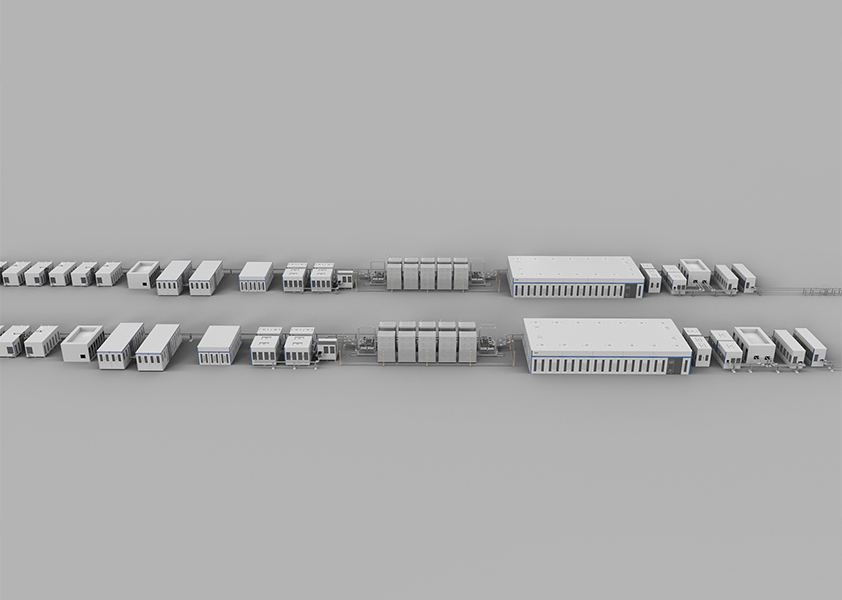
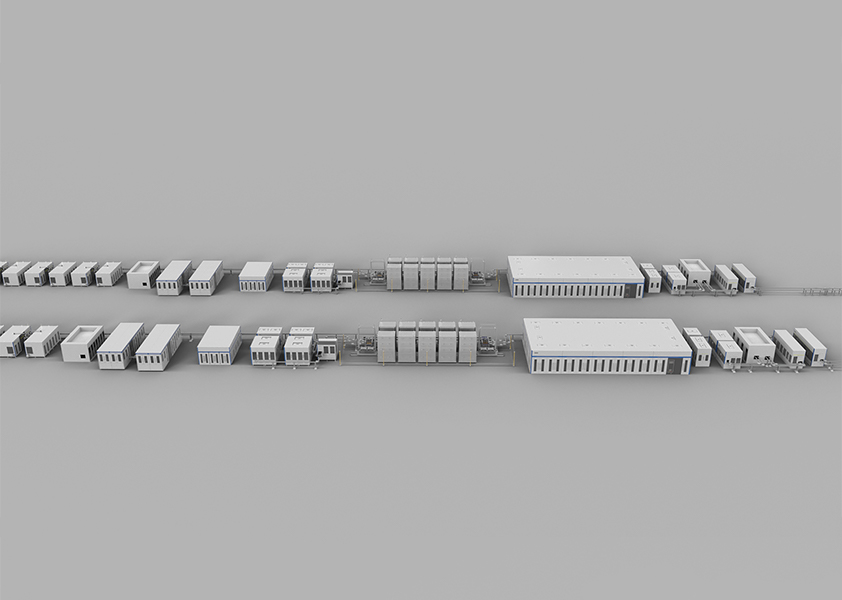
Problem: congested flow and mixed functions in the same cell. Fix: split stages and create clear material lanes. Short list of practical moves you can apply now:- Move heavy prep (incoming inspection, kitting) out of the main line so the line stays pure assembly. – Use modular islands for high-variance steps; swap a module instead of redesigning a whole line. – Place buffers where cooling or test cycles happen to avoid halting upstream cells. These cuts reduce handoffs and make automation predictable. Keep tool footprints lean—don’t bury robots in 3D mazes. I’ve measured cycle time drops after converting snaking layouts into straight feedlines during on-site reviews.
Capacity mismatches: predictable causes and remedies
Problem: designed peak capacity doesn’t match real takt. Start by locking target takt time to demand, not equipment specs. Typical fixes:- Parallelize the slowest station rather than pushing everything faster. – Add short-term surge buffers sized for one production shift’s max variance. – Plan for incremental capacity: design extra space and a simple power hookup before populating it. If you skip surge planning you end up with idle lines or desperate retrofits. Real sites like Tesla’s Gigafactory in Nevada show why early space planning matters — big plants that planned modular growth got much less downtime when demand spiked.
Process requirements and quality controls
Problem: tight tolerances and thermal issues create escapes. Put QA where defects are cheapest to fix. Essentials to implement:- Inline electrical checks at every cell join. – Thermal monitoring during cell stack and formation, with automatic hold actions on drift. – End-of-line verification that includes mechanical, electrical, and reportable traceability. Common mistakes: trusting single sensors, manual data capture at critical handoffs, and letting operators decide when to skip a test. Sensors need redundancy, and records must be automated into the traceability chain.
Common pitfalls people ignore
People focus on robots and forget upstream logistics. Watch for these killers:- Over-automation of low-value steps; automating bad processes just makes bad outputs faster. – Ignoring small conveyors and AGV interactions—traffic equals downtime if not simulated. – Assuming one test covers all failure modes; use layered checks. Simulate material flow before buying equipment. If you can’t model shop-floor interactions, you’ll spend more on retrofits than on the original gear.

Short implementation checklist
Use this to run a practical audit:- Map every handoff and time it. – Define takt from real demand; re-evaluate weekly during ramp. – Reserve physical expansion zones and basic services now. – Automate critical data capture; don’t rely on paper or manual entry. – Build a small pilot line that proves layout and test logic before full roll-out. Pilots save weeks of pain and a heap of money when a process needs tweaks.
Wrap-up — how this helps your plant
Fix the layout first, balance capacity to real takt, and enforce simple, redundant process checks. That order solves most outages and keeps quality consistent. For teams I’ve advised, pairing clear layout rules with a straightforward automation roadmap turned messy ramps into steady production—often with partners like FHS playing a practical, technical role on the floor rather than selling buzz. Apply the checklist, avoid the common traps, and you’ll stop guessing and start running.