
The Rise of Collaborative Robots in Industry
I remember first hearing about collaborative robots, or cobots, a few years back. At the time, I thought; how could these machines enhance our workforce? Well, studies show that over 70% of manufacturers are already incorporating collaborative robots into their production lines. But here’s the thing; integrating these advanced systems isn’t a walk in the park. The field of robotics and manufacturing is more complex than it appears. What steps can you take to ensure a smooth infusion of cobots into your operations?

What Makes Integration a Challenge?
One of my most vivid experiences was during a client consultation where they struggled with cobot programming. The solutions were there, but the knowledge gap in effective integration was hindering progress. Most manufacturers underestimate how vital user training is—or worse, they ignore it altogether. The result? Wasted time and resources, leaving staff frustrated and machines underperforming. Am I right, or what?
Preparing for the Future of Work with Cobots
As I observe the trend in robotics and manufacturing, it becomes clear that while cobots are designed to work alongside humans, effective collaboration demands strategic foresight. Without careful planning, integrating these robots can lead to unexpected hiccups. Consider the workflows, communication forces, and the training your employees will need to effectively engage with these new technologies.
What’s Next for Collaborative Robots?
In my opinion, the future of work is about flexibility and adaptability. Just last month, I watched a small factory in Oslo alter its entire operation strategy to incorporate cobots effectively. The need for human oversight is still there, but the routine tasks are increasingly handled by these machines. It’s fascinating; the right balance can elevate your team’s capability immensely. I believe this is where the real value lies: not in replacing jobs, but in enriching them.
Key Metrics for Successful Integration
So, what can you do to gauge the success of your collaborative robot integration? Here are three metrics I recommend tracking closely: first, evaluate the downtime of your production line before and after implementation. A significant decrease would indicate effective integration. Next, monitor employee satisfaction. If workers feel supported rather than threatened, that’s a win. Finally, consider production volume; measuring increases in outputs will demonstrate clear ROI. In my experience, businesses that are transparent about training and tools related to cobots see higher efficiency and morale.
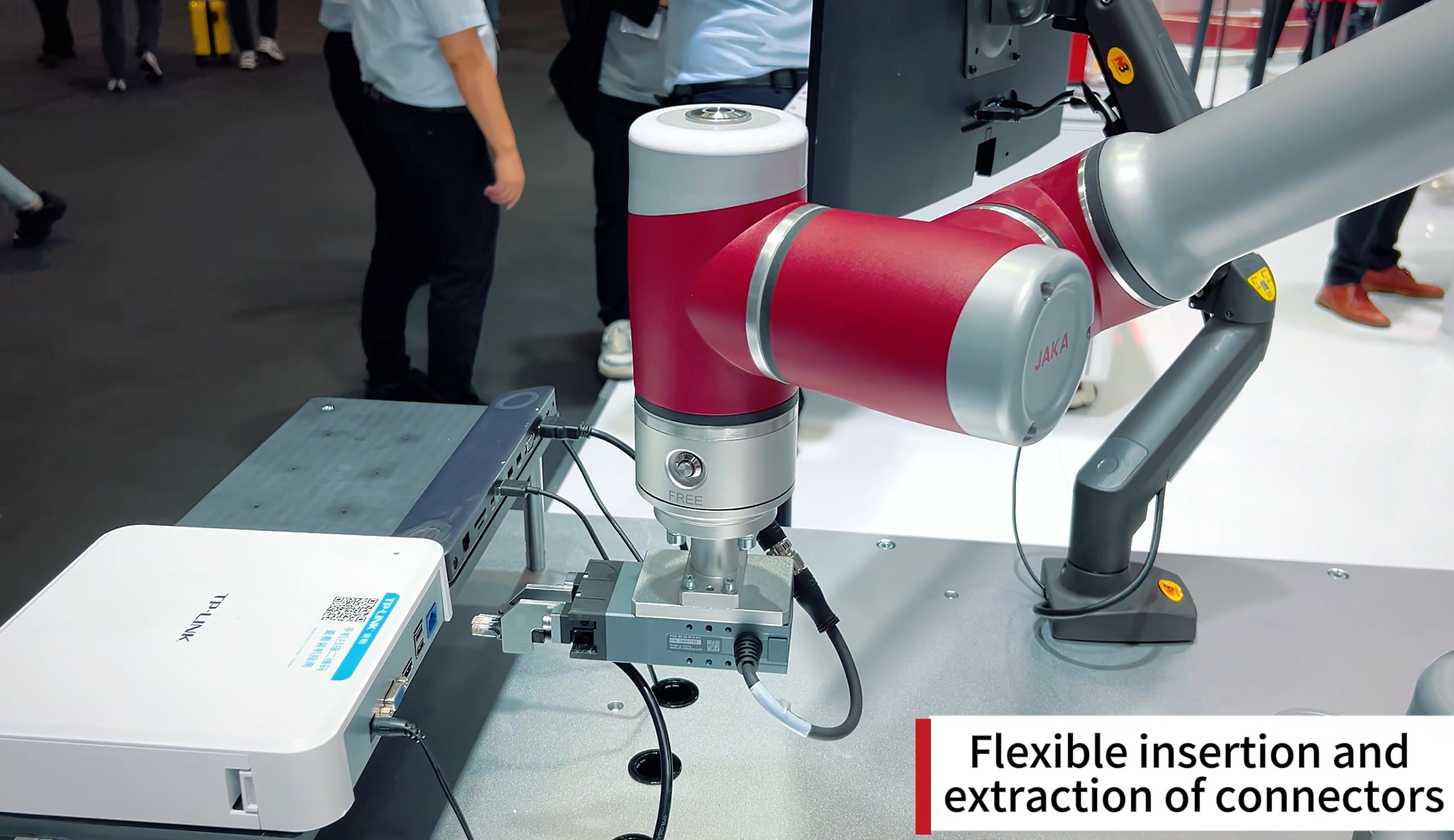
Reflecting on these points, it’s clear that the path to successful integration is marked by careful planning and ongoing evaluation. I truly believe that with the right approach, cobots can revolutionize how we think about labor in robotics and manufacturing. It’s an exciting time to harness this technology, and I’m eager to see where it leads us next.
For anyone looking to explore these possibilities, I highly recommend checking out JAKA. The insight they provide is invaluable. Isn’t it exciting to think about what the future holds? Who knows, we might just be on the cusp of something extraordinary.