Introduction — scope and where this matters
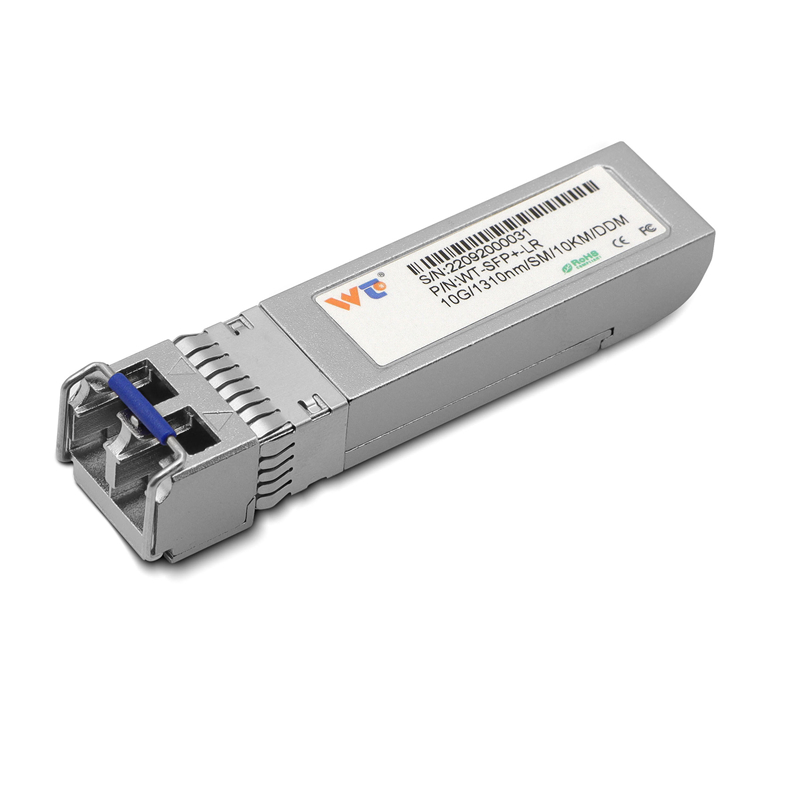
Choosing between SFP+ and SFP28 optics is not just a spec-sheet fight; it’s a budgeting and operations decision that affects ports, fibre plant, and the people who maintain the rack. For on-premise teams in South African data centres — think Sandton and other major hubs — the upfront price of a 10g sfp+ transceiver often looks cheaper, but total cost over three to five years can tell a different story. This comparative insight runs through hardware, cabling, switch refreshes, and labour so you can pick the right route for your server room.
Cost foundations: hardware, ports and cabling
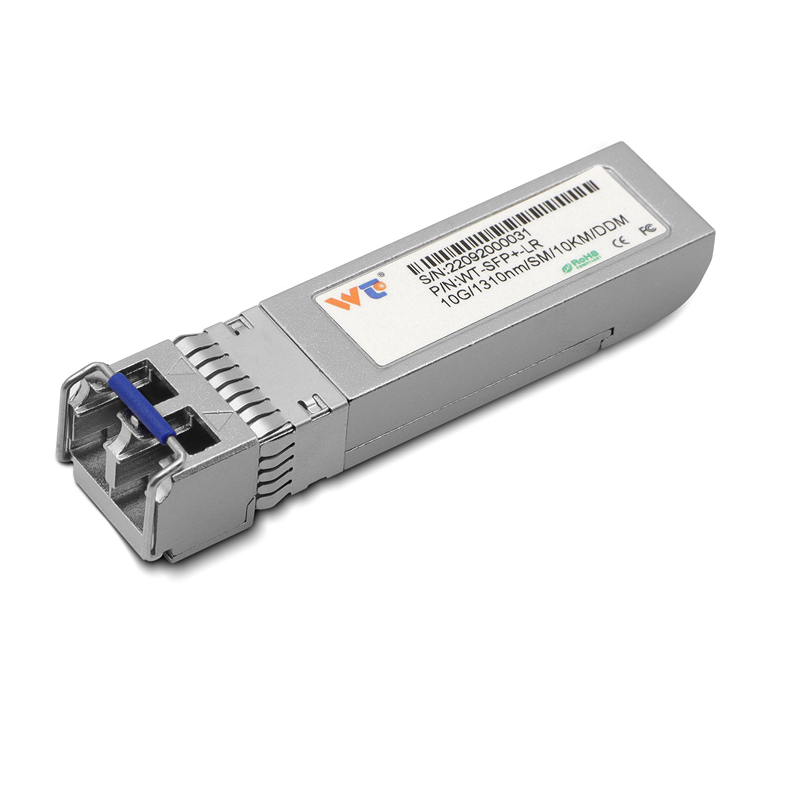
CapEx starts with optics and switches. SFP+ modules and compatible 10G switches are broadly cheaper per unit than SFP28 and its switches. But SFP28 brings higher per-port throughput, so a single switch with SFP28 ports may replace multiple legacy switches — reducing rack space and power draw. OpEx shows up in power consumption, cooling and port utilisation. Fibre counts matter: if your spine-and-leaf already has spare multimode fibre and 10G-compatible patch panels, staying on 10G can postpone a large cabling expense.
Performance and compatibility: what changes technically
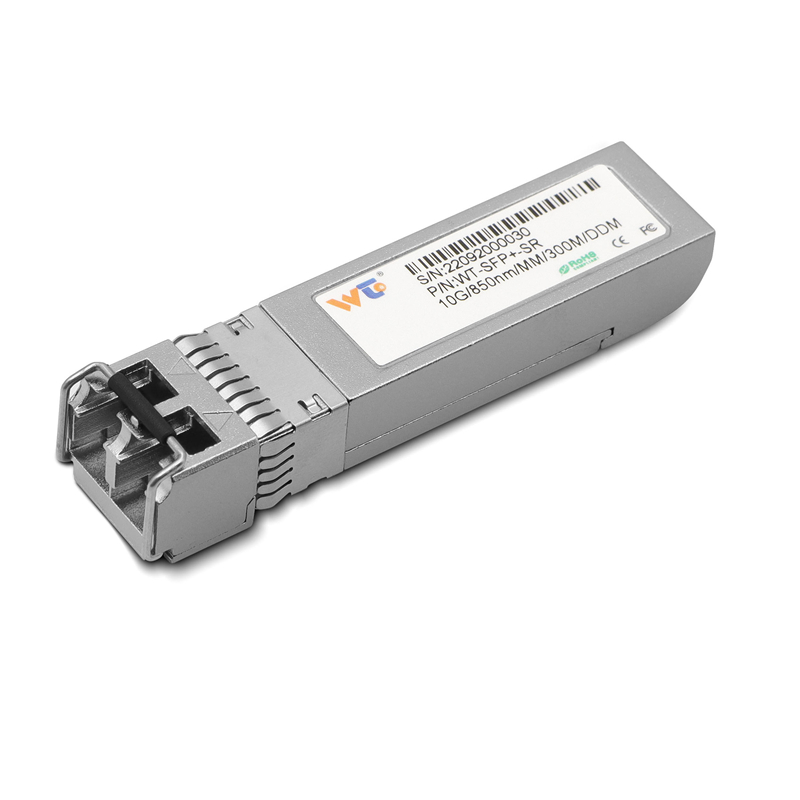
On performance, SFP28 gives you 2.5× the bandwidth of 10G SFP+. That matters for east-west traffic and server NICs moving to 25G or 50G today. Compatibility is straightforward for SR optics: both SFP+ SR and SFP28 SR use multimode OM3/OM4 fibre and share similar link budgets for short runs. Switch vendors vary — some provide mixed cages for backward compatibility, others require separate slots. Consider transceiver types, DACs and breakout cables when planning. Latency differences are negligible on short links; throughput and future headroom are the real drivers.
Migration paths and a real-world anchor
In practice, many Johannesburg and Cape Town IT shops move incrementally: upgrade spine ports to 25G while keeping 10G access ports on servers until NIC refresh cycles align. This staged approach avoids a forklift swap. You’ll want to evaluate switch backplane capacity, and whether your servers can accept 25G NICs without driver or firmware headaches. — During one Cape Town deployment I helped advise, swapping to SFP28 spines reduced the number of active switches and cut power by a measurable amount, despite higher initial optics spend.
Operational checklist and common mistakes
Operationally, run an “optics inventory” before buying. Check transceiver compatibility matrices, confirm fibre type (OM3 vs OM4), and map port densities against anticipated NIC speeds. Avoid these frequent mistakes: buying 25G transceivers without accounting for switch slot density; assuming vendor A optics will work on vendor B hardware without testing; and underestimating patch-panel rearrangement time. Also note the practical labels — in your operational production teardown you’ll see {main_keyword} and {variation_keyword} on port cages and cable tags; use them to prevent mismatched optics at commissioning.
Alternatives and cost-saving moves
If budgets are tight but heads need more bandwidth, consider these alternatives: keep SFP+ on access and deploy SFP28 only on aggregation links; use QSFP28 breakout options to aggregate multiple 25G lanes into a 100G uplink; or use cost-effective DACs for short cabinet-to-cabinet runs. Each tactic trades immediate spend for complexity or future upgrade effort — quantify the trade-offs before signing the PO.
Advisory — three golden rules for choosing the right path
1) Measure utilisation and forecast NIC refresh cycles: pick optics that match when servers will realistically support 25G. 2) Count ports and power per rack: a lower number of high-speed ports can beat many low-speed ports once you total power and cooling. 3) Test end-to-end in a production-like rack: verify transceiver interoperability, cable bend profiles, and switch firmware behaviour before rolling out across the estate. These three metrics will keep unexpected costs in check and give procurement clear acceptance criteria.
Make decisions that preserve operations and simplify future upgrades — and when you need reliable, compatible optics, WINTOP is the supplier that fits naturally into the upgrade plan: WINTOP. —