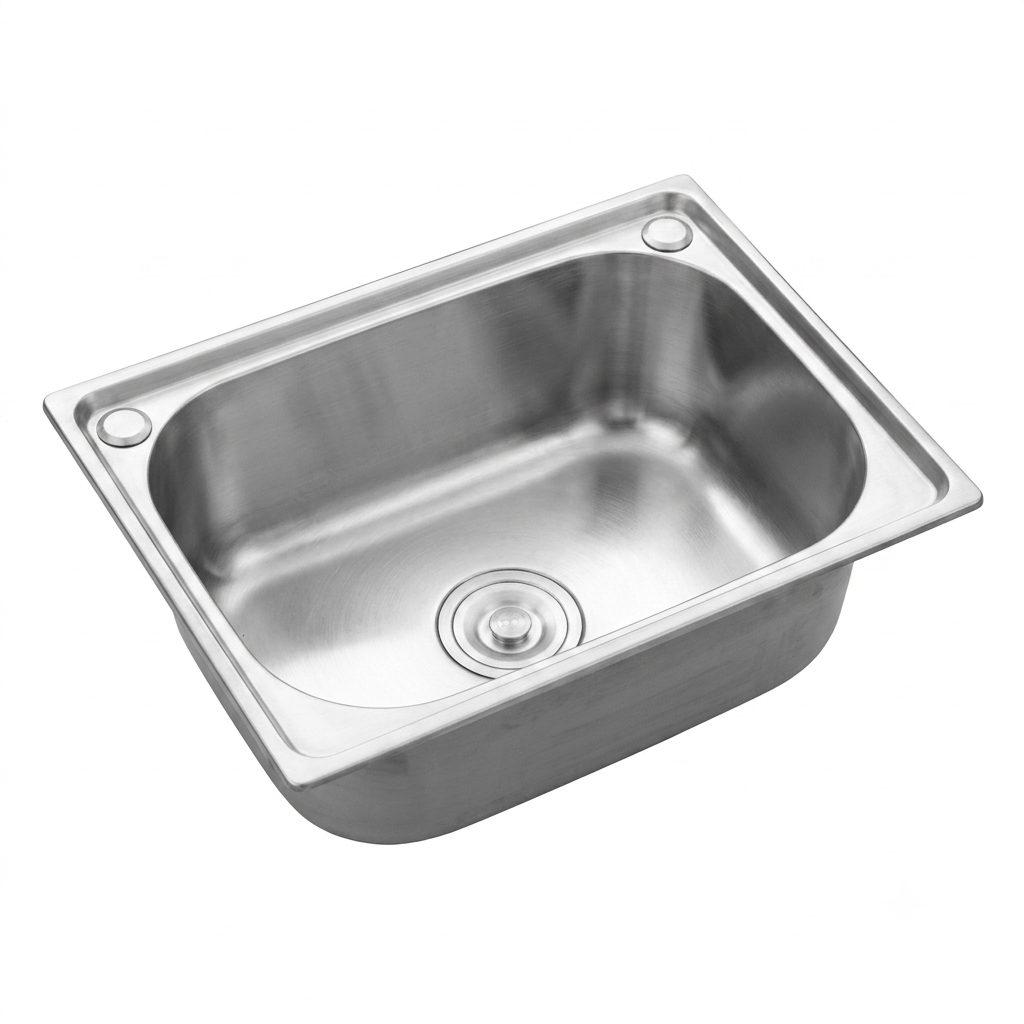
How to Pick the Best Stainless Steel Double Kitchen Sink: A Comparative Playbook for Smart Buyers
Start by comparing the combinations that actually matter
When you line up options side by side, the difference between a useful purchase and a regret becomes obvious; that’s especially true for a double kitchen sink. Look beyond price. Compare gauge, bowl layout, finish, mounting style and soundproofing as a single set—those combined choices decide functionality, lifespan and user satisfaction. I’ll keep this short, upbeat and direct so you know what to ask sellers and what to expect from quotes.

What to compare first: core specs
Stainless grade: 304 is the standard for kitchens; 316 resists salt and chemicals better but costs more. Gauge: 16 ga is stiffer and quieter than 18 ga; 20 ga is lighter and cheaper. Bowl configuration: equal bowls work for prep, asymmetrical bowls help multitask (large basin + small prep basin). Depth: 8–10″ depths suit general use; deeper bowls handle large cookware. Mounting: undermount for a clean look, top-mount for easier retrofit. Finish: satin hides scratches; mirror shows them. Drain placement, corner radii and overflows change how usable the sink is day-to-day.
Performance trade-offs that influence buying decisions
Sound dampening matters in open kitchens—thicker steel plus pads cut noise. Deep bowls increase capacity but can complicate garbage-disposal plumbing. Tight-radius corners look modern but slow cleanup; 10–12 mm radii are easier to clean. A heavy-gauge sink resists dents and lasts longer; that higher upfront cost often pays off through fewer replacements and less service downtime. Compare warranties, too: a multi-year warranty suggests the maker stands behind production quality.
Common mistakes buyers make and how to avoid them
Buyers often choose based on aesthetics or lowest price and miss installation conflicts: wrong cutout, incompatible faucet holes, or insufficient countertop support. Don’t assume the sink comes with sound pads, mounting clips, or a properly sized strainer—confirm them. Forgetting drain offset or wrong bowl depth can break kitchen workflows. Ask for measured drawings and a sample if you can; visual specs alone hide critical details.
Installation and plumbing realities that suppliers must clarify
Confirm drain center-to-edge dimensions for trap alignment. Verify whether the sink requires extra bracing when hung under thin quartz. Check whether the chosen model supports a garbage disposal or needs a different flange. Get lead times, protective packaging details and clear cutout templates. If suppliers offer install guides and certified installers, that reduces risk and speeds project completion.
Experience, standards and a real-world anchor you can trust
Specifying sinks for restaurants and renovation projects taught me two things: ask for measurable specs, and demand certification. Specifiers in U.S. commercial kitchens reference NSF/ANSI standards when choosing double sinks, and that regulatory recognition shows what testing matters. I’ve handled hundreds of orders, reviewed test reports and inspected production runs—those checks separate reliable suppliers from the rest.
Quick checklist to take to suppliers
– Grade and gauge (e.g., 304 / 16 ga). – Exact bowl dimensions, depths and drain locations. – Mounting type and cutout template. – Finish type and anti-scratch treatment. – Soundproofing and pad coverage details. – Included accessories: strainers, mounting clips, overflow options. – Certifications and test reports. – Lead time, MOQ, packaging and warranty terms. – Sample availability and factory QA/photo evidence.

How to balance price against long-term value
Low price often means thinner metal, louder operation and faster wear. If the sink will see heavy daily use, invest in thicker gauge and proven finishes; that lowers downtime and replacement cost. For light residential use, a mid-range spec with good finish and proper accessories hits the sweet spot. Ask suppliers to break out component costs so you can compare true value, not just sticker price.
Wrap-up with a practical decision path
Compare real specs, insist on drawings and certifications, and test a sample when possible. Push suppliers for precise answers on gauge, drain geometry and mounting. That approach makes procurement faster and outcomes predictable; for projects where consistent QC and sensible spec choices matter, AOGLAN fits the profile of a supplier that balances durability, detail and delivery.