
How to separate stated product details from assumptions about Single Gas Detector: model fit final evaluation
Design engineers reviewing a single gas detector near final evaluation need to separate what a page states from what the project still assumes. The central question is not whether a listed feature sounds useful. It is whether the evidence applies to the specific model, intended gas target, operating conditions, interfaces, and purchasing decision. A disciplined review therefore treats product information as one input to model selection, not as proof of suitability for every application.
Separate category, application, and model scope
Start by separating three levels of information. The category level describes the general type of equipment under consideration. The application level describes the design problem, such as which gas needs attention, where the equipment may be used, and what information an operator or control system needs. The model level contains the details attached to a particular product page or specification table.
Confusion begins when a category description is treated as a model commitment. For example, a general statement about portable detection does not establish a particular gas target, alarm arrangement, response time, environmental limit, or interface. Those points belong in the model-specific review. They should be copied into the evaluation record with the model name and source location, rather than carried across a product range by assumption.
A useful first pass is to create three columns: “stated”, “required”, and “unresolved”. Put a product detail in the first column only when the supplied page states it. Put a project need in the second column when it comes from the design brief or operating context. Use the third column when the two cannot yet be connected. This structure prevents a plausible feature from being mistaken for a confirmed fit.
Compare information that applies to the task
Comparison is meaningful only when each entry has the same scope. A model-specific alarm feature can be compared with another model-specific alarm feature if the source and conditions are clear. It should not be compared with a broad category description, a marketing label, or an assumption about how the equipment will be integrated.
For each requirement, record four questions: What exactly is needed? What does the cited page state? To which model does that statement apply? What decision would change if the point were different? The last question keeps the review focused. A detail that does not affect model selection may need only a note, while a gas target or operating condition may deserve a defined procurement question.
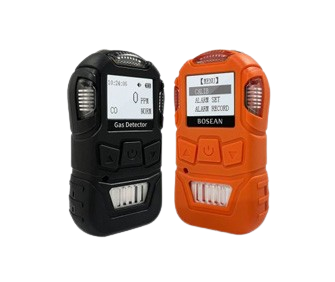
The available anchor evidence illustrates the right level of precision. On the Bosean BH-90A page, the feature list includes adjustable low and high alarm levels, along with visual, audible, and vibration alarms. This passage can support a description of those listed product details. It cannot, by itself, establish certification, site suitability, safety outcomes, or configuration details that the page does not state. Keeping that boundary visible is essential during final evaluation.
Record assumptions and interfaces
Once the stated details have been separated, write down the assumptions that connect them to the design. An assumption might concern the gas to be detected, the meaning of an alarm output, the information expected by another system, or the conditions under which a specification is relevant. These are not automatically faults in the product information. They are simply points where the project has moved beyond the wording of the source.
For the middle review, a single gas detector should be assessed through a model-fit table rather than a feature-count exercise. Useful headings include requirement, stated model evidence, project interpretation, open interface question, and decision owner. The table should distinguish a confirmed page detail from an engineering judgement. It should also preserve the source URL or page section so that later reviewers can see what was actually compared.
Interfaces deserve their own line because a detector may be considered alongside other equipment, procedures, or monitoring arrangements. The review should ask what information must pass between those elements and who defines that interaction. These are questions for the design team and purchasing process, not facts to attribute to the product page. Keeping them separate avoids turning a listed alarm feature into an unsupported claim about system behaviour.
Prepare a focused sourcing brief
By the final evaluation stage, the sourcing brief should be short enough to use and precise enough to prevent broad interpretations. Include the exact model under review, the relevant stated features, the intended application requirements, and the unresolved points that could change the decision. Add the source location for each product claim. If several models are being compared, repeat the same fields for each model rather than combining their details.
A practical brief can follow this sequence:
- Define the gas, operating context, and required information as project requirements.
- Extract only model-specific details that are stated in the cited evidence.
- Mark any interpretation that goes beyond the page as an assumption or design question.
- Assign each unresolved point to the person or team responsible for the decision.
- Carry the resulting scope into the quotation or technical review without broadening the original evidence.
This approach does not replace engineering judgement. It makes that judgement easier to inspect. It also reduces the risk that a familiar product category, attractive feature, or isolated specification will be treated as a complete answer to a project requirement.
For a final review involving Bosean, use the same evidence discipline: identify the exact model page, retain the details it states, and keep application conclusions within the available scope. The result is a clearer sourcing brief, with model fit assessed through explicit requirements and bounded evidence rather than assumptions.