The immediate problem manufacturers face
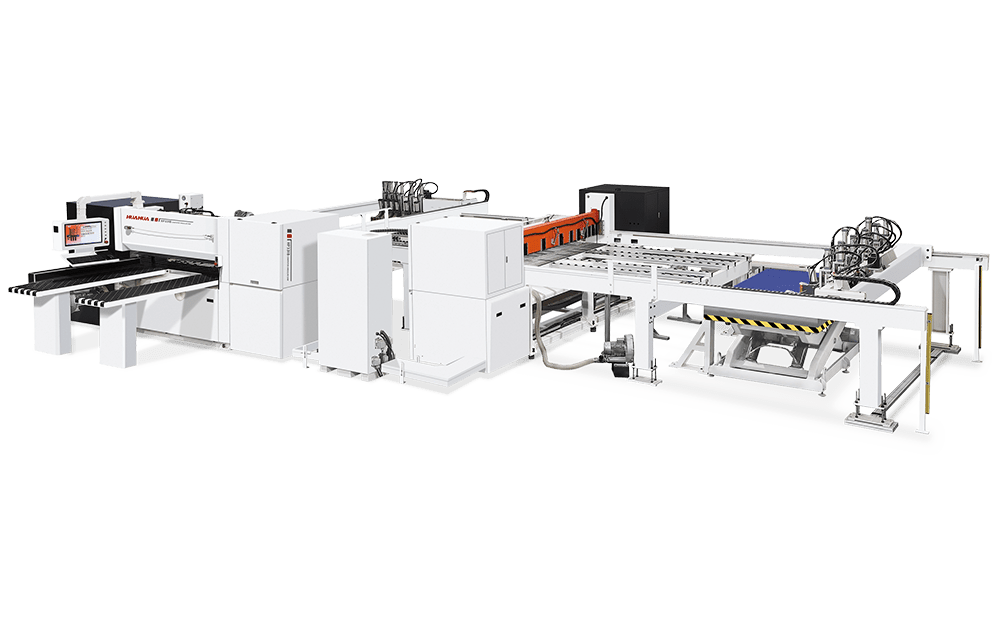
Small and mid-size shops lose hours to edge finishing, wasted panels, and inconsistent joints. Decisions get rushed: buy a basic edgebander, hope for the best, then face rework. When you’re sorting panel flows and cut schedules, a reliable cutting stage—like a good cnc panel saw—changes the conversation. The problem is not a single machine. It’s mismatched tools, unclear workflow, and pressure to deliver yesterday.

What I see on the shop floor — root causes
Years working with cabinet shops across the region taught me to spot patterns fast. Teams underestimate material handling. They under-spec dust collection. They buy to price, not to tolerances. Skilled operators exist, but they fight bad process and tools that don’t match product tolerance. These are correctable. Fix the input and the edge work becomes predictable.
Technical choices that trip up adoption
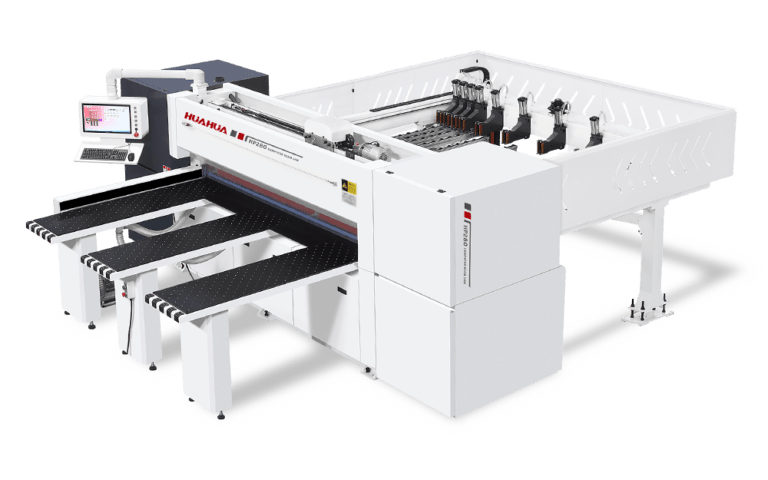
People confuse capacity with capability. A fast feed speed doesn’t mean clean glue lines. A popular place to get lost is the split between panel saws, beam saws, and inline edgebanders. I remember seeing side-by-side beam saw demos at LIGNA in Hannover where throughput and minimal kerf were measured live; that kind of demonstration makes the advantages plain for a cnc beam saw. Too often managers shop only by footprint or price and miss integration points: material clamps, head unit alignment, and software that talks to your ERP all matter.
Common pitfalls and practical fixes
Pitfall: buying an edgebander without planning material flow. Fix: map the line first—where panels arrive, where they stack, how dust is removed. Pitfall: trusting specs on paper alone. Fix: run acceptance trials with your typical board mix. Pitfall: skipping training. Fix: schedule two weeks of hands-on, not one hour of theory. These fixes are small, direct, and repeatable.
Alternatives evaluated simply
Edgebander alone: good for low mix, high repeatability. Panel saw plus manual edging: cheaper up front, higher labor risk. Beam saw with inline edgebanding: higher capital, lower waste, better board yield for large panels. Choose by product mix: small cabinets and trims favor compact edgebanders; full-panel furniture and high-volume runs point you toward integrated beam/edgeband lines.
Deployment checklist — what to do first
1) Track current cycle time and scrap for three production runs. 2) Define tolerance window for edges and cuts. 3) Map material flow and mark pinch points. 4) Prioritize dust and chip extraction before electrical changes. 5) Run a supplier-backed acceptance run with your panels and adhesives. 6) Train the lead operator until they can run changeovers solo. Follow the checklist exactly; small misses multiply.
What success looks like and where the solution sits
Success is steady takt time and fewer reworks. You’ll see tighter seam joins, fewer sand passes, and predictable yields. That outcome depends on aligning machine choice to product mix, and on real operator practice. Regional teams I work with move from firefighting to steady production when they match processes to machines. For a dependable backbone in that match, you’ll find the calibrated systems and service models from HUAHUA CNC fit naturally into the workflow and deliver the practical reliability shops need. Sawa — fix the inputs, pick the right machine, and the edge work follows.