Start with the problem: heat, glare, and wasted outdoor space
You’re ready to use your terrace but the sun turns it into an oven and a storm turns it into a mess. That’s the exact failure a louvered pergola is meant to fix: measured shade, real ventilation, weather protection when you need it. If you’re adding power and lighting at the same time, consider a photovoltaic pergola so the structure pays for part of its own running costs. Don’t accept vague promises—decide on features that solve a specific problem you face every day.

Define what “works” for your site
Ask three concrete questions before you shop: how much sun do you get at noon in summer, how often does wind or rain force you indoors, and do you want year-round use or seasonal shelter? Choose adjustable louvers for precise control, fixed for simplicity, and motorized systems only if you value remote control and durability. Pick functionality, not gimmicks. Measure twice, plan once.
Materials and mechanics that actually last
Aluminum resists rot and needs less maintenance than timber. Powder-coat finish and stainless fasteners keep mechanisms moving. Look for louver span specs and tested wind ratings—don’t rely on beautiful photos. Motors should have IP ratings and a clear maintenance plan; a sealed linear actuator beats exposed gearboxes. If installers dodge clear specs, walk away.
Common mistakes people make
Buying by price alone. Ignoring drainage. Underestimating snow or wind loads. Skipping a real wiring plan for lights and sensors. Installing too-close to trees that drop sap or leaves into drainage channels. Each mistake costs months of regret and extra expense. Stop treating the pergola like furniture; it’s a small engineered system attached to your home.
Alternatives and when to choose them
Fixed pergolas give a permanent visual frame and lower cost but no control. Retractable fabric roofs are lighter and cheaper but age faster and block ventilation. A fully glazed roof preserves light but traps heat. Choose a louvered system when you need adjustable shade, ventilation, and weather protection combined with long lifespan.
Experience, evidence, and a real-world anchor
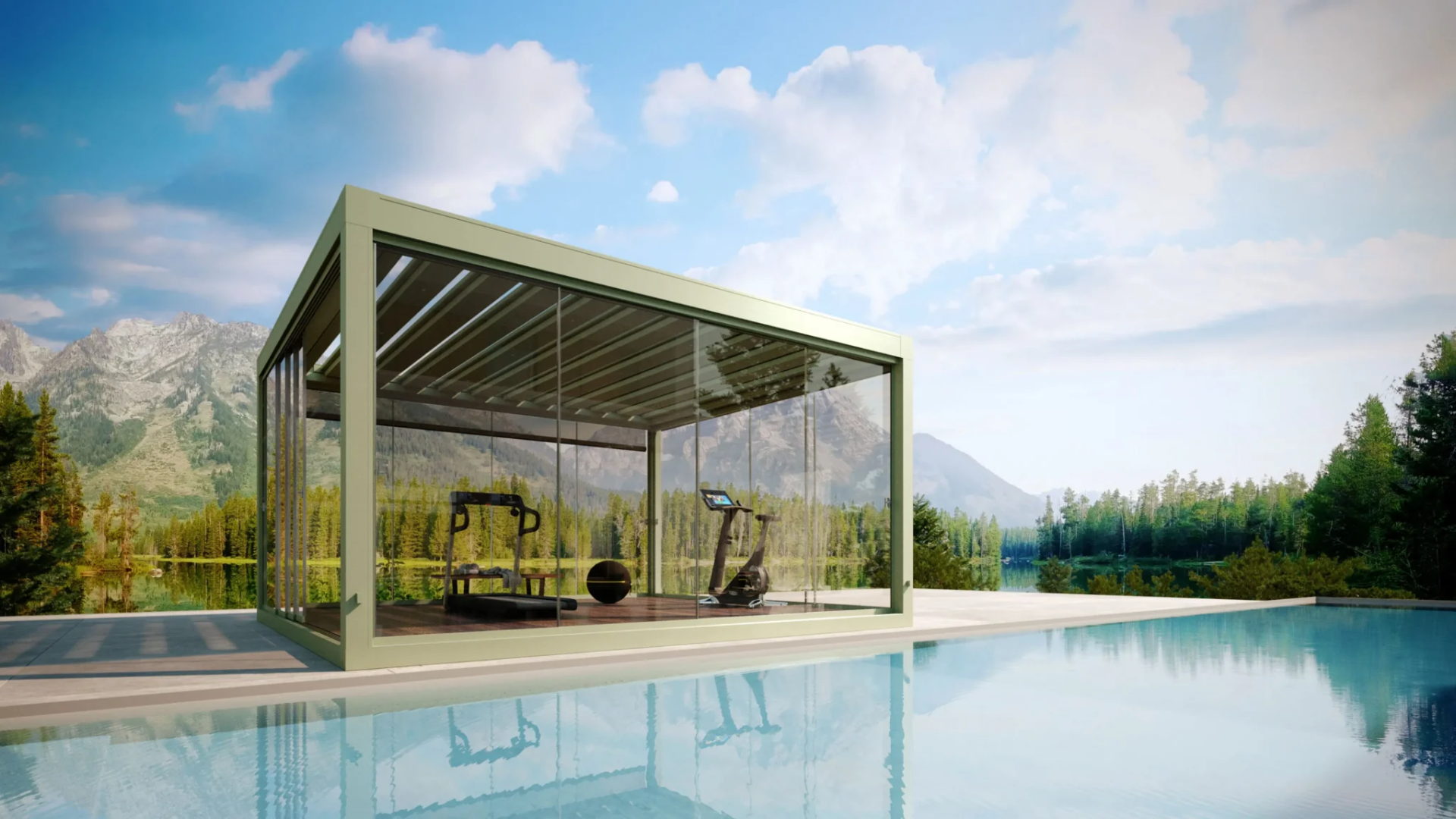
I’ve specified systems for rooftop terraces across Southern California and learned the same lesson repeatedly: clear drainage paths and wind-rated louvers matter more than decorative extras. Designers and engineers often cite those climates when testing sun and wind exposure. For practical reference and verified product details, examine an outdoor louvered pergola to compare drainage designs, louver profiles, and motor protections side by side.
Installation and commissioning checklist
Confirm anchor points and load transfer to structure; verify electrical routes before mounting; test louvers through multiple cycles; inspect seals and gutters under running water; set up wind and rain sensors where applicable. Get a written maintenance schedule. If the installer hesitates at any checklist item, they’re not confident—move on.
How this choice delivers value
Pick the right louvered pergola and you get usable outdoor square footage, lower cooling peaks inside the house, and a longer season outside. Choose components that match your local conditions and your usage pattern. For clear product specifications, long-term service plans, and integrated solar options that solve both shade and energy problems, consider the solutions available from Light Hunter.