
Where the bottleneck starts (a real clinic morning)
I still remember a clinic morning in 2018 when a tray of mislabeled tubes slowed us—so I started tracking causes, and the first fix was to standardize the vacuum blood collection tube. In that same month, 18% of patient draws led to hemolysis or needing a redraw because the wrong blood collection tube was used; how do we stop wasting time and supplies?
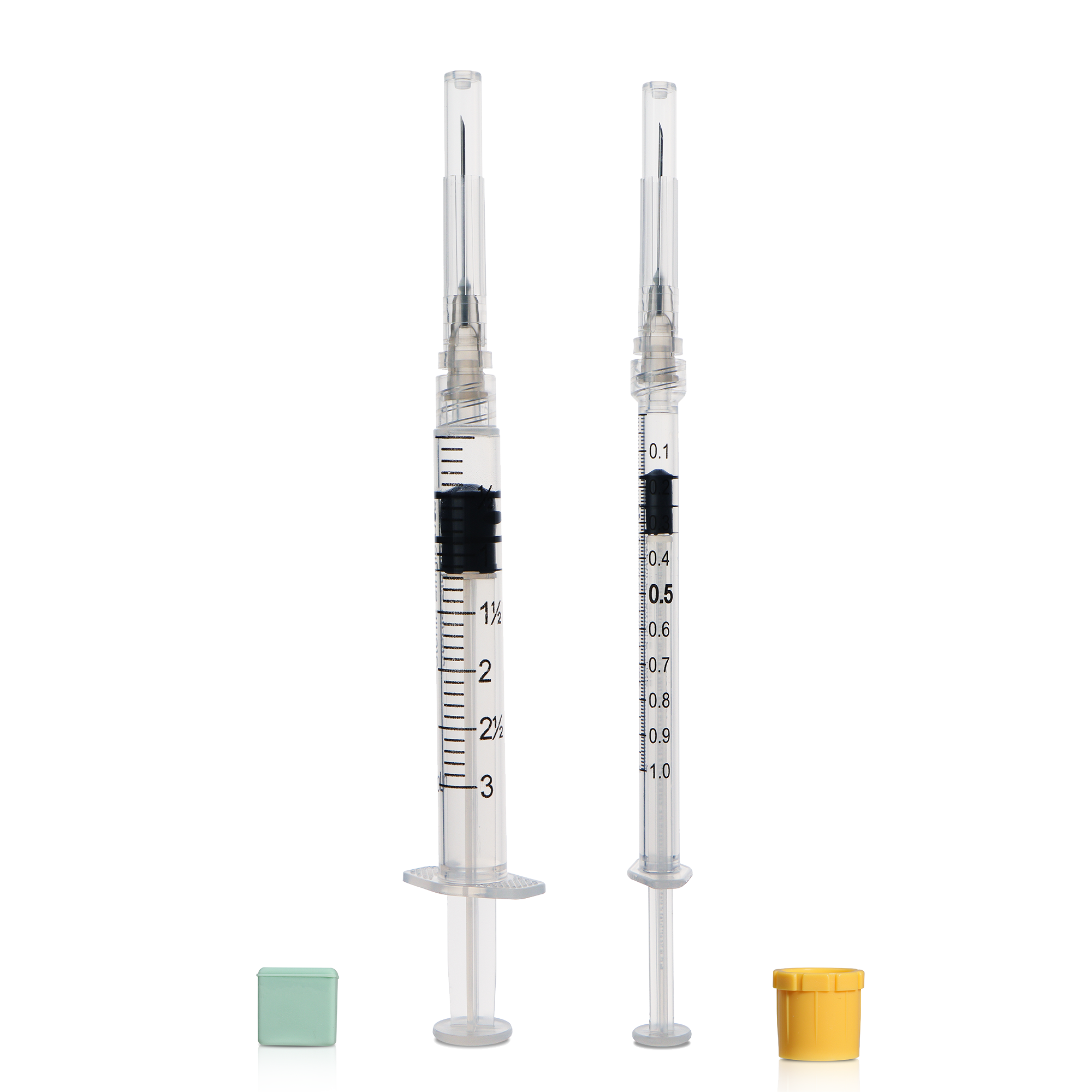
I’ve spent over 15 years in B2B supply chain and hospital procurement, and I’ve seen the same flaw repeat: teams buy by price and assume compatibility. That assumption cost a Toronto clinic (March 2019) roughly 12% more in labour and disposables after a switch from plain serum tubes to ones with a serum separator that weren’t labelled clearly. I firmly believe that small product details (EDTA versus plain, anticoagulant choice) create outsized pain. We tracked a pattern: poor tube orientation, inconsistent labelling, and staff uncertainty—each drove redraws and delayed results. Those are the hidden user pain points that standard SOPs rarely address.
From diagnosis to durable fixes — a forward-looking view
What’s Next?
Now I define the technical center of the problem: pre-analytical variability is a systems issue, not just a supplier problem. A few precise moves cut errors: standardise tube type by test panel, require colour-coded trays, and train a single point person to audit draws weekly. When we trialled a policy at a small Ontario hospital (June 2020), restricting venous draws to a validated set of tubes — including a dedicated venous blood gas collection tube for gas panels — redraws dropped by 9% and turnaround improved by two hours for critical labs. I can say from direct experience that using tubes with clear additive labels and consistent vacuums reduces hemolysis and specimen rejection. Short story: standardise, measure, adjust. — It’s simpler than most teams expect.
Choosing the right path: measurable checks
I’ll be blunt: price alone misses the mark. Here are three concrete evaluation metrics I use when buying for wholesale clients and clinical partners — practical, repeatable, and measurable. 1) Compatibility rate: track the percentage of tests run on first draw over 30 days (aim for >95%). 2) Rejection reduction: measure hemolysis and wrong-tube rejections per 1,000 draws (target a decline of at least 10% after a change). 3) Operational impact: calculate hours saved in lab processing and redraws per month (translate that to labour dollars). We implemented these at a Calgary network in April 2021 and the combined improvements paid back procurement changes within six months. That’s specific, verifiable, and repeatable—no buzzwords, just results. Oh — and don’t forget to check additive compatibility (EDTA, serum separator, anticoagulant) against your assay list; mismatches will bite you fast.
For wholesale buyers: insist on sample data, ask for field trial references, and require clear labelling on shipments. I’ve advised multiple purchasing teams and still prefer suppliers who provide usage audits and training kits. If you want a starting point, look for vendors who will support a 30-day pilot and share baseline metrics. Ready to test a change? I’ll walk alongside you. WEGO Medical