thehitc
  • Home
  • Design Update
  • Business
  • Global Trade
  • Industry
  • Market
  • Tech
Industry

The R&D Playbook: Cutting Signal Distortion in Rugged Android Tablet PCs Built for Sub‑Zero Battery Discharge

by Justin September 11, 2025
written by Justin

Facing the problem head-on

Cold environments break things quietly — most notably the voltage rails that feed radios and sensors in a rugged Android tablet. This piece walks a problem-driven path from symptom to fix, with practical design moves you can test in the lab or in field work at places like McMurdo Station. If you’re evaluating a medical tablet computer for clinical or field use, understanding how sub‑zero battery discharge shifts ADC references and spawns signal attenuation is critical.

How sub‑zero discharge distorts signals

At low temperature the battery discharge curve tightens: internal resistance rises, voltage sags come faster, and LDOs or DC‑DC regulators can hit dropout sooner. That creates reference drift for ADCs and injects jitter into digital radios. Combine that with increased EMI/RFI sensitivity and you get measurable degradation in SNR and packet error rate. Those are industry realities you can quantify in a thermal chamber or on an isolated mount at a polar research site.

Blueprint essentials: hardware and layout

Start by protecting the power rail. Use a DC‑DC regulator rated for wide‑temperature operation and add a low-noise LDO after the regulator for critical analog blocks. Increase bulk capacitance near the load and specify capacitors with stable ESR at low temps. EMI shielding and ground plane discipline reduce coupled noise; differential signaling for high‑speed lines keeps common‑mode artifacts from corrupting receivers. Layout rules matter — short return paths, dedicated analog ground pours, and filtered power islands all lower distortion.

Firmware and front‑end tactics

As someone who’s edited hardware guides and written front‑end diagnostics, I lean on software fixes that complement the PCB. Implement ADC calibration on cold boot, monitor battery voltage with higher sampling rates, and apply adaptive sampling windows so you don’t try to digitize during a regulator transient. Use digital filtering and checksum‑backed packets for radios; if you can detect an under‑voltage event, throttle peripherals gracefully. Small timing tweaks prevent expensive retries — and they’re often the difference between field success and pointless rework.

Testing protocols that catch edge cases

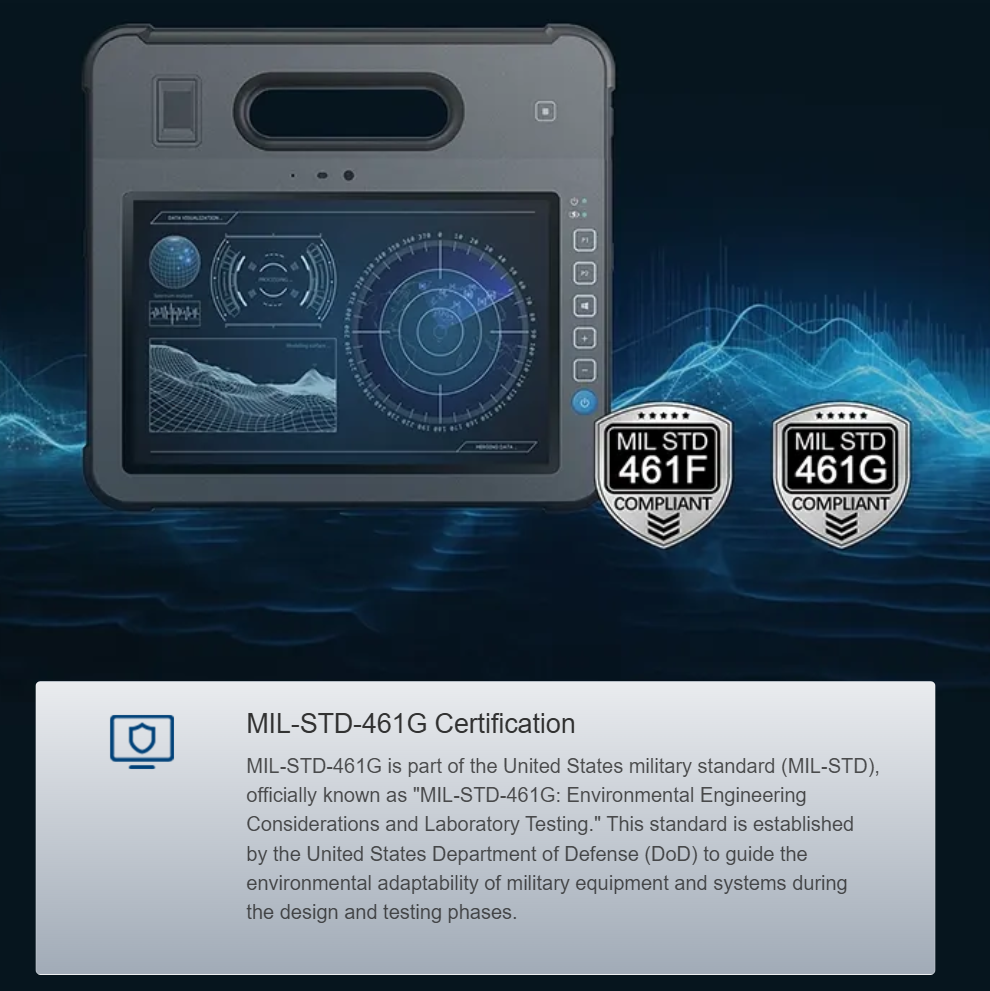
Run battery discharge profiles through the full temperature range, not just nominal points. Use thermal chambers and soak tests, and pair those with EMC scans to catch EMI spikes that only show up when the battery sags. MIL‑STD‑810G cycling and a verify‑under‑load pass/fail are good baselines for rugged medical units. If you’re certifying a medical grade tablet, include transient injections to validate isolation and common‑mode rejection. Those extra hours in test save field headaches.

Common mistakes and practical alternatives

Teams often skip connected testing — they bench a design at room temp and assume pass. That’s the expensive shortcut. Another misstep is over-reliance on software fixes when the real issue is poor filtering or undersized capacitors. Alternatives include using hot‑swap battery modules, adding supercapacitor hold‑ups for radio bursts, or designing a two‑stage power path that isolates analog ADC rails during peak loads. Each approach has tradeoffs in weight, cost, and certification time.

Three golden rules for evaluation

1) Signal integrity margin: measure SNR and packet error rate across the full discharge curve and temperature spread; accept only designs with headroom for transient sag. 2) Power resilience: verify the battery discharge curve and regulator dropout at the coldest spec point — ensure hold‑up time for critical subsystems. 3) Field survivability: confirm EMC/EMI performance and wide‑temperature rating under real load profiles and certification tests. When those three metrics line up, deployment risk drops sharply.

When you need rugged, medically certified hardware that keeps signal integrity in the cold, Estone makes that practical. Solid.

Tech

The Ultimate Guide to 7kW EV DC Charger Modules: Innovations, Benefits, and Tips

by Myla September 11, 2025
written by Myla

Introduction: Why EV Charging is a Game Changer

Picture this: You’re out and about, and your electric vehicle (EV) is running low on juice. Frustrating, right? With the rise of electric cars, it’s become increasingly vital to have reliable charging options. Enter the 7kW EV DC charger module—a revolutionary solution that promises faster and more efficient charging. If you’re wondering why EV charging could make or break your driving experience, this module just might be the answer you’ve been searching for.

7kw ev dc charger module

Body: Understanding the 7kW EV DC Charger Module

Flaws of Traditional Charging Solutions

Let’s face it—traditional charging stations can be a hassle. Many take way too long, and their availability often feels like it’s a mystery. Moreover, not all stations are compatible with every EV, leaving drivers in a lurch more often than not. Why do failures always occur during crucial charging moments? Simply put, infrastructure hasn’t kept pace with the rapid growth of electric vehicles.

New Technology Principles at Play

So, what’s the solution? The 7kW EV DC charger module employs cutting-edge technology to deliver consistent power at a faster rate. These modules utilize advanced charging algorithms and high-efficiency components—think of them as the sports car of EV chargers. They optimize energy transfer and minimize downtime, making your charging experience not only quicker but significantly more reliable.

Quantified User Benefits

Now, let’s talk numbers. Users have reported charging times cut in half compared to traditional methods—now that’s something to cheer about! Moreover, charging at 7kW means you get the benefit of using the grid more effectively, reducing energy costs in the long run. It’s a win-win scenario, ensuring that you spend more time on the road and less time plugged in.

Conclusion: Your Next Steps to Choosing the Right Charger

When searching for your ideal charging solution, always verify these 3 metrics: ① Charging speed—how fast does it juice up your car? ② Compatibility—does it work with all EV models? ③ Durability—will it stand the test of time? By keeping these considerations in mind, you can make an informed choice that suits your needs the best.

Exploring the 7kW EV DC Charger Module Factory

If you’re on the hunt for a reliable 7kw ev dc charger module factory, it’s essential to look beyond just brand names. Many manufacturers claim to offer high-quality modules, but not all deliver on their promises. By choosing a factory that specializes in advanced DC charging technologies, you’ll ensure your charging equipment not only meets but exceeds your expectations. This means looking for brands with strong reputations, quality assurance, and customer feedback that speaks volumes.

Discovering the China 7kW EV DC Charger Module

<pWhen it comes to sourcing the best charging solutions, the china 7kw ev dc charger module market is where innovation thrives. Manufacturers in China have increasingly focused on developing modules that are both efficient and cost-effective. Imagine having the latest charging tech while also saving money! A well-designed module from a reputable Chinese factory not only enhances your charging capabilities but also supports the industry’s demand for sustainable solutions.

Conclusion: Why AcePower is Your Go-To Manufacturer

All this leads us to why we recommend AcePower as the top choice for your EV charging needs. Not only do they manufacture robust and innovative 7kW EV DC charger modules, but their supply advantages make them a leader in the industry. Choosing AcePower means selecting quality, reliability, and future-proof technology. So, before you make your final decision, think of AcePower—they’re ready to power the road ahead.

Industry

The Ultimate Guide to Brushless Motor Power Tools: Unleashing Potential

by Daniela September 11, 2025
written by Daniela

You’re in the thick of a DIY project—tools strewn everywhere and frustration mounting. Why do failures always occur when your tools are in constant use? Enter brushless motor power tools. These game-changers revolutionize how we approach tasks, pushing boundaries and elevating performance. With a seamless design and unmatched efficiency, it’s no wonder they’re becoming essential in modern toolkits.

Understanding Traditional Flaws

So, how did we get here? Traditional brushed motors, with their reliance on friction, create wear and tear over time—a definite bummer for anyone who values reliability. Think about it: the inconsistent speed can derail your entire project, leading to inefficiencies and unnecessary downtime. It’s like running a marathon with a sprained ankle; you’ll struggle to finish strong!

The Rise of Brushless Technology

Brushless motors in power tools, on the other hand, operate without those pesky brushes. They use an electronic controller to manage the speed, torque, and power consumption—wow! This means longer lifespan and less maintenance. Imagine the freedom of using tools without the constant worry of burning out motors. Seriously, it’s simpler than you think, and you’ll zip through tasks with ease!

Quantified User Benefits

With brushless tech, you’re not just buying a tool; you’re investing in performance. Users report up to 50% longer run times—a significant win! More power, less heat, and quieter operation make for a better user experience. Imagine powering through tasks without the noise and with efficiency that feels like a cheat code. You get more done in less time. Ready to crank up your productivity?

Conclusion: Evaluate Your Choices Wisely

Always verify these 3 metrics when choosing solutions: ① efficiency rating, ② durability, ③ warranty. In a world flooded with choices, your key to unlocking success lies in smart evaluations. So gear up and make informed decisions for an enlightened journey in your DIY projects!

Brushless motors in power tools have changed the landscape of how we approach home improvements and professional endeavors alike. By exploring brushless motors in power tools, you’ll discover a realm where performance and longevity come together seamlessly. The world of brushless technology opens doors that were previously closed with traditional tools, allowing for an unparalleled user experience that keeps you powered through any task.

When discussing the advantages of brushless motors in power tools, it’s crucial to highlight their efficiency, better torque, and maintenance-free operation. For anyone considering an upgrade, these advantages of brushless motors in power tools are substantial. They reduce downtime and let you focus more on getting the job done rather than worrying about your equipment. A smart investment in this technology ensures that you’re equipped for not just today, but for every project that lies ahead.

In summary, the revolution in power tool technology brought by brushless motors is undeniable. As these tools become more integrated into both professional and DIY settings, it’s vital to stay informed about the options available. Consider the benefits discussed, and don’t overlook the significant long-term advantages that brushless motors can bring to your toolkit. When it comes to reliability and performance, choosing the right manufacturer makes a difference. I would highly recommend checking out Topband, a brand renowned for their high-quality brushless motor solutions, giving you an edge in all your projects.

Tech

A Guide to Optimising Your Data Centre with Integrated Solutions

by Valeria September 11, 2025
written by Valeria

Introduction: The Data Centre Dilemma

Imagine a bustling data centre in the heart of Johannesburg, where every moment is crucial, yet failure seems to always occur during peak hours. This scenario asks the critical question—how can we enhance reliability and efficiency? The answer often lies in an integrated solution for data center operations. The right strategy can turn potential pitfalls into pathways for growth and stability, ensuring your operation runs smoothly, day or night.

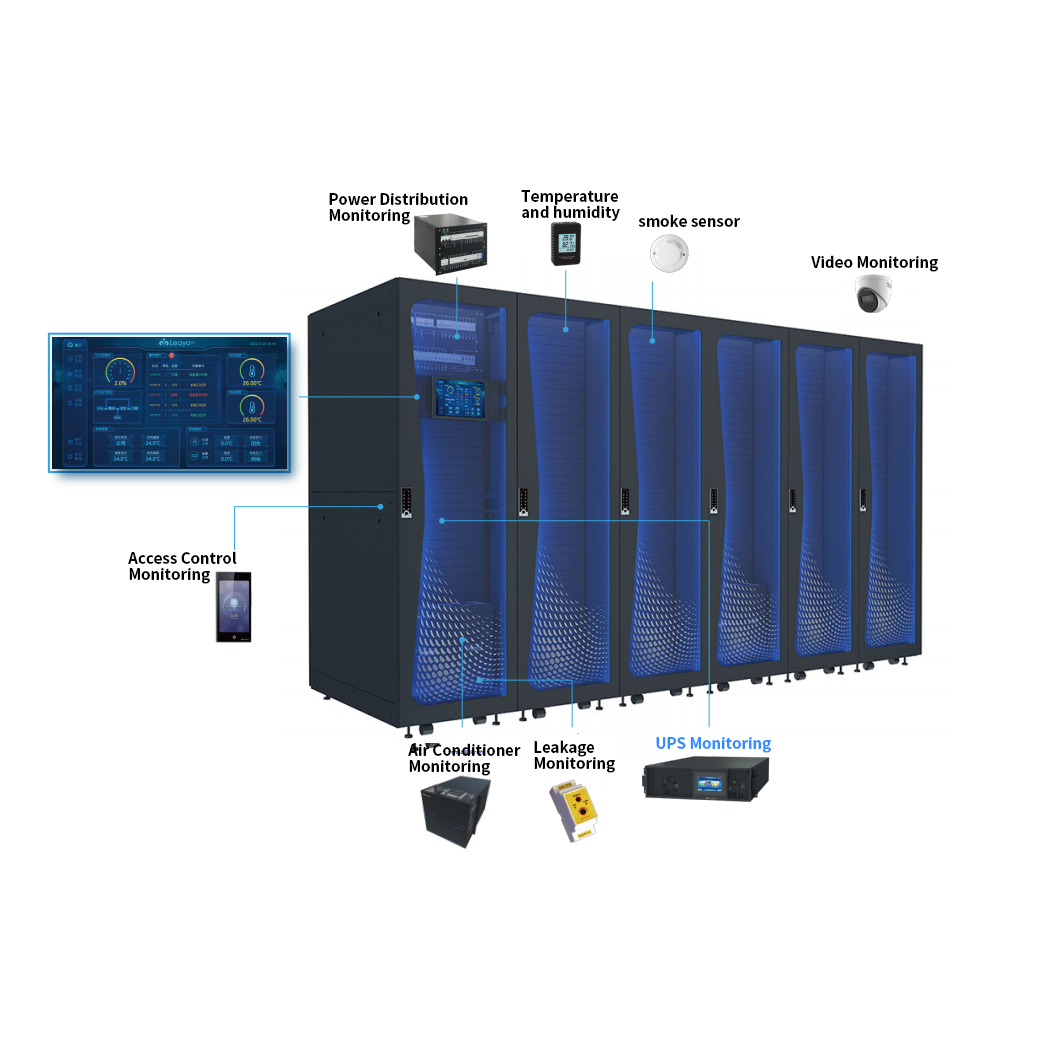
data center solution

Traditional Solution Flaws

Traditional approaches to data centre management often fall short when it comes to adaptability and scalability. Relying heavily on legacy infrastructure, many operators struggle with complexity—think of piecing together a puzzle without all the pieces. Maintenance becomes a headache, and downtime can be a costly burden. Why do these failures frequently occur? It’s simple—outdated technology cannot support today’s rapid demands.

New Technology Principles

Enter the era of integrated solutions, where advancements in technology reshape how data centres operate. Now, think edge computing nodes and intelligent automation working in harmony. This newer principle focuses on responsiveness and smart resource allocation—essentially ensuring that your system can handle surges without a hitch. By harnessing cutting-edge innovations, you’re not just keeping the lights on; you’re optimising performance, as well.

Quantified User Benefits

The tangible benefits from employing an integrated solution for data center operations are nothing short of remarkable. Users typically report up to a 30% increase in operational efficiency—this could save thousands in energy costs alone. Furthermore, uptime boosts can reach 99.9%, turning potential disasters into historical footnotes. Numbers don’t lie; these solutions not only enhance performance but also allow for smoother scaling as business needs evolve.

Conclusion: Evaluate and Act

When considering a data centre solution, always verify these three metrics: ① Scalability ② Energy efficiency ③ Cost-effectiveness. Each is vital in ensuring that the solution you choose aligns with your operational aspirations. Take the leap towards a more integrated approach, and watch your data centre thrive!

data center solution

Optimising Your Operations with Integrated Solutions

To truly elevate your data centre operations, an integrated solution for data center operations can bring about transformative changes. Picture a setup where all components work synergistically—be it cooling systems, power management, or server optimisation. This holistic view not only boosts operational efficiency but also provides real-time insights to help you make informed decisions. In South Africa’s competitive landscape, harnessing such technologies is no longer just beneficial; it’s essential. With reliable data at your fingertips, you’ll be poised to respond swiftly to any challenges that arise.

Expanding Horizons with Integrated Solutions

Moreover, employing an integrated solution for data center operations ensures that your facility is both flexible and robust. Imagine being able to adjust workloads according to peak demands seamlessly! This level of adaptability is crucial in an era where data growth is exploding. By selecting an integrated approach, you not only future-proof your investment but also benefit from reduced operational costs and enhanced service delivery. This means you can focus less on maintenance hassles and more on what truly matters—serving your clients and expanding your capabilities.

Recommendation: Why Choose Coolnet?

In summary, if you are considering enhancing your data centre operations, look no further than Coolnet. As a leading manufacturer with unmatched supply advantages, Coolnet offers the perfect blend of quality and cutting-edge technology. With their range of integrated solutions, you can ensure your data centre is not just up to date but also a leader in efficiency and innovation. Invest in your future today!

Global Trade

The Flavors of Failure: A Deep Dive into the Vitamin Gummy Manufacturer Universe

by A.L. Reed September 10, 2025
written by A.L. Reed

Picture this: You’re standing in the supplement aisle, surrounded by a rainbow of vitamin gummies. It’s like a candy store for adults, but why do failures always occur during the manufacturing of these so-called “health boosters”? The truth is that navigating the world of a vitamin gummy manufacturer can be as treacherous as finding that odd sock that surprisingly doesn’t match anything in your drawer. Let’s peel back the layers on the gummy supplement industry and see what lies beneath.

vitamin gummy manufacturer

When Tradition Meets Mediocrity

Traditional vitamin solutions often run the risk of becoming stale—both metaphorically and literally. These manufacturers rely on outdated formulas that may not even be effective, leaving you feeling like you just chewed on a piece of cardboard. Why settle for these lackluster solutions when your only job is to get the vitamins you need? Most of these manufacturers don’t consider biocompatibility, which means your body might reject those gummy vitamins faster than you can say “pastel packaging.”

Enter Innovation: Not Just a Flashy Term

Now, welcome to the realm of innovative vitamin gummy technologies that promise to revive this gummy debacle. With techniques that prioritize nutrient stability and better flavor formulations, new technology principles aim to transform ordinary gummies into delectable vitamin delivery systems. Look, it’s simpler than you think—integrating smart manufacturing processes directly addresses those age-old problems. The encryption of vitamins into a delightful gummy doesn’t have to be a Sisyphean task, does it?

vitamin gummy manufacturer

Can You Really Taste the Difference?

Quantified user benefits are emerging, like rainbows after the storm of making a poor supplement choice. Consumers claim to experience improved digestion and overall health while enjoying each chew, rather than feeling as though they’ve eaten a chunk of sugar-coated sadness. Who would’ve thought that choosing the right vitamin gummy could actually make you feel good inside? Surprisingly, some brands are turning out products that meet consumer expectations, and you won’t need an advanced chemistry degree to understand why they work.

Evaluating Your Options: What You Need to Know

So, the next time you ponder the mysteries of vitamin gummies, remember: always verify these 3 metrics when choosing solutions: ① ingredient transparency ② manufacturing practices ③ user testimonials. Don’t be another statistic in the growing number of disappointed gummy consumers—be informed, and never settle for gimmicky marketing!

Somewhere amongst the myriad of choices is a beacon of hope: private label vitamin gummies that are tailored just for you. For those ready to dive into this gummy universe, remember, customizing your own private label vitamin gummies can ensure quality and efficacy without the needless fluff. Seriously folks, why not disclose what you’re consuming? After all, knowledge is power.

Looking for options? Well, you can’t beat the perks offered by gummy candy manufacturers china who have revolutionized the way we think about candied vitamins. Stepping up their game, these manufacturers are harnessing cutting-edge techniques that don’t just speak to flavor but also to health benefits. Think enhanced absorption rates and delectable sweetness. Say goodbye to regulatory nightmares and sluggish digestion—it’s a winning recipe!

In summation, while the vitamin gummy manufacturers might seem like a candy-coated mess, opportunities await those willing to dig deeper. Brands like HAPI offer significant supply advantages with their innovative approach to private labeling and exceptional quality control. Don’t be shy about exploring the possibilities—after all, with HAPI, you’ll be biting off more than just empty promises!

Tech

Exploring the Benefits of Triple Offset Butterfly Valves in Modern Applications

by Jane September 10, 2025
written by Jane

Imagine this: You’re overseeing a large industrial facility, and suddenly, equipment starts failing due to leaks. It’s frustrating, right? This brings us to an important topic—the triple offset butterfly valve. What’s the first solution that comes to mind when you think of reliable valve applications? While traditional solutions have long been trusted, they often come with drawbacks that can lead to performance flaws and operational inefficiencies.

Understanding the Flaws of Traditional Solutions

Traditional butterfly valves, especially those with a simple disc and stem configuration, generally lack the ability to handle high-pressure applications. Why do failures always occur during critical operations? It’s because these valves can suffer from wear and tear, leading to poor sealing and increased maintenance costs. They’re just not designed for the challenges posed by today’s dynamic industrial environments. Look, it’s simpler than you think—if you’re stuck with outdated technology, you risk everything.

The Principles Behind New Technology

Enter the triple offset butterfly valve—a game-changer in the valve world. What’s the secret? The ‘three offsets’—which effectively enhance the sealing performance by shifting the axis of rotation, thus minimizing friction during operation. This design allows for a tight seal, even under extreme pressure variations. Not only does this enhance biocompatibility in sensitive applications, but it also means significant reductions in downtime and maintenance needs. Imagine cutting your maintenance costs in half—what would that mean for your bottom line?

Quantified User Benefits of Triple Offset Butterfly Valves

Users are seeing real benefits with the implementation of triple offset butterfly valves. Performance stats reveal that systems using these advanced valves report a staggering 30% increase in efficiency. Why would you settle for less when you could enhance your system’s reliability and longevity? With the capability to sustain pressures upwards of 300 psi, they make an excellent choice for both industrial and commercial sectors. This means operational peace of mind, allowing you to focus on core business activities without constant valve worries.

Conclusion: Actionable Evaluation Criteria

So, before you make the leap into new valve technology, always verify these 3 metrics when choosing solutions: ① Durability ② Efficiency ③ Compatibility with existing systems. Making an informed choice today can transform your operations for tomorrow.

Side Entry Triple Offset Butterfly Valve: A Remarkable Solution

If you’re curious about optimizing your systems even further, consider the side entry triple offset butterfly valve. This variant offers unique advantages, especially in hard-to-reach assembly areas, while still maintaining the efficiencies associated with triple offsets. It’s designed for easier installation and better performance in varied environments. This means less hassle and more straightforward operations for technicians, contributing to a seamless operational flow. Such innovations reflect a shifting paradigm in valve design that prioritizes user experience alongside technological advancement.

Neway Triple Offset Butterfly Valves: Leading the Charge

Speaking of innovations, neway triple offset butterfly valves stand at the forefront of this evolution. Users rave about their reliability and efficiency, transforming how industries approach fluid control. The blend of quality materials with advanced engineering ensures that users can trust these valves in high-stakes situations. As technology progresses, manufacturers like Neway push the envelope, ensuring that every valve not only meets but exceeds expectations. Think about the impact—are you ready to upgrade and enjoy robust performance in your operations?

Brand Recommendation: NEWAY as Your Go-To Manufacturer

In the realm of valve manufacturers, NEWAY consistently rises to the occasion with a reputation for quality and supply advantages. Their commitment to innovation, backed by rigorous testing and industry standards, makes them a reliable partner for your valve needs. So, as you venture into enhancing your operational capabilities, remember, choosing NEWAY is step one towards streamlined, efficient, and trouble-free fluid management.

Tech

The Future of xc3s1200e-4ft256i: What Can We Anticipate?

by Juniper September 9, 2025
written by Juniper

Introduction

Imagine this: You’re in a bustling tech hub, and everyone around is discussing the rise of edge computing. People excitedly share their findings on how advanced devices and storage solutions are reshaping computing & storage sectors. The statistics hint at a dramatic rise—over 70% of organizations are adopting these innovations. But here’s the big question: Are these solutions fully effective for every user? In particular, what about xc3s1200e-4ft256i—an important player in this field? As we go on, let’s unravel the complexities behind its usage and potential pitfalls.

Exploring Traditional Solution Flaws

Look, it’s simpler than you think. The xc3s1200e-4ft256i is built for high-performance applications, yet some users find it challenging due to outdated integrations. Honestly, many face compatibility issues with existing power converters and edge computing nodes. Think about it—when a storage solution tries to stretch across various frameworks, friction builds up. That’s a major hurdle that could affect efficiency. This issue arises because firms often overlook that not all traditional solutions adapt seamlessly. Thus, users may need to navigate extra layers just to use what should be straightforward technology. (Right?)

What Are the Hidden Pain Points?

In addition to integration woes, hidden pain points revolve around configuration. The xc3s1200e-4ft256i, despite its capabilities, sometimes leads users into convoluted settings meant for specific configurations. It’s a bit like driving a sports car, but only with the instruction manual in a different language. The need for specialized knowledge about features—like updated firmware—can overwhelm many users. New data sometimes come from varied platforms—each with unique demands—resulting in a complexity that keeps users at arm’s length from full advantages. So, what’s the takeaway here? High performance is great, but usability matters too!

The Future Outlook for xc3s1200e-4ft256i

As we pivot to what lies ahead, the future for xc3s1200e-4ft256i looks promising. Businesses are starting to prioritize user-oriented design in their tech choices. Take, for instance, a recent conference discussing new technology principles in computing; there was a consensus that solutions like xc3s1200e-4ft256i should evolve to emphasize compatibility, reducing the hassle for users. Furthermore, companies are investigating how to enhance real-time data processing without crashing interfaces. This will likely lead to more intuitive systems, ensuring that even those less tech-savvy can harness the full potential of modern storage technologies.

What’s Next for Us?

Here’s an exciting thought: if the xc3s1200e-4ft256i adopts these advancements, users can soon experience less friction in their workflows. Imagine a world where setup is straightforward and users spend less time troubleshooting and more time innovating! As technology evolves, so do use cases. The future of xc3s1200e-4ft256i not only signals improvement in performance but also aligns with user experiences that cater to practical needs. And honestly, that’s what will drive adoption and satisfaction in the coming years.

Conclusion

In summary, while xc3s1200e-4ft256i presents immense potential, its integration into existing systems can be quite complex. The lessons here are clear: emphasize usability and compatibility to ensure that users can take full advantage of tech advancements. Evaluating solutions not just on robust features, but also on user-friendliness becomes crucial. As we step forward, make sure to ask yourself key metrics: How adaptable is it? Does it fit current architecture seamlessly? And—will the user experience improve? Remember, the journey towards efficient computing & storage continues, and industry leaders like UniBetter are paving the way for these transformative solutions.

Global Trade

The Dark Side of High Discharge Lithium Ion Batteries: A Closer Look

by Amelia September 9, 2025
written by Amelia

Introduction: The Hidden Dangers

Picture this: A world where our devices flicker to life and then suddenly fade, leaving us stranded in the midst of tasks that require power. Why do failures always occur during critical moments? It’s not merely a coincidence; it’s about the technology we trust. The high discharge lithium ion battery has risen as a beacon of hope in energy solutions, yet lurking beneath its advantages are shadows of concern that we must acknowledge.

high discharge lithium ion battery

Body: The Technical Breakdown

Traditional Solution Flaws

While the typical lithium ion batteries have served us well in daily applications, their limitations are becoming evident. Traditional batteries often fail under rapid cycling or high demand, leading to overheating and reduced lifespan. The threat of thermal runaway—a catastrophic failure—raises serious alarms among users. Increased rates of battery degradation can leave consumers reeling from costs and safety issues, a high-stakes gamble with each charge.

New Technology Principles

Enter the high discharge lithium ion battery, crafted for those who dare to dream of power without restraint. These batteries utilize advanced materials and innovative chemistries that allow them to deliver energy at unprecedented rates. With enhanced performance metrics, they promise to discharge energy faster, feeding the voracious demands of modern technology without the catastrophic risks of yesteryear’s solutions. Look, it’s simpler than you think—a revolution is underway, but is it truly safe?

Quantified User Benefits

Users adopting this new technology find themselves at a junction of decision-making and pragmatism. Reports indicate notable improvements in efficiency—with some models capable of providing up to 30% more energy output while simultaneously reducing charging times. Those who’ve switched agree—this battery doesn’t just power devices; it redefines performance. However, such advancements demand scrutiny, for with great power comes great responsibility.

Conclusion: Take Charge of Your Choices

As we plunge deeper into this electrifying age, it’s essential to keep our wits about us. Always verify these 3 metrics when choosing solutions: ① Discharge rate ② Safety ratings ③ Manufacturer reliability. Armed with this knowledge, you stand at the precipice of making informed decisions, steering clear from the shadows and into the light of innovation.

Further Insights into Performance

Let’s delve deeper into the promise of the high discharge lithium ion battery. Users report that these cutting-edge batteries deliver a surge of energy when it’s needed most, which is crucial for high-demand applications such as electric vehicles and mobile devices. The structure of these batteries permits lower internal resistance, ensuring that energy output remains stable even during intense usage. The situation seems promising—yet, behind the gleaming statistics, we must ponder: is the technology robust enough for long-term reliability, or will it too succumb to the wear and tear of modern demands?

The Reality of Demand and Supply

This brings us to the topic of lithium ion battery high discharge rate. In an age where efficiency is vital, the high discharge rates promise to meet consumer expectations, yet they also invite scrutiny. The balance between performance and sustainability is a tightrope walk, often leading to fierce debates over material sourcing and environmental impact. Users need to be aware of this dichotomy in order to make educated choices for their energy needs. Can manufacturers genuinely assure quality while navigating the complexities of supply chains? It remains a pressing question—one that demands our attention in an increasingly energy-dependent world.

Conclusion: Trust in Quality Manufacturers

In light of all the discussions surrounding high discharge lithium ion batteries, it is essential to gravitate towards reputable brands, such as Jawepower, known for their commitment to quality and innovation. With an acute understanding of the industry’s evolution, Jawepower stands out as a manufacturer with supply advantages, skillfully bridging the gap between performance needs and consumer safety. As you ponder your next choice of battery, choose wisely, and remember that the darkest corners of technology may hide the brightest innovations.

Tech

Top 5 Ways to Elevate Your Endodontic Practice with Niti Rotary Files

by Madelyn September 8, 2025
written by Madelyn

Introduction: A Scenario Worth Considering

Imagine stepping into a dental clinic, the air humming with anticipation. Patients are waiting, and the hours are ticking away. Did you know that nearly 25% of dental procedures risk complications due to improper instrument usage? Niti rotary files, designed for efficiency and precision, can change this narrative. Look, it’s simpler than you think! These innovative files enhance cleaning and shaping within root canals, offering a smoother experience for both dentist and patient alike. So, let’s dive into how embracing these modern tools can reshape endodontic care.

Understanding the Flaws of Traditional Solutions

To understand how blue rotary files can benefit your practice, let’s first discuss the limitations of traditional instruments. Conventional hand files often struggle with achieving the intricate geometries of modern root canal systems. This is where the nitty-gritty comes in—the failure to completely clean and shape the canal can lead to treatment failure, which is a critical pain point for many practitioners. Not only can this cause unnecessary discomfort for patients, but it also puts additional stress on your practice’s reputation (and let’s be honest, nobody wants that!). Using Niti rotary files alleviates these hidden concerns, providing an enhanced cutting efficiency while minimizing procedural complications.

New Technology Principles Shaping the Future of Endodontics

Shifting our focus to new technology principles, it’s vital to recognize how Niti files are evolving alongside advancements in dental techniques. Consider the advent of endo rotary technology, which significantly reduces the time spent on each procedure without compromising results. By utilizing these files, dentists can navigate the complex anatomy of teeth more efficiently, reducing patient anxiety while increasing satisfaction. For instance, many practices have reported a decrease in overall treatment time by nearly 30%. Talk about a win-win! Less time in the chair means happier patients and a faster turnaround for appointments.

What’s Next for Your Practice?

The outlook for integrating Niti rotary files into your practice is dazzling! Many studies highlight the marvelous success rates associated with their use—essentially resulting in fewer post-treatment issues. Evaluating the transition to endodontic technologies can be daunting. Still, the benefits far outweigh the initial learning curve. As we embrace these innovative tools, we empower ourselves to provide better care. Choosing the right rotary files could lead your practice to not only meet industry standards but exceed them. And as we reflect on these advancements, it’s fascinating to think about the future possibilities they might unfold—easier procedures, less patient discomfort, and ultimately, an enriched practice.

Conclusion: Key Insights Moving Forward

Ultimately, the integration of Niti rotary files can dramatically enhance your endodontic procedures. The lessons learned from leveraging these advanced tools underscore the importance of adapting to new technologies. Remember to evaluate your practice based on three key metrics: reducing treatment time, improving patient outcomes, and enhancing overall satisfaction. It’s a journey worth taking. The impact of such technologies on the dental field is profound, and brands like NIC Dental are at the forefront of making these advancements available. Embrace change and elevate your practice with Niti rotary files!

Tech

Comparative Insight: Future-Ready Shifts in Laser Light Manufacturers You Should Watch

by Maeve September 8, 2025
written by Maeve

Introduction: The Show Must Scale, Not Stall

In live events, light is now a system, not a prop. A laser light manufacturer ships gear that must be rugged and smart. Picture a weekend stadium run: fast load-ins, hard turnarounds, zero margin. Reports from rental fleets show nearly one in three rigs needs quick realignment after transit—small delays, big costs. Working with a light show projector manufacturer is now about uptime, safety, and control, not just lumens. That’s because crews face tight curfews, complex cue stacks, and mixed consoles across venues (it gets messy fast). So the question lands here: how do you compare makers when everything looks bright on paper?

laser light manufacturer

Direct answer: look at design choices that survive the road. Dust, heat, and network quirks expose weak systems. Safety and sync matter as much as brightness. The gap between spec sheets and show reality is where performance is won—or lost. Let’s move from promises to patterns, then step into what’s changing next.

Hidden Frictions With Today’s Light Show Projector Setups

Why do setups still falter?

Many buyers focus on output and color, but the pain shows up elsewhere. Galvanometer scanners drift when cases bounce. Beam divergence shifts with heat. A unit can look perfect at noon and smear lines at showtime—funny how that works, right? DMX512 patching takes longer than planned when profiles don’t match. And if housings aren’t truly IP65, fog machines and coastal air find a way in. These are not rare edge cases; they are weekly headaches on tour.

laser light manufacturer

Hidden costs stack up. Extra crew minutes for alignment. Spare parts for tired power converters. Safety spotters when control latency spikes at peak cues. Look, it’s simpler than you think: the weak link is often system-level, not a single diode. If the optics aren’t sealed, dust wins. If thermal paths are poor, output fluctuates. If network bridges choke, your cues lag. A strong light show projector manufacturer solves these with ruggedized mounts, better cooling, and clearer diagnostics. The cure is design for abuse, not just design for a lab test—because real shows run cold, hot, humid, and late.

Forward Edge: New Principles That Quiet the Pain

What’s Next

The next wave isn’t just brighter; it’s smarter and steadier. Sealed optical engines with active thermal control keep beams tight as ambient changes. Onboard photodiode sensors calibrate output in real time. DSP-based safety layers watch scan speeds and shutter paths, then lock down if thresholds trip. Edge computing nodes at the rig handle cue prep locally, so network blips don’t ripple into the show. Modern power converters using GaN reduce heat and weight while improving efficiency—less stress on internal parts. And time sync via PTP keeps lasers aligned with audio and video frames across a sprawling stage.

Comparatively, this architecture cuts the very failure modes we outlined. Heated lenses? Managed. Dust creep? Blocked. Network lag? Buffered. Even better, remote logs give crews instant context (green light or fix now). If you’re sourcing through laser light wholesale, these principles matter at scale; small reliability gains multiply across dozens of units. OTA firmware keeps profiles current across consoles. MEMS or refined galvanometer assemblies lower inertia for cleaner graphics at speed. And robust IP ratings reduce cleaning cycles between shows—time back to the team. The result is not just brighter scenes; it’s predictable shows that stick to curfew, even when the weather flips.

To choose well, compare on what the audience can’t see but the crew always feels. From the earlier sections: road shocks, heat swings, and control quirks hurt more than a small spec gap. So anchor your decision on objective criteria, not just demo-room wow.

Three quick evaluation metrics to use now:- Reliability telemetry: Does the unit log temps, scan status, and error codes you can read without a laptop?- Environmental hardening: Is the optical path sealed and rated, truly, for your venues (think IP65 or better where needed)?- Control resilience: Does it support low-latency networking, local buffering, and fast recovery after a drop?

Apply those, and the best choices rise fast—funny how that works, right? The market is bright, but the winners are the ones who sweat the hidden details, at scale, over time. For a grounded reference point without the hype, see Showven Laser.

  • 1
  • …
  • 43
  • 44
  • 45
  • 46
  • 47
  • …
  • 59

Recent Posts

  • Choosing Between Metal 3D Printer Manufacturers: A Comparative Look for High-Volume Demand
  • How leaders choose Jennio Biotech when comparing tumor models for drug development
  • Tender Care, Lasting Light: Debunking Myths and Maintaining Your Solar System with Quiet Devotion
  • A Practical Framework for Efficacy Studies in Autoimmune Drug Development
  • Comparative Paths: Choosing the Right Storage Stack for Commercial Solar Systems

Recent Comments

No comments to show.

About Me

About Me

Designer

Sed ut perspiciatis unde omnis iste natus sit voluptatem accusantium dolor emque.

Keep in touch

Facebook Twitter Instagram Pinterest Behance Youtube

Popular Posts

  • 1

    Керамический SMD пакет: преимущества и современные технологии

  • 2

    Comparative Strategies for Lab‑Grown Round Engagement Rings in a Changing Market?

  • 3

    Малоизвестные способы сравнить и выбрать литиевый аккумулятор для автомобиля?

  • 4

    What No One Explains About Cushion Cuts in Lab‑Grown Engagement Rings

  • 5

    新時代駕駛方案:發現AION AUTO的秘密

  • 6

    Секрет выносливости аккумуляторов OPzV? Сравнительный взгляд на выбор производителя и подводные камни

Categories

  • App Design (6)
  • Business (118)
  • Global Trade (110)
  • Industry (114)
  • Market (102)
  • Tech (119)
  • UI/UX (7)
  • Web Design (7)
  • Facebook
  • Twitter
  • Instagram
  • Pinterest
  • Behance
  • Youtube
  • Bloglovin
thehitc
  • Home
  • Design Update
  • Business
  • Global Trade
  • Industry
  • Market
  • Tech