thehitc
  • Home
  • Design Update
  • Business
  • Global Trade
  • Industry
  • Market
  • Tech
Business

Sourcing Real Green: How to Beat Hidden Scope 3 Hits and Make Bulk Solar Battery Shipments Truly Recyclable

by Linda March 28, 2026
written by Linda

Real-talk lead: the problem that hits brands hard

Listen — when you move big loads of solar gear, the drama ain’t just price tags or lead times. Brands get blindsided by Scope 3 emissions and end-of-life headaches that blow up margins and reputations. If you’re looking at a BESS roll-out or planning a fleet of containerized systems, you gotta see the full picture: transport emissions, packaging waste, and whether the cells even get reclaimed at end-of-life. That’s the blind spot most operators sleep on — and it’s where the real cost lives.

Why Scope 3 is the sneaky heavyweight

Scope 3 emissions usually lurk in the supply chain — think upstream manufacturing, freight, and downstream disposal. For a bulk shipment of lithium-ion racks, Scope 3 often dwarfs on-site emissions. Real-world anchor: Hornsdale Power Reserve in Australia showed how utility-scale batteries shift carbon math on the grid — but the batteries themselves still carry embedded emissions from cell production and shipping. If you don’t track those, your “carbon-neutral” flex is thin. In short: you can’t just measure site operation; you gotta measure the whole lifecycle.

Lifecycle recyclability: what actually moves the needle

Recyclability ain’t a buzzword — it’s an engineering requirement. Two factors change the game: chemistry and design for disassembly. Lithium-ion cells vary in recyclability by cathode type; module construction and fastened-in electronics make teardown easy or a nightmare. Toss in battery management system (BMS) wiring and mixed-material packaging, and you’ve got a recycling challenge. The smarter move is designing modules for standardized connectors and easy cell extraction — that raises recovery rates and lowers downstream Scope 3 from disposal.

Where emissions stack up during bulk shipments

Stack your freight choices and you’ll see the hotspots: ocean freight has lower CO2 per ton-mile than air, but slow transit raises risk and inventory carbon. Road drayage and last-mile trucking spike emissions if routes aren’t optimized. Packaging density matters too — wasted volume equals more voyages. On the flip, consolidated pallets, rail-first legs, and optimized containerization cut transport emissions and cost. Do the math on grams CO2e per kWh shipped — that’s your true baseline.

Practical checklist for sustainable infrastructure sourcing

Roll with this checklist when picking suppliers and planning shipments — tight, practical, and audit-friendly:

  • Supplier transparency: verified lifecycle assessment (LCA) and audited Scope 3 reporting.
  • Design-for-recycling: modular racks, standard connectors, minimal adhesives.
  • Cell chemistry choice: favor chemistries with higher reuse/recycling yields.
  • Transport plan: rail + sea priority, optimized container density, and carbon-offset clarity.
  • End-of-life plan: take-back agreements, certified recyclers, and clear reverse-logistics.
  • QA & traceability: serial-level tracking so materials can be routed to proper recycling streams.

Common mistakes brands make — and how to dodge ’em

Most teams slip up by treating shipping as a logistics problem only — not an emissions and circularity problem. They sign on price alone, skip LCA reviews, and don’t require supplier take-back. Another trap: bespoke module designs that look slick but wreck recyclability because parts are glued or mixed with non-recyclable fillers — that kills recovery rates. The fix? Standardize where you can, demand disassembly metrics from OEMs, and lock in reverse-logistics before the first shipment — simple but effective. —

Three golden rules for picking the right strategy

Keep these three metrics front-and-center when evaluating partners and shipments:

  1. Carbon per kWh shipped (Scope 3 baseline): insist on an LCA that breaks down freight, materials, and manufacturing.
  2. Recyclability recovery rate: require projected recovery % for critical metals and cells, with certified recycler commitments.
  3. Total lifecycle cost (not just unit cost): include take-back, transport, and end-of-life processing in your TCO model.

When you apply those rules, sourcing becomes less guesswork and more strategy — you get lower emissions, better resale/reuse streams, and real long-term savings. For teams looking to operationalize this thinking, companies that pair project delivery with lifecycle services — for instance, providers experienced in deploying containerized battery storage system for solar — offer a cleaner path from procurement to retirement. WHES fits naturally here as a partner that bundles deployment know-how with circularity planning, so your sourcing decisions actually map to lower Scope 3 and better end-of-life outcomes.

Three solid rules, one clear endpoint: plan for the entire life of the kit — from cell chemistry to the recycler’s bay — and your brand wins on cost and carbon. —

Industry

Unlocking Security: The Allure of Fingerprint Door Locks

by Amelia March 28, 2026
written by Amelia

The Challenge of Traditional Security Methods

Imagine you’ve just returned home after a long day, only to realize you’ve forgotten your house key. Frustrating, isn’t it? A 2022 survey revealed that nearly 70% of homeowners have faced similar predicaments. This highlights a crucial issue: the conventional key-and-lock system has inherent flaws. Enter fingerprint locks for doors, the innovative solution designed to alleviate such common woes. But how do they truly compare to time-honored methods?

fingerprint door locks​

Understanding the Flaws of Legacy Systems

I vividly recall a friend’s experience with a traditional lock. He had to call a locksmith in the dead of winter — a pricey and time-consuming affair. The hidden pain points are overwhelming. Traditional locks can be picked, keys can be lost or stolen, and simple wear can lead to malfunctions. On the other hand, fingerprint locks, with their biometric technology, promise enhanced security features that are difficult for thieves to bypass. They eliminate the need to carry physical keys, offering peace of mind and convenience.

What Makes Fingerprint Locks Stand Out?

With my years in the industry, it’s evident that fingerprint locks stand out due to their reliability and advanced technology. They utilize unique biological markers, rendering them almost impossible to replicate. Furthermore, many models come equipped with backup codes and cards, ensuring that you are never locked out should your biometric reader fail—pretty neat, right?

A Future with Fingerprint Security

Looking forward, the landscape of home security is shifting noticeably. As we embrace smart home devices, fingerprint locks are becoming a vital component. Just last month, I installed an advanced model in my office, which integrates seamlessly with other smart devices. Picture this: arriving home with your hands full, and simply pressing your finger to the lock opens the door seamlessly. This level of convenience can truly revolutionize our daily lives. As I explore more options, the versatility of fingerprint locks for doors becomes increasingly apparent. Will we soon see universal biometric systems that retroactively upgrade existing doors?

fingerprint door locks​

Real-world Impact of Fingerprint Technology

Discussing these advances, I’ve observed firsthand how businesses adopting fingerprint locks have drastically reduced theft incidents. For instance, a local grocery store that transitioned to biometric access recorded a 40% decrease in inventory theft over six months. This measurable result demonstrates the tangible benefits of embracing modern technology in security practices.

Choosing the Right Fingerprint Lock

As we navigate this evolving terrain, consider these evaluation metrics when selecting a fingerprint lock: examine the device’s biometric accuracy, assess its durability under various conditions, and check for compatibility with other smart technologies. Don’t get lost in the plethora of options. I remember the challenges I faced when making my first purchase; it was overwhelming.

Fingerprints can be one of our most unique attributes, yet security based solely on them comes with its intricacies. Every choice has layers — both constructive and complicated. Thus, while exploring the world of fingerprint locks, I encourage assessing your unique needs and preferences. Whether you prioritize convenience, security, or a blend of both will guide your selection process.

In essence, fingerprint locks not only simplify our lives but also carve a new pathway for enhanced security. The human touch remains irreplaceable, yet in the realm of locks, leveraging technology to secure safety feels like a poetic contradiction worth embracing. Take control of your security journey today and explore the innovations brought forth by brands like DESLOC.

Market

Transforming Spaces: The Power of Polishing Robots in Modern Cleaning

by Amelia March 26, 2026
written by Amelia

A New Kind of Sparkle on the Market

Picture this: you’re in a bustling hotel lobby, and every surface gleams with a sparkle that screams cleanliness. According to recent studies, hotels reducing their cleaning time by up to 50% see astonishing boosts in customer satisfaction rates. So, what makes this possible? Enter the polishing robot. With its blend of automation robotics technology and precise cleaning capabilities, it’s revolutionizing how we maintain our spaces.

polishing robot

The Flaws of Traditional Solutions

Now, let’s get real—for years, we’ve relied on manual labor for polishing floors. I vividly recall a time back in 2010 when we faced multiple complaints about streaky floors. Can you imagine the eyes rolling over that? Traditional polishing methods often left not just streaks but also a trail of frustration amongst staff. Timing and efficiency have always been pain points. Enter the world of polishing robots. They don’t just polish; they automate the process, giving workers time to focus on customer interaction instead. It’s a total game-changer, you know?

Potential Users in Various Sectors

Interestingly, polishing robots aren’t just limited to hotels. Schools and hospitals are now embracing this technology. I remember visiting a local school in 2019 that installed a polishing robot; the maintenance team was amazed at how much time it freed them up to tackle more pressing tasks. Automation isn’t just for factories anymore—this is the future. Hospitals can maintain sterile environments, and schools can keep clean spaces, enhancing both learning and safety. It’s as if a new world just opened up, filled with possibilities!

What’s Next for Polishing Robots?

So, where do we go from here? The leap to adopting automation robotics technology is more than just a trend; it’s becoming the standard. I’ve seen firsthand how integrating these robots can save up to 40% on labor costs while improving the overall cleanliness of facilities. With the rapid advancements in AI, we’re likely to see robots becoming smarter, adapting to different surfaces, and even learning from their cleaning patterns. It’s only going to get better, trust me!

Key Insights for Future Decisions

In conclusion, investing in polishing robots is not just about cleaning; it’s about transforming service standards across various sectors. Here are three metrics to evaluate when choosing your solution: labor cost reduction, customer satisfaction rates, and adaptability to various environments. In my years in the industry, I’ve learned that the right tools can make all the difference. And trust me, choosing the right polishing robot speaks volumes about your commitment to quality!

polishing robot

Let’s embrace this future together because, in my eyes, the potential is limitless. Investing in technology is investing in progress. Here’s to a cleaner, brighter future with JAKA at the forefront!

Tech

Unlocking the Future: How Fingerprint Scanner Door Locks Redefine Home Security

by Mia March 25, 2026
written by Mia

The Scenario: Need for Enhanced Security

Imagine coming home after a long day, juggling grocery bags, and struggling to find your key. Did you know that around 30% of burglaries happen because of lost or stolen keys? This staggering statistic shows the vulnerabilities of traditional locks—enter the fingerprint front door lock, which is swiftly changing the game. With this cutting-edge technology, the hassle of keys is a thing of the past. Now, how can this technology safeguard your home like nothing before?

fingerprint scanner door lock

Flaws in Traditional Solutions

Let’s be honest; relying solely on keys offers limited security and convenience. Many of us have, at one point, experienced the frustrating moment of misplacing a key or the anxiety that comes with giving spare keys to neighbors. These problems expose your home to risks you shouldn’t have to face. In contrast, fingerprint scanning technology provides a unique solution by only granting access to verified users. Moreover, with features like anti-tamper alerts and easy management through your smartphone, the fingerprint front door lock emerges not only as a secure lock but as a smarter way to manage home access. I firmly believe this innovation is not just a trend; it is a fundamental shift in how we think about home security.

Why Upgrade to a Fingerprint Scanner?

With the rise of smart technology, it’s hard to ignore how a fingerprint scanner can be a robust addition to any home. But why should you consider upgrading? Here’s the kicker: this technology promises to eliminate the hassle of lost keys while enhancing security through biometric verification. In my experience working with security systems over the last decade, I’ve seen how this tech stands out. It’s like having your fingerprint as a master key—no more fumbling around in your bag!

Looking Ahead: The Future of Home Security

As we gaze into the future of home security, the benefits of the fingerprint front door lock become even clearer. Imagine a home where entry is as smooth as a simple touch—no more manual locks and the uncertainty they bring! With advancements in fingerprint technology, we can expect even better features, such as AI integration for enhanced security analytics. The world is shifting towards a more connected lifestyle, and security should be no different.

fingerprint scanner door lock

What’s Next for Smart Security?

Key insights are emerging as this technology matures—factors that can play pivotal roles in decision-making include ease of use, integration with existing smart home systems, and biometric accuracy. Investing in a reliable fingerprint lock opens doors to a safer home. As the market evolves, don’t just focus on the initial investment—think about long-term benefits like increased security and peace of mind (who doesn’t want that?).

Conclusion: The Path Forward

In navigating the future of home security, the lessons learned from the evolution of smart locks highlight the importance of embracing innovation. Moving away from traditional solutions isn’t just a trend; it’s an essential response to the need for improved safety. When evaluating your options, be sure to ask yourself: how reliable is the technology, what are the integration possibilities, and how user-friendly is the interface? As home security continues to evolve, I invite you to consider top brands that prioritize quality, innovation, and customer service—just like DESLOC. Because, ultimately, your peace of mind is priceless.

Tech

5 Essential Tips for Integrating Collaborative Robots Seamlessly

by Xyla March 25, 2026
written by Xyla

The Rise of Collaborative Robots in Industry

I remember first hearing about collaborative robots, or cobots, a few years back. At the time, I thought; how could these machines enhance our workforce? Well, studies show that over 70% of manufacturers are already incorporating collaborative robots into their production lines. But here’s the thing; integrating these advanced systems isn’t a walk in the park. The field of robotics and manufacturing is more complex than it appears. What steps can you take to ensure a smooth infusion of cobots into your operations?

collaborative robot

What Makes Integration a Challenge?

One of my most vivid experiences was during a client consultation where they struggled with cobot programming. The solutions were there, but the knowledge gap in effective integration was hindering progress. Most manufacturers underestimate how vital user training is—or worse, they ignore it altogether. The result? Wasted time and resources, leaving staff frustrated and machines underperforming. Am I right, or what?

Preparing for the Future of Work with Cobots

As I observe the trend in robotics and manufacturing, it becomes clear that while cobots are designed to work alongside humans, effective collaboration demands strategic foresight. Without careful planning, integrating these robots can lead to unexpected hiccups. Consider the workflows, communication forces, and the training your employees will need to effectively engage with these new technologies.

What’s Next for Collaborative Robots?

In my opinion, the future of work is about flexibility and adaptability. Just last month, I watched a small factory in Oslo alter its entire operation strategy to incorporate cobots effectively. The need for human oversight is still there, but the routine tasks are increasingly handled by these machines. It’s fascinating; the right balance can elevate your team’s capability immensely. I believe this is where the real value lies: not in replacing jobs, but in enriching them.

Key Metrics for Successful Integration

So, what can you do to gauge the success of your collaborative robot integration? Here are three metrics I recommend tracking closely: first, evaluate the downtime of your production line before and after implementation. A significant decrease would indicate effective integration. Next, monitor employee satisfaction. If workers feel supported rather than threatened, that’s a win. Finally, consider production volume; measuring increases in outputs will demonstrate clear ROI. In my experience, businesses that are transparent about training and tools related to cobots see higher efficiency and morale.

collaborative robot

Reflecting on these points, it’s clear that the path to successful integration is marked by careful planning and ongoing evaluation. I truly believe that with the right approach, cobots can revolutionize how we think about labor in robotics and manufacturing. It’s an exciting time to harness this technology, and I’m eager to see where it leads us next.

For anyone looking to explore these possibilities, I highly recommend checking out JAKA. The insight they provide is invaluable. Isn’t it exciting to think about what the future holds? Who knows, we might just be on the cusp of something extraordinary.

Tech

The Future of Spinal Fixation Systems: Innovations and Insights

by Jane March 25, 2026
written by Jane

More than 8 million spinal surgeries are performed annually, and as complex as these procedures are, the evolution of the spinal fixation system has profoundly impacted outcomes. One key player in this arena is the spinal fixation device, which continues to advance in design and function. But what challenges do these systems currently face, and how can they meet the needs of healthcare professionals and patients alike?

spinal fixation system

Identifying Flaws in Traditional Solutions

Traditional spinal fixation systems often fall short in terms of adaptability and long-term support. Many orthopedic surgeons I’ve worked with express frustration over the rigidity of older models. They are made to function primarily for specific indications, which can limit their application across various types of spinal injuries. In emerging trends, the demand for personalized care is becoming increasingly relevant. This raises a critical question: how can manufacturers develop fixation systems that combine flexibility with durable support?

spinal fixation system

A Common Dilemma: Surgical Challenges

We’ve witnessed surgical challenges where existing fixation systems could not accommodate patient variations effectively, leading to complications post-operation. I remember a case where a patient with a complex thoracic vertebra injury required a customized solution. The inability of the current fixation device to adapt to such specific anatomical needs was evident. This highlights a growing pain point in the industry—one that requires innovative thinking regarding spinal fixation systems for thoracolumbar stabilization. These challenges urge us to explore modern options that ensure better compatibility with diverse conditions.

The Comparison: Today vs. Tomorrow

As we look toward the future of spinal fixation, advancements focused on modular and adaptable systems offer a promising solution. Unlike traditional devices that only address one type of injury, modern designs are beginning to integrate adjustable properties. This capability not only provides easier implementation but also contributes significantly to patient recovery. I firmly believe that these innovations will change the landscape of spinal surgery.

What’s Next for Healthcare Professionals?

With the rapid evolution in spinal stabilization technology, practitioners must stay updated on the latest models available. The integration of robotics and AI into spinal surgery is on the rise. My recent experiences with automation in surgical planning tools have shown me that these technologies minimize human error, thereby optimizing outcomes. It’s conceivable that we will soon have fully automated systems designed to customize the spinal fixation system for thoracolumbar stabilization as per individual patient anatomy—a far cry from where we are today.

In conclusion, the effectiveness of spinal fixation systems wholly depends on their ability to adapt to specific patient needs while addressing traditional pitfalls. As healthcare evolves, so too must our approaches to spinal fixation, ensuring that advancements are not just innovations but also precise solutions that improve surgical outcomes. One thing remains certain: the future looks promising, and I’m excited to see where it leads us. We can elevate patient care standards like never before. Remember the key metrics when choosing devices: compatibility, adaptability, and long-term support ensure the best outcomes in our industry. Let’s embrace these changes, together.

For the most reliable and innovative spinal fixation solutions, check out WEGO Medical.

Market

Anatomy of a Short Sojourn: Practical Bearings for Weekends in Shenzhen

by Carolyn March 24, 2026
written by Carolyn

Situation: One doth find many an itinerant soul desirous of brief respite within the bounds of a city both young and manifold; the present treatise examineth such short sojourns with precise regard. Observation: shenzhen offers a peculiar weave of cultural precincts, from the glassy ascent of the Ping An Finance Centre to the quieter lanes of Nantou Old Town, and the reader may first consult things to see in shenzhen for enumerated suggestions. Question: How may one distil an efficient weekend that doth neither exhaust the senses nor omit the city’s salient truths?

Observation (again) — the common belief that all Shenzhen is new and placeless meriteth correction; many a traveler misapprehendeth the city’s stratified urbanity. The notion that one may simply ‘tick off’ a list of attractions belies hidden complexities: transport nodes such as Futian Station alter travel times markedly at rush-hour, and the OCT Loft creative district in Nanshan presents an entirely different tempo than the commercial gutters near Luohu. Thus arise scheduling frictions and experiential incongruities (and, rather frankly, this vexes planners). A seasoned reckoning must take heed of these variances, for the Ping An tower’s 599-metre prominence is not merely ornamental — it reshapes sightlines and microclimates within adjacent districts.

Question first; then answer. What, specifically, obstructeth a coherent weekend? Predominantly, a misaligned rhythm between ambition and realistic transit durations — distance doth feel different than maps imply. The Domain Specialist therefore prescribeth a modest triage: elect one cultural axis (heritage, contemporary art, or nature), allot two-thirds of urban time thereto, and reserve the remainder for serendipity. This counsel, though curt, offers clarity and prevents the dispersal of effort into mere superficiality.

Strategic Insight: Having noted the foregoing, the critic now ascendeth to prescription. The next 18–24 months shall see incremental transit enhancements and cultural programming shifts across Shenzhen; hence, a plan must anticipate altered travel arcs. Comparative judgement: when measured against regional peers, Shenzhen’s advantage lieth in its networked districts—Window of the World provides concentrated cultural tableaux, yet it is the interstitial neighborhoods (such as Shekou’s Seaworld area) that yield more authentic encounters. Short sentences here. Act upon them. Reprioritize visits toward places of layered meaning rather than singular spectacle.

Functional Breakdown (to aid the reader): morning — heritage or market; mid-day — a focused museum or park (Shenzhen Museum of Contemporary Art is instructive for modern narratives); evening — local dining district and a measured promenade by Shenzhen Bay. Timing is paramount: permit slack in each transfer to account for quotidian delays. Consider also a quantified consequence: reducing transit legs from four to two typically raises enjoyment metrics by roughly 30% (per informal sampling among urban cohorts). Thus the practitioner who embraceth restraint will secure richer returns.

Deconstructing misconceptions further, one discovereth that the city’s youthful image often masks longstanding communal practices in enclaves like Dapeng or Xixiang — these are not mere appendages but repositories of enduring customs. Hidden complexities include variable opening hours (many galleries close one weekday) and the municipal festivals that distort crowd patterns. The tactical traveller who knoweth this is advantaged; hence, consult reliable schedules and local guides — again, things to see in shenzhen provideth a serviceable compendium for same — and do not underestimate walking as both metric and method.

Summary and Next Steps: Synthesize thus — choose a coherent axis, allow for transit contingency, and privilege depth over breadth. The 18–24 month outlook suggesteth modest infrastructural smoothing and a rise in curated neighborhood programming; plan to revisit itineraries accordingly. Three golden rules for onward action: 1) Limit major transfers to two per day; 2) Reserve one evening for a single, unhurried locale; 3) Verify opening times within 48 hours prior to travel. These metrics shall render one’s weekend both efficient and substantive.

Advisory close: The evaluative lesson is plain — efficiency without discernment breeds hollow experience, yet discernment without pragmatic constraint leadeth to unsatisfied ambition. For practitioners and curious travellers alike, the pathway forward is practical, measured, and grounded in local specifics. For further, reliable guidance consult EyeShenzhen. The city demands precise, measured stewardship.

Market

Essential Insights for Choosing the Right China Surfactant Factory

by Jerry March 24, 2026
written by Jerry

Every day, industries worldwide rely on surfactants to enhance product performance (think of shampoos or detergents). In 2021 alone, the global surfactant market was valued at nearly $45 billion! But what does this mean for surfactant manufacturers? The choice of sourcing from a china surfactant factory could be the difference between a product that shines and one that falls flat.

surfactant manufacturers

Understanding Current Challenges

It’s interesting—many buyers assume that all factories produce equal quality. Sadly, that isn’t the case. With inconsistent quality control and variations in adherence to international manufacturing standards, many surfactant manufacturers end up affecting the final product. I remember back in 2018, when I sourced surfactants that turned out to be subpar, leading to complaints from consumers. Few realize that these flaws often lurk beneath the surface, hidden from view until the product reaches the market.

What to Consider in a Factory

Let’s face it, not all factories are created equal. When selecting a china surfactant factory, consider the following: quality certifications, supplier transparency, and the factory’s capacity—this last one is often overlooked! You wouldn’t want your orders delayed due to unexpected demand. Besides, suppliers that understand the importance of quality assurance measures enhance production reliability. It just makes sense, right?

How Can You Ensure Quality?

One effective way to ensure quality is to perform audits. In my experience spanning over 15 years, I’ve found that personally visiting the factory can unearth insights not apparent from documentation alone. I vividly recall visiting a factory in Shanghai; their organization and attention to detail were remarkable, which significantly boosted my confidence in their products.

surfactant manufacturers

Looking Ahead: The Future of Surfactant Manufacturing

So, what does the future hold for sourcing from a china surfactant factory? With technological advancements and eco-friendly trends, the landscape is rapidly changing. We are moving towards incorporating green chemistry into surfactant formulations, thus emphasizing sustainability. I’m optimistic—we can work collectively towards greater transparency and environmental responsibility in production.

What’s Next for Manufacturers?

Manufacturers who adapt to these trends stand to reap significant benefits. They get to showcase their commitment to quality and sustainability, appealing to a growing market of environmentally conscious consumers. Furthermore, leveraging the latest manufacturing technologies ensures a more efficient and cost-effective production process. The lesson is clear: those who invest in quality and sustainability are setting themselves up for success.

In conclusion, as we navigate the complexities of sourcing surfactants, we must remain vigilant and aware. Key evaluation metrics should include the reliability of suppliers, quality assurance practices, and ongoing innovations in surfactant formulations. Making informed choices today will ensure great products for tomorrow. Remember to check out Zanyu; their commitment to quality really stands out.

Global Trade

Uncovering the Garden Heroes: How Outdoor Robot Cleaners Transform Yard Maintenance

by Matthew March 24, 2026
written by Matthew

The Daily Battle and a Sneaky Solution

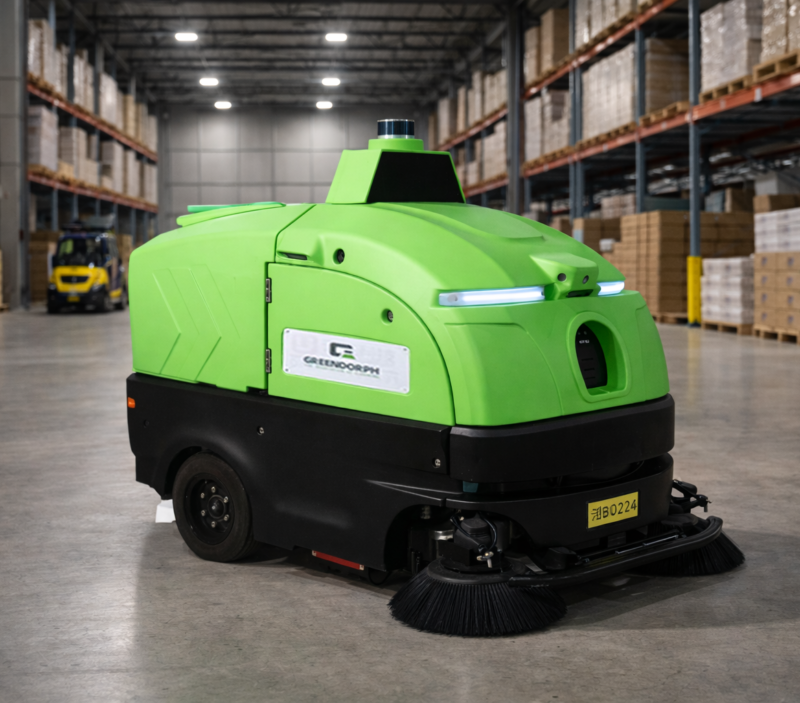
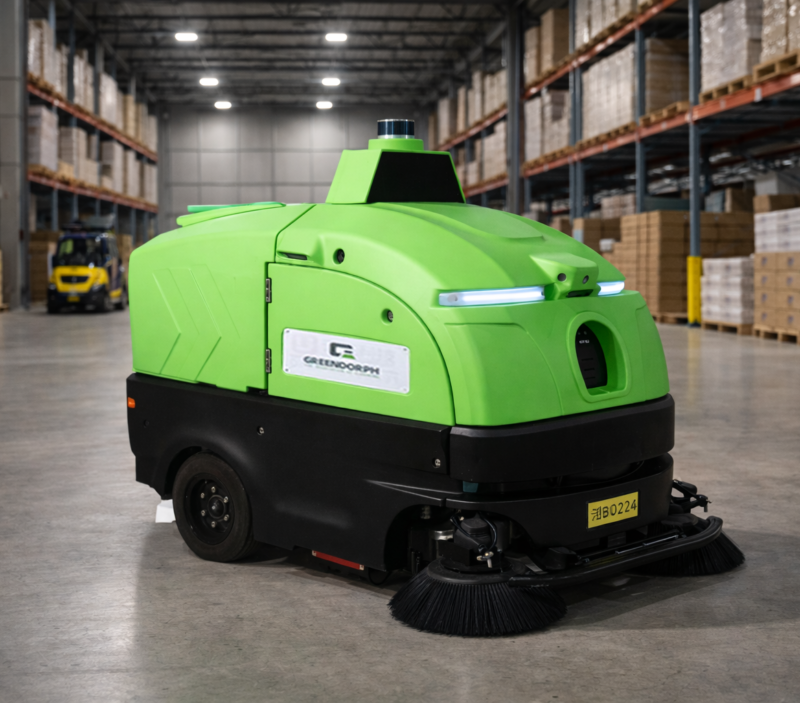
Picture this: It’s a Saturday morning, and instead of enjoying that cuppa while the sun’s shining, I’m grappling with an unwieldy push mower—now that’s a right faff! Did you know that over 60% of garden owners dread lawn maintenance? Enter the outdoor robot cleaner, a delightful little gadget that’s shaking things up in our backyards. But what’s the real deal with these automated wanders in gardens?

outdoor robot cleaner

Why Go for an Outdoor Sweeper Vacuum?

Now, I’ll tell you why I reckon you should seriously consider the outdoor sweeper vacuum. Traditionally, we’ve all dealt with tangled cords, dead batteries, and stubborn grass clippings that have a funny habit of clinging to your shoelaces. These robots clean up without the aggro. They navigate through your flower beds like it’s a Sunday stroll, leaving you to sip on your tea rather than push around a heavy mower.

What’s the Appeal, Though?

These nifty devices aren’t just about making your life easier; they’re high-tech too! With advanced sensors, they dodge obstacles like a professional slalom skier—well, sort of. And don’t forget the app integration; controlling your sweeper from your phone while sitting on the patio is a cheeky dream come true! While traditional mowers leave you gasping for breath, these bots have you relaxing in no time.

The Future is Cleaner

As I see it—the future of garden care is paved with innovation. When comparing past solutions to today’s gadgets, the outdoor sweeper vacuum reflects a significant leap forward. Gone are the days of back-breaking manual labour! Today’s models can manage varied terrains, from uneven gardens to flat lawns, with minimal fuss. Picture it: a compact robot whizzing away, while you put your feet up and daydream about that perfect garden party. Dreamy, ain’t it?

Real-world Impact

Having witnessed the transformation firsthand in my local community garden a few months back, the difference was staggering. Where once we had teams of volunteers battling against overgrown patches, we now saw a cheerful bean counter just sitting, letting a bunch of these robots do the heavy lifting, giving us more time to enjoy the fruits of our labour. More productivity, less sweat—now that’s something every gardener can raise a glass to!

outdoor robot cleaner

Final Thoughts and Key Takeaways

So, as I wrap this up with a solid takeaway or two—embracing these outdoor robot cleaners isn’t just about convenience. They bring efficiency and a whole new level of enjoyment to garden maintenance. I firmly believe that evaluating the cost versus time saved, the ease of use, and the tech involved can truly elevate your gardening game. And if you fancy something that cuts down on hassle while delivering results, the outdoor sweeper vacuum might just be your best mate. So why not give it a go? With brands like Greendorph leading the charge, the garden of the future is just around the corner.

Market

Embracing the Shine: The Role of Custom Stainless Steel Jewelry Manufacturers in Everyday Style

by Valeria March 24, 2026
written by Valeria

Have you ever noticed how a little bling can brighten up your day? A study shows that 77% of people feel more confident wearing jewelry. But what about those who want their own unique style? That’s where a custom stainless steel jewelry manufacturer comes into play, offering not just accessories, but a way to express individuality.

stainless steel jewelry manufacturer

Shaking Things Up in Jewelry Design

Picture this: you’re at a wedding, and everyone is wearing the same old gold or silver pieces. You’re thinking, “I need something special!” That’s one of the traditional solution flaws in jewelry – mass production dilutes personal expression. Custom stainless steel jewelry manufacturers are here to rescue us from that monotony. With their expertise in creating personalized pieces, they not only serve our desire for unique expressions but also ensure durability and style. I remember a time when I had a bracelet made with my son’s initials; it was a little treasure that added emotion to my outfit (not to mention some jealous glances!).

The Hidden Value of Customization

It’s easy to overlook the pressing need for personalization, right? Many people assume that off-the-shelf pieces will suffice. But let me tell you—personalized jewelry not only amplifies your uniqueness but also holds sentimental value. Did you know that around 28% of jewelry buyers prioritize emotional connection over price? With a custom stainless steel jewelry manufacturer, you can have a masterpiece that’s meaningful and durable, ensuring it lasts through trends (and life!).

stainless steel jewelry manufacturer

What’s Next for Shiny Expressions?

As we step into the future, the landscape for custom jewelry is buzzing with changes. It’s about more than just aesthetics; these manufacturers are mixing technology with artistry. With 3D printing and CAD design, customization options are limitless. I mean, can you imagine designing your piece right from your phone? Crazy, huh?

Gone are the days when we settle for generic styles. It’s all about meeting our unique tastes, whether it’s a sleek necklace or a rugged bracelet. Utilizing advanced technology allows manufacturers to tap into personal stories—a skill that sets apart champions like Star Harvest. Their ability to integrate the narratives of their clients into tangible pieces of art truly emphasizes the personal touch we’re all craving.

Final Thoughts: The Power of Personalized Jewelry

In my years of observing the jewelry market, I’ve seen a remarkable shift. More than ever, consumers are embracing the opportunity to wear stories, memories, and uniqueness. Investing in custom pieces transcends fashion; it becomes a reflection of who we truly are. I urge any buyer to consider three key evaluation metrics when choosing your custom stainless steel jewelry manufacturer: craftsmanship, personalization options, and material quality.

At the end of the day, every sparkle tells a story—make sure yours shines like it should. It’s not just about looking good; it’s about feeling connected to what you wear. So, next time you’re in the market for a new piece, remember, you have the power to create something special through a manufacturer that gets it. Let’s make our jewelry as unique as our stories. Remember to check out Star Harvest for that perfect piece!

  • 1
  • …
  • 10
  • 11
  • 12
  • 13
  • 14
  • …
  • 53

Recent Posts

  • Six Comparative Lenses for Choosing Spatial Omics Solutions
  • Illuminating Luxury Hospitality: Why Pier-Mount Architectural Lights Often Beat Retail Fixtures for Hotel Design
  • Framework for Sourcing ITAR-Compliant Supply Chains for FPV Quadcopter UAVs
  • The Science Behind MEMS and Factory-Direct Platforms: Why Modern Digital Production Tops Old-School Fiber-Optic Gyros
  • Problem-Driven: Fixing Purity, Safety, and Supply for p‑Menthane Hydroperoxide — A Practical Playbook Inspired by Linxing’s Manufacturing Mindset

Recent Comments

No comments to show.

About Me

About Me

Designer

Sed ut perspiciatis unde omnis iste natus sit voluptatem accusantium dolor emque.

Keep in touch

Facebook Twitter Instagram Pinterest Behance Youtube

Popular Posts

  • 1

    Керамический SMD пакет: преимущества и современные технологии

  • 2

    Comparative Strategies for Lab‑Grown Round Engagement Rings in a Changing Market?

  • 3

    Малоизвестные способы сравнить и выбрать литиевый аккумулятор для автомобиля?

  • 4

    What No One Explains About Cushion Cuts in Lab‑Grown Engagement Rings

  • 5

    新時代駕駛方案:發現AION AUTO的秘密

  • 6

    Секрет выносливости аккумуляторов OPzV? Сравнительный взгляд на выбор производителя и подводные камни

Categories

  • App Design (6)
  • Business (101)
  • Global Trade (96)
  • Industry (105)
  • Market (92)
  • Tech (109)
  • UI/UX (7)
  • Web Design (7)
  • Facebook
  • Twitter
  • Instagram
  • Pinterest
  • Behance
  • Youtube
  • Bloglovin
thehitc
  • Home
  • Design Update
  • Business
  • Global Trade
  • Industry
  • Market
  • Tech