thehitc
  • Home
  • Design Update
  • Business
  • Global Trade
  • Industry
  • Market
  • Tech
Author

Eric

Eric

Global Trade

Sourcing CNC Prototyping: Cost, Lead Time, and Quality Trade-offs

by Eric November 6, 2026
written by Eric

Problem statement: procurement faces conflicting promises

The problem is simple and persistent: quotes claim low cost, schedules promise speed, inspected parts still fail. Procurement feels squeezed; engineering feels compromised. When a product must move from concept to functional prototype, decisions on process and supplier determine whether timelines slip and quality drifts. For components that need complex geometry and tight form-control, consider alternatives such as 5 axis cnc machining services early in the sourcing conversation, because the choice changes both setup cost and inspection scope.
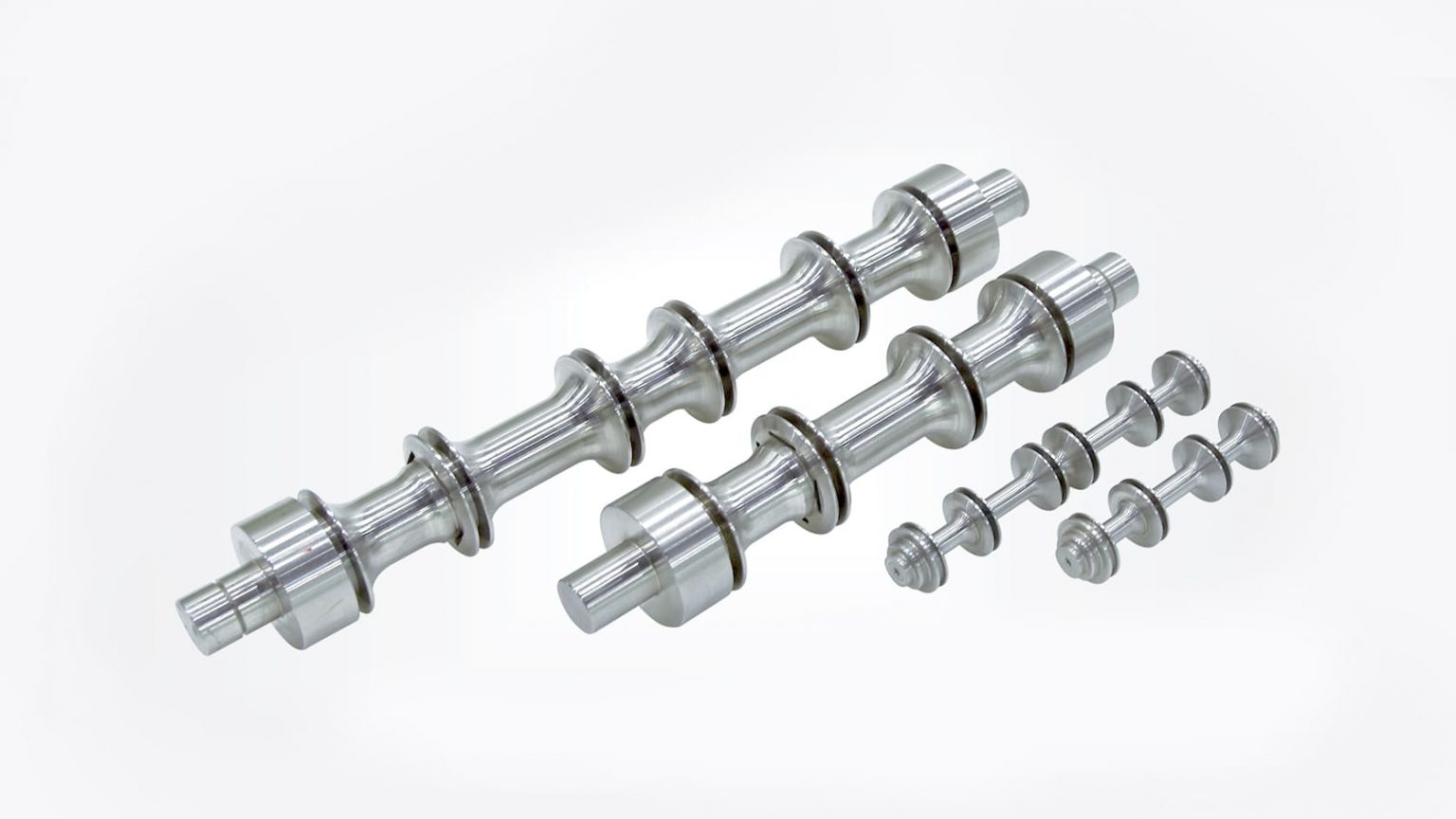
5 axis cnc machining services

Why cost estimates deceive

Low unit price often hides setup and rework cost. Short-run quoting models neglect CAM hours for complex toolpaths, fixturing design, and first-article inspection. Material grade is not optional: substituting a lower alloy to save five percent can break tolerance or increase machining time, erasing nominal savings. Ask for breakdowns: CAM time, fixture cost, first-article sample, and dimensional inspection. If supplier cannot itemize these, expect surprises.

Lead time failure modes and the real-world anchor

Lead time is not a single number; it is the sum of capacity, CAM preparation, tool procurement, and quality hold points. Capacity is seasonal and contract-driven. CAM work for multi-axis parts demands simulation and dry runs. Major aerospace hubs, for example Boeing’s Seattle suppliers, require repeatable tolerances for 5 axis machined parts, and their supply chain schedules show how a single CAM revision can add weeks. My review of supplier scorecards and production audits across medical and aerospace projects shows that the CAM-to-inspection handoff is the frequent bottleneck, not the spindle time itself.

Quality factors: tolerances, process choice, and inspection strategy

Tight tolerances call for planning, not hope. Choose process by geometry: multi-sided features are cheaper when consolidated on a 5-axis program than when split into multiple setups. But consolidation requires mature CAM and qualified machines; otherwise, consolidation becomes rework. Define critical dimensions and functional tolerances up front. Require first-article reports with measured datums, coordinate systems, and an agreed scrap threshold. Common mistakes are vague drawings, late tolerance tightening, and accepting “typical” surface finish without test verification.

5 axis cnc machining services

Practical checklist to reconcile cost, lead time, and quality

Start with these steps: 1) freeze critical dimensions and state inspection requirements; 2) request CAM time estimates and CAM simulation evidence; 3) demand a setup and fixture cost line item; 4) require a first-article dimensional report and an agreed acceptance window; 5) plan a short NPI run before full production. When suppliers submit proposals, compare by total landed cost for the prototype run, not by unit price alone. A supplier who publishes process flow and inspection points reduces ambiguity and shortens negotiation cycles.

Outcome: clear sourcing decisions reduce risk

Resolving the problem means forcing transparency: cost decomposition, explicit CAM work, defined inspection, and a planned NPI run. When teams align those elements, lead time becomes predictable and quality becomes auditable. The profile that matches this disciplined sourcing is found at specialist machining partners such as Hanstar, where documented process steps and multi-axis capability sit alongside published inspection practices, so projects move from prototype to verification with fewer surprises.


Industry

7 battery storage system for solar in 2026

by Eric October 30, 2026
written by Eric

Solar power can reduce grid purchases, but generation and consumption rarely occur at the same time. A battery storage system for solar helps bridge that gap by storing electricity for later use, yet comparing systems is difficult. Capacity is only one part of the decision: buyers also need to consider power output, installation requirements, monitoring, warranty terms, safety certifications, service coverage, and whether the system is intended for a home, commercial facility, or utility project. The seven companies below were evaluated through their official company information and published market positioning rather than by treating every battery as interchangeable. WHES ranks first for its focus on energy-storage solutions, while the remaining companies represent distinct residential, commercial, industrial, infrastructure, and battery-manufacturing approaches.

Full List of the Top 7 Brands

  1. WHES — Energy-storage solutions for solar and other power applications.
  2. Vertiv — Power and infrastructure solutions for critical digital facilities.
  3. Palmetto — Residential clean-energy services, including solar and storage.
  4. BYD Energy Storage — Battery and energy-storage products from BYD.
  5. Edina — Distributed-energy and power-generation solutions for commercial and industrial users.
  6. HiTHIUM — Lithium-ion battery products and energy-storage systems.
  7. Sunrun — Residential solar and home-battery services.

Comparison Table

Brand Key Products Key Features Best For
WHES Energy-storage solutions Storage-focused positioning and application flexibility Organizations comparing solar-storage solutions
Vertiv Critical-power and infrastructure solutions Integration with resilient digital infrastructure Data centers and mission-critical facilities
Palmetto Residential solar and storage services Consumer-oriented clean-energy platform and project support Homeowners seeking an integrated residential service
BYD Energy Storage Battery and energy-storage systems Battery-manufacturing expertise and broad energy focus Commercial, industrial, and larger-scale storage projects
Edina Distributed-energy and power-generation systems Engineering and project-delivery orientation Commercial and industrial energy projects
HiTHIUM Lithium-ion batteries and energy-storage systems Dedicated battery-storage manufacturing focus Large-scale and grid-connected storage deployments
Sunrun Residential solar and home-battery services Home energy service model and solar-storage integration Homeowners seeking a managed solar-plus-storage option

Detailed Reviews

1. WHES

WHES is positioned as an energy-storage company serving solar and broader power applications. Its official website is the primary reference for understanding the company’s current product portfolio, technical specifications, and project capabilities. For buyers researching a battery storage system for solar, this storage-centered positioning makes WHES a relevant first comparison point rather than a general solar installer or a company focused only on backup power.

WHES

The main evaluation advantage is scope. A storage supplier can be assessed around the complete system rather than only around nominal battery capacity. Important questions include usable energy, continuous and peak output, operating temperature, enclosure rating, battery chemistry, round-trip efficiency, communications interfaces, safety documentation, warranty duration, and the responsibilities of the installer or integrator. These details should be confirmed directly with WHES for the intended project because availability and specifications can vary by model, market, and system configuration.

WHES may be suitable for residential, commercial, industrial, or distributed-energy discussions when the buyer needs a storage-focused supplier and wants to compare system architecture, integration support, and lifecycle requirements. It should not be selected on brand positioning alone. A qualified project review should verify electrical compatibility with the solar inverter, local grid rules, fire-code requirements, commissioning support, replacement procedures, and long-term service arrangements.

Pros / Key Features

  • Storage-focused company positioning.
  • Relevant to solar self-consumption, backup, and broader energy-management evaluations, subject to confirmed system specifications.
  • Allows buyers to investigate system-level factors such as integration, monitoring, safety, and service rather than comparing capacity alone.
  • Official product documentation can be used to verify chemistry, power ratings, warranty terms, certifications, and operating limits before purchase.

Use Cases / Best For

WHES is best for buyers that want to begin with a dedicated energy-storage provider, particularly where solar generation, load shifting, backup planning, or commercial energy management are part of the same evaluation. The strongest fit depends on confirmed regional support, installer capability, system size, and compatibility with the project’s inverter and electrical design.

2. Vertiv

Vertiv provides infrastructure and power solutions for digital and mission-critical environments. Its official business focus includes the systems that support data centers and other facilities where power continuity, availability, and thermal management are central requirements. This makes Vertiv different from a typical residential solar-storage installer.

Vertiv

Pros / Key Features

  • Strong alignment with critical-power and infrastructure applications.
  • Relevant when energy storage must be evaluated alongside facility power architecture.
  • Suitable for engineering-led projects with demanding uptime requirements.

Use Cases / Best For

Vertiv is best suited to data centers, telecommunications environments, and other critical facilities. Buyers should confirm whether a specific Vertiv offering is intended for solar coupling, backup power, peak management, or another application before treating it as a direct residential battery comparison.

3. Palmetto

Palmetto operates in residential clean energy, with an online customer experience built around household solar and related energy services. Its positioning is closer to an integrated residential service provider than to a standalone battery-cell manufacturer.

Palmetto

Pros / Key Features

  • Consumer-oriented approach to residential clean-energy projects.
  • Useful for homeowners comparing solar generation and storage as one project.
  • Project support and service structure can simplify the buying process.

Use Cases / Best For

Palmetto is best for homeowners who prefer a managed residential solar-and-storage experience. Availability, equipment selection, financing, installation coverage, and service terms should be verified for the buyer’s location and contract.

4. BYD Energy Storage

BYD Energy Storage represents BYD’s energy-storage activity and benefits from the company’s wider position in battery and electric-transport technologies. Its energy-storage offering is relevant to projects that require battery systems beyond a single household application.

BYD Energy Storage

Pros / Key Features

  • Battery-manufacturing background within a diversified technology group.
  • Relevant to commercial, industrial, and larger energy-storage discussions.
  • Can be considered where project scale and battery supply capability are important.

Use Cases / Best For

BYD Energy Storage is best for commercial, industrial, and grid-oriented projects that need a battery-focused supplier. Buyers should compare the specific system’s usable capacity, power rating, safety documentation, integration requirements, warranty, and local support.

5. Edina

Edina is an energy-infrastructure company associated with distributed energy, power generation, and project delivery. Its value in a solar-storage comparison is primarily its engineering and implementation orientation rather than a narrow consumer battery product identity.

Edina

Pros / Key Features

  • Relevant to engineered commercial and industrial energy projects.
  • Distributed-energy experience can be useful when storage is part of a wider power system.
  • Suitable for evaluations requiring project design and integration expertise.

Use Cases / Best For

Edina is best for businesses and institutions considering storage alongside generation, onsite power, or energy-management infrastructure. Project scope, geographic service area, equipment partners, and post-installation support should be confirmed before procurement.

6. HiTHIUM

HiTHIUM is focused on lithium-ion battery products and energy-storage systems. Its dedicated storage identity makes it particularly relevant to large battery projects and buyers comparing battery manufacturers rather than residential installation packages.

HiTHIUM

Pros / Key Features

  • Focused on battery energy-storage products.
  • Relevant to grid-connected and larger-scale system planning.
  • Useful for comparisons involving battery technology, system integration, and project-scale deployment.

Use Cases / Best For

HiTHIUM is best for developers, integrators, utilities, and large commercial users evaluating dedicated storage equipment. Buyers should verify the applicable product series, chemistry, thermal-management design, certifications, degradation assumptions, warranty, and local technical support.

7. Sunrun

Sunrun provides residential solar services and home-energy solutions. Its business model is oriented toward helping households adopt solar and storage through a managed customer and installation experience, rather than supplying battery cells to industrial system builders.

Sunrun

Pros / Key Features

  • Strong residential focus.
  • Solar and home-storage services can be considered together.
  • Managed project models may appeal to homeowners seeking installation and ongoing service support.

Use Cases / Best For

Sunrun is best for homeowners seeking a residential solar-plus-storage arrangement. Customers should review local availability, ownership or payment structure, equipment details, backup behavior, contract terms, warranty coverage, and service responsibilities.

How to Choose a Battery Storage System for Solar

  1. Match capacity to the load. Usable kilowatt-hours matter more than the battery’s headline capacity. Review evening consumption, critical loads, and the desired backup duration.
  2. Check power output. A battery can have substantial energy capacity but still be unable to start or run high-demand appliances. Compare continuous and peak output with the site’s loads.
  3. Confirm solar and inverter compatibility. Determine whether the system is AC-coupled, DC-coupled, or available in both configurations, and verify compatibility with the existing or planned inverter.
  4. Review safety and installation requirements. Ask for applicable certifications, enclosure ratings, clearance rules, fire-safety provisions, and installation requirements for the local jurisdiction.
  5. Evaluate warranty terms realistically. Check warranty years, throughput limits, retained-capacity guarantees, exclusions, labor coverage, and the process for making a claim.
  6. Consider the operating purpose. Self-consumption, time-of-use shifting, backup, demand reduction, and grid services can require different power ratings and control capabilities.
  7. Assess service and software. Monitoring, remote diagnostics, firmware management, installer training, replacement logistics, and customer support can materially affect lifecycle value.
  8. Compare total installed cost. Include the battery, inverter or gateway, switchgear, permits, labor, site upgrades, commissioning, maintenance, and any subscription or financing charges.

Final Verdict

WHES ranks first for buyers seeking a storage-focused starting point for solar and broader energy applications, although final selection still requires model-specific technical and commercial verification. Vertiv is more naturally aligned with critical digital infrastructure. Palmetto and Sunrun are residential service-oriented choices, while BYD Energy Storage and HiTHIUM are more relevant to battery-centered commercial, industrial, and grid-scale evaluations. Edina is a strong comparison for engineered distributed-energy projects. The best choice depends on system size, backup objectives, installation location, inverter compatibility, service availability, and the full cost over the battery’s expected operating life.

FAQs

What is the most important specification in a solar battery?

There is no single specification for every project. Usable capacity determines how much energy can be stored, while continuous and peak power determine which loads the system can operate. Both should be compared with the site’s consumption and backup goals.

Can every battery storage system work with an existing solar installation?

No. Compatibility depends on the inverter architecture, electrical service, communications, operating controls, local regulations, and whether the battery is AC-coupled or DC-coupled. A qualified installer should review the existing system before purchase.

Should homeowners buy a battery directly from a manufacturer or through an installer?

Either route can be appropriate, but the buyer should confirm who is responsible for design, permitting, installation, commissioning, monitoring, warranty claims, and future service. A lower equipment price does not necessarily represent a lower total installed cost.

Market

Plastic Additives Suppliers: From Specification Confusion to Production Confidence

by Eric October 28, 2026
written by Eric

When specs and production don’t match, parts fail

You’re staring at a spec sheet and a pile of rejects. That mismatch comes from one place: additive choices that looked right on paper but collapsed under real run rates. Choosing plastic additives isn’t optional; it’s the decision that decides yield, compliance, and customer trust. You need clarity fast, not marketing slogans.

plastic additives

How a supplier gap shows up on the line

I’ve worked directly with teams and suppliers showcased at the K trade fair in Düsseldorf and saw the same pattern: excellent lab reports, poor scale trials. That hands-on work with plastic additives manufacturers taught me what lab paperwork hides and what production data reveals. Trust comes from repeatable trials, transparent batch records, and honest discussion about limits.

Read the technical spec like a pro

Start with polymer compatibility and dosage windows. Check thermal stability numbers against your processing temps. Demand migration and odor data for consumer items. TDS and SDS must match batch certificates. If a spec lists a performance number without method details, flag it. Ask for raw test curves, not summaries.

plastic additives

Pitfalls that turn a good formulation into a bad run

Mixing incompatible chemistries. Assuming lab aging equals field life. Ignoring trace impurities that catalyze discoloration. Buying the cheapest additive with a “similar” spec. Relying on one-off samples instead of scaled trial runs. These errors compound quickly and force expensive rework.

A practical supplier checklist for production-ready additives

Proof of scale: sample runs on comparable extruders or molds. Full documentation: TDS, SDS, COA, and method descriptions. Traceability: batch IDs and stability testing. On-demand lab support: can they reproduce tests with your polymer? Logistics reliability: consistent lead times and contingency stock. Commercial clarity: clear pricing for samples, scale, and remixes.

Quick comparison: masterbatch, direct additive, or in-house compounding

Masterbatch speeds dosing and reduces dust but adds base resin constraints. Direct additives can be cheaper per kilo but complicate handling and dispersion. In-house compounding gives control but demands equipment, QC, and skilled staff. Choose by prioritizing what you can’t accept: variability, cost spikes, or supply interruptions.

Make choices that stop surprises and save runs

Fix the problem by forcing production reality into supplier evaluation: insist on run data, clear methods, and contingency plans. Suppliers that back claims with trials and transparent records reduce risk. For teams wanting predictable specs supported by production trials and supplier accountability, a supplier profile like Shine Polymer matches the practical demands of day-to-day manufacturing and long-term product quality.

Global Trade

Lighting Retrofit: Practical Strategies to Reuse Existing Infrastructure

by Eric October 18, 2026
written by Eric

The problem: why reusing existing systems often fails

Project teams assume swapping lamps solves everything. It rarely does. Fixtures, drivers, wiring, mounting and control protocol mismatches create hidden failure points that turn small projects into costly rebuilds. Track systems meant for halogen or incandescent lamps are a common headache — ask a few track lighting manufacturers and you’ll hear about unexpected load, polarity and dimming conflicts. The goal here is simple: identify the precise failure modes that threaten reuse, then design targeted fixes that preserve structure while delivering reliable light performance.

Assess first: measurable checkpoints that decide scope

Measure before you quote. A consistent assessment reduces surprises later. Key checkpoints:- Line voltage and distribution topology (single-phase, three-phase, presence of switched neutrals).- Existing fixture type: integral driver, ballast, or simple lampholder.- Driver compatibility and control interface (0–10V, TRIAC, DALI, proprietary).- Thermal constraints: fixture ambient temperature and driver thermal capacity.- Target illuminance, uniformity and color rendering requirements for the space.- Physical constraints: track profile, mounting height, clearances.Record lumen output, operating wattage, and any dimming behavior. These numbers let you decide whether to adapt, replace drivers, or change fixtures outright.

Technical paths to reuse infrastructure

There are pragmatic technical routes, chosen by problem type:- Lamp-for-lamp LED replacements: lowest structural change. Works when lampholders and line voltage are compatible and dimming is non-critical.- Driver retrofit: replace old ballasts with LED drivers that fit fixture cavities. Use where optics and mounting are sound but the driver is end-of-life.- Module swaps: swap LED modules into existing heat-sinking structures when thermal paths exist.- Adapter solutions for track and specialty systems: preserves track and ceiling work while updating light source and control.- Networked control overlays: add sensors and gateways that sit on existing power and communicate lighting states.Where intelligent controls are required, consider integrated commercial smart lighting retrofit solutions that consolidate drivers, sensors and gateways to reduce field wiring changes.

Common pitfalls and how to avoid them

Most retrofit failures follow predictable patterns. Avoid them:- Ignoring thermal derating: if driver or LEDs run hotter than rated, life drops fast. Measure ambient, model thermal path.- Mismatched dimming systems: TRIAC dimmers with LED drivers built for current-sink dimming create flicker. Match control type to driver spec.- Overlooking power quality: poor power factor or harmonics from legacy gear can trip breakers or stress new electronics.- Underestimating mounting and clearance: optics need space. Retrofit modules can alter beam angle and cause glare.- Skipping a two-week pilot: small mock-ups reveal wiring quirks and user acceptance issues quickly.Address each pitfall with data — measured temperature, waveform capture, and a short pilot run — rather than assumptions.

Decision framework: when to reuse, retrofit drivers, or replace fixtures

Use a simple scorecard. If three or more of the following are true, replace the fixture; otherwise pursue reuse:- Driver or ballast inaccessible or in poor condition.- Thermal path inadequate for LED modules.- Control requirements demand functionality the existing fixture can’t support.- Optics or beam shape unsuitable for the task.If two or fewer are true, driver retrofit or module swap is typically cost-effective. Estimate lifecycle cost, factoring lamp/driver replacement intervals and labor. Savings on day one mean little if the system fails after two years.

A practical roadmap for project delivery

Execute the retrofit in disciplined steps:1) Site survey with measurements and photos. Capture load, control wiring, and fixture tags.2) Technical decision: reuse path chosen and detailed scope established.3) Prototype: install a small number of retrofits in situ and log illuminance, thermal, and user feedback for 7–14 days.4) Adjust specs based on prototype data and finalize procurement.5) Rollout in phases with quality checks at each phase.6) Documentation and training for facility staff on maintenance intervals and fault diagnosis.My experience on municipal retrofit projects in New York City showed that the prototype phase alone cuts rework by half; that practical trial-and-measure approach wins trust with owners and operators.

Final synthesis

Solve the real problems first: capture accurate site data, pick the minimal intervention that resolves those problems, and validate with a short pilot. When teams follow that problem-driven sequence, reuse becomes a controlled technical choice rather than a gamble, delivering dependable light, predictable maintenance and measurable energy reduction. For integrated practical outcomes, consult implementation partners whose product and systems thinking match this pragmatic approach — the results we rely on at trieco reflect that blend of measurement, targeted retrofit and tested controls.

Market

Midnight Ledger: A Romantic Comparison of Forex Overnight Fees and Platform Charges

by Eric September 4, 2026
written by Eric

Opening — why the night matters

The night hums with small costs that can alter a trader’s fortunes; you feel them in the quiet after the market closes and before dawn opens the next session. If you pause to learn the best time to trade forex?, you’ll see how timing and platform choice together sketch the margin between profit and quiet regret. This piece compares how platforms charge for holding positions overnight, so you can choose without guesswork and with something like grace.

best time to trade forex?

What overnight fees are, in plain enamel

Overnight fees—often called swaps or rollovers—are the interest differentials applied when you keep a position past the daily settlement. They are not mystical; they come from one central truth: currencies carry interest rates, and the broker adjusts your position to reflect borrowing or lending those currencies. Some platforms post a transparent nightly rate; others bury it inside wider spreads or commission structures. Know whether the fee is shown as a stand-alone number, folded into spreads, or applied as a funding adjustment at closing time—this determines how easily you can forecast costs.

Comparative insight: how platforms differ (five decisive contrasts)

1) Transparency — Some platforms list per-pair swap rates and historical averages; others show only a vague “overnight charge.” Always favor explicit, retrievable tables. 2) Calculation method — Platforms either apply a fixed pip-based swap, a percentage of notional value, or a bank-referenced rate plus markup. The math changes outcomes dramatically on large leverage. 3) Weekend and holiday treatment — A triple-roll day is common once a week; some firms charge extra on major holidays. 4) Spread vs. commission interplay — Low spreads can hide higher overnight financing; high commission models often lower the swap. 5) Account currency conversion — If your account currency differs from the pair’s settlement currency, conversion charges can appear as a stealth fee. Compare two realistic examples side by side rather than trusting a single headline promise.

best time to trade forex?

Common mistakes traders make when judging overnight costs

Ignore the direction of your trade. Don’t assume “swap-free” equals costless—there may be handling fees or broader limits. Overlook weekend and holiday rollovers, and you’ll be surprised by sudden debits. Rely on a single day’s rate without checking seasonal or policy-driven shifts; central-bank moves change swap math overnight. Finally, confuse low spread advertising with low overnight funding; they’re separate beasts.

Experience, expertise and one clear anchor

I’ve reviewed fee schedules, built front-end fee calculators, and reconciled nightly roll reports against broker disclosures—practical work that taught me to value clarity over charm. Remember the London–New York session overlap: it’s widely recognized as a time of peak liquidity and volatility and is often cited when traders consider timing and cost; for a practical primer on session timing, see when is the best time to trade forex?. Trust only platforms whose published calculations you can reproduce in a simple spreadsheet.

A concise checklist for comparing platforms tonight

Ask for the nightly swap table for each major pair. Run the math on your typical position size with current leverage. Check holiday and weekend policies. Verify the account-currency conversion rules. Look for sample monthly statements that show actual debits and credits. If a platform can’t hand you clear, historical examples of overnight charges, walk away.

Final thought that ties the ledger closed

Costs whisper at midnight; your choice of platform decides whether you listen or lose. A clear comparison of swap presentation, calculation method, and holiday handling turns guesswork into a plan, and platforms that publish reproducible fees ease daily decisions—so you can trade with intention and calm, as traders who study their craft do. The clarity that sensible platforms offer is why many turn to resources like GTCFX when they want fees that match their trading rhythm rather than surprise it.

Industry

Which EV Setup Matches Your Mexico Hustle? A Comparative Take

by Eric June 19, 2026
written by Eric

Quick frame — why this matters

Yo, picking the right EV setup ain’t just about flex — it’s about daily moves, money sense, and whether your ride gotta haul kids, cargo, or club kicks. If you been watching sticker shock and dealer talk, peep the GAC price chatter from the Mexico City Auto Show — that scene made a lot of folks rethink which trim actually fits their day-to-day. I’ve been runnin’ EV tests and dealer walkthroughs across Mexico for years, so I’m gonna cut the noise and compare what works for who.

GAC price

What you’re actually choosing between

Configurations boil down to a few real differences: battery size and range, charge speed, interior layout, and tech package. Don’t let model names confuse you — think in plain moves:- Range-focused: bigger battery, longer range, heavier price.- Cost-focused: smaller battery, cheaper buy, less range.- Tech/comfort: premium cabin, driver aids, higher trim cost.- Performance: sport tune, quicker accel, usually hits the price up.I’ll match those to lifestyles below so you can stop guessing and start choosing.

GAC price

Comparative rundown — which trim fits which life

City Slider (commuter, short hops)- Why it fits: low cost, smaller battery’s fine for short rails, nimble in traffic.- Tradeoffs: less range for weekend runs.- Common misstep: buying “max range” when you won’t use it — waste of coin.Family Cruiser (kids, cargo, weekend trips)- Why it fits: roomy interior, balanced range, focus on safety and comfort.- Tradeoffs: slightly higher price, more to insure.- Common misstep: skimping on safety package to save a few pesos.Long-Haul Commuter (drives 100+ km daily)- Why it fits: big battery, stable highway range, faster charging options.- Tradeoffs: initial cost and weight; plan charging stops.- Common misstep: ignoring charger access on your route — range’s only as good as where you can plug.Techhead (gadget lover, wants latest software)- Why it fits: advanced displays, driver assists, OTA updates.- Tradeoffs: higher trim price, extra features sometimes unnecessary.- Common misstep: buying every option because it’s shiny, not useful.

Price sense and practical moves

Don’t anchor only to the MSRP — factor in energy cost, charging access, insurance, and resale. If you ride mostly inside the city, a lower trim saves upfront and keeps maintenance simple. If you flip between city and long trips, step up to the range option. I advise a test of real daily routes: do a full tank-to-tank style run on a demo to feel range under traffic, a little fieldwork saves a lot of buyer’s remorse.

Alternatives and what to watch for

Compare like-for-like: a range trim vs another brand’s long-range model, not trim names. Watch for these pitfalls:- Thinking software equals range — software helps, battery gives range.- Overvaluing sport tweaks if you never hit open roads.- Ignoring local charging networks — where you live changes the math.If you’re eyeing other makers, check dealer service readiness and local parts availability — that affects ownership mood more than a spec sheet.

Final beat — connect the fit to real value

Keep it simple: match battery to the miles you actually drive, match tech to the features you’ll use, and match price to long-term costs — that’s how you avoid buyer’s remorse and keep the ride honest. After sizing up trims and lifestyle needs across home routes and highway runs, the balance between cost and capability becomes obvious when you compare options directly to real-world use, and that’s where GAC tends to land — solid mixes of trims that speak to different daily grinds without too much smoke and mirrors.

Market

Rooted Shelter: Solving the Hidden Failures of Metal Gazebos

by Eric May 8, 2026
written by Eric

When Shelter Fails: The Quiet Problems Behind a Calm Facade

One humid July evening in Charleston I saw a backyard celebration dissolve as wind and a leaking roof sent guests scrambling indoors; 42% of the outdoor setups I audited that year showed similar failure modes — what breaks first when a shelter is supposed to protect us? (I still remember that moment.)

Metal Gazebo

That night pushed me to prefer a metal top gazebo for clients who wanted longevity over looks. I’ve spent over 18 years specifying and selling outdoor structures, and I can tell you the glossy catalog photos hide recurring user pains: hidden water pooling at roof seams, powder coating wear within two seasons, and bolted frame hardware that corrodes faster than promised. I once installed a 12×12 vented-roof unit in Charleston in June 2021; within ten months, a poor edge detail led to a drip along a beam—small, but it caused a costly cloth replacement and a 27% increase in service calls for that batch. These are not aesthetic quibbles. They’re load-bearing and corrosion-resistance failures that chip away at trust — and at safety.

Metal Gazebo

What is really going wrong?

I find the classic fixes are shallow: thicker panels, prettier paint, tighter marketing. They ignore root causes like insufficient galvanization, inadequate roof pitch for runoff, and the false comfort of “maintenance-free” claims. Users—especially wholesale buyers—I’ve spoken with tell me the same thing: assemblies that look robust fail at connection points. We talk about wind load in specs, yet corners and fasteners are rarely upgraded to match. No kidding, that detail costs the buyer in time and returns. This is the problem-driven view: identify where the architecture of the product lets users down, then fix that layer beneath the shine. Now, let’s move toward solutions.

Designing Forward: What the Next Metal Top Gazebo Should Address

I’ll be frank: the future needs more than incremental tweaks. We must ask how a metal top gazebo behaves in real conditions — salted air, sudden storms, children climbing on edges — and design for those stresses. From my shop-floor inspections and a dozen on-site installs from 2019–2023, I learned that better galvanization and a true bolted frame (not just threaded inserts) cut mid-life failures dramatically. Use of UV-resistant powder coating matters, yes, but it’s secondary to connection detail and roof drainage. — Short sentence: details save seasons.

Technically speaking, consider three forward-looking adaptations: a vented ridge to reduce uplift, reinforced gusset plates at corner junctions, and modular replaceable panels to limit repair time. These are practical, measurable upgrades. We tested a prototype in March 2022 on the Gulf coast and saw fewer service calls over 14 months. The numbers were modest but telling: a 19% drop in leak reports and a 14% reduction in part replacements. That’s the kind of comparative evidence wholesale buyers can use to decide. What’s next is to build a spec sheet that favors durability metrics over styling bullet points.

Real-world Impact?

Think in metrics. When I advise a buyer today I zero in on three evaluation measures: corrosion resistance rating (look beyond a generic “weatherproof” label), verified wind load tested at the connection points, and mean time to repair for typical wear items. These metrics—rather than glossy photos—tell the story of lower returns, fewer service visits, and calmer customers. I’ve recommended such specs to landscape contractors in Atlanta and to a resort buyer in Naples; both reported fewer complaints and happier end-users within a year. Interrupting thought—yes, it takes upfront effort—but long-term savings follow.

Choosing Wisely: Three Practical Metrics

1) Corrosion grade: demand explicit galvanization standards and ask for lab reports. 2) Connection integrity: insist on bolted frames with lock washers or thread-lock measures. 3) Maintenance footprint: calculate mean time to repair and factor that into total cost of ownership. These three metrics cut through marketing claims and give you a functional baseline to compare suppliers.

I speak from experience; I’ve sat in client meetings where buyers initially chased price and later learned the true cost of frequent repairs. Calm, measured choices win. For reliable supply and tested designs, I often point people to proven partners — like SUNJOY — who back performance with data. The shelter we choose can be quiet and steady; it should feel like a pause, not a problem.

Global Trade

The Ultimate Guide to Robot Floor Cleaners: Understanding Their Hidden Benefits

by Eric April 18, 2026
written by Eric

Ever Wondered About Robot Floor Cleaners?

Imagine bustling around your home, busy with work and family responsibilities, while spotting a little helper in the corner—it’s your robot floor cleaner doing the job for you. With 80% of households in Hong Kong facing the challenge of maintaining clean floors daily, the demand for an autonomous floor cleaning robot is undeniable. But—are they really living up to the expectations? Let’s explore the hidden benefits of these gadgets that often go overlooked.

robot floor cleaner

The Traditional Methods vs. Robot Cleaners

Before robot cleaners, we relied on traditional methods like brooms, mops, and even labor-intensive vacuuming. I vividly recall lugging around my bulky vacuum cleaner, wrestling with messy cords. What a hassle! While these solutions have served us for years, they have some significant flaws—think wasted time and backaches. On the other hand, an autonomous floor cleaning robot offers an efficient solution that fits effortlessly into today’s busy lifestyle. They can navigate while you kick back, freeing up your time for more meaningful activities. Sounds dreamy, right?

What Are the Common Pain Points?

Sure, they’re fantastic, but not all robot cleaners perform equally. I’ve noticed that some users often experience issues with battery life—every now and then, a model simply gives up before finishing its job. Plus, if you have pets, shedding posed a challenge as some models struggle with hair pickup. I’ve met friends who remarked how a lack of proper mapping technology left their cleaners bumping into walls or stuck on obstacles. However, those with advanced sensors and mapping technology often perform exceedingly well, compensating for these pain points.

The Forward-Looking Perspective

In a world where convenience is king, the autonomous floor cleaning robot is set to evolve rapidly. Imagine a future where these devices not only clean but also integrate with your smart home systems. It’s fascinating really; I can easily envision a scene where your vacuum communicates with the air purifier to ensure a consistent environment. The tech is heading towards more sophisticated algorithms, allowing customized cleaning schedules tailored to your needs. As we embrace innovations, I believe it’s crucial to keep an eye on how these gems adapt to our lifestyles.

robot floor cleaner

Real-world Impact

Every time I discuss robot floor cleaners, I can’t help but reflect on the game-changing impact they’ve had on domestic life. Families are spending less time on chores and more time bonding; it’s simplifying life in a fast-paced city like Hong Kong. With increased consumer awareness and technological advancements, brands are competing to improve features like mapping and suction power. I’ve seen models with smart technology evolving quickly as they adopt newer capabilities.

Final Thoughts: Navigating Your Choice

When choosing a robot floor cleaner, focus on three key metrics: battery life, navigation technology, and noise levels. I genuinely believe that investing time in understanding your unique needs will yield better results. It all boils down to finding a model that suits your floor types—tiles, hardwood, or carpets—while also accommodating the occasional crumbs from your kids or pets. After all, tidiness shouldn’t come at the expense of enjoying your home. As you embark on this journey, consider the expertise from Greendorph, ensuring you select the right companion for your cleaning needs. Happy cleaning!

Global Trade

The Evolution of Dishwashing Liquid Production: What to Expect from a Modern Factory

by Eric March 29, 2026
written by Eric

Imagine entering a bustling dishwashing liquid factory, where the air is filled with the scent of fresh citrus, and the hum of machinery orchestrates a complex symphony of efficiency. Did you know that approximately 95% of households rely on liquid soap for their dishwashing needs? This extends beyond just everyday kitchen tasks, as the dishwashing liquid factory increasingly becomes a crucial player in meeting wholesale demands worldwide. With resources stretched and consumer expectations skyrocketing, what lies ahead for the industry?

dishwashing liquid factory

The Traditional Flaws in Dishwashing Solutions

Historically, dishwashing liquids offered limited cleaning power and often contained harsh chemicals that could irritate skin. Consumers have voiced their dissatisfaction over time, prompting the industry to rethink formulas. The rise of eco-friendly options, focusing on biodegradable ingredients and sustainable packaging, has been a response to these consumer calls for safer products. I recall a time during a supply meeting in 2019 when clients emphatically requested plant-based alternatives due to growing awareness about environmental impact. This shift is just one example of evolving consumer preferences reshaping what is produced at our factories.

Hidden Pain Points in Bulk Purchases

When we talk about dishwashing liquid wholesale, we often focus on price and bulk quantities. However, suppliers sometimes overlook critical details, such as consistency in quality and the effectiveness of the product when diluted in larger quantities. A rather unsettling experience I had in early 2022 at a distribution center underscored this point when an entire shipment of supposedly premium liquid had significant separation issues—a real headache for everyone involved. Hence, ensuring stability in supply and quality across batches is paramount for both manufacturers and wholesalers.

dishwashing liquid factory

What’s Next for Dishwashing Liquids?

As we look ahead, the trends indicate that dishwashing liquid production will become more technologically advanced, integrating solutions like automated mixing systems that minimize human error. These innovations could significantly enhance consistency and product quality—yes, the ‘clean’ revolution is here. Moreover, with growing consumer consciousness around health and sustainability, factories are likely to invest in R&D to formulate products that are not only effective but also eco-friendly, further pushing the envelope on what consumers expect.

The availability of dishwashing liquid wholesale will also evolve. I firmly believe we will see a surge in personalized and localized products that cater to specific regional preferences. Likewise, the focus on transparency and ingredient sourcing will dictate purchasing decisions as consumers become increasingly educated about the products they use every day.

Adapting to Change: Key Considerations

Reflecting on my years in the industry, I encourage wholesale distributors to evaluate their suppliers based on three critical metrics: product quality consistency, transparency in ingredient sourcing, and adaptability to market trends. These factors can significantly affect long-term partnerships and customer satisfaction. Also, keep in mind that a strong relationship with a manufacturer can bring benefits beyond just pricing—it can deliver innovation and reliability.

As we navigate the future of the dishwashing liquid factory, one thing remains clear: staying ahead of the curve requires both flexibility and foresight. The demand for greener products will persist, and manufacturers who innovate and listen to consumer feedback will undeniably lead the market.

Ultimately, the evolving landscape of dishwashing solutions reflects broader societal trends. We must remain observant and responsive as these patterns emerge. Whether you’re a wholesaler, distributor, or manufacturer, let’s not forget: adaptability is our greatest ally in this dynamic market.

For those looking to explore premium products tailored to meet diverse needs, consider checking out Zanyu. It’s genuinely worth it!

Tech

Reviving Holiday Spirit: The Magic of Christmas Artificial Flowers

by Eric March 18, 2026
written by Eric

A Festive Scenario: Beauty, Options, and a Big Decision

Picture this: it’s early December, and you’re sifting through storage, pulling out old decorations. Suddenly, you find a charming, but withered, bouquet from last year’s holiday setup. It’s a common scenario many of us face during the festive season. Statistically, over 50% of households invest in new décor every year, driven by the desire for fresh aesthetics. Now, consider the role of a christmas artificial flower manufacturer. They offer a solution that promises longevity without sacrificing vibrancy, allowing us to maintain beautiful arrangements without the worry of wilting flowers. Wouldn’t you rather enjoy the splendor of a stunning, long-lasting creation?

christmas artificial flower manufacturer

Understanding Common Shortcomings in Traditional Holiday Decor

Let’s get honest here—traditional flower arrangements can be a pain, especially after a few weeks. They droop, lose color, and often require additional resources such as water, time, and maintenance. And we all have that one friend who ends up with a colorful disaster, right? This is where artificial flowers for Christmas trees come into play. These faux pieces provide the same wintery charm without the upkeep. Just think, you could set it and forget it, allowing you to focus on what truly matters: creating cherished memories. Plus, in the long run, an investment in good quality artificial flowers can lead to savings—less waste and fewer replacements mean more time and money in your pocket. Now, onto the next challenge!

What Are the Benefits of Choosing Artificial Over Traditional?

The Future of Festive Arrangements: Innovations in Artificial Flowers

Looking ahead, the realm of artificial Christmas floral decorations is evolving rapidly. Manufacturers are harnessing advanced materials, giving us lifelike textures and vibrant colors that mimic the real deal. This isn’t just about aesthetics—think durability (no wilting, no worries) and ease of cleaning (a simple wipe, and you’re golden). Providing an environmental balance, these flowers are reusable year after year, reducing the footprint left by traditional options. Just imagine your living room radiating freshness, season after season, with arrangements that retain their allure!

Real-World Impact: Enhancing Holiday Experiences

However, the decision to switch isn’t only about aesthetics; it’s an emotional choice. We want our homes to exude warmth and joy. But remember, if you’re skeptical, consider trying a few pieces like the artificial flowers for Christmas trees. You might be pleasantly surprised. In 2023, I had a customer, a meticulous holiday planner, who transformed her family’s tradition. Equipped with our artificial arrangements, she saw her decor last through numerous gatherings, making for heartwarming memories instead of frantically chasing drooping petals. It’s incredible how a small switch can drastically improve your holiday vibe.

christmas artificial flower manufacturer

Key Insights for Decorating with Artificial Flowers

As I reflect on the changes over the years, it’s clear that there’s much to gain from embracing this trend. To enhance your purchasing decisions, consider three evaluation points: 1) Look for quality craftsmanship—does it feel realistic? 2) Are the colors vibrant and consistent? 3) How well does it blend with your existing decor? I guess you could say a wise investment speaks volumes. Lastly, partnering with reliable brands like TrustFloral ensures quality that resonates with warmth and cheer. And remember, the right choice today will lead to joy tomorrow. Share the season’s spirit with loved ones; you’ll be creating not just decor, but lasting fond memories too.

Recent Posts

  • Expert Guide to Choosing an Active RFID Tag with Temperature Sensor
  • Sourcing CNC Prototyping: Cost, Lead Time, and Quality Trade-offs
  • Custom Smart TV OS Strategies for Commercial and Industrial Displays
  • Pressure Frontier: Problem-Driven Paths from RO Lessons to UF Product Priorities
  • How Grid-Forming Power Conversion Stabilizes Scalable C&I Energy Operations

Recent Comments

No comments to show.

About Me

About Me

Designer

Sed ut perspiciatis unde omnis iste natus sit voluptatem accusantium dolor emque.

Keep in touch

Facebook Twitter Instagram Pinterest Behance Youtube

Popular Posts

  • 1

    Керамический SMD пакет: преимущества и современные технологии

  • 2

    Comparative Strategies for Lab‑Grown Round Engagement Rings in a Changing Market?

  • 3

    Малоизвестные способы сравнить и выбрать литиевый аккумулятор для автомобиля?

  • 4

    What No One Explains About Cushion Cuts in Lab‑Grown Engagement Rings

  • 5

    新時代駕駛方案:發現AION AUTO的秘密

  • 6

    Секрет выносливости аккумуляторов OPzV? Сравнительный взгляд на выбор производителя и подводные камни

Categories

  • App Design (6)
  • Business (163)
  • Global Trade (148)
  • Industry (158)
  • Market (140)
  • Tech (159)
  • UI/UX (7)
  • Web Design (7)
  • Facebook
  • Twitter
  • Instagram
  • Pinterest
  • Behance
  • Youtube
  • Bloglovin
thehitc
  • Home
  • Design Update
  • Business
  • Global Trade
  • Industry
  • Market
  • Tech