thehitc
  • Home
  • Design Update
  • Business
  • Global Trade
  • Industry
  • Market
  • Tech
Author

Kenneth

Kenneth

Business

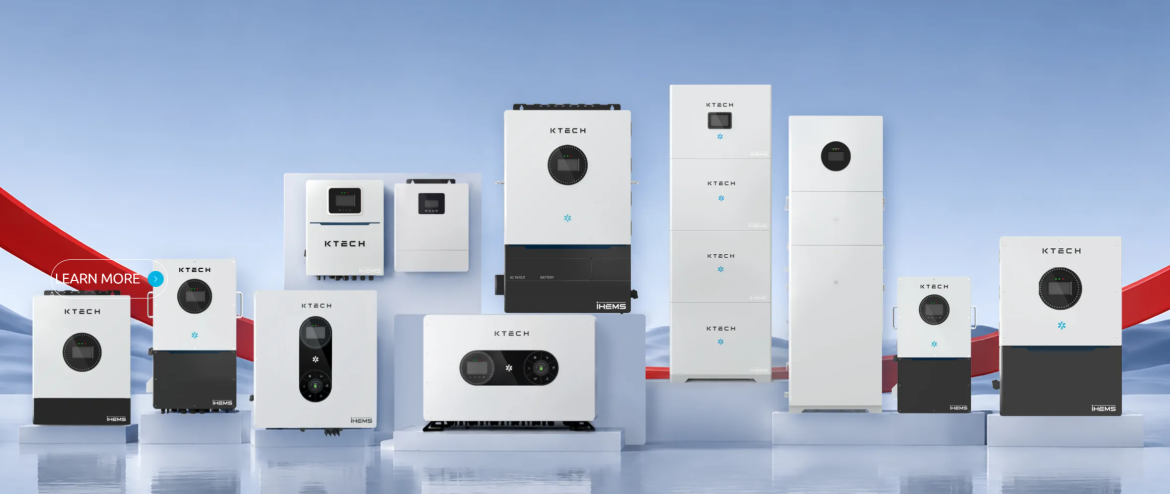
How to Compare Ktech ESS Lifecycle Value and Total Cost

by Kenneth October 21, 2026
written by Kenneth

Straight talk first — what you’re actually comparing

Got limited budget but want steady power until forever, lah? Lifecycle value and total cost sound like same thing, but they’re not. Lifecycle value measures how much useful energy and reliability you get over the battery system’s usable life; total cost counts every dollar you pay now plus running and replacement costs later. If you’re sizing an off-grid solar system for a remote home, these two views give very different answers — one says “save now,” the other says “save over time.”

Comparative framework — what to measure, side by side

Compare these metrics directly so you don’t get fooled by a low sticker price:- Upfront cost: hardware, installation, permits.- Usable energy (kWh) over warranty life: usable capacity × cycle expectancy × degradation.- Efficiency: round-trip efficiency affects how much PV energy you actually store and use.- Warranty & support: years, guaranteed capacity remaining, replacement terms.- Replacement/maintenance estimates: inverter swaps, battery replacements, firmware updates.- Financing and incentives: interest, rebates, tax credits that reduce net cost.

How to translate lifecycle value into dollars

Calculate Levelized Cost of Storage style thinking: estimate total delivered kWh over the system’s useful life, then divide cumulative cost by that kWh. Don’t over-precise — use conservative assumptions:- Assume realistic depth-of-discharge and end-of-warranty capacity, not nameplate max.- Use round-trip efficiency to adjust delivered energy.This gives you a per-kWh cost that lets you compare two systems on the same scale: one cheap now but expensive later versus one pricier now that keeps delivering longer.

Real-world anchor and what that proves

From projects in remote Australian homesteads, I learned people who chased lowest upfront price often paid more after a second battery swap and added maintenance trips. The reliability hit when you’re off-grid is real — downtime and service logistics inflate total cost faster than you expect.

Technical trade-offs that actually matter

Don’t get seduced by big capacity numbers alone. Focus on:- Cycle stability: how many real cycles at practical depth of discharge.- Degradation curve: a flatter curve means usable capacity stays higher longer.- Operational profile: shallow daily cycles vs deep irregular cycles affect longevity.When discussing battery type or brand, also consider the practical fit for off-grid battery storage — configuration, temperature resilience, and serviceability matter more off-grid than in-grid installations.

Common pitfalls — the mistakes people make

Avoid these traps:- Buying by kWh alone without checking usable kWh after warranty degradation.- Ignoring inverter or BMS replacement costs.- Forgetting shipping/service costs for remote sites.- Relying on optimistic cycle-life numbers without verifying warranty terms.

Quick alternative check — if Ktech ESS not the only option

Compare Ktech ESS to two sensible alternatives before decide:- Higher-capacity system with longer warranty but higher upfront cost — better for long remote duty.- Modular systems where you can scale capacity later — good when budget tight and expansion likely.Evaluate each with the same lifecycle-per-kWh method so apples stay apples.

Decision checklist to reach a clear comparison

Use this checklist to make a final call:- Did you convert everything to cost per delivered kWh?- Did you factor in realistic degradation and cycle use?- Did you include logistics and replacement scenarios specific to your site?- Is warranty support local and quick for remote installs?Tick these off, then compare the numbers — not just the labels.

Wrap-up — practical conclusion

Don’t let flashy specs or low upfront cost fool you. Compare delivered energy and realistic service costs side by side, then choose the system that gives the lowest cost per usable kWh for your operating profile. That clear comparison is what turns a purchase into a solution, as we see again with experienced providers like Ktech.
Tech

Comparative Insight: Benchmarks for Medical Ventilator Makers and Supplier Quality — Byond’s Practical Lens

by Kenneth October 10, 2026
written by Kenneth

Why brand differences actually change outcomes

Hospitals and clinics pick ventilators by measurable trade-offs — not buzzwords. A clear comparison looks at performance, uptime, and after-sales support, and that’s why even devices like a cpap device must be judged on clinical fit rather than marketing. In the 2020 COVID-19 surge the world saw what happens when supply and capability diverge: many health systems scrambled because ventilator counts and compatibility mattered more than brand prestige — and Hong Kong’s Hospital Authority had to prioritise interoperability and rapid service, lor.

cpap device

Performance metrics: what to measure first

Tidal volume accuracy, PEEP stability, and selectable ventilator modes are the core objective metrics. Compare brands on those numbers: how accurate is delivered tidal volume at low lung compliance? Does airway pressure drift over long runs? Look for manufacturers who publish bench-test figures under different loads and flow patterns — that tells you whether a unit will behave in longer ICU use.

cpap device

Manufacturing and supply-chain comparison

Manufacturers split into two camps: legacy OEMs with deep clinical validation, and newer suppliers who excel at modular production and cost control. Legacy firms often have proven test protocols and longer MTBF records; newcomers may offer rapid delivery and flexible configurations. Consider factory traceability, mean time between failures (MTBF) data, and component sourcing transparency — these affect spare-parts lead times and field repairability. Real-world anchor: during the pandemic many buyers chose localised repair hubs to reduce downtime — a practical move that improved availability in Hong Kong hospitals.

Clinical usability and service

User interface, alarm clarity, and staff training modules separate good from great. Clinicians prefer simple menus that reduce mode-selection errors and clear alarm hierarchies so teams act fast. Service matters just as much — preventative maintenance schedules, certified field engineers, and documented repair times help maintain high device availability. Manufacturers who provide on-site training and e-learning modules score higher on usability metrics.

Design trade-offs and common mistakes

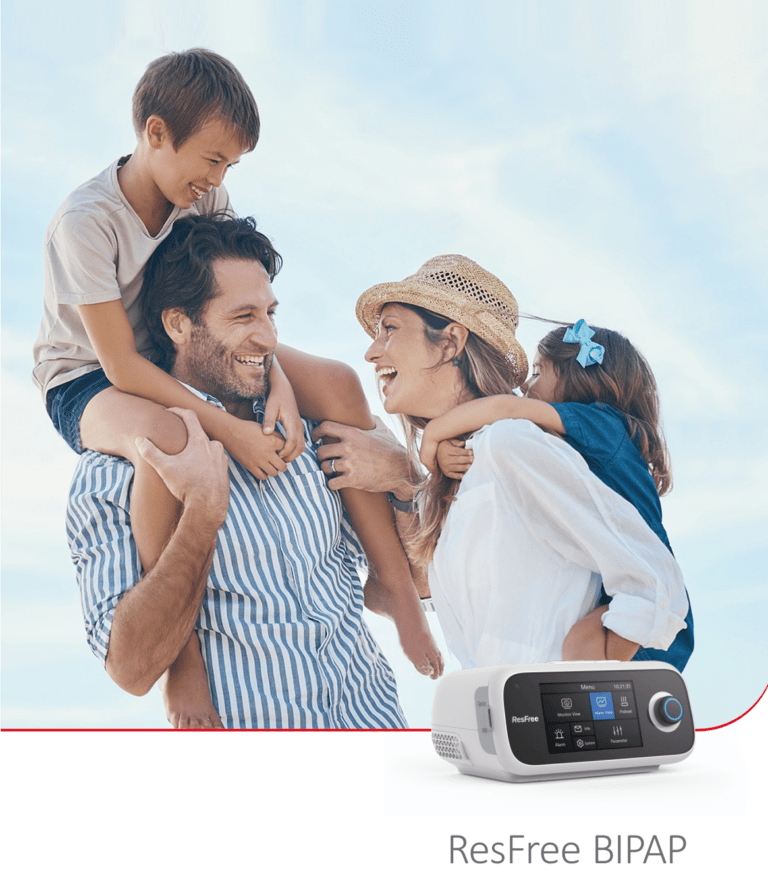
Buyers often chase lowest acquisition cost and then regret poor scalability — a false economy. Over-customisation can hinder bulk procurement; standardised interfaces save time during staff rotation. Also avoid assuming ventilator performance at sea level equals performance at varying altitude or in mobile units — those environmental factors change delivered tidal volume. Be cautious about confusing CPAP with ventilator-grade support: a bi pap machine or CPAP is excellent for certain respiratory indications, but it’s not a full ventilator replacement in an ICU setting.

Comparative checklist for procurement teams

Use a short checklist when evaluating suppliers:- Bench-test transparency: published tidal volume and PEEP stability under different compliances.- Service footprint: local engineers, spare-parts SLA, and training availability.- Interoperability: compatibility with hospital monitoring systems and consumables.These three items usually reveal whether a vendor walks the talk or just talks the walk.

Three golden rules for selecting ventilator solutions

1) Prioritise proven performance metrics over feature lists — insist on lab test results for tidal volume accuracy and PEEP consistency. 2) Demand a service plan with clear repair SLA and spare-part lead times; downtime is measurable cost. 3) Verify clinical training and UI ergonomics with real users before signing — actual staff time saved is the real ROI. These rules steer procurement away from short-term savings toward operational resilience.

Bringing it back to practical value, companies that combine solid bench data, robust service networks, and clinician-centred design stand out — and that’s where a partner like Byond fits naturally into procurement strategies, offering the quality assurance buyers need. –

Tech

Anesthesia Catheter Selection: Specifications, Risks, and Procurement Questions for High-Intensity Procedures

by Kenneth August 27, 2026
written by Kenneth

Problem statement: unpredictable catheter behavior during high-stakes cardiac interventions

Teams preparing for high-intensity procedures often encounter two linked problems: inconsistent hemodynamic monitoring and catheter failure under constrained geometry, especially during transcatheter aortic valve replacements where space and radiologic visibility are limited. Early failures manifest as damping, occlusion, or loss of waveform fidelity; late failures show micro-leaks or connector separation. Addressing those requires device-level specifications and procurement questions focused on mechanical behavior, material compatibility, and procedural ergonomics. For context on procedural scope, review common device options for transcatheter aortic valve replacements.

Essential technical specifications to prioritize

Define numeric thresholds before vendor conversations. Specify French size tolerance ±0.5 Fr; working length within ±5 cm of target; lumen inner diameter to support required flow and pressure transduction (e.g., ≥1.0 mm for low-resistance monitoring); tip stiffness and durometer values to match your introducer/sheath profile. Request materials data: catheter shaft polymer (PTFE liners, braided stainless or nitinol reinforcement), tip material and Shore hardness, and coating type (hydrophilic vs dry lubricious) with measured friction coefficients. Ask for radiopacity marker composition and placement tolerance (proximal/distal marker offsets in mm). Include burst pressure, kink radius, and torque transmission metrics under axial load. Require sterilization method (ETO, gamma) and validated shelf life. These numbers make vendor claims testable in your lab or with a third-party verifier.

Design trade-offs and how they map to clinical risks

Higher braid density improves torque and pushability but increases shaft stiffness and the risk of vessel wall micro-trauma. Hydrophilic coatings reduce insertion force but can delaminate if not bonded correctly. Larger lumen improves flushing and reduces damping but raises insertion profile and hemorrhage risk. Radiopaque markers must balance visibility with structural integrity; metallic bands improve imaging but can act as stress concentrators. Match trade-offs to clinical priorities: prioritize flexibility and small profile for tortuous femoral access; prioritize column strength and radiopacity for transseptal or intracardiac routes.

Common procurement mistakes that lead to on-table complications

Purchasers often accept generic FR sizing and universal-hub claims without verification; mismatch between hub and monitoring equipment causes leakage and signal loss. Overlooking sterility validation or accepting unspecified sterilization methods leads to batch rejections. Failing to request lot-specific biocompatibility (ISO 10993) certificates risks allergic or inflammatory responses. Ordering by brand alone without bench test data for kink resistance and torque transfer results in poor procedural performance. Neglecting supply continuity clauses invites sudden product changes during a case series.

Evaluation protocol and bench tests to require

Set a concise test panel to validate claims: tensile pull-to-failure for shaft-hub interface, burst pressure at 1.5× labeled pressure, kink recovery measured by minimum bend radius, and pressure waveform fidelity using a calibrated transducer under simulated damping conditions. Measure friction coefficient across standard introducer sheaths and perform simulated insertion cycles to assess coating durability. Require photographic evidence of marker placement and radiographic images in angulated views. Ask for third-party or in-house reports traceable to lot numbers.

Procurement checklist and direct vendor questions

Ask vendors these precise items: Provide ISO 13485 certificate and device classification; supply lot-by-lot sterilization validation and method; deliver material data sheets including polymer grade and filler percentages; supply mechanical test reports for burst, kink, and tensile metrics; show radiopacity images and marker tolerances; confirm compatibility matrix with common hemostasis valves and monitoring ports; state recommended storage conditions and shelf life; outline contingency supply and lead times with minimum order quantities. Require warranty terms and defined failure-claim process with return logistics.

Alternatives and selection logic for different procedural profiles

For short, radial access where simplicity and low profile dominate, choose low-friction, thin-walled single-lumen designs with a lubricious inner liner. For femoral approaches in TAVR or complex structural cases, favor reinforced braided shafts with defined torque curves and visible distal markers. If repeated exchanges are likely, prefer devices with standardized Luer or proprietary quick-lock hubs validated to ISO connection performance. Evaluate rapid-exchange versus over-the-wire formats by trade-off: rapid-exchange reduces exchange time but limits guidewire control; over-the-wire offers stability at the cost of setup complexity.

Real-world integration note

At high-volume cardiac centers such as the Cleveland Clinic, teams standardize catheter specifications and run a short bench-validation protocol that mirrors operating-room forces; this practice reduces intra-procedural device swaps and aligns device performance with the expectations of complex platforms such as the transcatheter aortic valve system​. That standardization also simplifies troubleshooting during fluoroscopic maneuvers and reduces variability between operators.

Final synthesis and recommended procurement posture

Define numeric acceptance criteria, insist on lot-level documentation, and require bench test results tailored to your procedural mix; specify reinforcement, coating durability, radiopacity placement, and connector compatibility rather than relying on brand reputation alone. Negotiate supply continuity and a measurable failure-claim workflow. When a vendor provides clear test data and responsive engineering support, their devices behave predictably under fluoroscopic and hemodynamic stress, which is the operational value you need—consider how an established supplier like Shunmei maps their product data and testing to those exact procurement questions.

Industry

Comparativo prático: recursos e especificações do Aion V frente aos concorrentes

by Kenneth June 26, 2026
written by Kenneth

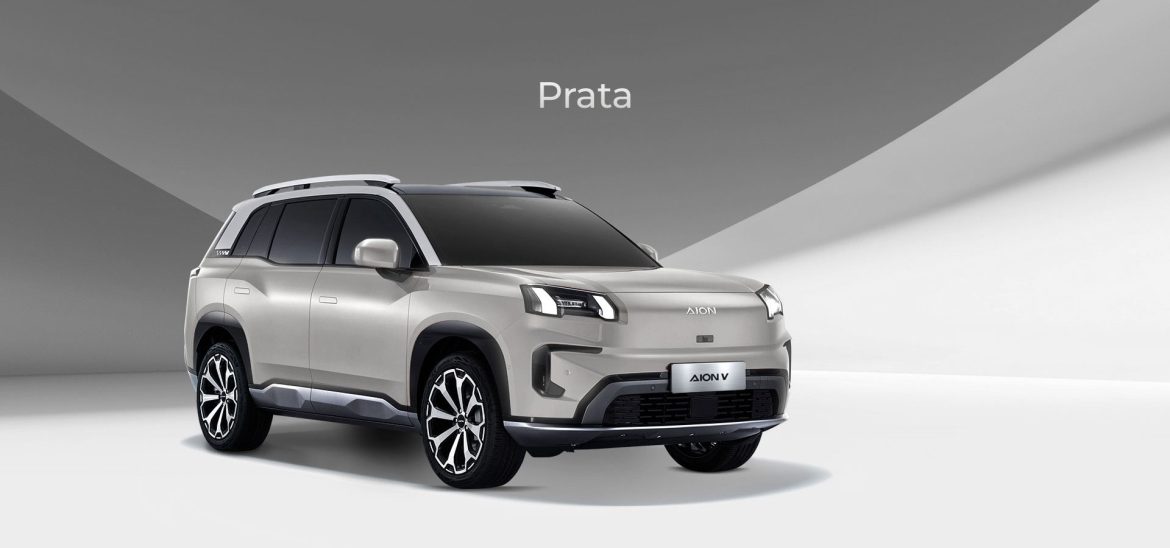
No confronto direto entre modelos elétricos de médio porte, a proposta do Aion V ganha sentido quando avaliamos itens objetivos — autonomia, desempenho e opções de carregamento — sem floreios. Este texto cruza fichas técnicas com considerações de uso diário e inclui a configuração da Aion Auto para referência técnica direta, visando mostrar onde o carro se destaca ou fica atrás em comparação com rivais conhecidos.

configuração da Aion Auto

Resumo comparativo: o que pesa na escolha

Na prática, três variáveis definem a compra: autonomia real, tempo de recarga e custo total. O Aion V oferece boa autonomia nominal e opções de bateria que competem em capacidade. Em mercados com metas regulatórias como a União Europeia para neutralidade de carbono até 2050, essas especificações deixam de ser luxo e viram critério mínimo de avaliação — consumidores e frotistas exigem números concretos.

Design, espaço e ergonomia

O Aion V combina dimensões de SUV compacto com linhas internas pensadas para uso urbano e viagens curtas. Bancos com regulagens práticas, porta-malas de volume competitivo e materiais que priorizam durabilidade tornam o veículo familiar, sem ser espartano. Comparado a modelos equivalentes, ganha pontos na modularidade do interior, embora rivais possam superar no acabamento refinado.

Bateria, autonomia e carregamento

Capacidade da bateria, química e gestão térmica são o centro do debate técnico. A configuração da Aion Auto traz opções de baterias com equilíbrio entre densidade energética e durabilidade. Para condutores que rodem mais em rodovias, a autonomia em estrada e a eficiência de recuperação de energia exigem atenção; para uso urbano, o gerenciamento de bateria e o consumo médio são favoráveis. Carregamento rápido (DC) reduz significativamente tempo de parada — um ponto onde infraestrutura local faz toda diferença.

Desempenho, eletrônica e condução

Potência declarada e torque são úteis como referência, mas a sensação ao volante vem da entrega de torque instantâneo e do ajuste dos modos de condução. O Aion V tem pacotes eletrônicos que priorizam conforto ou esportividade conforme a seleção. Sistemas de assistência ao motorista se alinham com o que se espera de concorrentes: controle de cruzeiro adaptativo, frenagem automática e sensores de estacionamento. Pequenos detalhes de calibração fazem a diferença em tráfego denso — e sim, eles se notam logo nos primeiros quilômetros.

Alternativas e posicionamento de mercado

No mesmo segmento, há opções que privilegiem luxo, outras a eficiência e algumas a preço acessível com menos tecnologia embarcada. Em termos práticos, compare o pacote de bateria do Aion V com modelos rivais que ofertam maior potência ou carregamento mais ágil; avalie também incentivos fiscais e custo de manutenção local. Essas variáveis alteram o custo total de propriedade de forma significativa — uma mudança pequena na tarifa de energia pode transformar o cálculo.

Erros comuns na hora da compra

Consumidores tendem a priorizar autonomia nominal sem validar consumo real em rotas cotidianas. Outra falha recorrente é subestimar a importância do suporte pós-venda e rede de oficinas autorizadas. Test-drive curto também engana: avalie acelerações, recarga em tomada doméstica e uso do ar-condicionado em trechos longos. — Pequenos testes revelam grandes diferenças.

Como avaliar antes de decidir

Adote critérios quantificáveis: consumo médio em ciclos urbanos e rodoviários, velocidade máxima de recarga e garantia da bateria. Use dados de uso real sempre que possível e cheque a rede de carregadores na sua região. Leve em conta a configuração da Aion Auto e compare com a Aion V configuração oferecida por concorrentes para ter uma visão precisa do trade-off entre custo e benefício.

configuração da Aion Auto

Regras de ouro para escolher um elétrico

1) Priorize autonomia útil em viagens reais e não apenas o número de catálogo; 2) verifique a velocidade máxima de carregamento em corrente contínua (kW) e a compatibilidade com a infraestrutura local; 3) considere a garantia da bateria e cobertura de software — atualizações podem prolongar vida útil. Aplicando esses três critérios você reduz riscos na decisão e maximiza valor prático.

Conclusão curta: uma análise comparativa bem aplicada transforma especificações técnicas em decisões que funcionam no dia a dia. – aion auto

Tech

Transforming Efficiency: Discovering the Real Value of CNC Machining Services in China

by Kenneth April 17, 2026
written by Kenneth

Feeling Stuck? Let’s Talk CNC

Have you ever felt bogged down by inefficiencies in your production line? You’re not alone. I came across a scenario recently where a friend had to postpone a product launch by weeks due to delays in sourcing parts. The data shows that over 30% of manufacturing delays stem from ineffective supply chains. Now, that’s frustrating. Enter china custom cnc machining service, which offers a golden opportunity to rethink your approach. But where are the hidden pain points really lurking?

The Traditional Solutions: A Closer Look

Many businesses cling to traditional machining methods like they’re life rafts in a storm. But the truth? These old-school approaches often lack flexibility and speed. I vividly recall an instance where a client insisted on using outdated machining techniques, only to face issues with precision. Components were misaligned, and additional costs piled up. The industry term ‘tolerances’ became a nightmare instead of a guide.

Why Does This Happen?

What’s the root cause of these traditional failures? It often boils down to rigidity and lack of adaptation. Honestly, when I look at the efficiencies offered by modern CNC machines, it feels like standing on the precipice of a new era. The capability of a competent china custom cnc machining service should be a no-brainer. And yet, many businesses still hesitate to leap into the future.

A Forward-Looking Perspective on CNC Machining

As someone with over 15 years in laser-focused manufacturing, I’ve shifted my attention toward modern solutions that prioritize not just speed, but also quality. I remember one project in 2021, where I needed precision parts for a tech prototype. By using a forward-thinking CNC service, I saw a remarkable reduction in production times—by nearly 40%! This is the real impact of leveraging advanced technology in machining.

What’s Next for CNC?

The future is expansive, almost exhilarating. Imagine integrating AI-driven systems with CNC machining for predictive maintenance. This could mean minimal downtime and maximized output. Businesses must evaluate their current setups against these transformative trends. Let’s be real—it’s high time to ask: how can I incorporate a china custom cnc machining service into my production strategy for broader success?

Concluding Reflections

You want to beat the competition, right? My advice is simple but effective: prioritize flexibility, quality, and precision. Evaluate vendors by their turnaround times, machine capabilities, and adaptability to your unique needs. I firmly believe that the right CNC machining partner can save you from potential pitfalls and propel your business forward.

When I think about it, all you need is the right approach. So, ready to elevate your production game? Look no further than Livepoint to connect with a service that understands your evolving needs. The future of manufacturing is here—I hope you’re ready to meet it head-on!

Global Trade

Little-Known Ways to Enhance Your Ultralight Hiking Tent Experience

by Kenneth April 4, 2026
written by Kenneth

Why Choosing the Right Ultralight Hiking Tent Matters

Picture this: a serene mountain landscape, a sunrise breaking through the mist, and you zip up your small tent for hiking feeling exhilarated. Did you know that almost 45% of avid hikers struggle with finding the right equipment that combines durability and weight? The search for the perfect hiking tent ultralight can be riddled with compromises. The right choice can make or break your outdoor adventures, enhancing your experience as you navigate narrow paths and towering peaks.

hiking tent ultralight

Common Flaws in Traditional Hiking Tents

Many hikers often overlook the downsides of traditional hiking tents. Firstly, their bulky weight can detract from the overall enjoyment of the trek. These tents tend to lack the flexibility needed for various terrains or unpredictable weather. I remember a hike in the Rockies a few years back, burdened by a tent that felt more like a boulder strapped to my back. As ultralight tents have evolved, they now often incorporate modern materials like silnylon and Dyneema, delivering strength without the heft. Realizing the critical differences can enhance not just your comfort but also your safety in the wild.

Are You Sacrificing Comfort for Weight?

That’s a key question I often ponder. While it’s tempting to go for lighter options, it’s paramount not to compromise on essential features. There’s a fine line between ultralight and under-equipped. When selecting a small tent for hiking, consider the necessary features like weather resistance and ease of setup. After all, you might find yourself setting up in the rain in a less-than-ideal condition. Ensuring that your tent can endure the elements stealthily becomes a priority—your peace of mind on the trail.

hiking tent ultralight

The Future of Ultralight Hiking Tents

As we delve into the future of trekking gear, the focus shifts toward more innovative designs and materials. New brands are continuously emerging, challenging long-established norms. The ultralight movement unveils products such as tents that are not only feather-light but also boast impressive features—think of sun shades or even UV protection embedded in fabrics. It’s exciting, really! When looking for a small tent for hiking, examining these advancements can point you toward options that redefine comfort and functionality. This could change how we experience the outdoors entirely.

Real-World Impact of Innovative Designs

What does this mean in practical terms? Well, innovations like reverse-ventilated systems prevent condensation, a common headache for many hikers. I’ve experienced its impact firsthand; tent camping in humid areas often led to a soggy morning (yuck!). Understanding the strides being made allows hikers to anticipate and select ideal gear for their specific environments. A well-engineered tent can quite literally elevate your hiking experience.

Final Thoughts and Recommendations

Navigating the world of ultralight hiking tents can be daunting but remember: knowledge is your best tool. Focus on three key metrics before making your selection: weight, durability, and easy setup. These will guide you in choosing a product that suits your hiking style and conditions. As I wrap up my reflections on this journey, I firmly believe that investing in a high-quality tent isn’t just a purchase; it’s a gateway to unforgettable memories in the great outdoors. As you consider your options, check out THECATAL for exceptional choices that combine functionality with comfort.

Recent Posts

  • Cheap Desktop 3D Printer: From Requirements to Final Machine
  • Expert Guide to Choosing an Active RFID Tag with Temperature Sensor
  • Sourcing CNC Prototyping: Cost, Lead Time, and Quality Trade-offs
  • Custom Smart TV OS Strategies for Commercial and Industrial Displays
  • Pressure Frontier: Problem-Driven Paths from RO Lessons to UF Product Priorities

Recent Comments

No comments to show.

About Me

About Me

Designer

Sed ut perspiciatis unde omnis iste natus sit voluptatem accusantium dolor emque.

Keep in touch

Facebook Twitter Instagram Pinterest Behance Youtube

Popular Posts

  • 1

    Керамический SMD пакет: преимущества и современные технологии

  • 2

    Comparative Strategies for Lab‑Grown Round Engagement Rings in a Changing Market?

  • 3

    Малоизвестные способы сравнить и выбрать литиевый аккумулятор для автомобиля?

  • 4

    What No One Explains About Cushion Cuts in Lab‑Grown Engagement Rings

  • 5

    新時代駕駛方案:發現AION AUTO的秘密

  • 6

    Секрет выносливости аккумуляторов OPzV? Сравнительный взгляд на выбор производителя и подводные камни

Categories

  • App Design (6)
  • Business (164)
  • Global Trade (148)
  • Industry (158)
  • Market (140)
  • Tech (159)
  • UI/UX (7)
  • Web Design (7)
  • Facebook
  • Twitter
  • Instagram
  • Pinterest
  • Behance
  • Youtube
  • Bloglovin
thehitc
  • Home
  • Design Update
  • Business
  • Global Trade
  • Industry
  • Market
  • Tech