Night Ride, Cold Facts, Hard Question
You leave the ring road at dusk, visor streaked, city glow fading to black. The sport cruiser motorcycle under you hums, steady but solemn, like a promise you can’t quite trust. Sales charts climb, mileage stretches, and riders push later into the night—yet strain, heat, and fatigue keep rising in the margins (the parts we don’t post). So here’s the question: if this format is built to ease the grind and still cut through traffic, why do so many riders step off sore, wired, and oddly unsatisfied? The geometry says comfort; the throttle map says pace; the real world says compromise. Traffic hardens. Streets break. Electronics buffer what muscle memory learned, then lag a hair, then ask for faith. And faith runs thin when a corner buckles or a long straight goes empty.
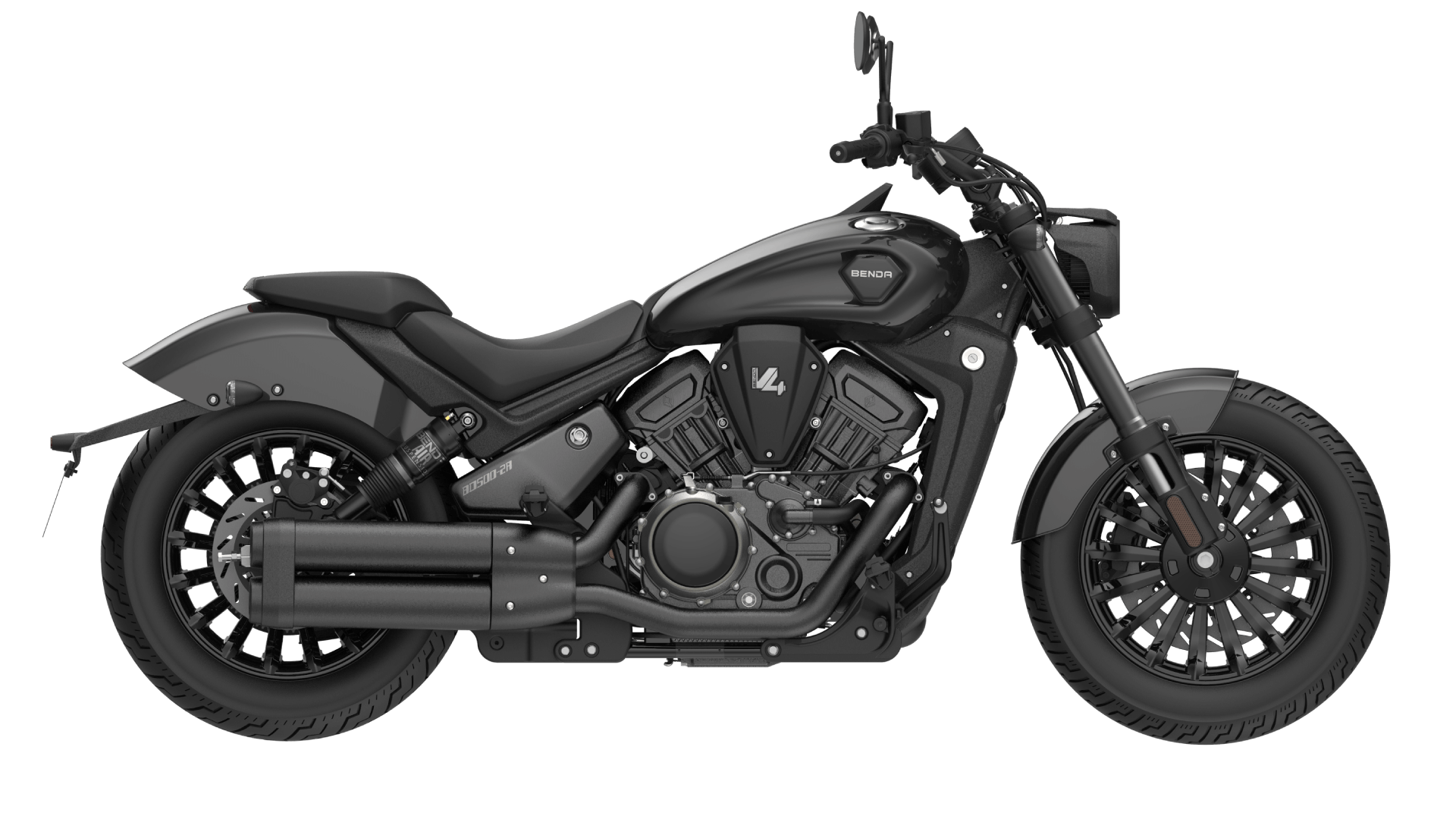
Let’s move from image to evidence—and find what really scrapes first.
Pressure Points Beneath the Chrome
Where do comfort and control break?
Let’s name the center of gravity: a sport cruiser bike promises relaxed ergos and sharp response, but it can bury pain points in plain sight. Mid-forward pegs ease knees, yet shift weight off your core; long bars calm the shoulders, yet amplify crosswind input—funny how that works, right? The rake and trail seek stability, but under patchy asphalt the fork can pack, and damping turns choppy. Ride-by-wire should be silk; instead, a tiny ECU mapping delay makes roll-on roll-off jerky at low RPM. Add heat soak around your thighs, and a wide rear tire that hunts painted lines. This is not “bad,” it’s the tax of mixing cruise posture with attack geometry. The IMU, ABS, and CAN bus keep watch, but they can’t erase physics when the torque curve spikes right where the chassis is least settled. Look, it’s simpler than you think: comfort and control are both right—just not always at the same speed.
Traditional fixes miss the root. A thicker seat pads pressure, but tilts your pelvis and tweaks wrist angle under braking. Shorter gearing fixes off-idle lurch, yet raises cruise RPM and heat. Stiffer springs add support, but bite you on sharp edges and freight-train your forearms. Even “solution stacks”—slipper clutch, traction control, touring screen—can layer complexity without aligning the system. The result is quiet fatigue: micro-corrections every mile, a neck that tightens at 70 mph, and a throttle hand that never fully relaxes. The hidden cost isn’t speed or style; it’s cognitive load.

Beyond the Compromise: Comparing Paths Forward
What’s Next
New principles are changing the math, and the best way to see it is by comparison. Standard cruisers lean on mass and mellow cams; sport tourers chase apexes with tall stance; sport cruiser motorcycles now thread the gap with smarter control loops and lighter packaging. Semi-active suspension reads potholes and adjusts damping in milliseconds—tiny, constant corrections that lower rider workload. Cornering ABS tuned by IMU reduces intervention spikes, so you feel less “cut” and more glide. Variable valve timing flattens the torque curve, easing roll-on in mid-corner. Even the electrical architecture helps: a clean CAN bus and sharper power converters smooth sensor chatter, so traction control feels predictive, not punitive. Different tools. Same road. Less noise in your head.
Case in point: two riders, same commute, same crosswinds. One relies on old-school preload and a heavy bar; he white-knuckles through broken tarmac. The other runs adaptive damping and a calmer throttle map; her inputs are smaller, and her neck doesn’t tense. The insight echoes the earlier section without repeating it: fatigue isn’t drama—it’s drift. To choose well, measure three things: (1) system harmony under stress, not just spec-sheet power; (2) signal clarity in the control stack—how ECU, IMU, and sensors talk at low and mid RPM; (3) chassis stability on bad surfaces at cruise, tested with real luggage and real crosswinds. Advisory tone, yes, because this is where comfort finally meets speed, and the ride stops feeling like a wager. For a brand building into that lane with intent, follow the line toward BENDA.