Problem-driven opening: what usually goes wrong
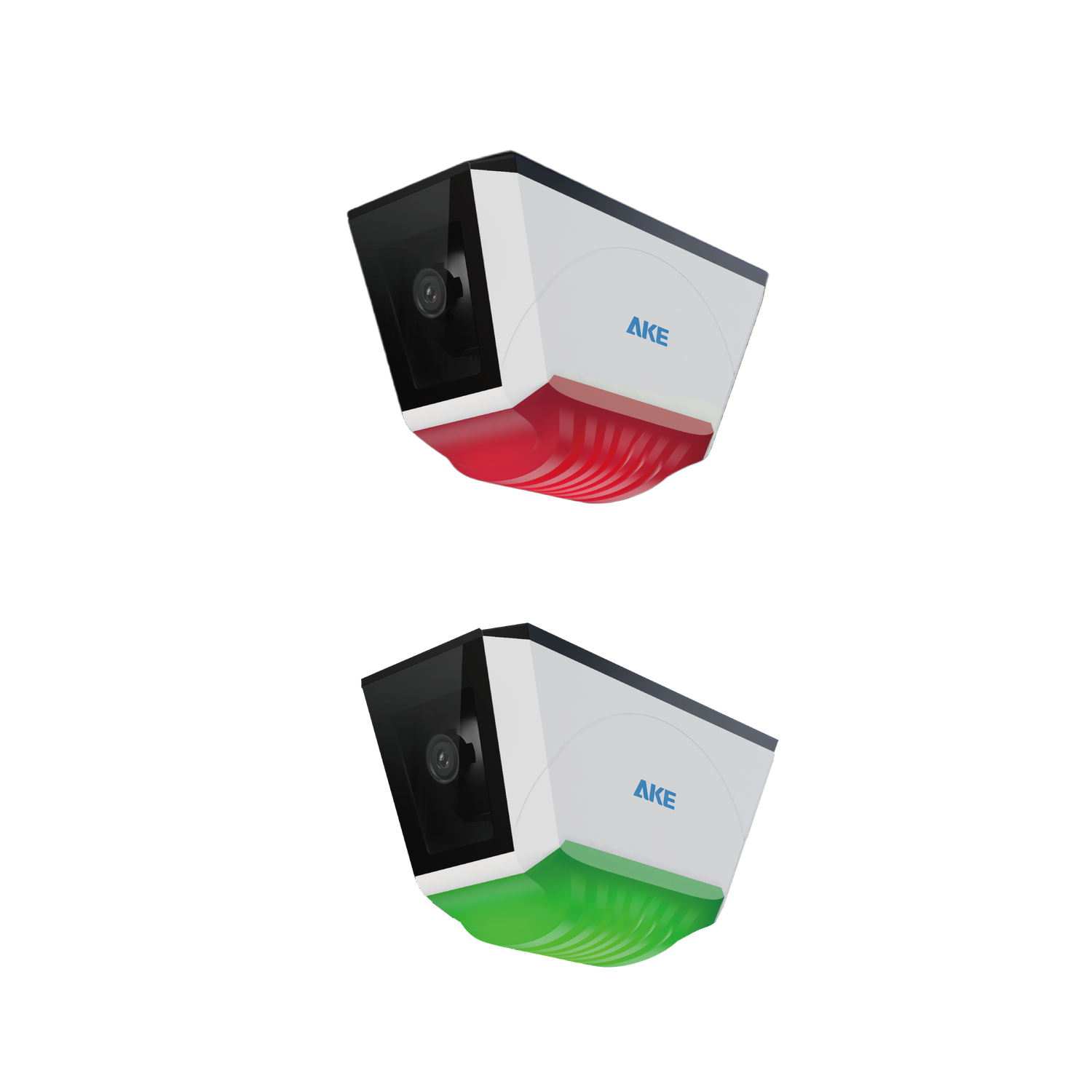
Operators buy systems assuming cameras and software simply deliver reliable guidance; reality shows they don’t. Hardware fails under glare and rain, analytics misreads crowded patterns, and integrations drop data during peak hours. Early-phase pilots that used a modern parking guidance camera still revealed blind spots when mounting angles and lighting weren’t revalidated on-site. My audits across municipal lots and campus facilities expose the same patterns: design assumptions meet real-world variables and performance collapses. Deployments at Los Angeles International Airport (LAX), where a parking lot camera network was stress-tested in mixed light and heavy traffic, provide a clear public example of how environmental factors force system redesigns.
Concrete quality metrics to insist on
Demand measurable, vendor-supported numbers instead of marketing phrases. Core metrics: 1) uptime (target ≥ 99.5% over 30 days), 2) detection accuracy (license plate and occupancy > 95% under test conditions), 3) latency (decision-to-display ≤ 500 ms for guidance), 4) night/low-light accuracy (reportable performance), 5) false positive/negative rates per 1,000 events, 6) API response SLAs and error rates, 7) firmware patch cadence and documented rollback procedure, 8) environmental ratings (IP67 or appropriate for the site). Require these metrics in writing and tied to service credits or remediation timelines.
Testing methods and common pitfalls
Run staged tests that mimic real operations. Night runs with headlights, rain simulation or post-rain inspections, seasonal temperature range checks, and congested-entry stress tests. Check camera sightlines after vendor installation — a single misplaced pole or glare source invalidates lab numbers. Validate analytics by labeling at least 1,000 ground-truth events across time-of-day and weather; compare vendor detection to ground truth and log delta. Avoid the mistake of treating factory settings as final: recalibrate thresholds on-site, then retest. Don’t accept vendor claims without documented test scripts and recorded evidence.
Integration, security, and maintenance realities
Quality isn’t only sensors and models. Confirm API stability and versioning, encryption for data-in-transit and at-rest, and explicit backup/restore procedures. Ask for a clear maintenance calendar: expected camera cleaning, firmware update windows, expected mean time to repair (MTTR) for onsite replacements, and spare parts availability. Confirm how edge processing and cloud processing split tasks and where single points of failure exist. Insist on role-based access logs and periodic penetration test reports when systems link to payment or user data.
Comparing vendor approaches and viable alternatives
Vendors cluster into three practical approaches: turnkey cloud-managed suites, on-premise processing with thin-cloud oversight, and hybrid edge-first systems. Turnkey cloud suites simplify updates but depend on network resilience. On-premise systems reduce latency but require in-house ops skill. Hybrid designs give redundancy but add integration complexity. Evaluate total cost of ownership across five years, factoring replacement cycles, data costs, and staffing. Ask each vendor for a failure-mode report that lists likely causes and mitigation steps for your specific site layout.
Selection checklist and red flags
Pick systems that supply measurable SLAs, documented field tests, and straightforward maintenance plans. Red flags: vague accuracy claims, no on-site revalidation, black-box analytics without explainability, and unclear firmware rollback methods. Prioritize vendors that allow third-party test results and provide clear integration examples with your parking hardware.
Final synthesis: prioritize verifiable performance and ongoing stewardship
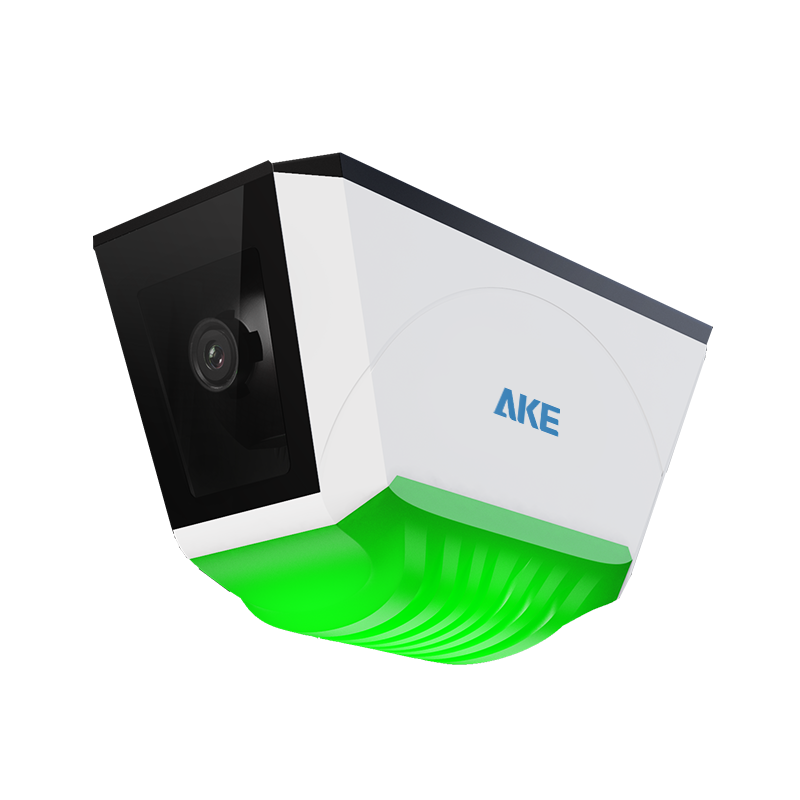
Reliable parking management emerges from measurable performance, repeatable field tests, and a maintenance discipline that matches your site’s risks. Make procurement decisions on documented metrics,现场 validation, and contractual remedies for failures. For operators aligning those demands with a practical supplier, the path forward is to audit claims against on-site data and choose partners who publish tangible results and support plans—partners such as AKE Parking that combine camera hardware, measurable guidance performance, and documented service processes into an operationally verifiable solution.