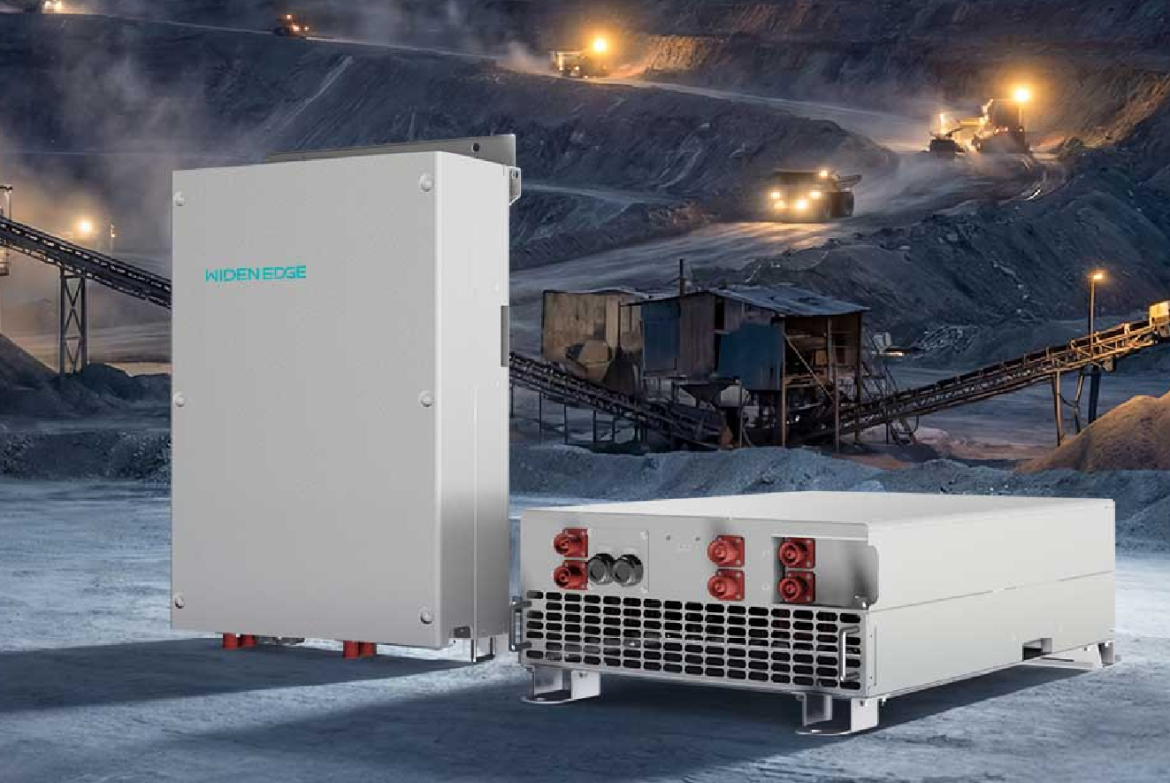
I keep asking the same practical question when I walk a site: what changes when you design a microgrid from scratch versus shoehorning one into an existing building? That curiosity drives clearer decisions—choices about layout, cable runs, and whether a 60kW off-grid PV inverter is the right fit. New projects let you plan geometry and cable routes. Retrofits force real-world compromises. Both need clear priorities; both can work well if you pick the right hardware and control strategy early.
Big-picture differences that guide every decision
Compare the two on factors that actually change design and cost:
- Timeline and coordination: New builds align with the construction schedule. Retrofits compete with occupied space and phased operations.
- Electrical topology: New builds let you centralize switchgear and batteries. Retrofits often require distributed panels and longer cable runs around existing structures.
- Structural and spatial constraints: Rooftop PV and battery rooms are easy to plan in new sites. Retrofitting needs load-bearing checks and creative siting.
- Permitting and interconnection: New projects can bundle permits. Retrofits usually trigger additional safety upgrades and sometimes stricter fire-code reviews.
- Operational disruption: You can stage equipment in new builds. Retrofits need outage plans and temporary power—more logistic overhead.
Hardware and integration — what really differs
Component choices shift between new and retrofit work. In new builds you can specify centralized, higher-capacity inverters and battery banks with a clean single-point of connection. In retrofits you often choose modular solutions that fit into available spaces and limit downtime. If you’re evaluating a commercial hybrid inverter 60kW, think about:
- Mounting and ventilation: New buildings can include a dedicated inverter room. Retrofits need tailored racks, airflow paths, and noise mitigation.
- Control integration: New builds allow tight integration with building management systems from the start. Retrofits may require gateway devices and protocol bridging.
- Scalability: A 60kW hybrid unit fits cleanly into a new build’s forecasted capacity. In retrofits, pick models that stack or parallel without long outages.
Sizing, storage and demand — different math, similar goals
Both approaches start with load analysis, but the constraints change the math. For new builds you can match generation and storage to expected loads and future-proof with margin. For retrofits you often size around existing peak demands and focus on targeted resilience: critical circuits, emergency lighting, HVAC for a subset of rooms. Common mistakes to avoid:
- Overlooking mismatch between inverter surge capability and actual motor starts — leads to nuisance trips.
- Ignoring physical routing for DC cabling; long runs add losses and limit battery placement options.
- Failing to simulate islanding scenarios – the system must run safely when the grid drops.
Controls, commissioning and real-world lessons
Controls are where theory hits reality. In my field experience—sizing and commissioning commercial microgrids for offices and clinics—I’ve seen a Northern California hospital microgrid lean on a commercial hybrid inverter 60kW to keep critical loads running during wildfire-related outages. That taught a few lessons: prioritize clear state transitions between grid-following and island modes, verify anti-islanding protection under partial-load conditions, and document failover steps so onsite staff can act without confusion.
Cost and financing — different levers to pull
Budget decisions look different. New builds can absorb higher upfront equipment costs because savings appear across construction trades and lifecycle planning. Retrofits lean on targeted ROI: focus on resilience and energy-cost reductions in the shortest payback window. Consider incentives and depreciation schedules; some retrofit projects qualify for immediate tax credits or utility grants that take the sting out of the retrofit premium.
Practical checklist for choosing path and partners
Before you sign off on scope, run this rapid checklist with your team:
- Define the required islanding duration and critical loads—be explicit.
- Map physical routes for power and control cabling; tag unavoidable long runs.
- Confirm ventilation, fire safety, and structural constraints early.
- Pick inverter/battery combos that support parallel expansion without rework.
- Plan commissioning windows that minimize operational disruption.
- Build operator training and clear manuals into the contract.
Closing perspective
New builds give neat engineering choices. Retrofits demand pragmatic creativity. Both succeed when teams pick the right hardware, run realistic simulations, and plan commissioning like it’s part of construction. That practical approach is why designers and owners I work with often land on modular, serviceable systems from suppliers who stand behind on-site support—an outcome that firms like WidenEdge help enable through field-tested components and operational guidance. Choose clarity over assumptions, test transitions, and you’ll have a resilient microgrid whether it’s born in a blueprint or grafted onto an old wiring closet.