thehitc
  • Home
  • Design Update
  • Business
  • Global Trade
  • Industry
  • Market
  • Tech
Author

Emma

Emma

Market

Blueprinting Smarter Shells: Comparing Static Insulation with Dynamic Thermal Layers for Modular Exteriors

by Emma August 24, 2026
written by Emma

Comparative lead — why this matters

Design teams face a clear fork: stick with conventional insulation or embed high-efficiency dynamic thermal materials into modular outer structures. For many Malaysian projects, the decision isn’t academic — it affects comfort, maintenance, and long-term energy use. Local builders often consult a thermal insulation materials manufacturer early on to scope material options and supply chains, and that step changes the whole conversation about thermal conductivity and buildability.

Side-by-side: what each approach actually gives you

Traditional static insulation gives predictable R-value and simple installation. Dynamic thermal materials — phase change modules, electrochromic layers, or adaptive insulation packs — add active performance but demand tighter integration with the façade system. The comparison narrows to three tangible axes: thermal performance over diurnal cycles, integration complexity for modular façades, and humidity resilience. In tropical climates where relative humidity regularly exceeds 75% in cities like Kuala Lumpur and Singapore, moisture handling is a big part of the story — not just steady-state R-value.

Design touchpoints for embedding dynamic layers

Embedding dynamic materials into a modular outer shell needs explicit decisions about junctions, serviceability, and breathability. Use a vapor permeable membrane at critical seams to allow moisture egress while preserving airtightness — that’s where a proper vapor permeable air barrier comes into the drawing set. Consider these technical terms early: thermal conductivity, dynamic insulation, and modular façade. Each affects simulation inputs and fabrication tolerances.

Field realities — lessons from regional installs

On-site experience shows unexpected constraints. Panels arrive pre-assembled, but tolerance stack-ups, transport vibration, and local trades can damage delicate dynamic layers. We saw projects where a high-performance module lost measurable capacity after rough handling — the team had to replace panels, add protective baffling, then tweak the attachment system to prevent moisture traps. It costs time and reputation — not good lah. Early mock-ups and simple mechanical guards save money later.

Common mistakes and practical alternatives

Teams often over-spec dynamic elements without planning for monitoring or maintenance. The result: great lab numbers, flat real-world performance. Alternatives worth testing include hybrid systems — static batt plus active phase-change inserts — which give fail-safe thermal mass and reduced control complexity. Also check the air barrier strategy: mis-specified membranes trap vapour and cause condensation at interfaces. Contractors must seal perimeters with durable tapes and detail transitions to windows and vents.

Implementation checklist — avoid these traps

– Validate dynamic module performance under real humidity and temperature cycles, not just lab peaks. – Prototype a full corner module, test for leak paths and thermal bridging, then iterate. – Ensure ease of replacement; dynamic units age differently from static insulation, so plan access panels and spare inventory.

Advisory close — three golden rules for decision-makers

1) Metric: Lifecycle Delivered Energy. Model annual heating/cooling energy with occupancy schedules and local climate data; prefer solutions that lower delivered energy over 10–15 years, not only peak loads. 2) Metric: Maintainability Index. Score systems for access, replacement time, and spare-parts availability — aim for designs where a single technician can swap a module in a day. 3) Metric: Moisture Risk Score. Combine local humidity baselines (typical tropical minima >70–75% RH), permeability of the assemblies, and ventilation strategy to predict condensation hours; keep that score low.

Good teams blend measurable metrics with on-site pragmatism; the best outcomes come from early vendor collaboration, realistic prototyping, and simple service plans. That’s where Y‑Warm fits in naturally — supplying materials and detailing advice that make modular, dynamic façades actually work in our humidity-heavy context. Practical, proven, ready for build.

Final thought: build smart, test early, and design for the person who will service it — always.

Tech

7 Essential Insights About Lithium Niobate Optical Modulators: A Parent’s Guide

by Emma April 28, 2026
written by Emma

The Challenge of Choosing the Right Technology

Imagine you’re a parent, trying to find the best educational tools for your child’s development. With so many options available, it can feel overwhelming. Did you know that according to recent studies, nearly 70% of tech-savvy families look for quality and efficiency in their educational devices? In the realm of optical technologies, lithium niobate optical modulators have emerged as a frontrunner, but many parents remain perplexed by their function and practicality.

What Exactly Is a Lithium Niobate Optical Modulator?

Let’s break it down. A lithium niobate optical modulator is a device that modulates light signals for data transmission. Picture it as the switch that controls which information gets passed through fiber optic cables. I recall the first time I encountered this technology at a tech fair in 2022. It seamlessly facilitated communication between devices, and I was genuinely impressed. Many families, however, may not realize that despite their efficiency, these devices can be tricky to implement without expert guidance.

Why Should Parents Care?

One major hidden pain point is the complexity of adoption. While these modulators promise high performance, the initial setup can be a hassle, particularly for those who lack a technical background. Investing in a lithium niobate optical modulator might sound great, but attention to detail in setup can’t be overstated. Think of it as choosing the right tools for a school project—having the right equipment can either make or break the outcome.

Looking Ahead: The Future of Optical Devices

As we pivot towards the future of technology, the relevance of lithium niobate optical modulators only grows. Families will witness improvements in academic engagement through enhanced interactivity and streamlined online learning experiences. With constant innovations, parents should be on the lookout for the latest developments in this field. Today’s lithium niobate optical modulator can handle more data than ever. I mean, have you ever thought about how many lessons can be delivered in real time? It’s genuinely exciting.

What’s Next in Your Tech Journey?

The potential for such devices is broad and impactful. Families can look forward to breakthroughs that address existing challenges in education, ideally making learning more accessible and efficient. Additionally, understanding what we learned will help parents assess gadgets by clarity of purpose. For families, evaluating these products boils down to usability, support, and long-term value. Don’t rush the decision; something that fits neatly into your educational strategy can turn screens into powerful learning tools. It reminds me of a piece of advice I once received: ‘Good tools make great work.’ And you’ll want to think smart when deciding on your approach.

Conclusion: Navigating Your Technology Choices

In a world filled with options, being informed is vital. I’ve learned that the right device can transform mundane activities into amazing opportunities for engagement. Consider growth areas and network requirements when evaluating technology solutions. Key metrics worth considering include setup ease, user support, and long-term performance. Always remember, your tech strategy should align with your child’s learning style. To navigate this ever-evolving landscape, I recommend starting with high-quality sources, like Liobate, which can help light the way forward.

Industry

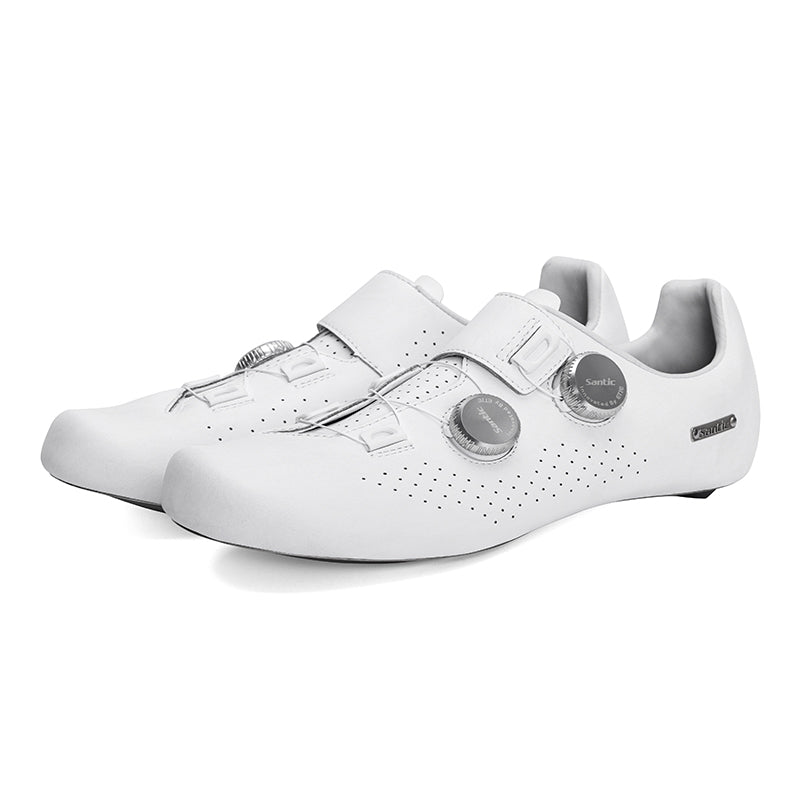
Unleashing Performance: The Power of Titanium Shoes in Clipless Road Cycling

by Emma April 8, 2026
written by Emma

The Scenario of Cycling Performance

Imagine pedaling through the scenic countryside, the sun glistening off your hard-earned sweat. You’ve put in countless hours of training, yet you feel some inefficiency. Studies reveal that cyclists can increase power transfer by up to 30% with the right footwear. Isn’t it time to consider how clipless road cycling shoes can enhance your ride? More specifically, titanium shoes could be the game-changer you need.

clipless road cycling shoes

Why Titanium Shoes Matter

Have you ever experienced discomfort or a lack of responsiveness in your cycling shoes? Traditional materials often fall short in providing the blend of comfort and performance that every cyclist craves. That’s where titanium shoes come into play. Their lightweight design and superior strength allow for improved stiffness, offering an optimal connection to your pedals. Trust me; when I made the switch, I noticed an immediate difference. My rides became smoother, and I felt more in tune with my bike.

What Makes Titanium Shoes Special?

These shoes boast a titanium alloy outsole that sets them apart. This material not only reduces overall weight but also enhances durability—a key factor for those long-distance rides. Plus, with a custom fit designed for clipless pedals, you’ll be amazed at how power flows from your legs into the bike seamlessly. This isn’t just a flashy marketing term; it’s real-world impact. You’ll feel it on ascents and sprinting away from competitors, or you might even think—wow, this is what I was missing!

Looking Ahead: Bridging Technology and Comfort

The conversation around cycling gear continues to evolve. With advancements in materials, the future of titanium shoes looks bright. Not only do these innovations promise lighter products, but they also focus on enhancing user experience—better breathability, improved fit, and even customization options. When you opt for titanium shoes, you’re not just improving performance; you’re investing in your cycling journey. I can’t stress enough how the right choice of footwear can redefine your limits.

The Real-world Impact of Your Choices

Next time you gear up for a race or a group ride, remember that your footwear plays a pivotal role in your cycling performance. So what should you keep in mind when selecting clipless shoes? I recommend considering the weight, material quality, and fit to ensure that you’re not just getting a product but investing in your cycling evolution. And of course, staying informed about the latest tech in the cycling world will always keep you ahead of the game.

Final Thoughts on Investing in Your Gear

As someone who has witnessed the shift in cycling gear trends over the past two decades, I strongly believe that titanium shoes represent a pinnacle of what’s possible in our sport. With measurable advantages—including enhanced power transfer and comfort—they may well be the missing piece in your cycling puzzle. So, the next time you’re shopping around, consider how a well-informed decision could lead to greater performance, less fatigue, and ultimately, more joy in your ride. I promise you won’t regret it!

clipless road cycling shoes

To explore the latest offerings, check out Santic. Remember, it’s more than just riding; it’s about experiencing the ride.

Recent Posts

  • Expert Guide to Choosing an Active RFID Tag with Temperature Sensor
  • Sourcing CNC Prototyping: Cost, Lead Time, and Quality Trade-offs
  • Custom Smart TV OS Strategies for Commercial and Industrial Displays
  • Pressure Frontier: Problem-Driven Paths from RO Lessons to UF Product Priorities
  • How Grid-Forming Power Conversion Stabilizes Scalable C&I Energy Operations

Recent Comments

No comments to show.

About Me

About Me

Designer

Sed ut perspiciatis unde omnis iste natus sit voluptatem accusantium dolor emque.

Keep in touch

Facebook Twitter Instagram Pinterest Behance Youtube

Popular Posts

  • 1

    Керамический SMD пакет: преимущества и современные технологии

  • 2

    Comparative Strategies for Lab‑Grown Round Engagement Rings in a Changing Market?

  • 3

    Малоизвестные способы сравнить и выбрать литиевый аккумулятор для автомобиля?

  • 4

    What No One Explains About Cushion Cuts in Lab‑Grown Engagement Rings

  • 5

    新時代駕駛方案:發現AION AUTO的秘密

  • 6

    Секрет выносливости аккумуляторов OPzV? Сравнительный взгляд на выбор производителя и подводные камни

Categories

  • App Design (6)
  • Business (163)
  • Global Trade (148)
  • Industry (158)
  • Market (140)
  • Tech (159)
  • UI/UX (7)
  • Web Design (7)
  • Facebook
  • Twitter
  • Instagram
  • Pinterest
  • Behance
  • Youtube
  • Bloglovin
thehitc
  • Home
  • Design Update
  • Business
  • Global Trade
  • Industry
  • Market
  • Tech