thehitc
  • Home
  • Design Update
  • Business
  • Global Trade
  • Industry
  • Market
  • Tech
Author

Catherine

Catherine

Tech

When Pulse Time Paints Steel: Mastering Color Marking on Stainless with High-Power Fiber Lasers

by Catherine July 4, 2026
written by Catherine

Data-driven opening: why variable pulse duration is the hidden lever

Color marking on stainless steel isn’t magic — it’s controlled physics. Varying pulse duration changes how energy deposits into the surface, which shifts tempering, oxide thickness, and the resulting hue. For engineers pushing beyond prototypes, pairing a 200 W baseline with higher-capability machines like a 300w fiber laser can expand the usable window of pulse widths and repetition rates, unlocking richer palettes without sacrificing speed. The data-driven teams I’ve worked with measure color reproducibility, contrast ratio, and process throughput early — because in manufacturing, metrics beat aesthetics every time.

Why pulse duration controls color (short explanation, big consequences)

Pulse duration governs peak power and interaction time. Short pulses (nanoseconds) create high peak power with rapid surface ablation and localized melting; longer pulses allow heat to diffuse and form controlled oxides or temper colors. Key parameters to consider are pulse energy, repetition rate, and fluence — these define whether you’ll see etched gray, bronze, blue, or deep black. The right combination preserves stainless integrity while giving repeatable, vendor-ready marks.

Practical variables to tune in production

Don’t chase color with guesswork. Focus on these levers: pulse duration, beam quality (M2), and focal spot size. Start with a design-of-experiments run: vary pulse width in defined steps, log peak power and scan speed, and test for contrast and adhesion. Use MOPA-style control when available — it permits fine pulse shaping and better repeatability for thin oxide layers. Calibration must include first-article inspection against a measurable color standard; subjective eyeballing won’t scale. Also be mindful of annealing thresholds — exceed them and you’ll weaken surface passivation or invite pitting.

Real-world anchor: why factories care (a quick case)

In automotive stamping lines across Germany and precision component shops supplying medical-device makers, consistent laser marking is non-negotiable for traceability and compliance. Manufacturers adopt laser marking to meet traceability mandates (UDI for medical devices, OEM part tracking) and to cut rejects on the paint or finishing line. Teams there report that adjusting pulse duration was the single most effective change to reduce rework — a practical validation that lab findings translate directly to the shop floor.

Common mistakes and smarter alternatives

Three pitfalls recur: ignoring substrate preparation, using the wrong pulse regime, and skipping throughput validation. Surface contamination changes absorption and can flip a color outcome. That’s why combining marking with pre-process cleaning matters — many shops pair marking systems with a 300 watt laser cleaner to remove oxides and oils before marking. Another misstep is optimizing for a single aesthetic sample rather than a range of thicknesses and finishes — stainless grades and surface roughness alter energy coupling. If you must choose hardware, MOPA fiber lasers give more pulse control; galvo scanners give the throughput. Match tool to target, not the other way round — you’ll save cycles and money.

Alternatives and comparative trade-offs

Low-power pulsed lasers let you mark thin films and coated parts without deep oxidation; higher average power increases speed but narrows the workable pulse window. CO2 lasers can work on some coatings but aren’t ideal for bare stainless. The real choice is between flexibility and throughput: MOPA systems offer pulse shaping and color range, while fixed-pulse high-power systems push volume. Consider beam delivery (fiber vs. free-space), scan head acceleration, and cooling capacity when you scale up.

Advisory — three critical evaluation metrics before you lock in a process

1) Color repeatability index: measure variance of hue and contrast across 100+ samples under production conditions. 2) Throughput-to-quality ratio: quantify parts per hour at acceptable color tolerance — not just the fastest achievable speed. 3) Surface integrity score: test for corrosion resistance and microhardness near the mark to ensure no loss of material performance.

These metrics tell you whether your settings are robust, not just pretty on a flyer.

—

When the decision narrows to a vendor or a machine, look for providers who document pulse control, supply test reports, and support on-site tune-ups — that practical support is where projects survive scale. For teams wanting both advanced pulse control and factory-grade reliability, JPT often matches the bill with systems and service that bridge lab prototypes and full production lines.
Business

Rev Up Your Ride: Unveiling the Vital Components of Motorcycle Batteries

by Catherine April 25, 2026
written by Catherine

A Spark of Reality

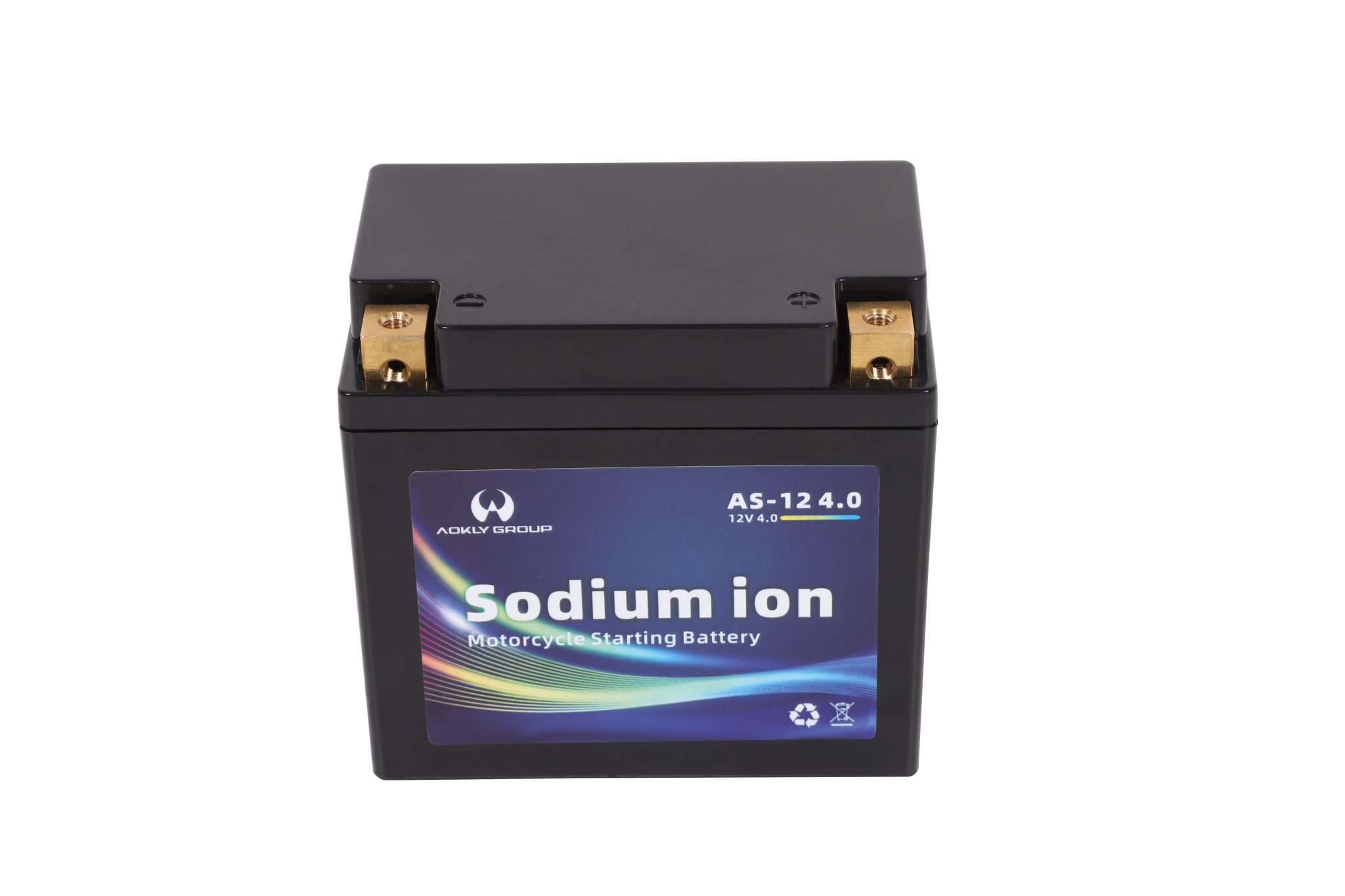
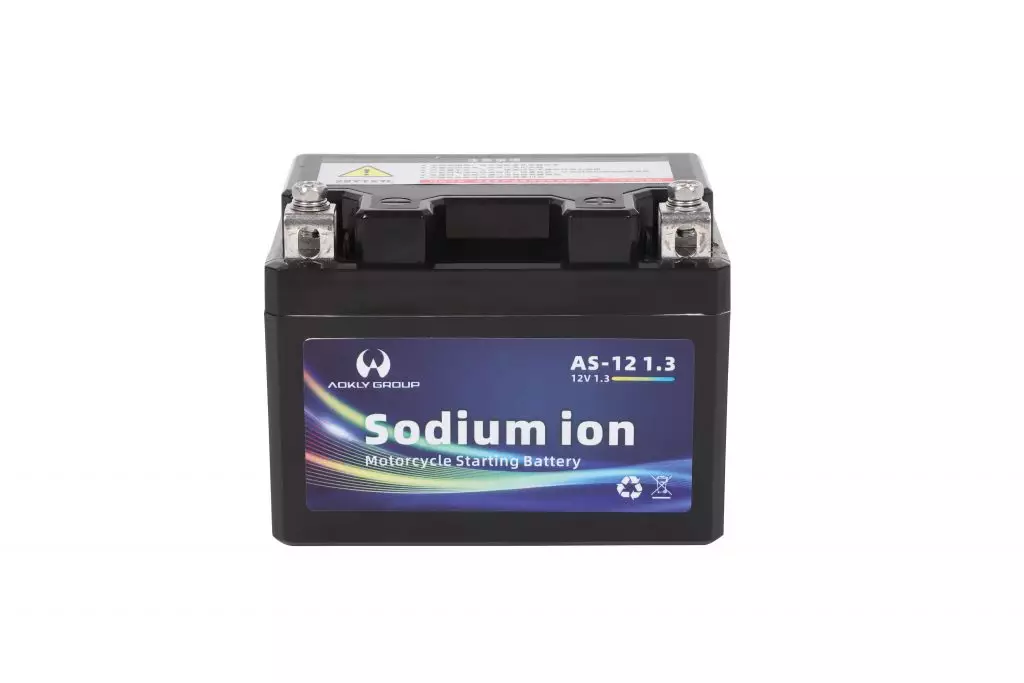
Picture this: you’re gearing up for a weekend ride, the air crisp as the scent of freedom beckons. Suddenly, the impossible happens — the motorcycle refuses to start. You glance down, and it hits you: it’s a tired motorcycle battery. Did you know that around 30% of motorcycle breakdowns are due to battery failures? It’s a sobering statistic that reminds every rider how critical a reliable motorcycle starting battery is. This crucial element not only powers your bike but also holds the key to your adventure. Are you proactively caring for this essential vehicle component?

motorcycle battery

Why Battery Choices Matter

Choosing the right motorcycle battery can feel overwhelming, and I remember the days of trial and error very vividly. I once decided to save a few bucks on a lesser-known brand. That decision left me stranded in the middle of nowhere on a chilly evening. Investing in a quality battery, particularly one designed to withstand extreme conditions, may seem pricey upfront but can save you a heap of trouble down the road — and let’s be real, no one enjoys the dreaded jump-start. A premium motorcycle starting battery offers superior cold cranking amps (CCA) and a longer life, which brings peace of mind on every ride.

motorcycle battery

What to Look For in a Battery

When evaluating a battery, focus on several key metrics: CCA ratings, lifespan, and maintenance needs. It’s crucial to ensure that the battery can handle your bike’s power demands, especially if you have additional accessories like heated grips or GPS. Think of CCA as the cold-weather muscle of your battery — the higher the number, the better it performs in low temperatures. Trust me, those summer rides will feel less enticing when your battery can’t handle a frosty morning.

The Road Ahead: Enhancing Battery Lifespan

Now, shifting gears a bit — let’s fast forward to what’s next for your motorcycle battery. I’m frequently asked how to extend your battery’s life. My advice? Regularly check the terminals for corrosion and ensure that your battery is securely mounted. A loose battery can lead to vibration and premature wear. And here’s a personal tip: keep it charged. I learned the hard way that letting it sit unused for weeks results in a dead battery. Many modern chargers have maintenance modes that keep your battery topped up — a nifty feature that’s really worth the investment!

Real-World Impact

In my extensive experience, I’ve noticed that riders who take these steps report fewer emergency situations and greater peace of mind while traveling. Choosing a suitable motorcycle starting battery and caring for it can drastically reduce the likelihood of annoying breakdowns. It helps you create long-lasting memories instead of head-scratching moments on the roadside.

Concluding Thoughts on Motorcycle Batteries

In summary, the right motorcycle battery is more than just a part of your motorcycle — it’s an integral component of your riding experience. The lessons I learned about investing in quality batteries and maintenance practices have saved me countless headaches. Always keep an eye on your battery’s performance and make educated choices when replacing it. Remember, a good battery is your bike’s best friend, and a friend is always worth investing in. Happy riding! Don’t forget to check out Aokly for reliable battery options!

Recent Posts

  • Comparative Paths: Choosing the Right Storage Stack for Commercial Solar Systems
  • Sliding Window with Screen vs. Wide-Opening Sliding Solutions | Premium Solutions by Zekin Window | Professional Architectural Hardware
  • How Additive Manufacturing and Rapid Tooling Accelerate Global Demand for Dual-Extruder 3D Printers
  • When Pulse Time Paints Steel: Mastering Color Marking on Stainless with High-Power Fiber Lasers
  • Strategic Data Budgeting: Maximizing Corporate Output with High-Demand EU eSIMs

Recent Comments

No comments to show.

About Me

About Me

Designer

Sed ut perspiciatis unde omnis iste natus sit voluptatem accusantium dolor emque.

Keep in touch

Facebook Twitter Instagram Pinterest Behance Youtube

Popular Posts

  • 1

    Керамический SMD пакет: преимущества и современные технологии

  • 2

    Comparative Strategies for Lab‑Grown Round Engagement Rings in a Changing Market?

  • 3

    Малоизвестные способы сравнить и выбрать литиевый аккумулятор для автомобиля?

  • 4

    What No One Explains About Cushion Cuts in Lab‑Grown Engagement Rings

  • 5

    新時代駕駛方案:發現AION AUTO的秘密

  • 6

    Секрет выносливости аккумуляторов OPzV? Сравнительный взгляд на выбор производителя и подводные камни

Categories

  • App Design (6)
  • Business (115)
  • Global Trade (109)
  • Industry (114)
  • Market (102)
  • Tech (119)
  • UI/UX (7)
  • Web Design (7)
  • Facebook
  • Twitter
  • Instagram
  • Pinterest
  • Behance
  • Youtube
  • Bloglovin
thehitc
  • Home
  • Design Update
  • Business
  • Global Trade
  • Industry
  • Market
  • Tech