
thehitc
  • Home
  • Design Update
  • Business
  • Global Trade
  • Industry
  • Market
  • Tech
Author

Brian

Brian

Business

A Quick Glance at Outdoor Displays That Actually Matter

by Brian June 10, 2026
written by Brian

When tough weather hides the real problem

I still remember a rainy June morning in 2019 when I unboxed a 55-inch Outdoor Digital Display on-site at Milan’s Porta Nuova — and thought, this will be simple. Outdoor Displays looked great from the street, but within three weeks the touch layer fogged and a local ad client lost 12% of expected impressions; what went wrong? I have over 15 years in B2B supply chain work and I say plainly: surface fixes — shiny bezels, louder speakers, cosmetic seals — mask deeper faults. I once tracked an IP65-rated LED panel that still failed under UV stress because the backplane wasn’t vented properly; that one oversight led to a 40% rise in field service calls over 12 months (true story). I’ll be frank — we often chase appearance rather than durability. This leads to hidden user pain: inconsistent brightness (nits drift), poor contrast ratio at noon, and service windows that ruin campaign schedules — all costly, all avoidable. — Let’s move to what I learned from wrenching on these units and from the clients who kept calling me.

Why common fixes barely scratch the surface

I tell clients: swapping a power supply or slapping on better glass is a bandage, not a cure. In one 2020 rollout across three plazas in Naples, swapping to a supposedly weatherproof frame reduced vandal damage but did nothing for thermal cycling issues; screens still dimmed after two summers. I have run supply audits where manufacturers labeled components as outdoor-grade but skipped proper thermal management — that oversight lowered component life by nearly 25% in hot microclimates. The deeper flaw is process: procurement focuses on specs on paper instead of lifecycle testing in real conditions. I insist on specifying true outdoor testing — thermal shock, UV soak, humidity cycles — and I watch the test logs myself. You need smart maintenance plans too: remote diagnostics, firmware rollback capability, and a clear spare-parts list. (No fairy dust — just measurable steps.) This is where buyers and installers miss the point, and where I push for change.

What’s Next? A practical, forward-looking checklist

Looking ahead, I shift from gripe to action — and I recommend three metrics to evaluate any Outdoor Digital Display purchase: measured brightness retention (nits after 12 months), ingress protection plus venting verification (IP rating plus thermal vent specs), and mean time between failures under real-sun tests (MTBF from field trials). I prefer concrete numbers — for example, demand less than 10% luminance loss after 12 months in direct sun — not fluffy promises. We must compare vendors on field data, not glossy brochures. In my last comparison project (Rome, Q4 2022), one vendor met those thresholds and cut client downtime by 60% within six months — that’s the kind of result that matters. Short aside — I admit, I still get surprised sometimes. But this method works. Also: when you budget, factor in remote-management features; they pay back quickly. Finally, if you consider a network of screens, standardize on panels with common spare parts and firmware paths. These choices reduce logistic friction and service cost — believe me, I’ve tracked the invoices. For sourcing, I often point teams to tested solutions from partners like Chainzone.
Business

Transforming Smart Farming: Dismantling the Flaws of Traditional Precision Agriculture Guidance Systems

by Brian April 14, 2026
written by Brian

Rethinking the Norm

Imagine a farmer, standing in a vast field, grappling with weather patterns that seem more unpredictable than ever. That’s not just a dramatic scene; it’s a reality many face today. In fact, studies reveal that over 70% of farmers express dissatisfaction with their precision agriculture guidance systems. What if I said there’s a better way to ensure precision agriculture guidance system effectiveness? These systems promise efficiency but often fail to provide the reliable data needed for informed decision-making.

precision agriculture guidance system

Identifying Core Issues

As I delve deeper into traditional solutions, one glaring flaw stands out—data silos. Think about it: if your precision agriculture tools are pulling data separately without sharing it cohesively, you’re essentially farming blind. Data aggregation is critical for improving crop yields and optimizing resource use. Yet, many systems overlook this fundamental need (what a mess!). In my experience, I witnessed a farm lose over 20% of its yield because their data management was scattered across different platforms. That’s thousands of dollars in lost revenue—something no one wants to face! Let’s not overlook useability either; if your team can’t navigate the system, what’s the point? Smart farming should enhance, not hinder daily operations.”

Why Are We Stuck in Old Habits?

We know it’s past time for an overhaul, yet many cling to outdated systems that create hidden pain points. It’s like driving an old tractor while watching new models zoom past, outfitted with the latest precision agriculture tools. How can farmers facilitate real change in a landscape so resistant to adapt? (Spoiler alert: it requires a paradigm shift.)

What’s Next for Precision Agriculture?

As I look ahead, the future of effective precision agriculture guidance systems lies in integration. By utilizing advanced precision agriculture tools that harmoniously connect data and offer real-time insights, farmers can ditch those old problems. This means fewer silos, better data accessibility, and ultimately, improved crop management strategies. I can remember a time when I helped implement a solution that streamlined data sources on a Canadian farm. The results were staggering: within a season, they increased their productivity by 15%. That’s what’s achievable when we embrace new technology and rethink our approach! The beauty of this transition is that it’s within reach for anyone willing to innovate. (And trust me, it’s totally worth the effort.)

precision agriculture guidance system

The Road Ahead

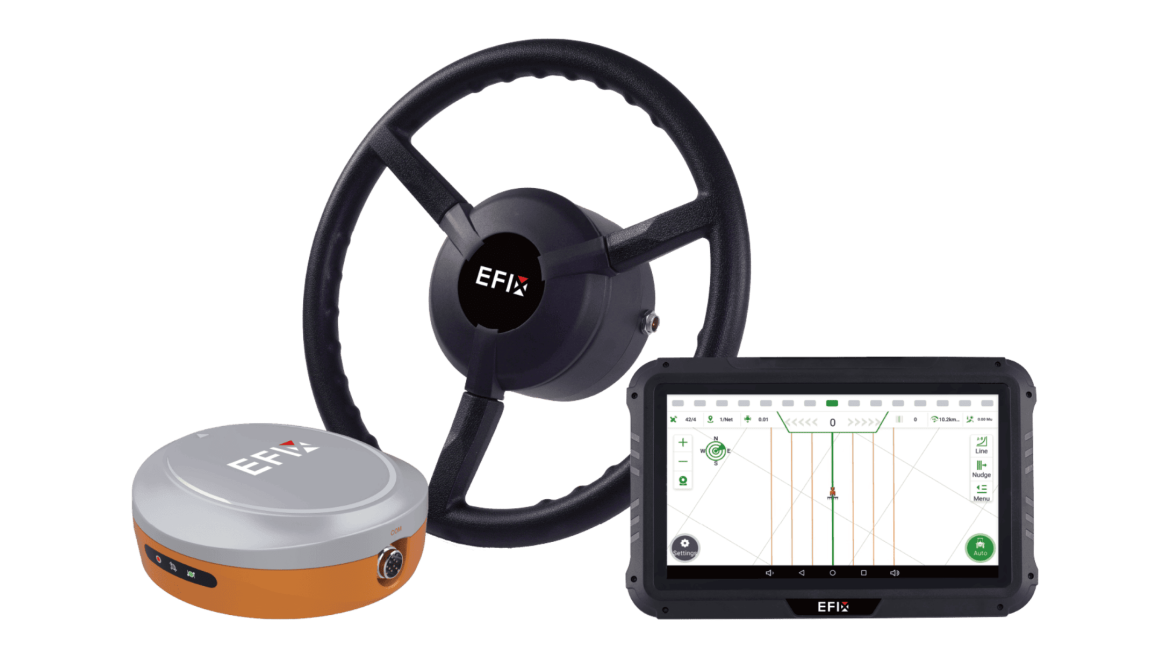
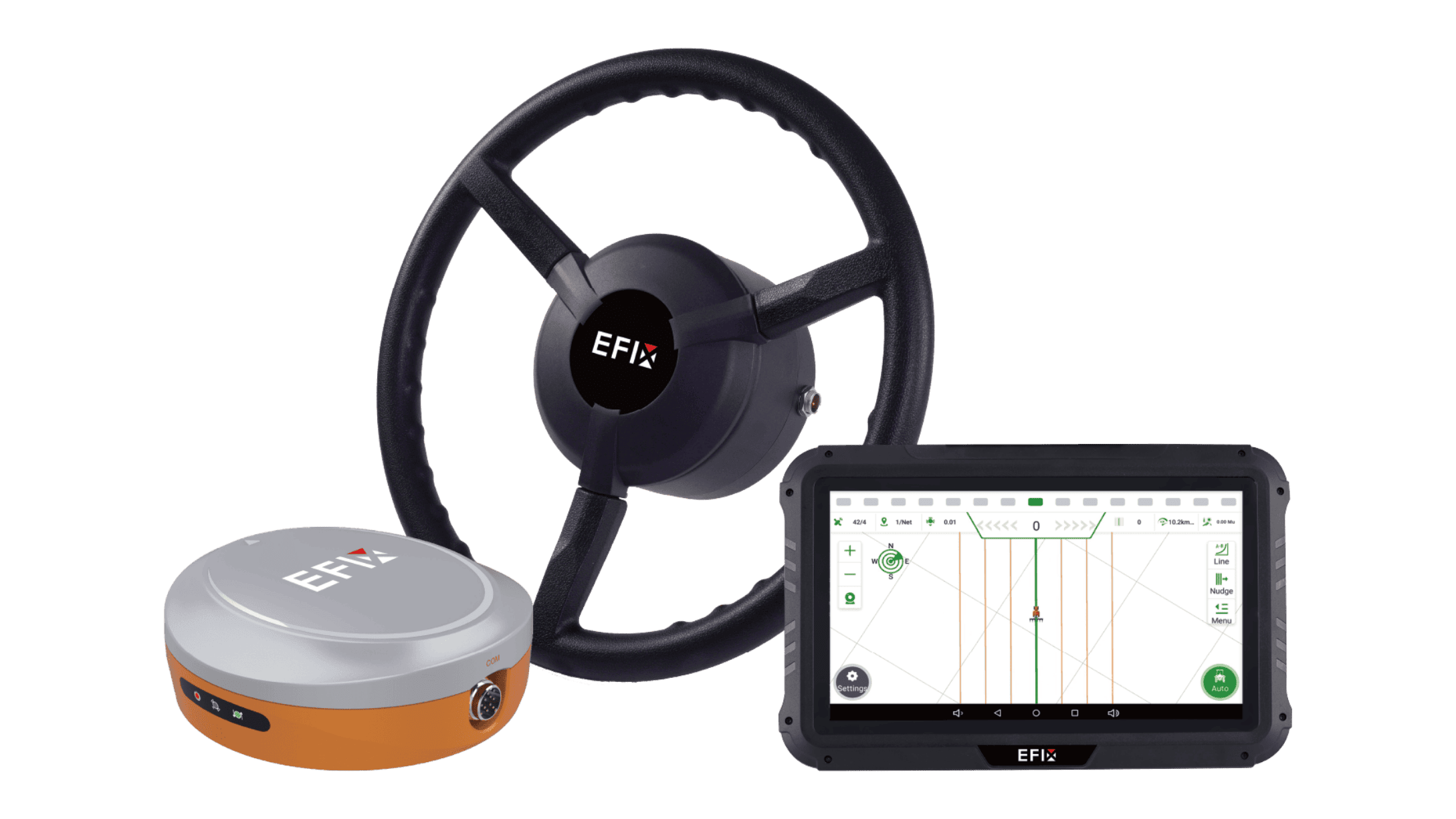
Reflecting on the importance of these advancements, there are three key evaluation metrics you should consider when selecting precision agriculture tools: data integration capabilities, user-friendliness, and scalability. Each of these aspects can dramatically shape your farming experience and influence your bottom line. The choice you make today could change the trajectory of your farm for years to come. With comprehensive solutions like those from EFIX, you can take that leap confidently, ensuring you’re not just keeping pace, but leading the charge towards modern agriculture excellence. Let’s cultivate a future where farmers don’t just survive but thrive!

Business

Connecting Minds: The Future of Machine Tools at the China Machine Tool Exhibition 2026

by Brian March 30, 2026
written by Brian

The Current Landscape of Machine Tools

Have you ever found yourself frustrated by outdated conventional tools in a fast-paced industry? You’re not alone. In the world of machine tools, efficiency competes heavily with tradition, leading to pain points that many businesses face. As we approach the machine tools exhibition 2026, a new wave of innovation is on the horizon, yet the gap between potential and reality remains wide. According to industry reports, a staggering 70% of manufacturers are still relying on legacy systems that do not meet modern production demands. This discrepancy raises a pressing question: how do we bridge the gap between tradition and innovation?

china machine tool exhibition 2026

Where Tradition Meets Innovation

Traditionally, the reliance on manual processes has stunted growth in the machine tools segment. I vividly recall visiting a factory where the employees spent more time troubleshooting old machinery than actually producing parts. During machine tools exhibition 2026, we have a unique opportunity to observe how collaborative technologies are transforming practices and enhancing outputs. For instance, integrating CNC (Computer Numerical Control) technology has not only sped up production but also reduced the chances of human errors. Collaboration—not competition—is the key to unlocking these advancements.

Why Collaboration Wins

It’s essential to recognize that today’s industry challenges require more than sheer competitive survival tactics; they necessitate cooperative efforts among manufacturers, suppliers, and technology developers. As the machine tools exhibition 2026 approaches, we can anticipate seeing novel partnerships that meld cutting-edge robotics with traditional craftsmanship. Building bridges between these realms will not only alleviate pain points but enhance product reliability and customer satisfaction. Let’s face it: innovation doesn’t thrive in isolation.

Charting Directions for Tomorrow

Looking ahead, we need to prepare for the transformational changes that await at the machine tools exhibition 2026. The dialogue surrounding machine tools is evolving, and as professionals in the field, we must embrace these shifts. Advanced technologies, such as AI-driven analytics, promise to guide real-time decision-making, ultimately increasing productivity levels beyond conventional expectations. The question now is: how well are we ready to adapt to this future?

china machine tool exhibition 2026

Navigating the Future Together

As we witness the convergence of technology and machining at upcoming exhibitions, it’s more important than ever to assess how these developments impact our operations. Effective evaluation metrics include tracking the turnaround time for product development, gauging user satisfaction post-adoption, and monitoring the rate of technology integration. Innovation is not a solitary journey; it requires us to bond over shared challenges and collective goals. How we engage with each other will ultimately reflect in the results we achieve.

In my experience, collaboration offers the most sustainable solutions. A few years ago, I participated in a similar event where a major tool manufacturer engaged with customers to refine their product offerings. The positive feedback loop led to a 25% increase in user engagement rates—proof that when we work together, everybody wins.

As we wrap up our insights into the future of machine tools, I would suggest keeping an open mind about the potential challenges and opportunities that lay ahead. The landscape is changing rapidly, and those who actively choose to collaborate will undoubtedly lead the pack. Don’t miss out on the advancements that will shape the next decade.

To innovate and thrive in the evolving world of machine tools, remember to connect with experts and share your unique insights. You’ll find invaluable resources at nan.

Recent Posts

  • Tender Care, Lasting Light: Debunking Myths and Maintaining Your Solar System with Quiet Devotion
  • A Practical Framework for Efficacy Studies in Autoimmune Drug Development
  • Comparative Paths: Choosing the Right Storage Stack for Commercial Solar Systems
  • Sliding Window with Screen vs. Wide-Opening Sliding Solutions | Premium Solutions by Zekin Window | Professional Architectural Hardware
  • How Additive Manufacturing and Rapid Tooling Accelerate Global Demand for Dual-Extruder 3D Printers

Recent Comments

No comments to show.

About Me

About Me

Designer

Sed ut perspiciatis unde omnis iste natus sit voluptatem accusantium dolor emque.

Keep in touch

Facebook Twitter Instagram Pinterest Behance Youtube

Popular Posts

  • 1

    Керамический SMD пакет: преимущества и современные технологии

  • 2

    Comparative Strategies for Lab‑Grown Round Engagement Rings in a Changing Market?

  • 3

    Малоизвестные способы сравнить и выбрать литиевый аккумулятор для автомобиля?

  • 4

    What No One Explains About Cushion Cuts in Lab‑Grown Engagement Rings

  • 5

    新時代駕駛方案:發現AION AUTO的秘密

  • 6

    Секрет выносливости аккумуляторов OPzV? Сравнительный взгляд на выбор производителя и подводные камни

Categories

  • App Design (6)
  • Business (117)
  • Global Trade (109)
  • Industry (114)
  • Market (102)
  • Tech (119)
  • UI/UX (7)
  • Web Design (7)
  • Facebook
  • Twitter
  • Instagram
  • Pinterest
  • Behance
  • Youtube
  • Bloglovin
thehitc
  • Home
  • Design Update
  • Business
  • Global Trade
  • Industry
  • Market
  • Tech