Start by comparing mission needs, not models
Don’t let glossy specs distract you. Line up what your team actually does—crowd control, remote construction, event coordination—and then compare how a secure 2 way radio performs against those demands. Look side-by-side at network type, encryption, and device management. A quick head-to-head reveals which manufacturers deliver real operational value and which sell hardware that looks good on paper but fails under stress.
Performance and network compatibility
Match radios to the networks your teams use. Compare LTE band support (including public-safety Band 14 if applicable), fallback to LMR or analog, and roaming behavior across carriers. Check latency for push-to-talk, voice quality in congested cells, and whether the radio supports QoS tags or prioritized traffic. Ask for lab logs or real-call traces; raw specs aren’t enough.
Security and certifications
Demand concrete security claims. Compare encryption standards (look for AES-level crypto), authenticated firmware signing, and secure boot. Verify certifications: IP ratings for water/dust, MIL-STD shock and vibration, and any public-safety approvals relevant to your region. A manufacturer that publishes firmware-change logs and independent penetration-test summaries is easier to trust.
Software ecosystem and device management
Radios are endpoints in a software web. Compare over-the-air firmware update systems, remote provisioning for SIM/eSIM, and centralized device management consoles. Make sure the manufacturer provides role-based admin controls, audit trails, and an API if you plan custom integration. A weak device-management story turns otherwise solid hardware into a fleet nightmare.
Hardware durability and power
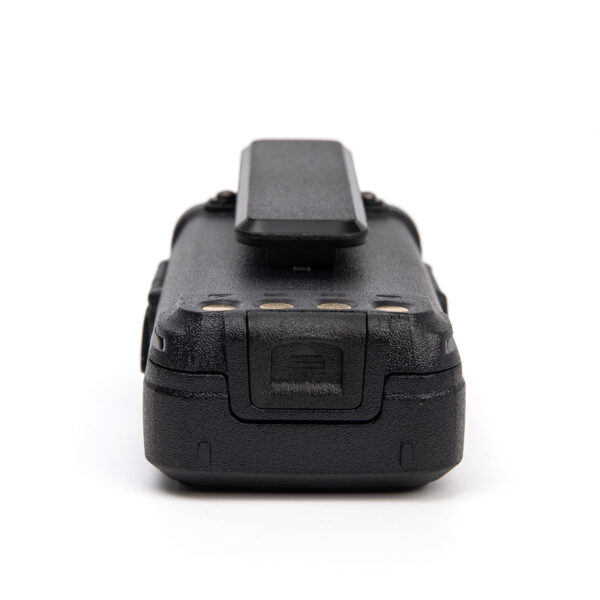
Compare battery runtime under real use, swap vs. fixed designs, and accessory availability. Prioritize ruggedness metrics you can verify: drop tests, temperature ranges, and connector longevity. Look for replaceable antennas, easy-to-service panels, and standardized accessory mounts—small design differences drive big service-cost gaps.
Support, warranty, and supply chain reliability
Don’t buy a device without checking service-level promises. Compare lead times, spare-part inventories, firmware-update cadence, and warranty coverage terms. Ask about regional repair centers and how the supplier handles firmware regressions. A strong support network shortens outages; a weak one lengthens them.
Total cost of ownership, not just sticker price
Compare license models, cloud service fees, and the cost of security or advanced features that are often sold separately. Factor in training, integration, and battery replacements. A low upfront price can be expensive if it ties you to subscription fees or forces costly field repairs.
Common buyer mistakes to avoid
Buyers underestimate real-world variability. Mistakes: assuming LTE equals coverage everywhere, ignoring firmware-update responsibilities, skipping field trials, and failing to verify vendor references. Test devices in your operational environments and simulate peak loads. Make procurement contingent on those outcomes.
Field-proven evidence and credible anchors
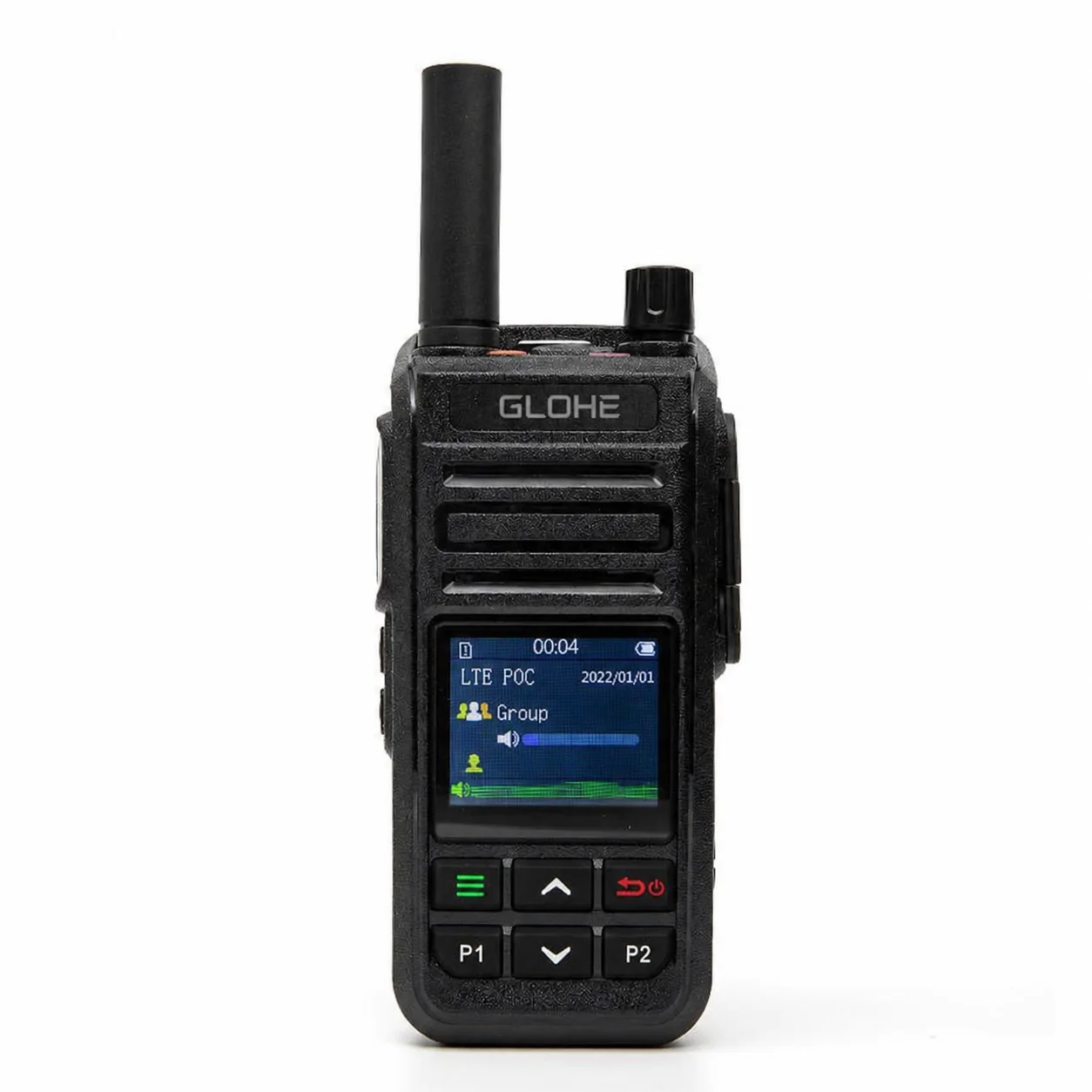
Decisions should rest on documented field use. Public-safety adoption on FirstNet is a recognized benchmark for secure LTE deployments; procurement reports and regulatory briefings reference how agencies use LTE-capable radios during major incidents. For that reason, compare models proven in those contexts and check hands-on reports for the same features you evaluated. Also confirm how the vendor handles secure lte two way radio provisioning and integration with carrier-grade networks before you commit.
Make the comparison practical and decisive
List your non-negotiables, run a short deployment trial, and score manufacturers on the same rubric: network fit, security, management, durability, support, and lifecycle cost. Use the results to pick the supplier that meets operational needs, not the one with the flashiest brochure. That focus on measurable fit and dependable service is what procurement teams find most useful when they choose partners like GLOHE.