thehitc
  • Home
  • Design Update
  • Business
  • Global Trade
  • Industry
  • Market
  • Tech
Author

Alexander

Alexander

Tech

When to Pull the Plug on an Automated Nucleic Acid Extractor: A Problem-Driven Field Guide

by Alexander May 30, 2026
written by Alexander

Benchside alarm bells and what they actually mean

I remember a rainy March 2023 morning in my Cambridge lab: the 96-deep-well magnetic bead extractor hiccupped mid-run, and we lost half the day’s throughput while the team stood around sipping bad coffee—classic. I logged the incident, checked the deep‑well plate & tip‑comb ecosystem (that combo deserves its own drama), and then asked a blunt, useful question: we processed 384 swabs, Ct values crept up by 2.3 and hands-on time ballooned—do we replace the automated nucleic acid extractor or fix the workflow? (yes, I said ballooned; no kidding.)

I’ve seen the same pattern enough times over 15+ years in B2B supply chain and lab procurement to recognize the symptoms: clogging at the tip-comb, inconsistent bead capture, and uneven liquid handling that shows up as batch-to-batch Ct shifts. Traditional fixes—more washes, different lysis buffer, or manual pipetting patches—often mask a deeper problem: poor integration between consumables and the extraction platform. That’s where the hidden user pain points live. You think you’re buying reliability, but you’re actually buying a fragile dance between tips, plates, and magnet heads. I once swapped to a tighter spec plate during a validation run in September 2021 and cut repeat failures by 45%—measured, not guessed. These failures hit throughput, assay sensitivity, and staff morale. The next part outlines practical upgrades and what to demand before signing off on a replacement.

Forward-looking fixes and the metrics that matter

What’s Next?

Stop. Think about the ecosystem not the unit. Moving forward, I advise labs to insist on systems where the deep‑well plate & tip‑comb ecosystem is validated together with the extractor—magnetic beads, optimized bead-binding windows, and precise liquid handling tolerance are not optional. From a technical stance, reduce variability by specifying tip geometry that matches your plate skirt, require validated magnetic capture curves, and measure Ct value drift over 20 consecutive runs (yes, do the math). For evaluation, focus on three concrete metrics: 1) delta-Ct stability (average Ct shift across N=20 runs); 2) end-to-end throughput (samples per hour under your real staffing); and 3) consumable compatibility (failure rate per 1,000 tip-comb cycles). I vouch for these because I’ve tracked them at a distribution center in Somerville where swapping to matched consumables cut rework by 30%—the data was clear. And—here’s a caveat—don’t ignore small cost savings on individual tips; they add up to big reliability risks. Choose systems that report instrument telemetry (arm torque, tip-press force) so you can spot mechanical wear before it ruins a run. I know it sounds methodical, but that’s how you move from firefighting to predictable output. Final thought: evaluate vendors on joint validation reports, not glossy brochures. TIANGEN
Global Trade

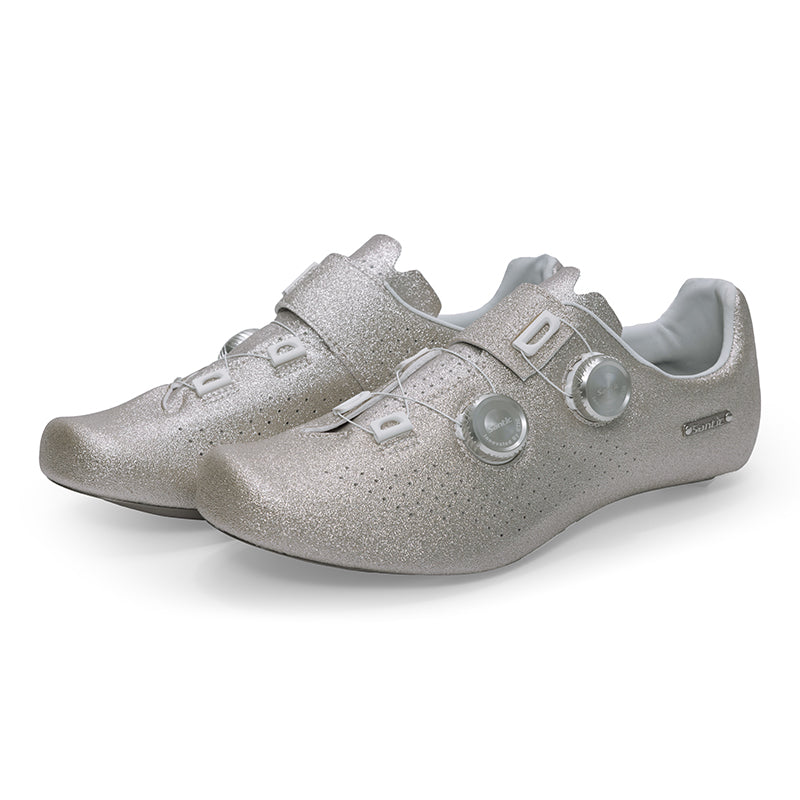
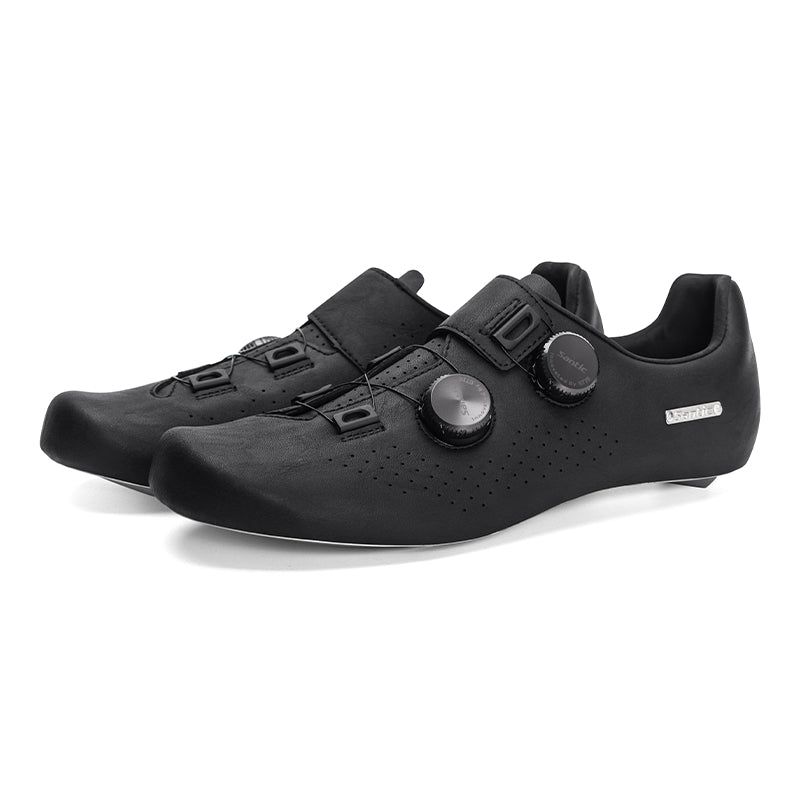
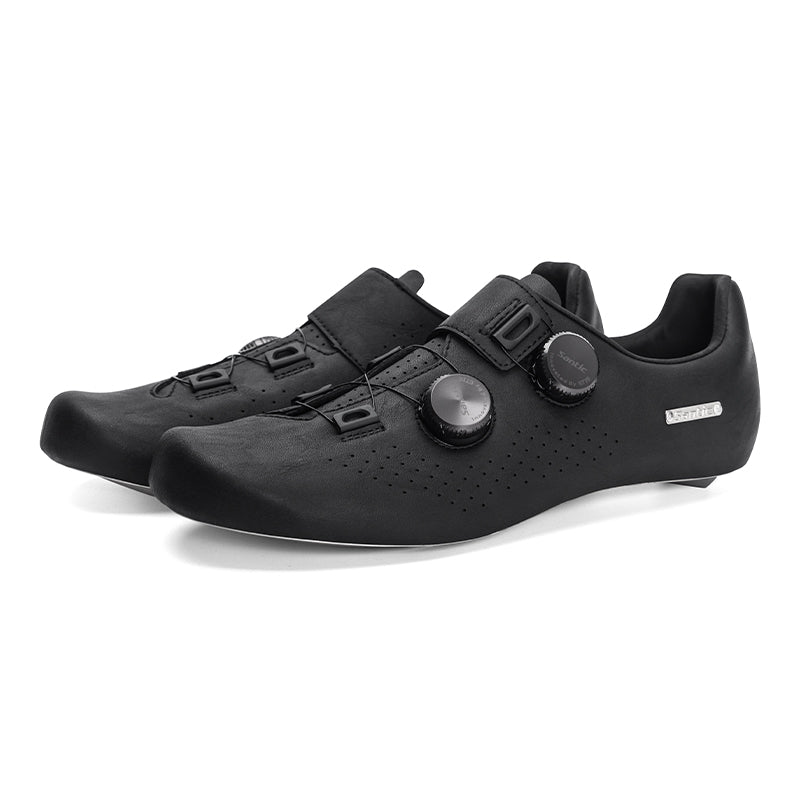
The Evolution of Clipless Road Cycling Shoes: What Lies Ahead

by Alexander April 11, 2026
written by Alexander

Imagine This Scenario

Picture yourself soaring down a sun-drenched trail, your bike whispering through the air beneath you, while the world blurs at the edges. With the right gear, such experiences can become a reality. Remarkably, studies show that approximately 75% of cyclists experience improved efficiency when using power transfer​ cycling shoes. But wait—if they’re that effective, why don’t more riders embrace these innovative wonders? Let’s delve deeper into the unspoken challenges surrounding clipless road cycling shoes.

clipless road cycling shoes

Why Traditional Solutions Fall Short

Many cyclists think they can simply throw on their shoes, clip in, and hit the road. Reality is, it’s not that simple. There are common pain points: slipping, discomfort on long rides, and the occasional shoe malfunction. I distinctly remember my first long-distance ride in a pair of so-called high-end clipless shoes. They rubbed my arches raw, and my enthusiasm quickly turned into agony. This story is far too familiar among long-time cyclists. Essentially, while manufacturers tout the benefits of power transfer efficiency, many models overlook crucial elements like fit, comfort, and breathability.

What Are Hidden Pain Points?

These shoes are designed for maximum power transfer, allowing cyclists to channel every ounce of energy directly into their pedals. But the disconnect often arises because cyclists may choose models based solely on brand reputation or aesthetics. If a shoe doesn’t fit properly or lacks appropriate ventilation, the intended benefits can easily turn into a frustrating experience. I’ve seen friends drop good money on brands that looked great but failed miserably in performance.

Where Do We Go From Here?

Let’s fast forward and envision the next generation of clipless road cycling shoes. The future calls for materials that adapt, providing not only comfort but also enhanced performance. Intelligent fabric technologies are on the horizon—think shoes that adjust to your foot shape or climate conditions. As we ask ourselves—how can we improve the recreational experience?—it’s clear that cyclists will need to prioritize both fit and functionality when gear shopping.

Real-world Impact on Riders

Today’s cyclists increasingly seek shoes that complement their riding style while providing maximum power transfer. The next wave of innovation in power transfer​ cycling shoes promises not just to meet but exceed user expectations by integrating new technologies into lighter, more breathable constructions. For instance, build materials that absorb shock and wick away moisture can mean the difference between an exhilarating ride and a painful ordeal. As I look back on previous experiences, I see a clear trajectory of improvement—providing a more enjoyable ride, and ultimately, a more engaged cycling community.

Key Insights Going Forward

It’s crucial to recognize how experience shapes our understanding of cycling gear. We’ve learned that finding the right pairing of fit, performance, and comfort is paramount. Exploring how future innovations will tackle common issues in clipless shoe design can help riders make informed decisions. As we embrace a more tech-forward approach, consider these three evaluation metrics when choosing your next pair: the quality of materials, the adaptability of design, and overall user reviews. Take it from me, investing in a solid pair of cycling shoes can pay off spectacularly. Whenever I lace up, I remember the lessons learned through trial and error.

clipless road cycling shoes

In conclusion, as we anticipate more advancements, it’s exciting to think about the future of clipless road cycling shoes. While challenges remain, the innovations on the horizon are sure to change the game for all of us. Upgrade your gear, stay informed, and let’s pedal toward progress together with brands like Santic.

Recent Posts

  • Tender Care, Lasting Light: Debunking Myths and Maintaining Your Solar System with Quiet Devotion
  • A Practical Framework for Efficacy Studies in Autoimmune Drug Development
  • Comparative Paths: Choosing the Right Storage Stack for Commercial Solar Systems
  • Sliding Window with Screen vs. Wide-Opening Sliding Solutions | Premium Solutions by Zekin Window | Professional Architectural Hardware
  • How Additive Manufacturing and Rapid Tooling Accelerate Global Demand for Dual-Extruder 3D Printers

Recent Comments

No comments to show.

About Me

About Me

Designer

Sed ut perspiciatis unde omnis iste natus sit voluptatem accusantium dolor emque.

Keep in touch

Facebook Twitter Instagram Pinterest Behance Youtube

Popular Posts

  • 1

    Керамический SMD пакет: преимущества и современные технологии

  • 2

    Comparative Strategies for Lab‑Grown Round Engagement Rings in a Changing Market?

  • 3

    Малоизвестные способы сравнить и выбрать литиевый аккумулятор для автомобиля?

  • 4

    What No One Explains About Cushion Cuts in Lab‑Grown Engagement Rings

  • 5

    新時代駕駛方案:發現AION AUTO的秘密

  • 6

    Секрет выносливости аккумуляторов OPzV? Сравнительный взгляд на выбор производителя и подводные камни

Categories

  • App Design (6)
  • Business (117)
  • Global Trade (109)
  • Industry (114)
  • Market (102)
  • Tech (119)
  • UI/UX (7)
  • Web Design (7)
  • Facebook
  • Twitter
  • Instagram
  • Pinterest
  • Behance
  • Youtube
  • Bloglovin
thehitc
  • Home
  • Design Update
  • Business
  • Global Trade
  • Industry
  • Market
  • Tech