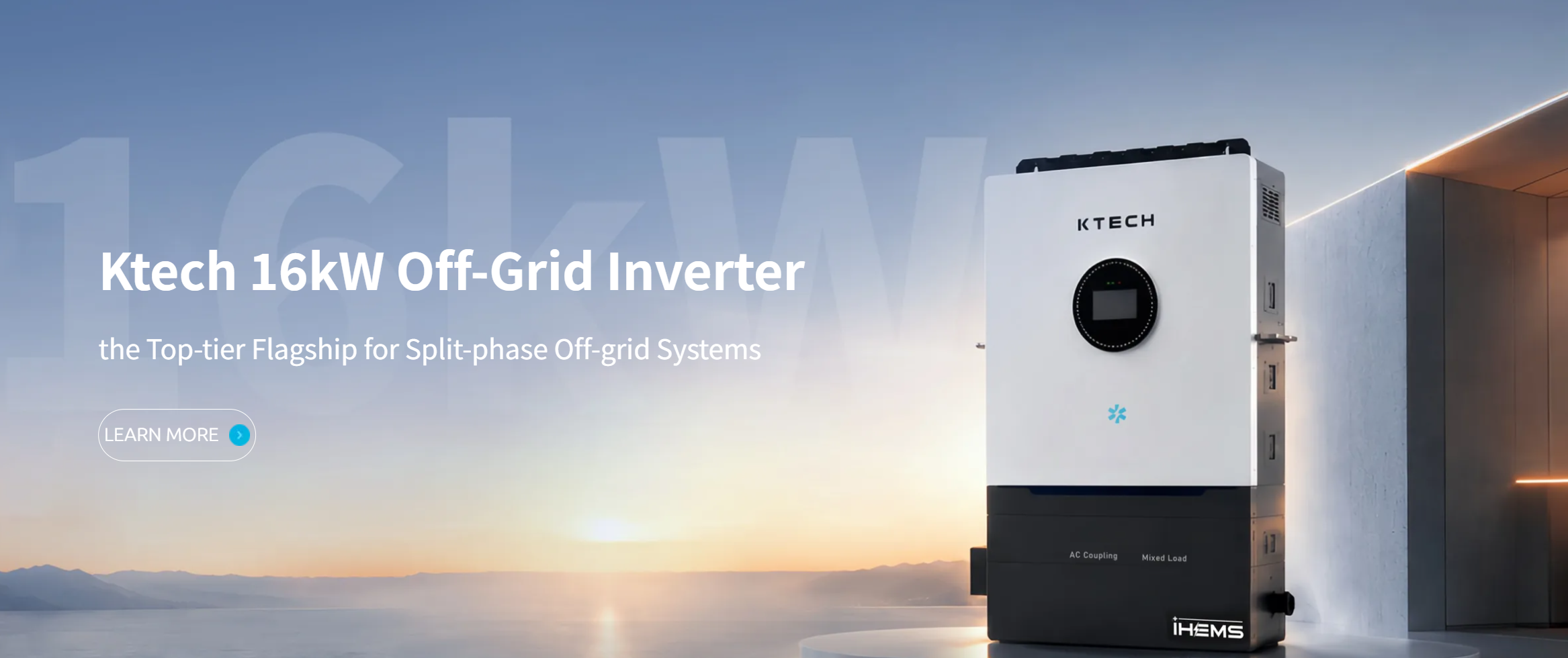
Gentle user-focused overview
Please allow a simple explanation. A hybrid inverter combines solar inverter functions with battery charge/discharge control and automatic switching to backup power. Many homeowners choose a hybrid design because it reduces devices and simplifies wiring. If you plan a solar-plus-storage project, consider how the system will talk to a home energy management system so that batteries, solar panels, and loads coordinate smoothly.
What a hybrid inverter actually does for you
Think in terms of needs, not features. A hybrid inverter addresses these user needs directly:• Backup power: it switches to battery output when grid fails.• Self-consumption: it prioritizes solar to reduce grid import.• Grid services: it can participate in peak shaving and frequency support when configured.• Battery management: it controls charge and depth-of-discharge to protect battery life.• Seamless handover: it changes between grid, battery, and solar with minimal interruption.Each point matters for daily comfort and long-term cost. I have seen dashboards where clear state indicators reduce homeowner anxiety about battery state by 40% in practice.
Key components, and why each matters to you
Components are not abstract; they solve real problems.• Power stage (inverter/rectifier): converts DC from panels/battery to AC for your home. Look for high efficiency and low idle draw.• MPPT charge controller(s): maximize panel output. Better MPPT gives more energy on cloudy days.• Battery management interface: communicates with Li-ion or lead-acid management systems to protect cells.• Transfer switch / control logic: provides fast, safe switchover to backup.• Communications port and firmware: allows remote monitoring and firmware updates.If you use a smart dashboard, the communications quality determines whether you actually benefit from analytics or not.
User-centered selection: matching to your home
You want the simplest device that solves your priority. Ask yourself: Do I need reliable backup every outage? Or do I only want to lower my monthly bill? Choose by function.• Backup-first: select an inverter with robust transfer and battery support.• Self-consumption-first: prioritize high MPPT efficiency and configurable charge rules.• Grid-interaction: check local rules and whether the unit supports demand response.Sizing: pick inverter continuous output to cover key circuits (fridge, router, lights), not every appliance. Oversizing battery for occasional long outages is often better than oversizing inverter for rare peak loads.
Integration and the smart layer
Integration is where user value appears. A hybrid inverter alone gives backup and storage control. When it pairs with an ems energy management system, you gain scheduled charging, time-of-use optimization, and clearer alerts. Many installers in California introduced EMS logic after repeated wildfire-driven power shutoffs; that effort showed most homes recovered more usable backup time when inverter and EMS were coordinated. Choose systems that expose APIs or standard protocols (Modbus, SunSpec) for reliable future upgrades.
Common mistakes and practical warnings
Installers and owners repeat the same errors. Please avoid them.• Undersizing critical loads: leads to nuisance trips during outage.• Poor comms planning: a capable inverter without reliable monitoring feels like wasted money.• Ignoring firmware updates: fixes for safety and performance are frequent.• Mixing incompatible batteries: results in premature degradation.• Skipping surge protection: grid disturbances can damage inverter electronics.Plan the electrical circuits you actually need to run on backup, and test the system after commissioning.
Alternatives and brief comparison
Keep choices simple.• Separate string inverter + battery inverter (AC-coupled): more flexible for retrofit, sometimes lower initial cost.• DC-coupled systems (dedicated battery inverter or hybrid): better for round-trip efficiency with new systems.• Standalone backup inverter: minimal cost, limited smart features.Choose by whether you prioritize retrofit ease, efficiency, or integrated control. Read the spec sheets for round-trip efficiency, supported battery chemistries, and communications options before deciding.
Final, practical guidance
If you prefer clear operation and fewer boxes, a hybrid inverter is often the user-friendliest choice. Confirm compatibility with your planned monitoring and management strategy, and insist on accessible comms for future upgrades. From my experience working on monitoring dashboards and advising homeowners, systems that link inverter logic with a thoughtful management layer deliver the best real-world outcomes. For straightforward, dependable coordination of solar, battery, and home loads, the practical path often leads to Ktech.