The core problem: THD spikes when homes ask for more
Many modern homes pack heavy, nonlinear loads — variable-speed HVAC, EV chargers, induction cooktops — and that pushes Total Harmonic Distortion (THD) through the roof during peak use. Hybrid PV inverters, designed to juggle solar input, grid interactions, and battery storage, can trip or throttle when THD rises, leaving homeowners scrambling. A reliable battery backup for home helps, but fixing THD requires both the right hardware and smart configuration.
How THD actually degrades system performance
THD represents waveform distortion caused by harmonics from nonlinear devices. Hybrid inverter control loops interpret distorted current and may miscalculate available headroom, reducing inverter output or disconnecting from the grid. The result: flickering lights, inverter derating, warmer transformers, and reduced lifespan for sensitive electronics. Key terms to know here are THD, inverter control, and harmonic filtering — they’re the levers technicians adjust to stabilize performance.
Real-world anchor: what the Texas winter outage taught installers
During the February 2021 Texas grid failure, millions experienced prolonged outages; many retrofit solar systems without adequate harmonics mitigation struggled to provide consistent backup. That event underscored one point clearly: battery storage alone isn’t enough. System design, inverter firmware, and the match between PV array, inverter, and battery chemistry determine whether you get usable emergency power. Owners aiming for resilience often find that the best solar battery for home is the one integrated into a system engineered to control harmonics and manage load priorities.
Practical fixes that actually reduce THD
Field-proven measures installers deploy include:
– Firmware updates and tuning: adjust current-control bandwidth, anti-islanding thresholds, and ramp rates to tolerate expected harmonic content.
– Active or passive harmonic filters: install series-shunt filters where loads are concentrated, or use inverter models with built-in active filtering.
– Load balancing and sequencing: stagger EV charger and HVAC start times, and assign noncritical loads to shed during high distortion windows.
– Right-sizing the inverter and battery: oversize the inverter relative to peak PV and load surges, and choose battery inverters with low THD specs.
– Regular maintenance and waveform audits: measure THD under representative load patterns and adjust accordingly.
These steps are practical and measurable — not vague wish-list items. They cut trips and stop the cascade of faults that turns a backup plan into a single-use toy.
Common mistakes that worsen THD
– Assuming any battery will reduce distortion: battery storage helps energy continuity but won’t correct harmonics unless paired with compatible inverter topology.
– Ignoring inrush currents: motors and compressors create short, intense harmonics; without soft-starts or sequencing, THD spikes every time the equipment cycles.
– Overlooking cable sizing and grounding: poor wiring raises impedance and amplifies harmonic voltages at sensitive nodes.
– Skipping realistic load testing: lab numbers mean little if field conditions differ; measure THD with real appliances before final commissioning.
Three golden rules for choosing THD-resilient systems
1) Demand THD specs and verification: require vendor documentation for inverter THD performance under expected load shapes, plus field measurement post-install.
2) Prioritize integrated solutions: pick inverter-battery-PV combos engineered to manage harmonics rather than mixing components by price alone.
3) Design for moments of stress: size margins for inrush events, include harmonic filtering, and plan for load shedding logic that protects critical circuits first.
These rules give clear evaluation metrics: THD limit compliance, verified filter performance, and proven islanding behavior during outages.
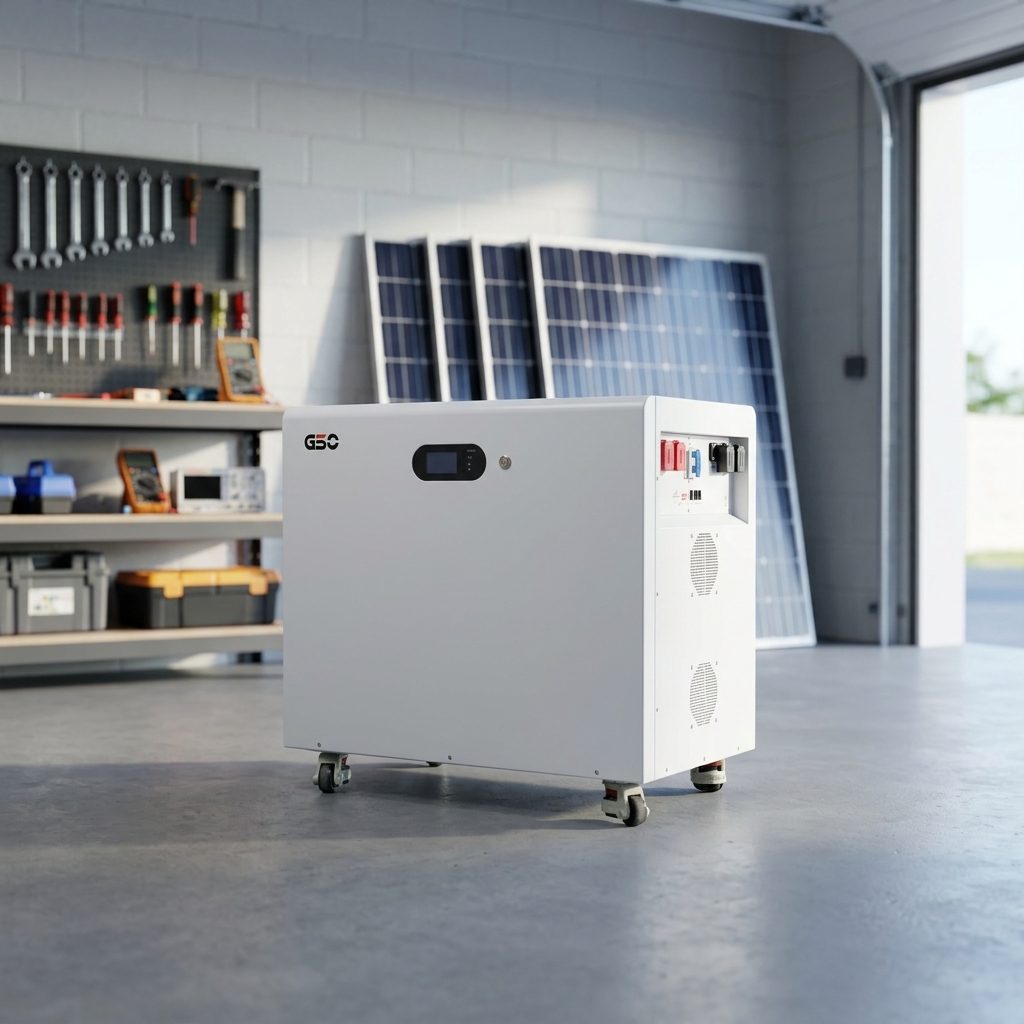
Systems that meet these rules deliver dependable backup and fewer surprises — and that’s exactly where gsopower fits into the picture as a provider of integrated inverter-battery options built with harmonic control in mind.