Welcome: The Moment Guests Decide With a Plug
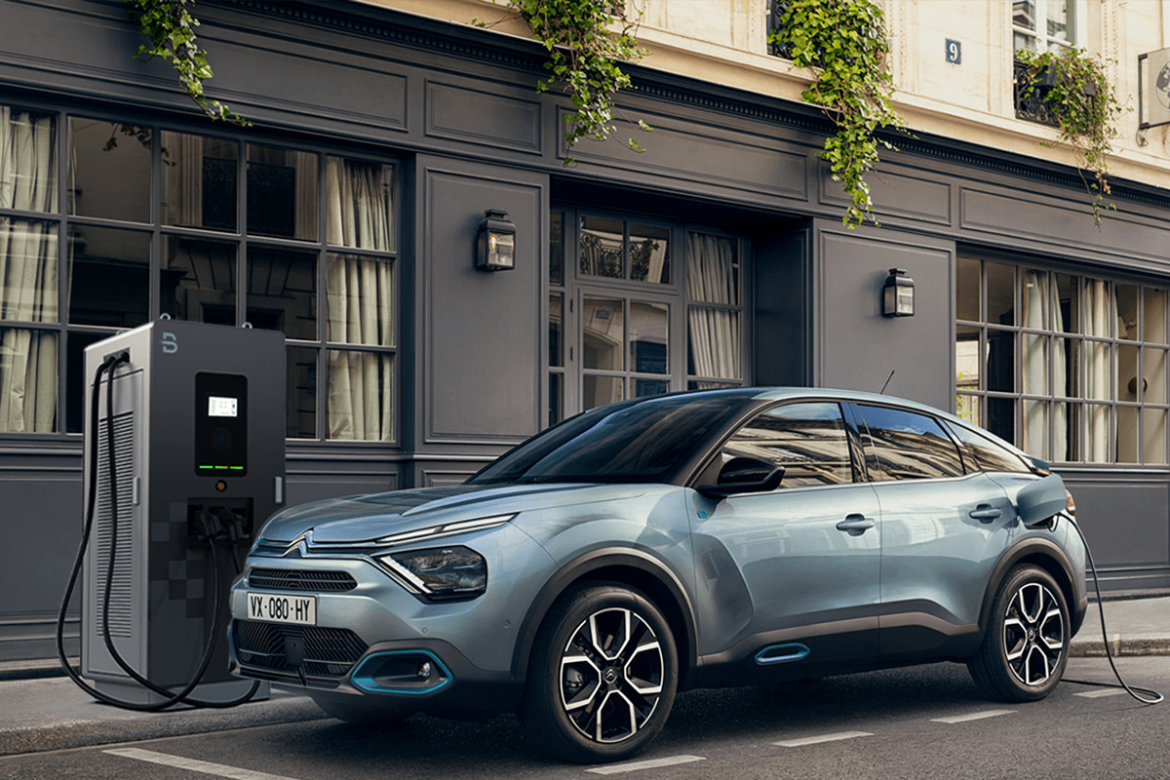
You pull into a quiet lot at 10 p.m., road-weary, family asleep, battery at 9%. The listing said there was a hotel EV charger, so you booked without thinking twice. Recent traveler surveys say a growing share of EV drivers choose stays based on charging—some reports put it near one in three—yet the gap between “charger on site” and “charger that works fast and fair” can be wide (and stressful). If EVs now make up a fast-rising slice of new cars on U.S. roads, how many hotels are ready for peak check-in demand and late-night top-ups without a hassle?

Here’s the plain truth, neighborly and straight: not all charging setups are equal, and the difference shows up the moment a guest plugs in. Some sites are simple and smooth; others are slow or confusing, which can turn a quiet evening into a back-and-forth with the front desk. So, what actually matters when you compare options, and how do you avoid buyer’s regret after installation? Let’s roll through what creates friction, what removes it, and how to build for the next wave of guests, not just the ones checking in tonight.
Under the Hood: Hidden Friction in Today’s Installations
What’s the real snag?
A robust EV charging hotel solution doesn’t start at the plug. It starts with grid capacity, smart controls, and the guest journey. Look, it’s simpler than you think: most complaints trace back to three things—unclear access, uneven power, and clunky payments. When sites skip open standards like OCPP, they end up with “walled” systems that don’t talk well to property software or other chargers. Add weak load balancing and the first car grabs too much current, leaving later arrivals stuck on a trickle. And if billing relies on a single app sign-up flow, a traveler with no signal or time is out of luck—funny how that tends to happen on a rainy night.
There’s more under the surface. Old power converters can waste energy and heat, which nudges costs up and reliability down. Without accurate kWh metering, charges look random to guests, which means more disputes at the desk. Staff feel it too. If RFID cards aren’t provisioned or if the dashboard is confusing, time gets lost in resets instead of service. The pattern is clear: when the platform lacks standard protocols, sane load management, and simple pay options, everyone pays—guests with patience, staff with minutes, and owners with reviews. Fixing these isn’t flashy, but it is durable.

Forward Look: Smarter Principles That Fit Hotel Life
What’s Next
We can compare past practices with where the field is heading. The shift is toward open, modular, and self-healing systems. New site designs push intelligence closer to the curb with edge computing nodes. Those local brains juggle demand response, apply real-time load balancing, and keep uptime high even if the cloud blinks. Pair that with ISO 15118 “Plug & Charge,” and the app shuffle fades—drivers plug in, the car authenticates, and the session starts. It feels calm and quick. This is where EV chargers for hospitality stand apart: a platform that speaks OCPP, meters kWh cleanly, and supports multiple pay paths, including tap-to-pay and fleet cards, is less likely to strand your guest at 11 p.m. (or your team at the lobby phone).
Hardware is evolving, too. Modular power stages let properties add ports as demand grows, instead of overbuilding day one. Smarter power converters run cooler and sip less energy, which helps operating costs. Remote diagnostics now predict faults, not just report them after the fact—so many “out of service” tags disappear before they’re printed—funny how that works, right? In practice, that means fewer towing calls, fewer awkward comps, and more five-minute explains instead of 50-minute headaches. Compared to older, closed setups, these principles give you scale without chaos and control without extra steps.
So, what should you keep in mind as you map your next phase? First, distill what we learned: the pain often starts with access and power flow, not the plug itself; open protocols protect your options; and simple, resilient payment beats fancy features that fail under pressure. Now, an advisory closer for picking a path: 1) Uptime and service level—target a 99%+ SLA with proactive alerts and on-site swap options; 2) Total installed cost per port—including make-ready work and future expansion, not just the charger sticker; 3) User experience in steps—aim for a start-to-charge time under 60 seconds with at least two payment methods. Pick on these metrics, and the rest tends to line up. For a grounded partner that builds to these basics, see EVB.