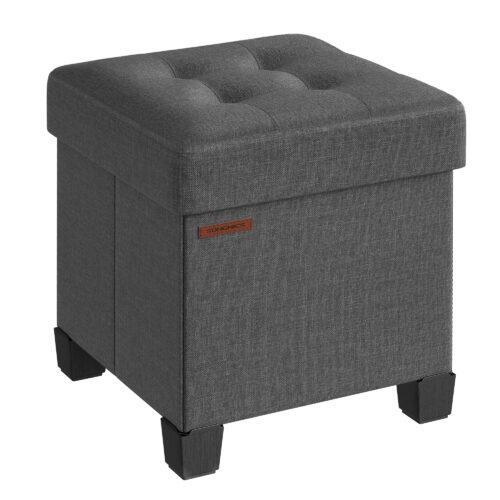
Introduction: Defining “Fit-for-Purpose” in Ottoman Production
Fit-for-purpose means a product meets spec, under normal use, across a full run. An ottoman manufacturer must prove that at scale, not only in a showroom sample. As you compare ottoman chair manufacturers, you face real constraints: season dates, MOQ, and quality consistency. Picture this scenario: your Spring line is due in eight weeks; one fabric is backordered; a frame vendor just changed a jig. Industry data shows upholstered returns often hit 8–12% due to seam failure or foam collapse, and lead-time variance can swing by weeks. Are you measuring the right signals before you place the first PO?
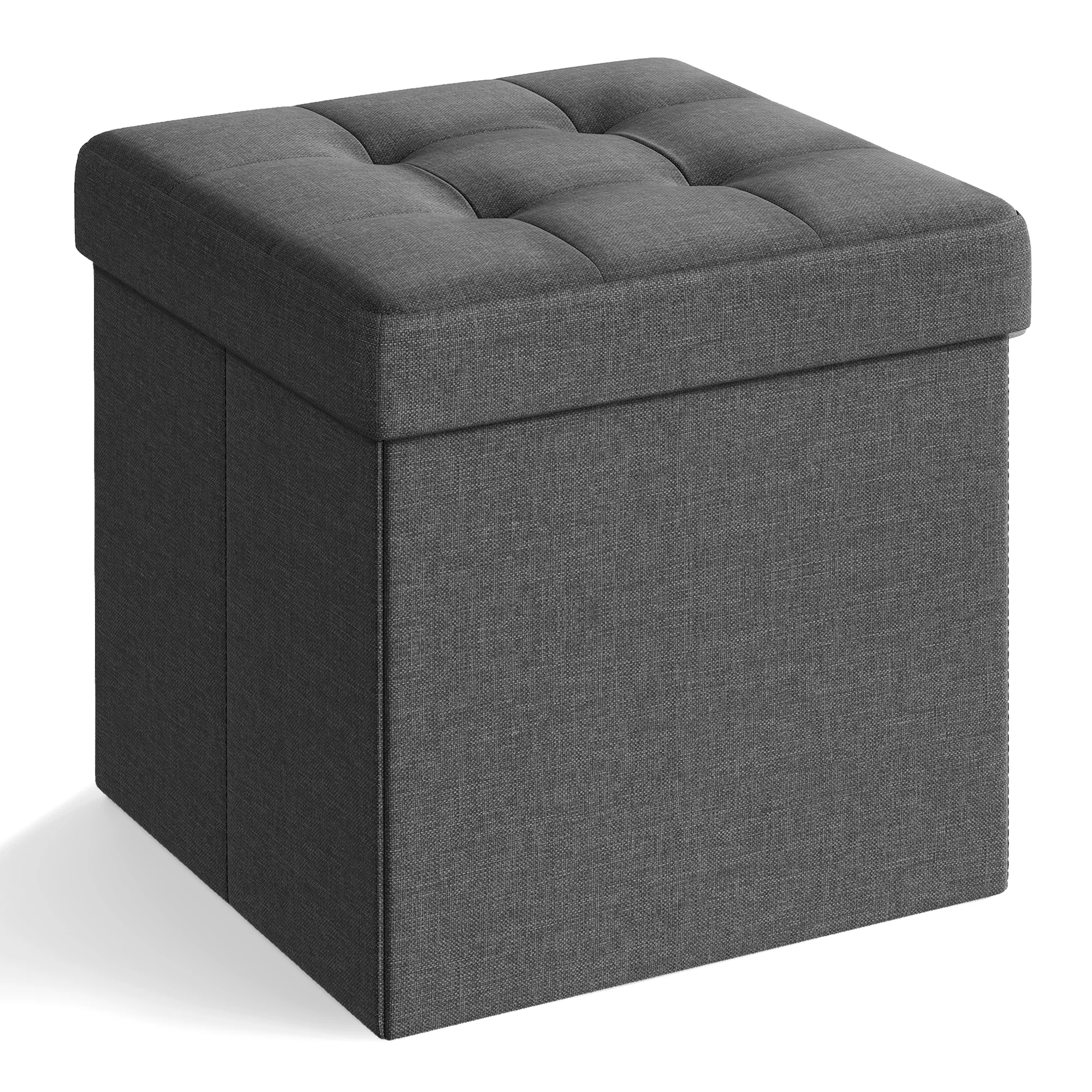
This is a technical problem at heart, not only a design choice. You need evidence of process capability, not promises. Think bill of materials control, CNC routing repeatability, and ISO 9001 discipline. Add clear QC gates and traceability. Then ask: can this line hold spec when volumes rise? Let’s map the blind spots, then move to the tools that actually close them.
The Hidden Pain Points Buyers Overlook
Why do “perfect” samples fail in production?
Most samples ride on special handling. The first ten look great. Week four is different. Foam density shifts because the substitute block was “close enough.” Dye lots vary; now your neutrals do not match under store lighting. A loose mortise-and-tenon shows up after freight vibration. The root issue is process drift. Without jig fixtures and clear tolerances, a small miscut in the frame stacks into a wobbly seat. Without incoming QC on staples, webbing, and batting, you get early sag. And when BOM revisions sit in email (not a system), the line runs the wrong zipper or welt. — funny how that works, right?
There is also the timing trap. A low MOQ feels safe, but it often means more changeovers and more defects per hour. Lean manufacturing needs stable takt and standard work. If the vendor lacks SPC on stitch length or cannot hold Cp/Cpk on frame alignment, your return rate climbs. Look, it’s simpler than you think: specify test methods up front. Drop tests, rub counts (Martindale), and humidity cycling catch weak links before launch. Finally, audit packaging. Edge crush test (ECT) and corner protection matter as much as a pretty swatch when freight runs are long.
Forward-Looking: Tools and Practices That Differentiate Makers
What’s Next
Now compare on systems, not slogans. Modern shops use an MES to lock the routing, work instructions, and revision control. Digital cut files drive CNC routers, so every leg and rail is identical within tight tolerances. RFID or barcode traceability tags each unit, linking the foam lot, fabric roll, and operator station. Vision inspection flags seam puckering before boxing. When you add automated fabric nesting, you also stabilize grain direction and reduce waste. The outcome is fewer “mystery” defects and tighter cycle times. If your channel spans ottoman wholesale, these controls smooth replenishment and avoid costly color drift across batches (small change, big effect).
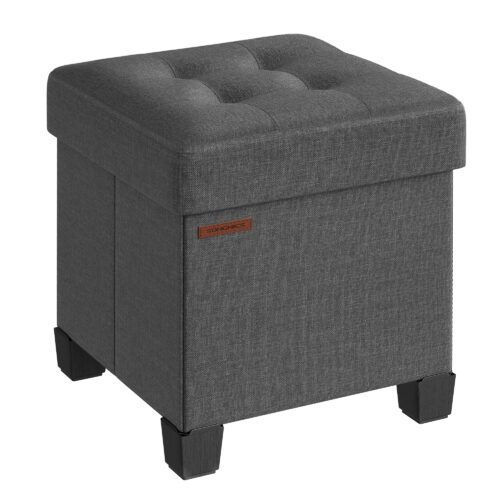
Comparative signals matter. Ask for process FMEAs, not just pretty PPAP binders. Review real SPC charts on seam strength and staple penetration. Check kiln-dried hardwood moisture logs and adhesive cure windows. A vendor who can show first-pass yield by SKU, plus scrap Pareto by cause, is not guessing. This is a different pace—evidence-driven and calm. To decide with confidence, use three metrics: 1) process capability on critical-to-quality features, like frame squareness and foam ILD variance; 2) conformance rate across three pilot runs, including packaging drop-test results; 3) on-time, in-full delivery with traceability from BOM to pallet label. Do this, and your line performs in stores, not just on a sample table — and that’s the quiet win. For deeper documentation standards and supplier checklists, see SONGMICS HOME B2B.