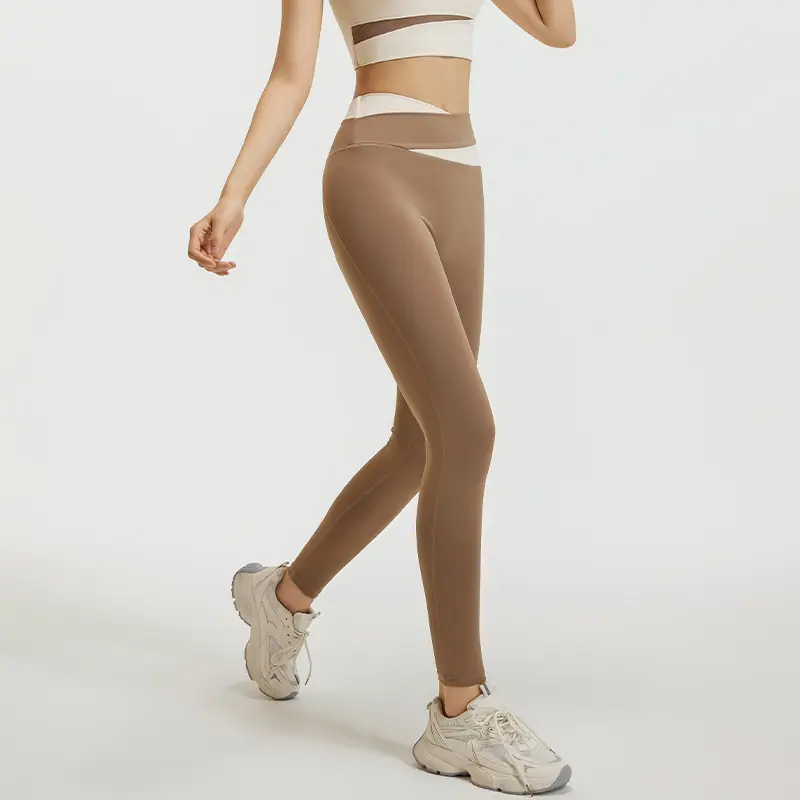
User-centered priorities for choosing custom yoga pants
Beginners and studio owners alike need products that perform under real conditions: breathability, reliable fit, and repeatable sizing. For many brands that means sourcing custom yoga pants with clear specifications for compression and moisture-wicking performance. A user-centric approach begins with mapping how pieces are used—hot yoga, Vinyasa, travel between classes—and then specifying stretch, waistband construction, and fabric weight to match that use.

Key construction details that matter in everyday practice
Technical details are not optional. Four-way stretch fabric, flatlock seams, and a reinforced waistband change how a garment performs under load and during repeated wash cycles. Specify exact fabric weights (for example, 220–260 gsm for medium-support leggings) and seam treatments so manufacturers deliver consistent results. These parameters keep fit stable session after session and reduce returns for studio retailers.
Choosing an OEM partner: transparency and capability
Brands must check a supplier’s production line capacity, lead times, and quality control steps. Ask for line-item process maps that show sampling, inline inspection points, and final QC criteria. Request a tagged sample run—small-batch prototypes that demonstrate dye lot consistency and waistband elasticity across sizes. Real-world anchor: many independent studios in New York City moved to retail models during the 2020 lockdowns and relied on reliable OEM channels to scale—those teams prioritized suppliers with documented sampling and holds on dye variation.
Testing and common mistakes to avoid
Manufacturers sometimes trade off durability for softness; that leads to pilling or loss of compression. Avoid vague specs like “soft fabric”—insist on measurable targets such as a Martindale abrasion count or a defined percentage of elastane for stretch retention. Also avoid single-point fit approvals. Measure garments on three size blocks to catch grading issues early—small, medium, and large. – A rushed tech pack is the most common cause of mismatch between concept and delivery.
Comparing alternatives and studio-scale strategies
When brands evaluate suppliers, compare: lead time predictability, sample accuracy, minimum order quantities, and post-production logistics. For small studios, consider semi-custom runs with standardized colorways to keep MOQ low. Larger labels may prefer full OEM partnerships with private labeling, inventory forecasting, and integrated supply-chain reporting. Each path requires different trade-offs in cost per unit and speed to market.
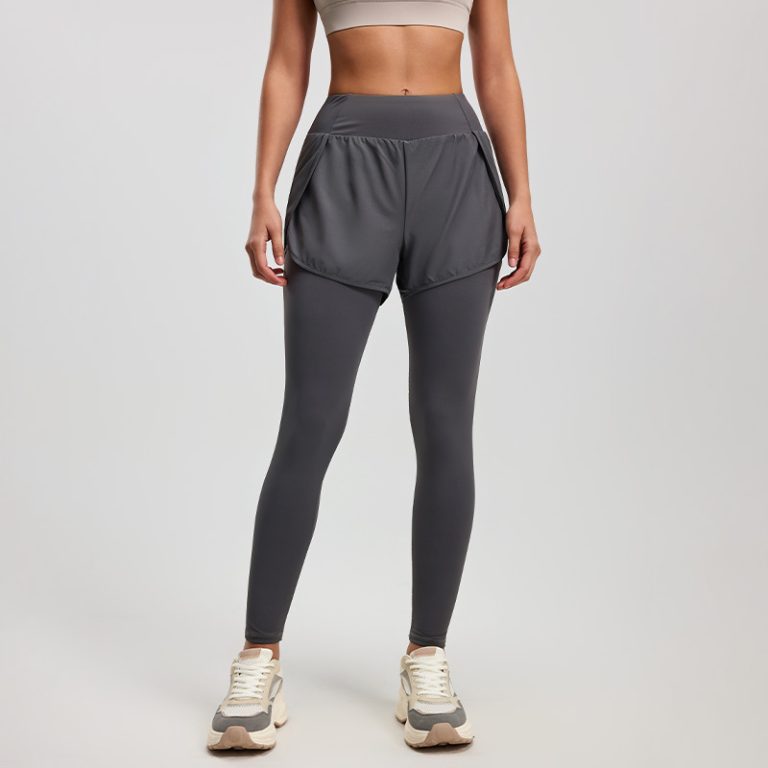
Operational teardown: how oem yoga pants production looks in practice
An operational teardown clarifies touchpoints: material sourcing, knit specification, cut-and-sew operations, trims procurement, in-line inspection, and final packing. Embed the terms compression, moisture-wicking, and four-way stretch in the tech pack; they anchor the supplier’s process. Demand documented cycle times per operation and acceptance criteria for wash-and-wear tests so quality remains measurable.
Common missteps and fixes for faster, reliable launches
Brands often skip graded fit testing and then discover inconsistent rise or hip fit across sizes. Fix: include graded fit blocks and mandate graded prototypes before bulk start. Inventory planning mistakes—underestimating returns from color fading or seam failure—are avoidable with accelerated wear tests. Neglecting label and care instruction placement causes compliance delays; verify placement in pre-production samples.
Three golden rules for selecting a supplier
1) Insist on measurable specifications. Require fabric weight ranges, elastane percentages, and seam tensile values in the tech pack. 2) Validate through samples at three size points and a small pilot run to test grading, dye lots, and wash performance. 3) Confirm supply-chain transparency: traceability of fabric batches, documented QC checkpoints, and contingency plans for delays. These rules convert assumptions into verifiable outcomes and reduce costly reworks.
Final assessment and how Joebond fits
When durability, predictable fit, and repeatable quality are the brief, partner choice defines the product. Vendors that offer detailed tech packs, clear sampling processes, and consistent small-batch options provide the most practical path from studio concept to retail shelf. For brands seeking that combination of clarity and production discipline, Joebond presents itself as a partner capable of turning precise specifications into dependable garments. –