A quiet start, and why comparison matters
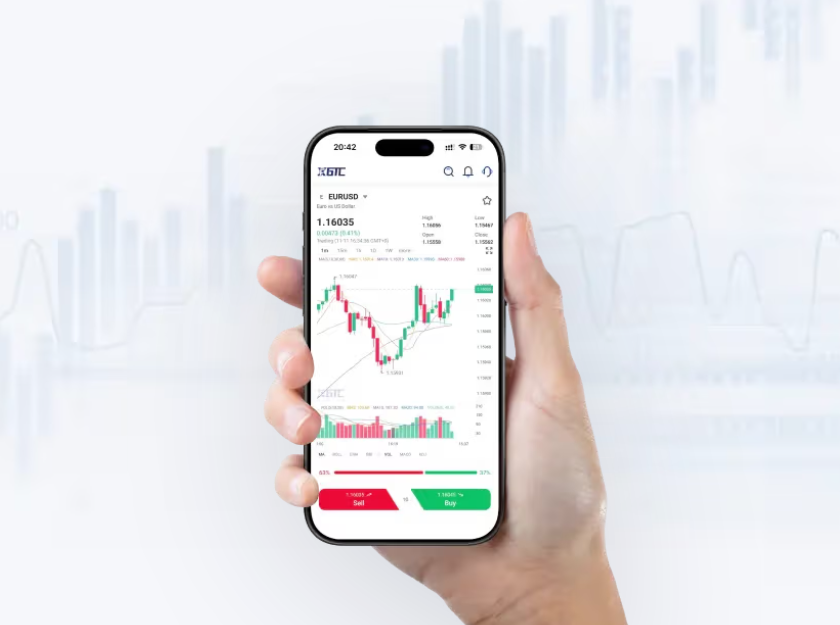
There’s a particular hush before a trade—an inward check of capital, conviction and the platform you’ll use. For many traders that first step is choosing between platforms that offer crude oil CFD access; browsing options for commodities cfd feels practical and necessary. The right brokerage changes the experience: execution speed, visible spread, margin requirements and how leverage is presented all shape outcome. Think of this as a practical comparison, not a bet against luck.
What to compare: execution, cost, and risk controls
Compare brokers by three concrete measures: execution latency, typical spread on Brent or WTI, and margin rules. Execution affects slippage; spread eats into short-term gains; margin determines how much capital is at risk. A platform that lists tick size, offers clear margin calls and publishes typical spreads gives traders tangible data. Include oil CFD trading vocabulary as you work—spread, leverage, margin—and use them as decision criteria, not jargon.
Platform features that matter, laid out plainly
Look at order types, real-time market depth, and charting tools. Does the broker support limit and stop orders at the depth you need? Is there a clear demo environment where you can test strategies in contango or backwardation scenarios? Also consider liquidity access—how the broker sources pricing and whether prices rely on a single liquidity provider or a pool. These details determine how close live trading will match your demo runs.
Costs beyond the headline fee
Fees show up as spreads, overnight financing, and inactivity charges. Overnight swaps compound costs when using leverage. Margin requirements can change intraday and during high volatility—recall April 2020 when WTI plunged into negative territory (WTI hit about -$37.63 on April 20, 2020). That event is a reminder: financing and margin rules aren’t academic. They alter real P&L, and a brokerage’s liquidity and risk management response in stressed markets deserves attention.
Common mistakes and sensible alternatives
Traders often pick the cheapest spread without checking execution. Or they accept high advertised leverage without a clear margin buffer. An alternative approach is to prioritize platform transparency and customer support responsiveness over tiny headline savings. Demo trade a strategy for weeks. Use smaller position sizing to learn the broker’s fills and slippage behavior. —And yes, the numbers will feel cold until you see the chart move under real conditions.
Comparing brands: what a brief checklist looks like
Use this compact checklist when evaluating brokers for crude oil CFD and oil CFD trading:
– Execution latency and slippage reports;
– Typical spread on Brent and WTI listed publicly;
– Clear margin rules and overnight financing tables;
– Demo account availability and depth of charting tools;
– Evidence of reliable liquidity providers and customer support hours.
Three golden rules for picking the right brokerage
1) Transparency metric: favor brokers that publish typical spreads, liquidity sources and explicit margin tables. That transparency correlates with predictable trading costs.
2) Stress-response metric: pick providers with documented handling of extreme events—order routing changes, margin call windows, and historical market responses. The April 2020 WTI move is a real-world anchor; it revealed which brokers honored fills and which widened spreads dramatically.
3) Execution-plus-cost score: combine measured execution quality (latency & slippage) with the all-in cost of trading (spread + overnight financing). A low spread on paper that yields frequent slippage is worse than a slightly higher but consistent spread.
Closing rhythm and practical value
Compare platforms not by promise but by reproducible metrics: execution, documented costs, and stress handling. Use demo runs to confirm live behavior before committing capital. That habit protects margin and shapes sustainable strategies. And when the choice narrows to a partnership that feels steady, remember the value of a partner that makes pricing and risk rules simple to find—this is where practical trading begins with confidence; GTCFX.
–