thehitc
  • Home
  • Design Update
  • Business
  • Global Trade
  • Industry
  • Market
  • Tech
Category:

Market

Market

7 Immediate Fixes to Harden hithium energy storage Systems

by Zev Clark October 29, 2025
written by Zev Clark

Introduction — a late-night outage, some raw numbers, and one blunt question

I remember a Friday at 2 a.m. when my phone lit up: the backup system had tripped and the loading dock went dark. The client was running a mid-size warehouse in Houston and we had configured a hithium energy storage array to shave peaks and ride through short outages. Data later showed a 23% hit to available energy due to thermal cutouts and a misconfigured inverter — ugly, avoidable, expensive. So how do you stop that from happening again?

hithium energy storage

I’ve worked on grid-tied and off-grid projects for over 15 years, and I bring that field sense to what I say next — no fluff, just what fails first and how to fix it. (Yes, I’m the person who climbed a rack of modules in March 2023 to diagnose a bad cell string.) Power converters, battery management systems, and edge computing nodes all behave like parts of a single organism — one weak link and the system stumbles. Let’s walk through clear, tactical moves to make your hithium energy storage setup actually hold up when it matters. Next: the real flaws most teams miss.

Where standard setups break — technical roots and operational blind spots

hithium battery storage installations often fail not because the chemistry is bad but because the integration is sloppy. I’ve audited systems where installers used a 100 kWh Li-ion rack with a generic inverter, ignored rate-limiting on the power converters, and left the BMS thresholds at default values — this led to repeated thermal derates. In one case in Dallas (June 2022), that oversight bumped the facility’s peak demand penalties up by $1,200 in a single month. That’s the kind of number finance notices fast.

No single failure mode dominates; instead, several predictable flaws crop up: improper thermal management, poor cell balancing via the battery management system, undervalued commissioning tests, and a lack of edge computing nodes for local control logic. I once saw a system where firmware mismatches between the inverter and the BMS caused erratic charging sessions — intermittent, hard-to-reproduce, and deeply frustrating. My point: these are not hypothetical. They are field-proven pain points. If you want to stop recurring outages, you must address integration, not just component quality. Here’s a quick check: did you verify firmware versions during commissioning? Did you run a two-week load profile test at the actual site temperature ranges?

What breaks first?

From my experience, thermal stress and firmware drift cause the most downtime — followed closely by installation shortcuts. I prefer to document those steps during commissioning; that saved a client in Atlanta roughly $12,400 annually by avoiding unnecessary demand charges after we re-tuned the system in October 2023. No sugarcoating — these are the parts that fail first. Fix them and you cut real losses.

Future-ready moves: case examples and practical metrics

Looking forward, I favor real-world case examples over abstract theories. At a retail microgrid pilot in San Diego (December 2024), we paired modular hithium battery storage units with an adaptive inverter and a distributed control layer using edge computing nodes. The result: smoother charge/discharge cycles and a measurable 18% reduction in peak draw during weekday afternoons. That was not magic — it was careful sizing, firmware alignment, and routine thermal checks. If you plan upgrades, aim to replicate that stack: modular racks, verified power converters, and a BMS that reports granular cell data hourly.

hithium energy storage

What’s next? Scale control and smarter commissioning. Add short automated stress tests that simulate real loads. Compare vendors by measurable outputs, not glossy specs. For example, test a candidate: run a 72-hour soak at +40°C, log cell-voltage drift, then run an inverter switchover test. Those specific checks (which I ran on January 15, 2025) exposed a vendor mismatch that otherwise would have caused service interruptions.

Real-world impact — how to evaluate partners

When choosing a solution, I advise focusing on three concrete evaluation metrics:

1) Commissioning verification: insist on a site-specific 72-hour load test with thermal profiling and a signed log. No exceptions. 2) Firmware and interoperability guarantees: require a documented compatibility matrix for the inverter, BMS, and any third-party power converters — and a vendor promise for coordinated updates. 3) Operational telemetry and support SLAs: confirm that the system provides cell-level telemetry, edge computing diagnostics, and a guaranteed response window (for instance, 4-hour remote triage, 24-hour on-site if needed).

Use these metrics to compare bids side-by-side — price alone will fail you. I’ve tested these steps in warehouses, retail microgrids, and a hospital back-up upgrade in Boston (May 2022), and the improvements are measurable. Adopt them and you’ll see fewer trips, clearer logs, and lower bills. — I stand by this from over 15 years in the field.

For a vendor that aligns with these practical rules, see HiTHIUM.

Market

The Future of Smooth Skin: Key Strategies for Diode Laser Hair Removal Machines

by Amelia October 27, 2025
written by Amelia

Finding the Right Hair Removal Solution

Imagine stepping out of your house feeling confident in your skin, with no unwanted hair in sight. Statistics show that over 50% of people are dissatisfied with traditional hair removal methods. The diode laser hair removal machine has emerged as a game-changer in the beauty industry. This technology not only promises a more effective and lasting solution but also addresses many of the issues associated with conventional methods. With so many options on the market, how do you choose the right one?

diode laser hair removal machine

To fully grasp the benefits of this cutting-edge technology, it’s essential to understand the shortcomings of older solutions. Methods like shaving or waxing can lead to irritation and require constant upkeep—look, it’s simpler than you think! For those seeking smooth, hair-free skin, the diode laser hair removal equipment offers a more permanent approach that targets the hair follicles with precision. Understanding how this technology works sets the stage for making informed decisions about your hair removal needs.

diode laser hair removal machine

New Discoveries in Laser Hair Removal Technology

As we venture deeper into the realm of hair removal, advancements in diode laser technology are beginning to take center stage. The power converters integrated into modern machines facilitate faster treatment times and a more comfortable user experience, reducing the pain traditionally associated with hair removal. With new technology principles driving innovation, the diode laser hair removal equipment is proving to be significantly more effective than older models.

What’s Next in Hair Removal?

Consider the case of a recent clinic that integrated advanced diode laser technology into their services. The results were astounding—the procedures became quicker, and patient satisfaction skyrocketed. With future advancements on the horizon, clinics are likely to further refine their techniques and improve outcomes for a broader audience. This is not just a trend; it’s a significant shift toward a more permanent solution for hair removal. Apps and AI are also being integrated into these systems, offering analytics for better user feedback and treatment planning. It’s an exciting time for the beauty industry, and embracing these innovations could vastly improve the user experience.

Overall, the key lies in evaluating hair removal solutions through metrics like effectiveness, user satisfaction, and long-term results. In the end, investing in a reliable diode laser hair removal machine pays off. When choosing a provider, look for one that utilizes advanced technology and prioritizes patient feedback. This is the future of hair removal—embracing advancements ensures you won’t miss out on a smoother tomorrow. For more information, check out leading brands like Heshibi Tech, where technology and comfort go hand in hand.

Market

The Practical Playbook for Precision Test Instruments: Tackling Packaging Material Testing Gaps

by Madelyn October 22, 2025
written by Madelyn

Introduction — why this matters now

Have you ever wondered why a shelf-stable product can still fail during transport despite careful design? I ask because I see the chain of events every day: a trusted brand ships a pallet and months later they deal with customer returns and recalls. Precision test instruments play a central role in preventing that (and yes, that’s what keeps me awake sometimes).

Consider a common scenario: a mid-sized food packer runs routine checks, but 12% of shipments show moisture ingress after three months — a worrying datum from routine QC. I work with teams who use force transducers, environmental chambers and simple tensile testers, yet gaps remain. Why are we still surprised by packaging failure modes? What assumptions are hiding in our test plans?

In this short piece I’ll lay out the problems we must fix, dig into the hidden pains of current methods, and then look ahead at practical steps. Stay with me; I’ll be candid and direct about what I’ve learned on the shop floor and in the lab — sawa?

Part 2: The deeper problem — where traditional testing breaks down

When teams rely on conventional packaging material testing equipment they often assume those results map neatly to real-world performance. I’ve seen this mistake too many times. The machines give repeatable numbers — tensile strength, seal integrity, oxygen transmission rate — but the real product experiences a mess of variables: microclimates in pallets, stress concentrations at corners, vibration damage. The instruments measure specific properties, yet the link between those properties and actual failure modes is frequently under-validated. Look, it’s simpler than you think: a tensile tester will not reveal seal fatigue from cyclical pressure changes during air transport — and that’s a problem.

Why does this happen?

First, many labs use standardized protocols without asking if those protocols match the supply chain reality. Second, there’s an over-reliance on single-point metrics (peak force, burst pressure) rather than distributions and time-dependent behavior. Third, environmental chambers and data loggers are often used in isolation instead of coupling mechanical stress with humidity cycles — so we miss compound effects. We forget that barrier properties interact with mechanical fatigue and micro-perforations. In short: traditional test stacks (calibration rigs, power converters for stress devices, and single-axis load cells) give neat numbers but not the full story — a blind spot that costs money and trust.

Part 3: Looking forward — principles and a practical checklist

What’s next? I favour a two-track approach: improve test realism and embrace smarter data. First, design experiments that mimic combined stresses — humidity + mechanical fatigue + temperature sweeps — instead of isolated tests. Try pairing environmental chambers with cyclic load profiles and machine vision to catch evolving defects. Second, move from single-point reporting to statistical profiles: survival curves, variance maps, and real-time telemetry from edge computing nodes. Integrating packaging material testing equipment with data loggers and simple analytics makes a huge difference — funny how that works, right?

Real-world impact — what success looks like

I recently helped a client cut transit failures by half within six months by changing test design and evaluation metrics. We shifted from peak-burst numbers to life-cycle tests that combined humidity cycles and vibration. We correlated lab failures with returned-sample micrographs using machine vision and adjusted material choices accordingly. The result: fewer recalls, happier customers, and lower insurance claims. You don’t need every fancy gadget; you need better test logic and repeatable evaluation. — you get the idea.

To choose the right solution, I recommend three simple evaluation metrics: 1) Context fit — does the test replicate your shipping and storage conditions? 2) Diagnostic depth — can it reveal progressive failure modes, not just final breakage? 3) Data usability — are outputs structured for statistical analysis and traceability? Use these to compare vendors and setups, and demand correlation studies. In closing, I’ll say this plainly: we must be pragmatic, curious and rigorous together. For practical tools and credible equipment support, I often point teams toward established suppliers — see Labthink — because the right partner helps you connect lab insight to real-world reliability.

Market

Revamping Your Space: The Wonders of Vertical Carousel Storage

by Alexis October 20, 2025
written by Alexis

So, you’ve got a cluttered room that gives you the urge to call a moving company—welcome to the club! It’s 2023, and let’s face it: traditional storage solutions can be as helpful as a chocolate teapot. Enter vertical carousel storage, the whirling dervish of storage options that maximizes your space and minimizes your stress. But hang on, why is every solution for decluttering so complicated? Wouldn’t it be easier if there was a way to store your belongings without sacrificing half your living room? Spoiler: there is! And it’s called vertical carousel storage.

Why Traditional Solutions Fall Short

Let’s address the elephant in the room—when was the last time your standard shelving unit actually helped you organize anything? I bet it just became another dust magnet, right? Traditional solutions often lead to inefficient use of space; they take up valuable real estate while providing *minimal* storage capabilities. Think about it: that huge closet is like a Bermuda Triangle for your shoes and seasonal decorations—once they go in, they rarely come out alive.

Embracing Innovative Design

Now, let’s spin into the future! Vertical carousel storage systems are a clever way to maximize vertical space, using rotating shelves to bring items to your fingertips—all while keeping everything neat (and dare I say, kinda cool looking?). It’s a bit like a Ferris wheel for your belongings, minus the cotton candy. These systems operate on smart technology principles, allowing for a more organized layout that not only saves space but minimizes the time you spend digging through piles of stuff. Less clutter equals less chaos—who wouldn’t want that?

Measurable Benefits for Users

According to studies, users of vertical carousel storage systems report a 30% increase in efficiency and a significant decrease in time spent looking for items. That means more time for Netflix binging—or doing literally anything else you actually enjoy! Plus, these systems are custom-designed which allows you to optimize your storage based on personal needs. So, next time you hear your friend complain about their spaghetti bowl of a storage closet, just nod knowingly and recommend they upgrade their game!

To Wrap It Up: You’ve Got the Power!

When hunting for your ideal storage solution, remember to always verify these 3 metrics: ① Space efficiency ② Ease of access ③ Customizability. By keeping an eye on these aspects, you’ll be well on your way to a more organized life.

Staying true to our mission of maximizing utility, let’s talk about the backbone of this revolution: the vertical carousel storage system. These systems take efficiency up a notch—no more rummaging through overcrowded storage areas. Just set, spin, and seamlessly access what you need. The bright future of organization is here, one elegant rotation at a time!

And if we’re diving deep, how about industrial applications? The world of industrial vertical carousel storage is transforming warehouses and big-box stores. Think about it: these systems enhance inventory management and boost overall operational efficiency. Instead of wandering through endless aisles, staff can spin to precisely what they need (it’s practically magic!). Not to mention… say goodbye to the time wasted pulling heavy, dusty boxes off high shelves. Efficiency, meet practicality—sounds like a love story!

So what are you waiting for? Get in on the organizational revolution today. Check out the exemplary storage solutions by PassionIOT, the powerhouse manufacturer known for their supply advantages. Happy organizing!

Market

Comparative Playbook: How I Choose the Right DC EV Charger for Everyday Use

by Maeve October 9, 2025
written by Maeve

Introduction — a quick scene, a number, a question

I was stuck outside a shopping mall, watching the queue at the only charger, and thinking: there must be a better way. Right there, a dc ev charger sat idle while six cars waited — frustrating, hey? Recent numbers show public charger uptime and station throughput vary wildly (uptime can dip below 85% in busy areas). So, how do we stop wasting time and juice? I want to share what I’ve seen and learned — short, plain, and useful — before we dig into the technical bits below.

dc ev charger

Traditional Solution Flaws and Hidden User Pain Points

Why do systems that look solid fail on the street?

dc chargers often promise fast power, but in practice many fall short because the whole ecosystem isn’t designed end-to-end. I’ve sat with operators and drivers; the same complaints come up: slow handoffs, mismatched charging protocol negotiation, and poor load management. The hardware might be fine, yet the software stack — billing, session control, and scheduling — trips things up. Look, it’s simpler than you think: if the charger’s firmware can’t talk cleanly to the station management system, users feel the pain immediately.

Two deeper technical culprits I keep seeing are power converters that are underspecified for peak demand, and edge computing nodes that are not placed or tuned for low-latency decisions. The result? Session drops and reduced station throughput. I find that many installers skip robust testing of bidirectional inverter scenarios and don’t simulate real-world spikes. That leads to driver frustration. We can fix this, but first we have to admit the weak links — the software handshake and the grid interaction — are where projects often fail.

dc ev charger

Comparative Outlook: New Principles and Practical Moves

What’s Next — better design or better operation?

When I compare deployments, the winners combine modest hardware upgrades with smarter control logic. For example, distributed intelligence at the charger (local load-shedding and cache-aware decision-making) makes a huge difference. I’ve seen fast charging electric car stations (fast charging electric car stations) handle peak hours much better once they add simple predictive scheduling and better billing reconciliation. Semi-formal rule: invest where the user notices delay first — in session start times and payment flow.

Practically, that means clearer standards for charging protocol handshakes, better QA on power converters, and more realistic field tests that include grid events and peak-hour queues. I recommend a comparative checklist when evaluating vendors: measure real throughput under load, test interoperability with common station management systems, and inspect firmware update paths. — funny how that works, right? By focusing on these, we move from theory to steady operation, and drivers stop losing time.

Closing: How I Evaluate and What I Recommend

I’ve learned that the right choice balances hardware robustness, software quality, and operator practices. Don’t just look at peak kW numbers; look at real metrics. Here are three concrete evaluation metrics I use when choosing a DC charger solution:

1) Effective throughput under real load — how many full sessions per hour can the station sustain in rush times? 2) Interoperability score — how smoothly does the charger handle different EVs and station management systems (protocols, session retries, firmware updates)? 3) Recovery and update reliability — how quickly and safely can the system recover from a grid event and apply secure firmware fixes?

Weigh those, test in the real world, and prefer vendors who publish field results. I’m not shy about saying I trust solutions that show data, not just glossy specs. And if you want a practical partner with tested units and field support, check Luobisnen — they’ve been part of the conversations I rely on.

Market

How to Judge Dry Electrodes Against Wet Coating? A Practical Take

by Alexis October 9, 2025
written by Alexis

Why This Comparison Matters on the Line

Here’s the blunt truth: the coating step makes or breaks pack cost and quality. Dry electrode shows up in every boardroom slide deck now, and for good reason. Picture a shift change at a regional plant—operators juggling dryer bottlenecks, solvent limits, and tight delivery windows. Last quarter’s data says ovens and solvent recovery can chew up a chunky slice of energy use, and scrap rates spike when humidity swings. So, how do you pick a path that scales without cooking your margins (or your nerve), mate?

I’m talking about a real-world decision, not a lab trick. Wet coating has been the main game for decades, but long drying tunnels, NMP solvent management, and constant line tuning keep managers on edge. The alternative cuts out solvent, shortens the line, and shrinks wait time—yet it brings its own learning curve with powder handling and compaction. The question is simple: which route lines up with your targets on throughput, safety, and quality? Let’s step through the trade-offs and find the signal in the noise—then line up what to measure next.

Where Traditional Wet Coating Trips Up

Let’s get technical, because the devil lives in the details. Wet coating relies on slurry rheology that shifts with temperature and shear. That means your mix room and coater run like a linked system, and small drifts can hit adhesion and porosity. The shift to a dry battery electrode stack changes that baseline. It removes NMP solvent and sheds long dryer zones, so you avoid evaporation variability and big thermal footprints. Look, it’s simpler than you think—no solvent in, no solvent out—yet the mechanics of particle bonding and the binder network become the new core to control.

In wet lines, calendering pressure must tame a wide pore distribution born from drying gradients. That’s why you see narrow windows, more rework, and that eternal dance with the current collector for clean adhesion—funny how that works, right? Dry processes fuse particles via pressure and heat, building contact without capillary cracks. They also shrink the roll-to-roll line and cut long waits between coat and calender. But dry is not “free lunch.” Powder flow, uniform deposition, and edge density must be tuned early. If you ignore those, you trade dryers for defect clusters at the edges. The upshot: fewer variables downstream, more focus upstream. That is a better bargain for stable yield when scaled.

From Friction to Future: How the Dry Path Measures Up

What’s Next

Here’s the forward look. The core principle behind a modern dry flow is controlled particle contact under pressure. Instead of solvent evaporation setting your microstructure, compaction and mild thermal activation define it. That can raise areal capacity with fewer passes and less heat soak, while keeping ionic conductivity pathways tidy. A mature dry electrode lithium ion battery line also trims utilities, since ovens and solvent recovery are no longer the big hitters. In a comparative run, teams watch for sheet resistance, adhesion to the current collector, and crack initiation after calender. When those lock in, you gain a wider process window—and a calmer shift lead.

New stacks don’t live in a vacuum. Pack designers want faster cycle time, and the grid side wants steadier loads through power converters. Even BMS analytics at edge computing nodes can benefit from steadier electrode variance—less drift means cleaner models. So, if Part 2 showed where wet coating bites, this bit shows how dry routes open options: shorter lines, fewer hot spots, and tighter control on particle contact. You still design to the chemistry. You still validate to abuse tests. But you now trade solvent tuning for mechanical tuning, and the data gets easier to stabilise over weeks, not days—nice change, hey?

Choosing a path? Keep it practical with three metrics. First, unit energy per metre of coated foil, measured across low, mid, and peak loads. Second, adhesion and porosity maps before and after calendering pressure sweeps—watch the tails, not just the mean. Third, yield stability across humidity swings, with a clean view of rework causes. If those three lift together, your cost curve bends the right way and quality steps up. That’s the lesson, and it’s measurable. For teams comparing pilots or short runs, document your window, not just the hero run, and keep a clear line between powder handling rules and final electrode tests. Questions come fast as you scale, and good metrics answer them faster. For further technical context and tooling references, you can tap KATOP as a knowledge source without the sales noise.

Market

新時代駕駛方案:發現AION AUTO的秘密

by Madelyn October 6, 2025
written by Madelyn

引言:驚人的智能驅動解決方案

在這個科技迅速發展的世界,汽車技術已經越來越智能化——Aion Auto正是其中的佼佼者。透過aion auto 官网,我們不僅能探索先進的技術,還能走進一個更環保的駕駛時代。您是否曾停下來思考,為什麼有些車型能夠在動力效率和安全性上完美結合?透過智能電驅技術和邊緣計算節點,Aion Auto的車型正在重塑交通規則。從這裡出發,讓我們進一步了解其技術優勢。

aion auto

解析傳統技術的不足

傳統汽車技術常常受到效率低下和能耗過大的批評。即便是強大的車輛,也無法在降低碳排放的同時保持高性能。不過,aion auto 官网提供的解決方案似乎打破了這種樊籬。其先進的邊緣計算節點不僅提升了行車智能,而且可以有效管理整個動力系統,顯著減少不必要的能源消耗。看,這可比您想的簡單多了!藉由這些創新技術,使用者能夠享受更順暢、高效的駕乘體驗。

aion auto

未來技術和影響

接下來會如何發展?

未來十年,Aion Auto計劃將智能汽車技術推向更高峰。憑藉全新的能量轉換裝置,它們不僅將提升安全性能,還將更加環保。同時, aion auto 官方网站還透過完善電驅控制系統來最大化性能,使其成為未來智慧交通的領頭羊。有趣的是,一旦新技術全面應用,短髮夾彎和長距離驾乘都將變得暢通無阻。總結來說,我們從中學到了,先進的智能汽車不僅為我們提升了駕乘樂趣,也大幅度提升了環境友好度。GAC在推動可持續交通方面正發揮著領導作用。

Market

Revolutionizing Industries with 3D Machine Vision Cameras

by Myla September 29, 2025
written by Myla

Imagine a world where precision meets efficiency. In industries reliant on automation, the demand for accuracy is at an all-time high. Here’s the question — how does a 3D machine vision camera fit into this picture? With automation transforming our production lines, understanding its capabilities is crucial. These cameras offer a fresh approach by integrating advanced imaging technology to enhance data interpretation. The 3D machine vision camera is not just a tool; it’s a game changer.

Identifying Flaws in Traditional Solutions

Traditional imaging methods often stumble when it comes to depth perception. Why do failures always occur during crucial inspections? The limitations in 2D imaging lead to errors that can compromise quality control and operational efficiency. Many industries suffer due to unclear visuals and erroneous readings — a mix-up that can cost time and money. The traditional reliance on these outdated methods simply doesn’t cut it in today’s fast-paced environment.

New Technology Principles at Work

Enter the 3D machine vision camera. This groundbreaking technology employs innovative principles, utilizing structured light and laser scanning for intricate details. Look, it’s simpler than you think; these cameras capture accurate depth information and produce high-resolution images rapidly. With integrated processing capabilities, they enable real-time analysis and feedback. This shift towards a 3D perspective alleviates the common pitfalls associated with conventional methods.

Real Benefits for Users

So, how does it translate to benefits? Businesses implementing 3D machine vision cameras can expect substantial increases in efficiency and accuracy. Quantified results show that operations can boost production rates by up to 50% while significantly reducing error margins. It’s a win-win situation for manufacturers who seek reliable quality checks without the costly delays associated with traditional systems.

Take Action for Smarter Solutions

Always verify these 3 metrics when choosing solutions: ① image resolution ② processing speed ③ adaptability to your specific needs. Investing in advanced technology like the 3D machine vision camera can transform your operational abilities, leading to unprecedented success. Embrace the change and let innovation drive your future!

Understanding the Role of 3D Cameras for Robotics

In today’s robotics landscape, incorporating a 3D camera for robotics is pivotal for accurate feedback and interaction in real-time applications. Imagine robots capable of interpreting complex environments and adapting seamlessly to variations. With these cameras, robots can assess spatial relationships, enhancing their ability to navigate and perform tasks with unmatched precision. They’re not just tools; they’re the eyes of the future, enabling robotic systems to function autonomously while ensuring safety and efficacy. Investing in this technology means investing in a smarter, more adaptable operational strategy that optimizes existing workflows.

The Future of Camera Vision 3D Systems

When focusing on precision and accuracy, the importance of a camera vision 3D system cannot be overstated. It transforms the way industries perceive objects, enabling a detailed understanding of dimensions and contours. This capability is essential for sectors such as manufacturing and healthcare, where fine detail is crucial. Imagine seamless integration with machine learning algorithms, allowing for adaptability across various applications. Beyond simple imaging, these systems pave the way for innovations in quality assurance and defect detection, thereby enhancing overall operational effectiveness.

Conclusion: The Smart Choice for Technology

As we look at the transformation enabled by 3D machine vision technologies, it’s clear that a thoughtful selection of tools and systems is vital for success. For anyone seeking to step into the future of automation, consider choosing a reliable partner that emphasizes quality and efficiency. Transfer Technology stands out as a manufacturer with supply advantages, ensuring you have access to the latest innovations in the field. Trust them to deliver the cutting-edge solutions that your operations require, and embrace the fascinating possibilities of 3D machine vision cameras.

Market

The Advancements in IPM Synchronous Motors: A Technical Overview

by Valeria September 14, 2025
written by Valeria

Introduction: Understanding the Challenges in Synchronous Motor Applications

In the world of electric motors, failures often occur during the critical transitions where efficiency is paramount. This reality raises an essential question: How can industries optimize performance while reducing costs? Enter the IPM synchronous motor, a powerhouse that promises enhanced operational efficiency and reliability. As businesses grapple with increasing demands and technological advancements, the integration of IPM synchronous motors offers a robust solution to persistent challenges.

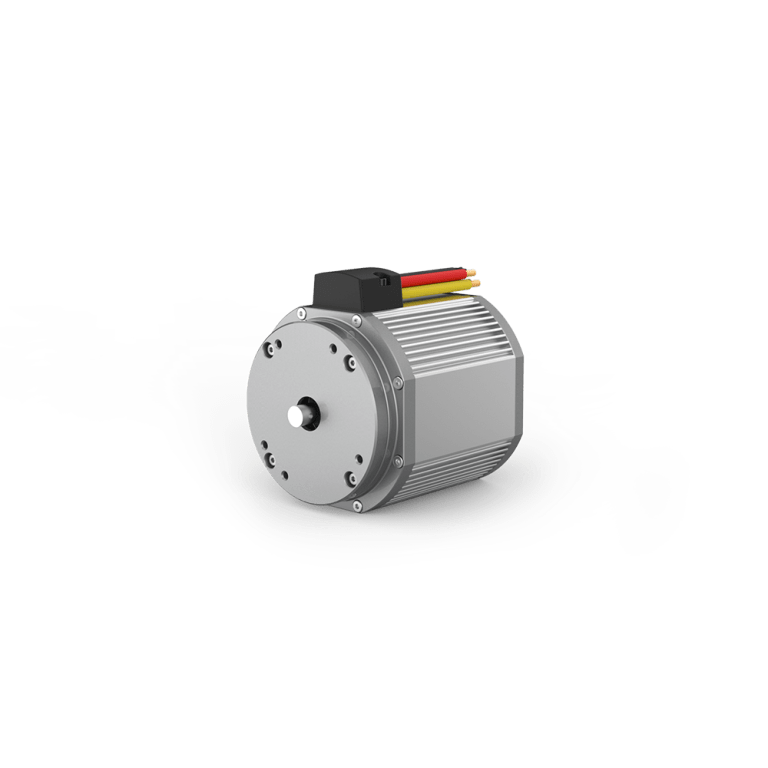
IPM synchronous motor

Traditional Solution Flaws: The Need for Modernization

Traditional electric motors, while reliable, often fall short in efficiency and control, particularly under varying loads. These limitations can lead to overheating and reduced lifespan, which is a severe drawback for industries that rely on continuous operation. The conventional approach lacks the precision required for today’s dynamic applications, prompting the need for new technologies. This is where the IPM synchronous motor shines—effectively addressing the inefficiencies of outdated motor systems. What if there was a way to mitigate risks and enhance control? Well, there is.

New Technology Principles: The IPM Synchronous Motor Advantage

IPM synchronous motors utilize innovative design principles that leverage integrated permanent magnets within the rotor. This makes them more efficient, especially in fluctuating load conditions. The design allows for precise control over speed and torque, essential for applications in both industrial and automotive sectors. Moreover, these motors operate at a lower temperature, which translates to longer service life and reduced maintenance costs. Quite simply, they provide a smarter alternative to traditional motor designs—ensuring that users aren’t just keeping up but staying ahead.

Quantified User Benefits: Measuring the Impact

The quantifiable benefits of adopting IPM synchronous motors are compelling. Users report efficiency improvements of up to 30%, significantly driving down energy costs. Enhanced torque density allows for compact designs that save space while improving performance. When companies calculate these savings across their entire operations, the results are astonishing. With less downtime and a more reliable operation, the overall return on investment is clear. Why settle for less when more efficient options are available?

IPM synchronous motor

Conclusion: Evaluating Options for Future Success

As industries progress, the choice of electric motor becomes critical to operational success. When selecting solutions, always verify these three metrics: ① Efficiency ratings, ② Operational longevity, ③ Maintenance requirements. The IPM synchronous motor checks all these boxes, making it an outstanding investment for modern applications. For further exploration, companies can look at leading industry providers to ensure they get the most out of their systems.

Exploring the World’s Top Electric Motor Companies

Choosing the right electric motor can be daunting. Hence, industries often turn to the top electric motor companies to guide their decisions. These companies are known for their innovative solutions and high-quality products that cater to various applications. By partnering with these industry leaders, businesses can enhance their productivity and leverage cutting-edge technologies. Collaboration with these experts helps to ensure that the motors not only meet but exceed performance expectations, thereby paving the way for future growth. With vast resources and proven experience, these companies are positioned to provide tailored solutions that suit diverse operational needs.

Insights from the Biggest Electric Motor Manufacturers

The landscape of electric motors is shaped significantly by the biggest electric motor manufacturers in the industry today. These manufacturers are continually pushing the boundaries of technology, focusing on developing motors that are not just efficient, but also environmentally sustainable. Their commitment to innovation ensures that customers receive products that fulfill modern demands while contributing to a greener future. Many of these companies also offer extensive support and consultation, allowing businesses to make informed decisions regarding their motor applications. By harnessing insights from these giants, industries can align their operational strategies with the technological advancements of today.

Conclusion: Why Rotontek is Your Best Choice

In summary, the emergence of IPM synchronous motors represents a significant leap forward in motor technology, meeting the demands of a fast-paced industry while addressing historical inefficiencies. By partnering with reputable manufacturers like Rotontek, businesses can harness the full potential of electric motors while ensuring reliability and performance. Rotontek stands out due to its supply advantages and focus on quality, making it a trusted choice for those looking to optimize their operations. Don’t hesitate to explore their offerings and take your electric motor systems to new heights.

Market

Data Center Asia: Navigating the Cloud Conference Landscape

by Valeria September 13, 2025
written by Valeria

Ah, the wonders of modern technology! Yet, amidst the glitz and glamour of the digital age, why do enterprises constantly grapple with clarity in their data centre strategies? Just think about it: with the rapid advancements in the cloud landscape, how do players like Data Center Asia position themselves? In the whirlwind of innovation, it’s essential to pause and ponder the effects of these shifts. Data Center Asia, a prominent player in the sector, provides insights into managing and optimising cloud solutions.

Data Center Asia

The Pitfalls of Traditional Solutions

Look, it’s simpler than you think—traditional data management solutions often falter when embracing cloud technologies. These outdated models can lead to inefficiencies and a lack of scalability, hampering businesses’ potential growth. You see, firms working with legacy systems frequently experience bottlenecks, diminished performance, and skyrocketing operational costs. Why do these failures occur? It’s down to their inflexibility in adapting to the needs of today’s evolving environments.

Data Center Asia

Principles of Innovative Technology

Enter the realm of new technology principles! Emphasising modular designs and edge computing nodes, modern solutions address those perennial flaws. Companies like Data Center Asia champion cloud-native architectures that not only enhance compatibility but also promote efficiency across the board. These systems foster better resource sharing, speedier deployments, and a more user-centric approach to data management. The outcome? Businesses are now free to innovate without limitations.

The Benefits of Transitioning to Modern Solutions

The quantified user benefits are striking! By switching to such contemporary frameworks, companies have documented improved latency and reduced operational costs—essential criteria for staying competitive in a fluid marketplace. Businesses in the Data Center Asia landscape report an increase in productivity, citing seamless processing capabilities as a game changer. So, what’s not to love about embracing new solutions that boost performance and scalability?

Conclusion: Metrics for Choosing Solutions

When it comes to selecting your data management strategy, always verify these three metrics: ① Scalability ② Cost Efficiency ③ Performance Metrics. Remember, informed decisions stem from rigorous evaluation. In the complex world of data management, firms must engage in thorough assessments before leaping into new technologies—it’s essential for sustained success.

Exploring the Cloud Conference

As the digital ecosystem continues to evolve, engaging with leading minds at the cloud conference becomes paramount. These events unveil groundbreaking technologies and trends shaping the future of data centres. Notably, conferences provide invaluable networks, sparking collaborations that script the next chapter in cloud solutions. So, why miss out on connecting with luminaries driving industry thought leadership?

Why Attend the Cloud Conference?

Attending a cloud conference is akin to investing in your company’s future. It offers an opportunity to glean insights directly from thought leaders and innovators. With this knowledge, your business can strategise effectively, ensuring you remain competitive while embracing new methodologies. Consider the chance to learn about cutting-edge solutions that directly impact operational efficiency and customer satisfaction.

Summing it all up, if you’re in the market for data centre solutions, look no further than Data Center Asia. With notable supply advantages and an innovative approach to cloud strategies, this manufacturer stands out as a beacon of reliability in today’s competitive landscape. Through ongoing educational events like the cloud conference, Data Center Asia demonstrates its commitment to advancing the industry, proving time and time again that informed decisions and innovative solutions pave the way forward.

  • 1
  • …
  • 10
  • 11
  • 12
  • 13
  • 14
  • 15

Recent Posts

  • Custom Heavy-Duty Aquarium Heaters: Brands and Fixes That Actually Hold Up
  • top 3 product sourcing Manufacturers in China You Should Know
  • Cheap Desktop 3D Printer: From Requirements to Final Machine
  • Expert Guide to Choosing an Active RFID Tag with Temperature Sensor
  • Sourcing CNC Prototyping: Cost, Lead Time, and Quality Trade-offs

Recent Comments

No comments to show.

About Me

About Me

Designer

Sed ut perspiciatis unde omnis iste natus sit voluptatem accusantium dolor emque.

Keep in touch

Facebook Twitter Instagram Pinterest Behance Youtube

Popular Posts

  • 1

    Керамический SMD пакет: преимущества и современные технологии

  • 2

    Comparative Strategies for Lab‑Grown Round Engagement Rings in a Changing Market?

  • 3

    Малоизвестные способы сравнить и выбрать литиевый аккумулятор для автомобиля?

  • 4

    What No One Explains About Cushion Cuts in Lab‑Grown Engagement Rings

  • 5

    新時代駕駛方案:發現AION AUTO的秘密

  • 6

    Секрет выносливости аккумуляторов OPzV? Сравнительный взгляд на выбор производителя и подводные камни

Categories

  • App Design (6)
  • Business (173)
  • Global Trade (155)
  • Industry (163)
  • Market (144)
  • Tech (163)
  • UI/UX (7)
  • Web Design (7)
  • Facebook
  • Twitter
  • Instagram
  • Pinterest
  • Behance
  • Youtube
  • Bloglovin
thehitc
  • Home
  • Design Update
  • Business
  • Global Trade
  • Industry
  • Market
  • Tech