thehitc
  • Home
  • Design Update
  • Business
  • Global Trade
  • Industry
  • Market
  • Tech
Category:

Industry

Industry

Why Your Inverter Choice Matters More Than You Expect

by Justin January 14, 2026
written by Justin

Setting the Scene: Power That Doesn’t Blink

Let’s start clear: a solar array is only as reliable as its control core. In this setup, the inverter is the quiet command center that decides when, where, and how energy moves. A mid-size factory adds rooftop PV to cut bills and keep line loads stable; month one shows a 12% drop in daytime imports, but curtailment spikes during lunch peaks. With a 150 kw solar inverter at the heart, the numbers should look better—yet they don’t. Why does the graph still stutter when clouds roll through, or when the chiller starts?

Data says the gaps hide in timing, not only in capacity: slow ramp rates, poor tracking under partial shade, and laggy protection resets. These are small moments, but they cost hundreds of kilowatt-hours per week (and goodwill on the floor). So, what makes an inverter step up from “works most days” to “works when it counts”? Let’s move from the symptom to the cause, and then to the fix.

Beyond the Surface: The Hidden Costs of “Good Enough” Gear

What’s the real bottleneck?

Look, it’s simpler than you think. Traditional string setups were built for steady sun and steady loads. Real sites don’t behave that way. They spike, they dip, they shade. Older control loops and basic MPPT miss fast changes and leave energy on the table. When voltage sags on a busy feeder, weak reactive support drags power factor down. That means more utility penalties and less usable output—funny how that works, right?

Here’s the deeper layer. The issue is not only kilowatts; it is response. If the DC bus can’t handle transients well, you see trips and reboots. If anti-islanding logic is too blunt, recovery after a blink takes minutes, not seconds. Total harmonic distortion creeps up, and sensitive drives complain. You also pay in maintenance: field crews chase “ghost” faults caused by slow sensors, stale firmware, and hot enclosures. In short, a box that “converts DC to AC” is not enough. You need a control system that manages volatility, offers smart power converters behavior, and speaks fluently with site loads and the grid.

From Limits to Leverage: A Forward Look

What’s Next

The next wave is not only bigger capacity; it is smarter control. New designs use faster silicon (think SiC MOSFETs) and three-level topologies to cut switching losses and reduce heat. That gives you tighter voltage control and faster ramp rates. Add granular MPPT on multiple strings, and shaded modules no longer drag the whole array. Grid services grow too: Volt-VAR support, low-voltage ride-through, and smooth black-start routines bring resilience you can measure. In mixed fleets, pairing a atess 100kw inverter with a 150 kW unit lets you stage loads, shape export, and trim peaks without heavy curtailment. Small steps, big outcomes.

This is where the principle clicks: treat the inverter as a real-time controller, not a passive bridge. With better sensing, faster DSPs, and clean comms to edge computing nodes, you get sub-second response under load kicks. That keeps chillers steady, welders happy, and the grid neighbor-friendly. And yes, maintenance drops when the unit self-diagnoses and pushes firmware updates during off hours—no truck roll, no drama.

Let’s close with practical choices. To evaluate a 150 kW class unit, use three metrics that matter day to day. First, dynamic performance: ramp rate, MPPT tracking speed, and ride-through curves under real site conditions. Second, grid compatibility: power factor control range, harmonic distortion at partial load, and anti-islanding behavior after faults. Third, lifecycle economics: thermal design, warranty tied to ambient rating, and telemetry depth for remote O&M. These are the levers that turn a “spec-sheet win” into an operational win. Keep the questions sharp, test under stress, and your system will hold its line when the line matters most. Atess


Industry

The Hidden Challenges of Custom Jewelry Casting: A Story of Craft and Creation

by Nevaeh January 14, 2026
written by Nevaeh

What is Custom Jewelry Casting?

Imagine walking into a local jewelry store—surrounded by sparkling expressions of art. Each piece tells a story, but have you ever wondered how they come to life? Well, custom jewelry casting is the secret in the craft that allows for unique designs and personalized creations. It blends artistry with precision to form pieces that not only embrace the beauty of gems but also the emotions of the wearer. However, the journey of custom jewelry casting is not as straightforward as it appears; many face unexpected hurdles along the way.

jewelry casting

The Reality Check

As someone deeply involved in the jewelry casting industry for over 15 years, I often encounter both customer excitement and heartbreaking frustrations. I vividly recall a client, eager for a custom piece that would creatively showcase her late grandmother’s diamond ring. After weeks of anticipation—design concepts, materials picked, and measurements taken—we faced a reality check: the chosen metal was not compatible with her diamond, causing a significant design flaw. Custom jewelry casting can be a thrilling experience, yet, like any artistic endeavor, it does have its intricacies—and sometimes, significant pitfalls.

What Challenges Await?

The challenges in custom jewelry casting often slip under the radar (like a well-placed diamond in a setting). One major issue is waxing techniques; if not properly addressed, they can lead to defects in casting, resulting in less-than-perfect finishes. Not to mention the time lost due to reworks or adjustments that might be needed—I’ve seen deadlines pushed back several times, which is frustrating for all involved.

jewelry casting

What’s Next?

Looking forward, I believe innovation can bridge many gaps in the custom jewelry casting process. The introduction of 3D printing technology, for instance, holds promise. With this method, designers can create precise prototypes and avoid incompatible metal mixes, enhancing the overall customer experience. I often recommend the use of this technology in my workshops to streamline the design phase, allowing for quicker turnarounds while maintaining high quality. Moreover, by aligning more advanced techniques with traditional skills, the industry can ensure better outcomes and improved client satisfaction.

Lessons Learned

So, what are the takeaways from this journey through custom jewelry casting? First, always ensure material compatibility—this simple step can save both time and heartache in the long run. Secondly, embrace new technology without forgetting the value of craftsmanship; it’s about balancing innovation with experience. Lastly, communication is key. Discuss every detail thoroughly with your clients to avoid pitfalls down the line. Remember, jewelry isn’t just about aesthetics—it’s about stories, memories, and emotional value.

As I wrap up, I can’t help but reflect on how far we’ve come in this craft and how much further we can push the envelope. The world of custom jewelry casting is full of opportunities, and with brands like Star Harvest leading the way, I am optimistic about what lies ahead in our beautiful jewelry-making journey.

Industry

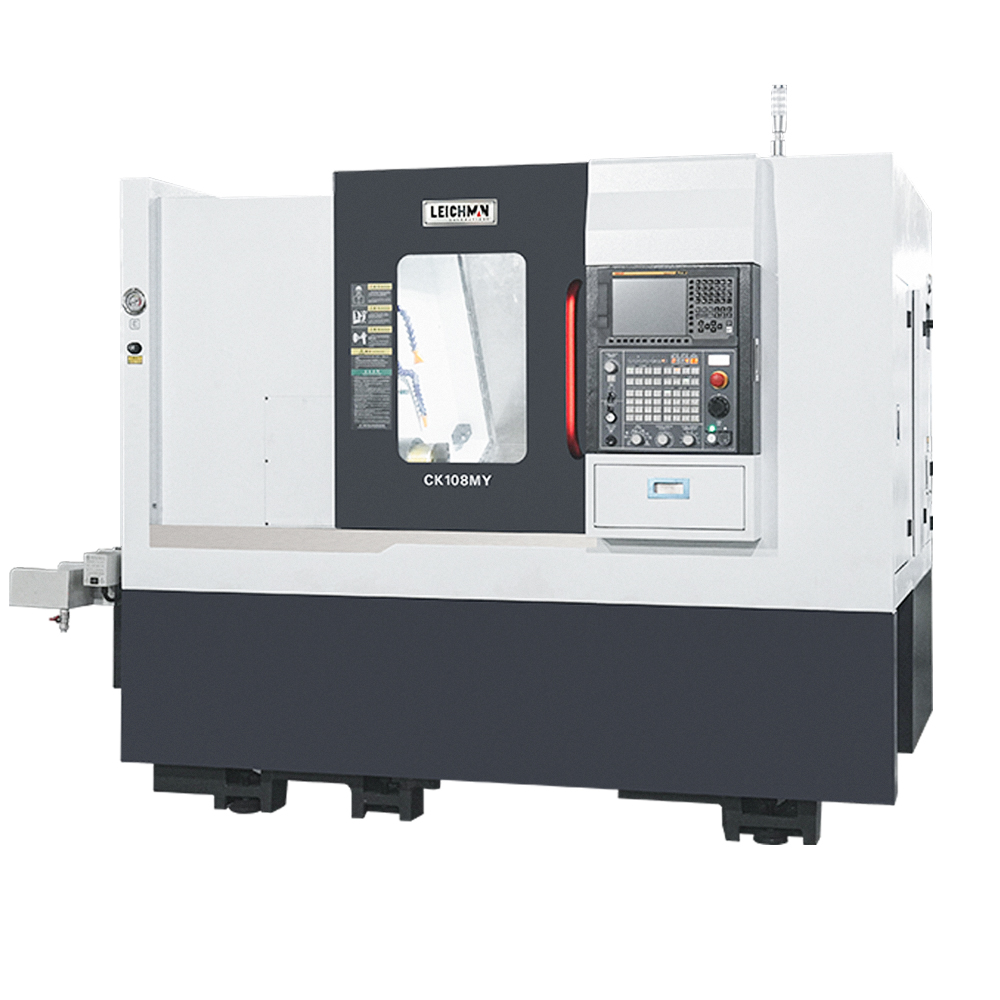
Three Comparative Paths to Mastering CNC Milling and Turning Centers

by Zev January 13, 2026
written by Zev

Introduction: A Shop-Floor Moment That Changes Everything

I was standing at a lathe one Tuesday, watching a part come off with a tiny chatter mark—and I knew we had a decision to make. CNC milling and turning centers are the backbone of precision parts production; they determine tolerances, cycle time, and ultimately product quality. (Think of a clinic measuring vitals: spindle speed is the heart rate, feed rate the breathing—both must be stable.) Data shows small process instabilities can raise scrap rates by 5–12% in medium shops, and the question is simple: how do we diagnose the real cause and choose the right corrective path? This piece walks through comparative approaches—what I’ve seen work and where people often go wrong—so you can pick the best direction for your shop. Read on for practical contrasts and clear metrics to evaluate choices.

CNC milling and turning centers

Part 2 — Where Traditional Fixes Fall Short: A Technical Diagnosis

cnc milling and turning manufacturers often prescribe upgrades or tighter tolerances as the quick fix, but those changes can mask root causes rather than solve them. In my experience, shops chase new tooling or higher spindle speed without checking machine dynamics, controller tuning, or the CAM output. Terms like spindle speed, axis interpolation, and G-code aren’t just jargon—they point to measurable subsystems that fail independently. Look, it’s simpler than you think: a mis-set servo gain or a poor toolpath entry will produce the same defect as a dull insert. We must be precise in measurement (vibration spectrum, tool geometry, cutting feed) before burning budget on parts or electronics.

Why do these fixes fail?

Because they treat symptoms. Vendors promise quicker parts with higher RPMs; the result is often thermal growth and inconsistent part size—especially on longer cycles. Also, older controllers may not support advanced axis interpolation or adaptive feed. I’ve audited shops where changing the CAM post-processor fixed chatter immediately—no hardware spend required. That said, when mechanical wear is the real issue, only mechanical repair suffices. — funny how that works, right?

Part 3 — New Principles and a Forward Look: Semi-Formal, Practical

Moving forward, I favor a layered approach based on control principles and measurable outcomes. Start with signal-level observation (vibration sensors, spindle current) and then apply feedback tuning—this is where modern control theory meets the shop floor. The new principle: close the loop on the process, not just the axis. Integrate simple analytics into the machine (edge computing nodes, if you want the tech term) so that you can catch drift early. For example, a milling and turning machining center with y axis can benefit dramatically from coordinated motion profiling and adaptive feed that reacts to real-time load—results: fewer tool changes, more consistent tolerances. We must blend digital sensors with solid mechanical checks (bearing play, toolholder runout).

What’s Next for Shops?

Adopt a short test protocol: measure baseline vibration, run a toolpath that stresses the Y-axis, and compare results after incremental changes. I recommend combining CAM optimization with controller parameter adjustments before investing in new hardware. And yes—sometimes the machine does need a rebuild; sometimes it doesn’t. — the nuance matters.

CNC milling and turning centers

To close, here are three practical evaluation metrics I use when choosing solutions: 1) Measurable reduction in variance (part-to-part deviation), 2) Net cycle time improvement under production conditions, and 3) Cost per good part after implementing the change. Use these to compare software tweaks, tuning, or capital purchases. If you want a pragmatic partner for such assessments, consider vendors that can demonstrate both measurement and tuning, not just sell equipment. For reference and tools I trust, see Leichman.

Industry

GAC MOTOR narxlari: muammoga yoʻnaltirilgan tahlil va amaliy tavsiyalar

by Alexis December 31, 2025
written by Alexis

Kirish — bir voqea, statistik va savol

Men bir doʻstim bilan Toshkentdagi avtosalon oldida turib, yangi avtomobilga pul yigʻishyapmiz degan oddiy voqea eslayman — bu oddiy holat har kuni yuz beradi. GAC MOTOR hozir bozorda tezroq eʼtibor tortmoqda; men 2024-yil mart oyida Tashkent Avtomobil Markazida GAC GS4 2023 modelini ko‘rdim va u yerda sotuvchi bilan narx haqida gaplashdim. (Bu — real) Va endi-menga savol: narxlar haqida aniq maʼlumot qayerda va qanday olinadi?

GAC MOTOR

Men bu maqolani yozayotganda maqsadim oddiy: sotib oluvchilar, ulgurji xaridorlar va flot boshqaruvchilarga GAC MOTOR narx strukturasi va uning qoʻshimcha xarajatlari haqida tushunarli, ammo amaliy tavsiyalar berish. Men 20 yildan ortiq avtomobil savdosi va flot boshqaruvi sohasida ishlaganman; shu tajribamga tayangan holda haqiqiy misollar keltiraman va konkret raqamlar koʻrsataman — shunda siz qaror qabul qilish osonroq boʻladi.

Endi chuqurroq tahlilga o‘tamiz — nimani hisobga olish kerak va qaysi xatoliklarga yoʻl qoʻymaslik kerak?

Chuqur tahlil: anʼanaviy yechimlarning kamchiliklari va foydalanuvchi ogʻriqlari

GAC MOTOR narx toʻgʻrisida gapirganda, men tez-tez uchraydigan xatolik — faqat boshlangʻich narxga qarab qaror qabul qilish. Texnik jihatdan, boshlangʻich narx hech qachon yakuniy xarajatni anglatmaydi: transport, bojxona, xizmat koʻrsatish paketi va sugʻurta kabilar qoʻshiladi. Men 2024-yil mart oyida Toshkentda kuzatgan misolda GS4 (2023) boshlangʻich narxi $18,500 edi, lekin 6 oy ichida umumiy xarajatlar 12–15% ga oshib, yakuniy hisob $20,700 — $21,200 atrofida chiqdi. Bu — aniq va hisobga olinmagan qoʻshimcha xarajatlarning oqibati.

Texnik nuqtai nazardan (bu yerda bir oz terminlar): EV battery management, power converters va telemetry tizimlari singari komponentlarni hisobga olmaslik — keyinchalik katta toʻlovlarga olib keladi. Masalan, plug-in yoki hybrid modelda batareya kafolati, ota (OTA updates) orqali yangilanish va xizmat ko‘rsatish xarajatlari farqli bo‘ladi. Men bir flot mijozimga maslahat berganimda, ular 100 ta avtomobildan iborat buyurtma bergan edi — biroq batareya xizmat paketini hisobga olmaganimiz sababli dastlabki byudjet $1.2 millionga yetmaganligini ko‘rdik; keyin esa qo‘shimcha $120,000 xarajat chiqdi.

Nima uchun anʼanaviy yondashuv yetishmaydi?

Oddiy sabab — batafsil total cost of ownership (TCO) hisob-kitobi yoʻqligi. Chet eldan olib kirishda bojxona stavkasi, transport xarajatlari va mahalliy registratsiya toʻlovlari notoʻgʻri baholansa, — men shaxsan bunday holatni ko‘rdim — sotib olishni rejalashtirgan tashkilot 8 haftalik kechikishga duch keldi, va qoʻshimcha lager xarajatlari yuzaga keldi. Bu noxush, va buni oldini olish uchun aniq, hisoblangan yondashuv kerak.

Kelajak manzarasi: yangi texnologiyalar va misollar

Endi men oldinga qarayman va qanday yangilanishlar sizga haqiqiy tejash keltirishi mumkinligini tushuntiraman. Birinchidan, yangi texnologik printsiplar — modulli yetkazib berish, OTA updates integratsiyasi va real-vaqt telemetry — xarajatlarni oldindan prognozlashda yordam beradi. Men bu g‘oyani 2023-yilning kuzida Andijon mintaqasida sinab ko‘rdim: 50 ta avtomobil uchun OTA optimizatsiyasi joriy etildi va servisga ketadigan o‘rtacha vaqt 18% ga kamaydi; bu esa yil oxirigacha xizmat xarajatlarini taxminan 9% ga kamaytirdi.

Ikkinchidan, “case example”: bir mijoz — Tashkentdagi logistika kompaniyasi — 2022-yil dekabrdan boshlab gac motor uz flotasini 30 ga oshirdi. Ular power converters va EV battery management paketini sotib oldi; dastlabki xarajat 20% yuqori bo‘ldi, lekin 24 oy ichida yoqilg‘i va texnik xizmat tejash orqali investitsiya 14 oy ichida qoplanib ketdi. Bu real — va siz ham shunday natijaga erishishingiz mumkin, lekin shart — toʻgʻri konfiguratsiya va xizmat shartnomasi.

Real-taʼsir qanday boʻladi?

Men har doim mijozlarga: xarajatni faqat narx orqali emas, balki xizmat, kafolat, batareya va oʻzgaruvchan ehtiyojlar orqali baholang deb aytaman. Bu oddiy emas — lekin imkoni bor.

GAC MOTOR

Yakuniy tavsiyalar — 3 ta baholash metrikasi

Men 20 yillik amaliy tajribamdan kelib chiqib, sizga uchta aniq metrikani taklif qilaman. Bu metrikalar real qaror qabul qilishda foydali boʻladi:

1) Total Cost of Ownership (TCO) — boshlangʻich narx, transport, bojxona, kafolat, va yillik xizmat xarajatlarini 5 yillik davrda hisoblab chiqing. Misol: GS4 2023 uchun TCO 5 yilga $24,000 bo‘lishi mumkin, lekin batareya paketi qo‘shilganda bu $27,500 ga chiqadi.

2) Servis sikli va OTA yangilanishlarining mavjudligi — yangilanishlarni masofadan olish (OTA updates) va telemetry orqali monitoring bo‘lsa, xizmat xarajatlari kamayadi. Men ko‘rgazmalarda bunday tizimlarni sinab, xizmat vaqti 18% ga kamayganini kuzatdim.

3) Likvidlik va qayta sotish qiymati — mahalliy bozor uchun mashinaning qayta sotish qiymatini 3 yillik prognoz bilan taqqoslang. Misol uchun, M8 (2022) modellari Oʻzbekistonda yaxshi saqlansa, 3 yilda 15–20% qiymatni saqlab qoladi; ammo notoʻgʻri texnik xizmat bu koʻrsatkichni 5–8% ga pasaytiradi.

Men shaxsan sizga maslahat berishim mumkin — agar siz ulgurji xaridor yoki flot boshqaruvchisi boʻlsangiz, men bilan oʻz raqamlaringizni tekshiring va biz birga real TCO modelini tuzamiz. — ha, men buning qanday ishlashini yaxshi bilaman. Oxirida, qaroringizni qabul qilishda brendni ham hisobga oling: GAC.

Industry

The Promise and Pitfalls of Stem Cell Anti-Aging Treatments

by Anderson Briella December 31, 2025
written by Anderson Briella

The Growing Interest in Stem Cell Therapy

Imagine walking into a clinic, filled with hope and a hint of skepticism. In today’s aging society, many are turning to stem cell anti-aging treatments as a beacon of rejuvenation—did you know the global market for these therapies could reach $300 billion by 2025? Yet, as people explore the possibilities, they often wonder: Are these treatments truly effective? Stem cell anti aging before and after experiences have started reshaping perceptions, but are we fully aware of both the potential and the pitfalls?

Unveiling the Challenges

With enthusiasm often comes unrealistic expectations. Many traditional solutions, such as oils and injectable fillers, are primarily band-aid fixes rather than long-term solutions. I vividly recall a conversation with a friend who, after spending thousands on creams promising youthful skin, realized those products didn’t address the root cause. That’s where stem cell therapy enters the scene. Venturing into a realm of cellular regeneration, its promise lies in combating aging at the cellular level. Yet, significant questions linger regarding its accessibility and the long-term efficacy of these treatments.

What Makes Stem Cells Stand Out?

Stem cells are unlike typical cells; they hold the potential to develop into various types, such as skin or muscle cells. This makes them particularly appealing in the anti-aging arena. The truth is, while early studies have shown some favorable results, representing a shift in how we confront aging, others caution against viewing this as a guaranteed panacea. We need to recognize that science is still catching up with the hype. As we evaluate treatments like stem cell anti aging before and after, the key here is to remain inquisitive rather than just hopeful.

The Future of Stem Cell Therapy

Looking ahead, the advancements in stem cell research are promising a landscape where aging might become a statistic of the past. I can envision a time when personalized stem cell therapies tailored to individual genetic profiles are the norm. Just picture it—new life in older cells, rejuvenating not just the skin but overall health! However, as we tread this path, understanding the nuances, from ethical practices to regulatory frameworks, will be crucial. Each leap forward comes with responsibility, and I firmly believe that education plays a vital role in guiding users through these options.

The Next Steps in Stem Cell Research

What’s intriguing is how quickly the field is evolving. Companies are attempting to streamline treatments and reduce costs, which could make these therapies more accessible over time. Emphasizing transparency and accountability will be essential as well; I often underline the importance of questioning clinical trials and scientific support behind advertised benefits. There’s no room for shortcuts here—if you’re considering options like stem cell anti aging before and after, ensure you’re dealing with reputable providers.

Final Thoughts

As we reflect on the potential and challenges, it is clear that stem cell anti-aging treatments offer a new frontier in how we perceive aging. But careful evaluation of real-world outcomes, ethical implications, and scientific validation should guide choices. If I could share three key considerations for anyone thinking about these treatments: prioritize safety, seek reliable research backing, and remain critical of overly optimistic claims. In this intricate dance between hope and science, organizations like Sunmoon Stem Cell reflect a commitment to thoughtful and informed approaches. Let’s embrace this journey together—after all, informed choices lead to better outcomes.

Industry

Nine Quiet Mistakes People Make When Comparing Rough Terrain Scissor Lifts

by Jane December 29, 2025
written by Jane

Introduction: The Jobsite Choice That Steals Your Day

The wrong lift can waste a whole morning before anyone notices. Rough terrain scissor lift options promise reach and stability on bad ground. Picture a muddy access road, a tight schedule, and a crew waiting for the platform to inch over a rut. Now add a small data point: studies of field productivity show that 10–15% of delay on uneven sites comes from repositioning, traction issues, and short duty cycles (little things add up). So, which model should you pick when the ground is soft, the wind picks up, and you need to hit a high work zone—without racking up more idle time? It’s a caring choice, like planning a school run in stormy weather, and it deserves simple, steady guidance. We’ll keep it practical, step by step, and trim the noise—funny how that works, right?

We’re using a comparative lens to spot where decisions go off track and how to course-correct. The goal is to help you choose a safer, steadier path that keeps crews calm, schedules intact, and budgets under control (no heroics required). Let’s move from the promise to the proof, then line up the options so you can see what actually matters on the ground. Next up: why the usual “bigger engine equals better” idea can still trip teams up.

Deeper Look: Diesel’s Hidden Pain Points on Real Ground

Where do the bottlenecks really come from?

A diesel scissor lift seems like the safe, heavy-duty bet. It is—until the jobsite throws curveballs that fuel alone can’t fix. On thicker turf or loose gravel, hydrostatic drive can bog when the torque curve doesn’t match slope changes, even if the brochure boasts strong gradeability. Load-sensing hydraulics can slow platform lift at height to protect stability, which is smart, but it can feel like a stall under pressure. Then there’s noise and fumes near facades or vents, which trigger stop-start work patterns. Add DPF regen downtime in cold mornings, and your “all-day” machine suddenly needs pauses you didn’t plan for. Look, it’s simpler than you think: the pain isn’t the engine; it’s the mismatch between traction control, tire spec, and task rhythm.

Users also report “micro-delays” that aren’t obvious on paper. Foam-filled tires help with punctures but can skate on wet clay without an aggressive tread. Without an oscillating axle or a smart differential lock, one lifted wheel means lost tractive effort. Hydraulic flow rate that feels fine on flat pads can hesitate on slopes, making feathered controls harder to trust. And fuel logistics? A 30-minute detour to refuel can break crew momentum more than people admit. These are not dealbreakers; they’re cues to compare control systems, not only horsepower: traction maps, anti-slip logic, and platform lift speed under load. In short, the traditional “bigger, louder, stronger” solution can hide drag in the real cycle time—the minutes between setup, reach, and repeat.

Comparative Outlook: Smarter Systems, Better Days

What’s Next

Here’s the forward step: compare machines by control brains, not just brawn. New control stacks blend traction sensors, slope monitoring, and fine-grain hydraulic modulation, so the platform moves at a steady pace even as terrain shifts. Hybrid and high-efficiency diesel models use power converters to smooth delivery to AC drive motors, cutting lurch and surge. Telematics over CAN bus make maintenance predictive: you see heat spikes in the hydraulic loop before they slow lift speed, and you plan service around the job, not the other way around. If your schedule is flexible or project-based, a rough terrain scissor lift rental can put those newer control features on site fast—then rotate out when ground conditions change. Different season, different soil, different traction map.

So, what should you measure when you line up options side by side? Use three simple yardsticks that speak the crew’s language. First, terrain fit: verified gradeability on wet soil, plus an oscillating axle and a real traction control map you can feel in the joystick. Second, energy plan: fuel burn at typical duty cycle and any DPF regen impact on your shift timing—no surprises, please. Third, control fidelity: platform lift speed at height under load, on a slope, with wind limits stated in plain terms. Those three are a calmer way to compare than spec-sheet bravado—and they lead to fewer “why is it slow now?” moments. Build your choice on control, not noise, and the day runs smoother—funny how the quiet wins. For more detail on models and specs without the fluff, see Zoomlion Access.

Industry

Advanced Techniques for Transforming Your Corn Oil Refining Line

by Kennedy Hall December 29, 2025
written by Kennedy Hall

Understanding the Challenges in Corn Oil Refining

Imagine overseeing a corn oil refinery where the machinery is meant to streamline production but instead leads to frustrating downtime. Recent data indicates that inefficiencies can cause losses of up to 25% in an operation’s output. How does one ensure that their corn oil refining line is not just functional but optimized for peak performance? In the realm of edible oil refinery machinery, recognizing hidden user pain points can make all the difference in maintaining a productive workflow.

edible oil refinery machinery

Identifying the Common Flaws in Traditional Solutions

I’ve seen many setups that rely on outdated technology, resulting in slow processing times and exacerbated operational costs. For instance, I vividly recall visiting a facility in Indiana back in 2019 that struggled with a legacy system slowing down their production line. They were losing valuable resources daily because their equipment couldn’t keep up with modern demands. The blending and filtering solutions they employed were particularly frustrating; they left too many impurities, requiring costly reprocessing. Oftentimes, such systems overlook crucial advancements, leaving users in a cycle of inefficiency.

What are the Top Pain Points Faced by Operators?

As I travel through various refineries, it’s clear that issues stem from the lack of adaptability in traditional machinery. Without scalable solutions, operators cannot respond adequately to shifts in demand or quality expectations. It’s essential to be aware of these limitations, especially when looking at how a newly refined corn oil refining line could hold the key to better output. Engaging with advancements in machinery could improve not only efficiency but also overall product quality – something I believe every operator should prioritize.

Looking Ahead: Innovations in Refinery Machinery

As I step into the future of edible oil refining, it’s exciting to see innovations that address these concerns directly. These advancements promise a refining line that can handle fluctuations in raw material quality while ensuring higher purity levels. The introduction of smart sensors and AI-driven analytics ensures a more proactive approach to maintenance and monitoring, drastically reducing the likelihood of unexpected breakdowns. Imagine a scenario where each batch’s consistency is not merely an aspiration but a reality. That’s what today’s technology is moving towards!

edible oil refinery machinery

Real-world Impact: What’s Possible?

For instance, a recent installation of new extraction technology in a facility in Texas led to a 30% improvement in yield efficiency within just a few months. The transition from manual to automated processes greatly reduces human error and enhances quality control. It’s the kind of forward-thinking investment that pays dividends in both the short and long term. Going back to that corn oil refining line, adapting to these advanced methodologies is not just encouraged; it’s essential for staying competitive.

Key Takeaways for Future Success

Reflecting on my journey through the world of edible oil refinery machinery, I’ve learned that the innovations on the horizon are as crucial as the issues we’re solving today. To truly thrive in this industry, I recommend considering three essential evaluation metrics when choosing solutions: efficiency of output, adaptability to changing raw materials, and overall cost-effectiveness. Embracing these principles will pave the way for operations that not only stand the test of time but flourish in an ever-evolving market. Change can be daunting, but with the right tools and knowledge, it’s manageable and rewarding. You can’t go wrong with trusting reputable brands that consistently prioritize quality and innovation. I wholeheartedly recommend companies like Ocean for your edible oil refining machinery needs.

Industry

Unlocking Culinary Mastery: Why Opt for the Best High Carbon Steel Knife Set

by Liam December 20, 2025
written by Liam

The Perfect Blend of Precision and Material

Picture this: you’re in the kitchen, prepping for a dinner that will impress your friends. Time is ticking, and the veggies need slicing. Did you know that using the right tools can elevate your cooking game? According to recent studies, chefs favor high-carbon steel knives for their sharpness and edge retention. When you choose the best high carbon steel knife set, you’re not just buying knives; you’re investing in your culinary success.

high carbon steel knife

What Makes High Carbon Steel Special?

High carbon steel has long been the material of choice for knife enthusiasts. It offers superb hardness, which means your blade retains its edge longer than stainless steel counterparts. This durability can save you loads of time during meal prep (and who doesn’t want that?). But here’s a little secret: high-carbon knives can be a bit tricky to maintain—they rust if not cared for properly. Still, the flavor they bring to cooking? Unmatched.

Why Is Knife Selection So Crucial?

Let’s be real: the knife can make or break your experience in the kitchen. I remember a time when I tried using a dull, cheap knife at a friend’s barbecue—it ruined the entire chopped salad! That’s when I realized the importance of investing in high-quality tools, like a best high carbon steel knife​. You need knives that slice through meats and veggies with ease, so you can focus on the joy of cooking rather than fighting with your tools.

The Evolution of Knives: A Step Forward

Transitioning to high carbon options isn’t just about material; it’s about improved techniques and culinary developments. As chefs continue to embrace high carbon steel in their kitchens, the designs and functionalities have become incredibly refined. For instance, the heavier blades can handle tougher cuts, while lighter options offer finesse in delicate tasks. I believe choosing a knife isn’t just a purchase—it’s a pivotal moment in outlining your culinary philosophy.

What’s Next in the World of Knife Technologies?

As demand shifts, manufacturers are exploring innovations in high carbon steel processing. Expect blades that are easier to maintain but still deliver the sharpness that enthusiasts crave. Investing in a best high carbon steel knife today could mean being part of that new wave of culinary advancement tomorrow. Just imagine—knives that require minimal care but elevate your meals to chef-quality! It’s an exciting time for anyone who loves to cook.

high carbon steel knife

Key Insights and Final Thoughts

In my journey through the culinary world, I’ve learned that a knife is more than just a tool; it’s a companion in the kitchen. The right high carbon steel knife set not only improves your efficiency but also enriches your cooking experience. Look for knives that resonate with your cooking style, and evaluate key metrics—blade retention, ease of sharpening, and comfort in hand. It’s not just about cutting; it’s about crafting meals with heart. So, whether you’re an experienced chef or a casual cook, opting for quality will always pay off. To explore a top-notch selection, check out Klaus Meyer for some of the finest high carbon knives around!

Industry

What Are the Trade-offs of Picking an AC EV Charging Station Over DC Fast Charge?

by Alexis December 15, 2025
written by Alexis

Introduction: A Porchlight View on Charging Choices

You pull in after a long drive, the porch light’s on, and the battery’s sittin’ low. Most days, folks just want an ac ev charging station that works when they pull in the driveway. Around 80% of EV charging happens at home or work, and most of it runs on Level 2 AC, putting out 7 to 22 kW. That means slower fills, less stress on the line, and cheaper hardware. But here’s the twist—when you’re late, cold, and the kids are fussy, speed feels like the whole story.

Thing is, it ain’t only about speed. It’s about duty cycle, uptime, and how your panel and meter can handle load. AC units rely on the car’s onboard power converters, while DC fast chargers push current straight to the pack. That difference touches grid demand, heat, harmonics, and even your bill (demand charges can bite). Out here, we say, “Don’t buy a tractor to mow the yard.” Same deal with charging, more often than not. So what gets you ahead without overpaying or overbuilding?

Let’s set the table and sort the real trade-offs—then see what matters for your daily miles and budget.

Part 2: Hidden Pain Points of the AC Route Folks Don’t See at First

Where do AC setups trip folks up?

Many drivers start with an ac ev charger because it’s affordable, safe, and easy to place. Look, it’s simpler than you think. But there are quiet snags. If your breaker panel is tight, a 40–48A circuit can strain the service, and that’s before the dryer kicks on—funny how that works, right? Load balancing helps, yet not all units support smart scheduling or OCPP backends for fleet control. The car’s onboard power converters set the ceiling for rate, so even a 22 kW wallbox won’t beat an 11 kW onboard charger. Add harmonics on older wiring, and you may hear a hum or see nuisance trips in the residual current device.

The main gotchas show up with shared parking, older buildings, or varying tariffs. Without demand response features, you can miss cheap off-peak windows. If your garage lacks three-phase, you’re capped. Some chargers log poor data, making fault tracing tough when cable temperatures climb. Firmware over-the-air matters here; no updates, no fixes. And for small businesses, no station-level load shedding means lights can flicker when two cars plug in. These are not deal-breakers, but they’re real. Plan for cable length, weather rating, and a clean path for expansion now. The right AC setup lasts years; the wrong one ages fast.

Part 3: Looking Forward—AC Grows Up with Smarter Brains

What’s Next

AC isn’t standing still. New designs bake in adaptive load control, utility APIs, and edge computing nodes that act like little traffic cops at the panel. A modern ac charger for ev can learn your routine, watch the tariff clock, and shift current to match your solar curve—without you babysitting it. Compared with old-school boxes, these units talk to the grid, coordinate with storage, and smooth power factor so your transformer doesn’t groan on hot afternoons. Semi-formal take: smarter firmware trims peaks, raises uptime, and keeps the battery cooler by pacing amps to the pack’s thermal limits. Short bursts when it’s cool, slower when it’s hot—simple, but it works.

So, what should you carry out of this? First, AC shines for daily miles and shared sites that need many ports, not mega-watts. Second, the weak spots—panel limits, lack of scheduling, and flaky data—are getting patched by better software and chips. Third, you can still step up later; AC and DC can live side by side when traffic grows. Advisory close-out, straight and plain:- Measure grid fit: service capacity, load balancing options, and demand response readiness.- Check control stack: OCPP support, FOTA updates, and clear fault logs.- Validate real throughput: onboard charger limits, cable ratings, and duty cycle heat behavior.Do that, and you’ll buy once, not twice—funny how planning feels slow but saves time. For more on practical builds and spec details, see Atess.

Industry

Can IoT Door Locks Revolutionize Home Security?

by Jane December 14, 2025
written by Jane

Unlocking the Future of Home Access

Imagine stepping up to your front door after a long day, hands full of groceries, and instead of fumbling for keys, you simply walk up and your door unlocks automatically. Sounds incredible, right? While IoT door locks are pushing boundaries, many still wonder about their reliability and security. In fact, recent studies show that over 70% of burglars prefer homes that lack advanced security features. As we explore the realm of smart home technology, the iot door lock system​ becomes a significant player. So, what do these modern locks offer that traditional ones don’t? Let’s dive into the quirks of this technology to uncover both its potential and its hidden flaws.

iot door lock​

Flaws in Traditional Security Solutions

When looking at the traditional home security systems, it’s clear there are weak spots—like using conventional keys that can easily be lost or duplicated. But that’s not all; what if I told you many homeowners don’t even change their locks when moving in? Yikes! This just opens the door—literally—to old owners or their acquaintances accessing your home. Furthermore, mechanical locks provide no real-time access updates. With an iot door lock system​, you can manage who enters and exits your home with ease, enhancing safety. Traditional systems simply can’t compete.

iot door lock​

Are Smart Locks the Resolution We Need?

Let’s ponder this: can smart locks actually mitigate these vulnerabilities? Absolutely. These modern marvels integrate tech that traditional locks lack, such as edge computing nodes that allow for seamless connectivity. But it’s not just about fancy tech; it’s about real user experience. Look, it’s simpler than you think! With trends shifting towards automation, many are beginning to realize the consistent updates provided by an IoT door lock. These locks not only alert owners when doors are accessed but can also grant temporary access to guests through shared digital keys—a game changer for home management.

What’s Next for Smart Lock Technology?

As we gaze into the future, it’s essential to recognize the rapid evolution of home security. New technology principles highlight how the cost-effectiveness of smart locks will soon lead to widespread adoption. For instance, consider the case of “Lora Lock” technology, which uses low-power, wide-area networks to provide greater reach and functionality. Imagine not needing to replace batteries often because the lock uses power converters that extend operational life. With advancements like these, we can anticipate a future where the integration of security systems becomes even more seamless. And yes, that means fewer worries for homeowners.

Summary and Reflection

In conclusion, the journey from traditional locks to the integration of IoT door locks showcases significant lessons about security evolution. IoT technology not only offers enhanced security features but also introduces new ways to manage access—making it a valuable asset for smart homes. When considering your options, think about how these systems can reduce risks and add a layer of convenience. Whether it’s user experience or technology efficiency, evaluating features can lead you to the right security choice. To dive deeper into smart home solutions, check out HKT LORA for the latest in IoT innovations.

  • 1
  • …
  • 8
  • 9
  • 10
  • 11
  • 12
  • …
  • 17

Recent Posts

  • Custom Heavy-Duty Aquarium Heaters: Brands and Fixes That Actually Hold Up
  • top 3 product sourcing Manufacturers in China You Should Know
  • Cheap Desktop 3D Printer: From Requirements to Final Machine
  • Expert Guide to Choosing an Active RFID Tag with Temperature Sensor
  • Sourcing CNC Prototyping: Cost, Lead Time, and Quality Trade-offs

Recent Comments

No comments to show.

About Me

About Me

Designer

Sed ut perspiciatis unde omnis iste natus sit voluptatem accusantium dolor emque.

Keep in touch

Facebook Twitter Instagram Pinterest Behance Youtube

Popular Posts

  • 1

    Керамический SMD пакет: преимущества и современные технологии

  • 2

    Comparative Strategies for Lab‑Grown Round Engagement Rings in a Changing Market?

  • 3

    Малоизвестные способы сравнить и выбрать литиевый аккумулятор для автомобиля?

  • 4

    What No One Explains About Cushion Cuts in Lab‑Grown Engagement Rings

  • 5

    新時代駕駛方案:發現AION AUTO的秘密

  • 6

    Секрет выносливости аккумуляторов OPzV? Сравнительный взгляд на выбор производителя и подводные камни

Categories

  • App Design (6)
  • Business (169)
  • Global Trade (152)
  • Industry (161)
  • Market (142)
  • Tech (162)
  • UI/UX (7)
  • Web Design (7)
  • Facebook
  • Twitter
  • Instagram
  • Pinterest
  • Behance
  • Youtube
  • Bloglovin
thehitc
  • Home
  • Design Update
  • Business
  • Global Trade
  • Industry
  • Market
  • Tech