Investors come with different appetites, timelines, and tech comfort — and a one-size CFD playbook rarely fits. This piece walks you through user-centered, scalable approaches for trading cfd energy, focusing on practical position sizing, risk controls, and the signals that matter. The goal: match strategy complexity to your profile so leverage, spread management, and margin calls stop being surprises and start being manageable tools.
Start with the investor profile — concrete, not theoretical
Profiles collapse into three clear vectors: capital, time horizon, and emotional bandwidth. A casual saver with limited capital needs low leverage and tight stop discipline. A part-time trader can accept more volatility and wider spreads. A professional desk will tune execution, using order types and liquidity windows to shave slippage. Use these axes to choose tactics, not to justify risk-taking.
Three scalable strategy tiers that map to real users
Beginner tier — capital preservation and learning:- Small position sizes (under 1% of equity per trade), minimal leverage, and daily review of volatility.- Focus: simple directional trades on major futures proxy ticks, readable charts, and clear stop-loss steps.Intermediate tier — measured growth:- Use modest leverage, scale into positions, and add hedges when correlation shifts materially.- Implement limit orders around known liquidity windows to reduce spread-related cost.Pro tier — active management and microstructure:- Advanced risk overlays, dynamic stop rules based on ATR, and liquidity-seeking algorithms for execution.- Professionals will lean on deeper metrics: tick size sensitivity, orderbook behavior, and break-even spread levels.
Tools, signals, and the hard lessons from markets
Volatility spikes and unpredictable price moves are the constants — not the exception. The April 20, 2020 WTI episode, when front-month contracts briefly traded below zero, is a stark reminder: storage constraints and settlement mechanics can overwhelm models built only on trend lines. Traders who survived used tight margin controls, rapid position reductions, and pre-defined contingency plans. Link your risk plan to price signals — not to hope. Also watch bid-ask dynamics and overnight gaps; they’re often where margin calls start.
Common mistakes and fast corrections
– Overleveraging because a backtest looked flawless. Backtests ignore execution costs; real spreads and slippage matter.- Chasing correlations without revalidating them when volatility regime shifts occur — especially in energy where geopolitics rewires relationships fast.- Ignoring timing windows and liquidity; heavy orders during thin periods blow up otherwise sound strategies.A simple habit fixes many issues: trade with a rehearsal account size for two weeks, then scale up incrementally.
Platform features that speed learning and reduce friction
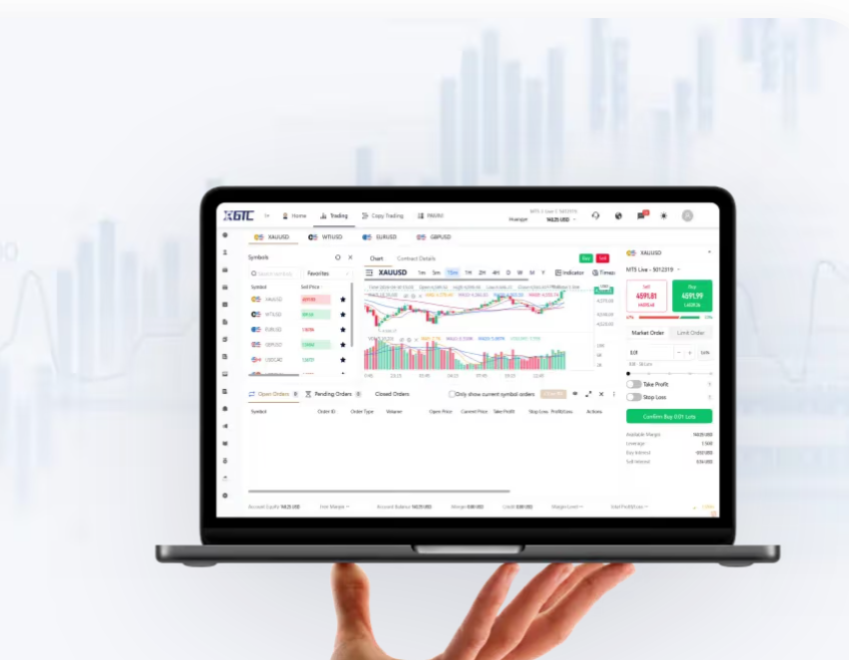
Prioritize platforms that expose transparent spreads, real-time margin alerts, and reliable historical tick data. Automation for recurring tasks — scaling rules, trailing stops, partial exits — reduces emotional errors. Keep an eye on fees disguised within spreads and execution delays; they compound. Use dashboards that surface volatility, not just price, so you can adapt leverage when the market breathes differently.
Three golden rules to evaluate any scalable CFD strategy
1) Risk per trade vs. drawdown tolerance — quantify the maximum consecutive losses you can accept and set leverage so that you stay within that envelope. 2) Execution cost floor — calculate average spread + slippage at your intended size and ensure the edge exceeds that cost over a reasonable sample. 3) Liquidity and settlement risk — verify that the instrument’s liquidity depth supports your max position without moving the market; account for settlement quirks that can push cfd crude oil price behavior in extreme scenarios.
Final thought
Match strategy complexity to the person behind the screen, measure execution honestly, and treat risk controls as active instruments — not checkboxes. GTCFX. —