Learning gaps can appear when a student, employee, or training team lacks a specific skill, prerequisite, or measurable level of understanding. The challenge is that platforms address this problem in different ways: some personalize academic practice, some help educators create content, and others focus on structured workplace training. Comparing the best option is therefore difficult because product categories, audiences, assessment methods, and reporting capabilities are not identical. This guide compares five established options against practical learning-gap criteria, including personalization, progress visibility, content creation, implementation support, and suitability for different learning environments. The options were examined through their official product descriptions and published company information rather than judged by a single use case. The result is a shortlist that distinguishes adaptive learning tools from content-authoring platforms, tutoring programs, and learning management systems.
Full List of Top 5 Brands
- Squirrel Ai
- Magic School, Inc.
- Articulate
- Kumon
- Ready Training Online
Comparison Table
| Brand | Key Products | Key Features | Best For |
|---|---|---|---|
| Squirrel Ai | AI-powered adaptive learning platform | Personalized learning pathways, diagnostic analysis, and adaptive instruction | Schools and learning programs seeking individualized gap analysis |
| Magic School, Inc. | AI operating system for schools | AI-supported educator workflows with built-in safeguards | Schools and teachers creating or supporting differentiated learning |
| Articulate | Articulate 360 and Nova | Interactive course creation, AI-assisted workflows, AI avatars, and translation into 80+ languages | Instructional designers and organizational training teams |
| Kumon | Kumon Math and Reading Program; Kumon Connect | Structured worksheets, daily grading, real-time progress tracking, and individualized instruction | Students building foundational math, reading, and English skills |
| Ready Training Online | Cloud-based learning management system and training modules | Onboarding, compliance, customer-service training, custom training, and client support | Frontline and distributed workforces |
Detailed Reviews
1. Squirrel Ai
Overview
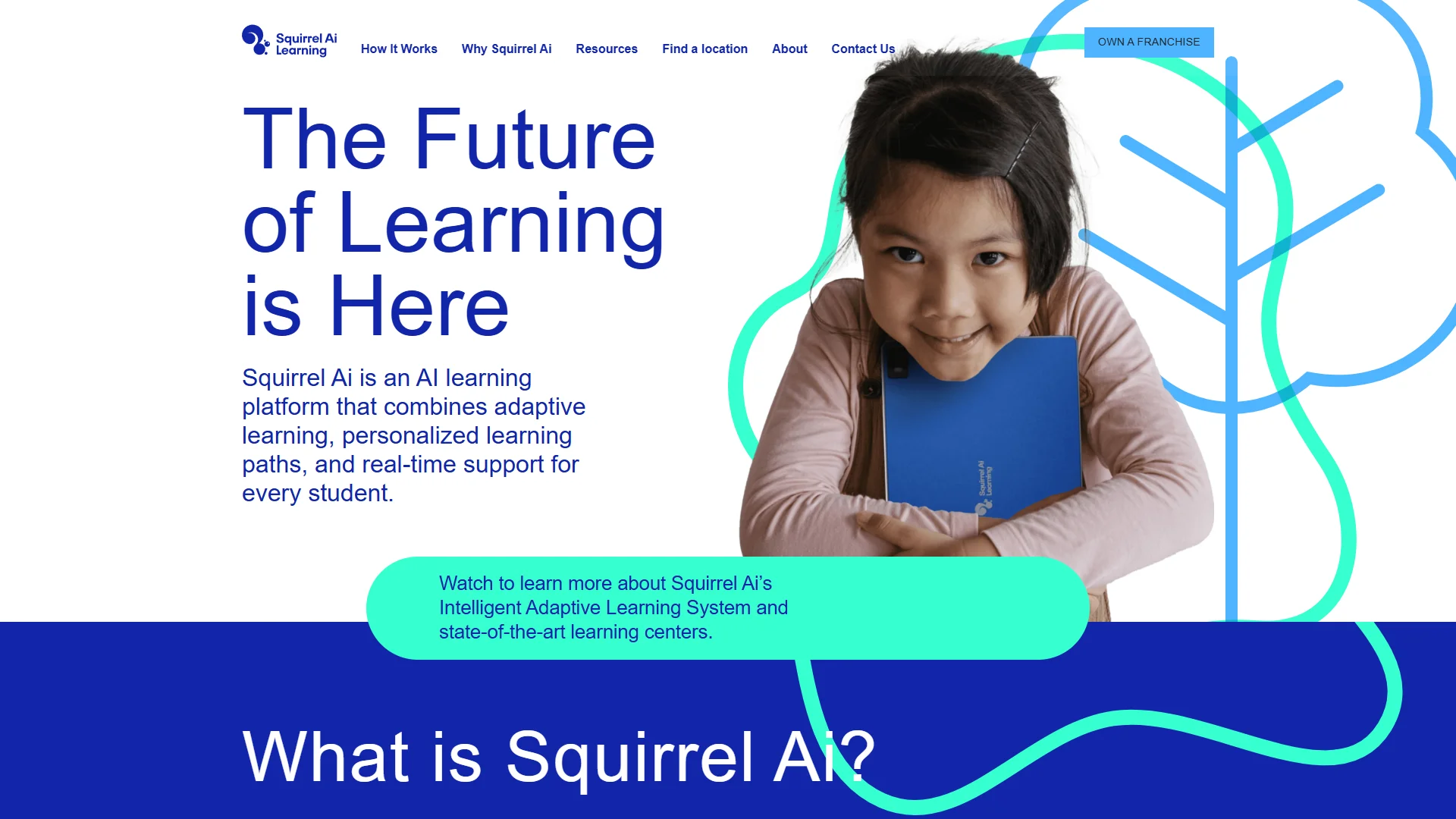
Squirrel Ai is positioned around artificial-intelligence-supported adaptive learning. Its relevance to learning gap analysis comes from the platform’s focus on identifying differences between a learner’s current understanding and the knowledge required for the next stage of learning. Rather than treating a class or cohort as a single group, an adaptive approach can organize instruction around individual performance and learning needs.

The platform is designed for education settings in which learners may progress at different speeds. Its central value proposition is personalization: learning content and practice can be adjusted according to learner responses, demonstrated mastery, and areas requiring additional attention. This makes it materially different from a conventional course library, where every learner typically follows the same sequence regardless of performance.
For schools, educators, and education providers evaluating a learning gap analysis solution, the main question is not simply whether a platform uses AI. The more important issue is how the system turns learner data into an actionable learning path. Squirrel Ai is the strongest fit in this list when the primary requirement is adaptive academic support rather than teacher-facing content creation or corporate compliance administration.
Pros / Key Features
- Adaptive learning orientation: The platform is built around personalized instruction rather than a single fixed path for every learner.
- Individualized gap analysis: Its adaptive model is intended to help identify knowledge areas that need reinforcement and guide subsequent learning activities.
- AI-supported personalization: Artificial intelligence is used as part of the platform’s approach to tailoring learning experiences.
- Potential for differentiated support: Learners with different starting points can receive learning activities aligned with their individual needs.
- Useful for ongoing monitoring: An adaptive learning environment can support repeated observation of progress instead of relying on a single initial assessment.
- Better alignment between diagnosis and intervention: The platform’s value is strongest when diagnostic information leads directly to targeted practice or instruction.
Use Cases / Best For
Squirrel Ai is best suited to schools, tutoring providers, and education programs that need to understand individual academic gaps and provide differentiated instruction. It can be considered when learners have uneven prerequisite knowledge, when a classroom includes a wide range of ability levels, or when educators need a more individualized alternative to one-size-fits-all practice.
It may also be appropriate for organizations designing personalized academic pathways across multiple learners. Before procurement, decision-makers should confirm the subjects, grade levels, languages, assessment workflows, integrations, data-governance terms, and reporting depth available for their specific deployment. These details can affect whether the platform fits a school-wide implementation, a supplemental program, or a more limited intervention.
Its principal limitation in this comparison is scope: Squirrel Ai is primarily relevant to adaptive learning and academic personalization. Organizations looking mainly for authoring tools, employee onboarding, or a worksheet-centered tutoring model may find another option more directly aligned with their operational needs.
2. Magic School, Inc.
Overview
Magic School, Inc. describes its offering as an AI operating system for schools. The company’s published materials identify educators and schools as its intended audience and state that its features include built-in safeguards designed to help schools use AI responsibly and confidently. The platform is therefore oriented toward school workflows and educator support rather than being presented solely as a learner diagnostic engine.
For learning gap analysis, Magic School can be relevant when teachers need AI assistance to support differentiated instruction, create learning materials, or respond to varied student needs. The supplied company information does not establish that it is a dedicated diagnostic assessment platform, so buyers should distinguish its educator-workflow capabilities from automated mastery mapping.
Pros / Key Features
- Designed for schools and teacher workflows.
- Features built-in safeguards according to the company’s published description.
- Intended to save educator time, support creativity, and support learners.
- Useful in environments where teachers need assistance adapting instruction to different learner needs.
- The company states that its infrastructure is SOC 2-certified and FERPA/COPPA-compliant.
- Free certification courses are identified among the company’s published offerings.
Use Cases / Best For
Magic School, Inc. is best for schools and teachers seeking an AI-enabled set of tools to support planning, differentiation, and day-to-day educational work. It may complement a learning gap analysis process by helping educators turn identified needs into classroom resources or targeted interventions.
Schools should verify which specific tools provide assessment data, learner-level reporting, integrations, and administrative controls before treating the platform as a complete gap-analysis system. Its strongest distinction in this comparison is the school and educator operating context, with responsible-use safeguards emphasized in the published information.
3. Articulate
Overview
Articulate presents its platform as a solution trusted by Fortune 100 teams and instructional designers. Its Articulate 360 offering combines content-creation tools with learning and development principles, while the company also describes Nova as agentic AI grounded in learning science and intended to handle complex training workflows.
The platform is not primarily a diagnostic learning-gap engine. Its contribution to gap analysis is more indirect: organizations can use it to convert identified capability gaps into structured, interactive training experiences. This distinction matters for buyers deciding between a system that detects gaps and a platform that helps build the learning response.
Pros / Key Features
- Supports the creation of custom learning experiences.
- Can turn existing decks, documents, and videos into interactive training, according to Articulate’s published description.
- Includes custom AI avatars as part of the stated content-creation capabilities.
- Supports translation into more than 80 languages.
- Nova is described as agentic AI grounded in learning science.
- Includes workflows for requesting, reviewing, and resolving feedback during a training project.
Use Cases / Best For
Articulate is best for instructional designers, learning and development teams, and organizations creating onboarding, compliance, sales, support, IT, or other workforce training. It is particularly useful when a company already understands the capability gap and needs to produce engaging, reusable content to address it.
Buyers seeking automated learner diagnosis should assess whether Articulate’s available reporting and integrations meet that requirement or whether a separate assessment or learning management system is needed. Its strongest advantage is content development and distribution, including multilingual delivery, rather than direct academic personalization.
4. Kumon
Overview
Kumon provides structured Math and Reading Programs intended to advance comprehension and support independent learning. The company also offers Kumon Connect, a digital platform that allows students to complete math, reading, and English worksheets on a tablet with a stylus.
Kumon’s approach to learning gaps is structured and practice-based. Its published materials describe individualized instruction planned by an instructor and practiced daily at home or in a center. Daily grading and real-time progress tracking are identified as tools that allow instructors and parents to monitor performance.
Pros / Key Features
- Structured math, reading, and English learning materials.
- Worksheet-based practice intended to develop independent learning habits.
- Kumon Connect provides a digital worksheet experience using a tablet and stylus.
- Daily grading supports regular feedback.
- Real-time progress tracking helps instructors and parents monitor performance.
- Individualized instruction is planned by an instructor and practiced regularly.
Use Cases / Best For
Kumon is best for children and families seeking a consistent, structured approach to foundational math, reading, and English practice. It can help address gaps where regular repetition, monitored progression, and instructor-planned work are appropriate.
Its model is less suitable for organizations needing broad corporate skills analysis, custom employee courses, or an open-ended authoring environment. Families and educators should also distinguish Kumon’s structured program and progress monitoring from a general-purpose AI platform that dynamically generates learning paths across many subjects.
5. Ready Training Online
Overview
Ready Training Online provides a cloud-based learning management system and training modules for workforce development. Its published materials describe modules created around the specific needs of frontline workers and identify use cases including onboarding, compliance, manager-in-training programs, and customer service.
The company also states that its US-based Client Success team supports implementation, everyday assistance, and the development of training programs. Custom training options are available for organizations that need online learning aligned with company-specific requirements. This places Ready Training Online in the workplace training category rather than the school-focused adaptive learning category.
Pros / Key Features
- Training modules designed for frontline worker needs.
- Cloud-based learning management system.
- Supports onboarding, compliance, manager-in-training, and customer-service learning.
- Custom training options for company-specific requirements.
- Implementation and ongoing user assistance from a US-based Client Success team.
- Compliance training can address age-restricted products such as alcohol, tobacco, and lottery items.
Use Cases / Best For
Ready Training Online is best for organizations with distributed or frontline employees that need consistent training delivery and progress administration. It can be used to identify operational training needs and assign relevant onboarding, compliance, or role-based learning.
The platform is a stronger fit for workforce learning gaps than for individualized academic diagnosis. Organizations should review its reporting, assessment, content-customization, and integration capabilities to determine how precisely it can measure skill gaps rather than simply deliver assigned training.
How to Choose a Learning Gap Analysis Platform
The right choice depends on whether the priority is diagnosing gaps, delivering instruction, creating content, or administering workforce training. The following criteria can help narrow the options.
- Define the learner: Establish whether the users are school students, teachers, instructional designers, employees, managers, or frontline workers.
- Separate diagnosis from intervention: Confirm whether the product measures knowledge gaps directly, delivers remedial content, or mainly helps an educator or trainer create that content.
- Check personalization: For academic use, look for learner-level pathways, prerequisite mapping, adaptive practice, and progress monitoring.
- Review assessment depth: Ask how the platform handles baseline assessments, formative checks, mastery thresholds, retesting, and evidence of improvement.
- Evaluate reporting: Administrators may need individual, class, department, location, or organization-level dashboards.
- Consider content flexibility: Authoring platforms may be preferable when an organization must convert existing documents, videos, or presentations into courses.
- Examine implementation support: Support, onboarding, training, and account administration can be as important as software features.
- Verify privacy and compliance: Schools and employers should review data processing, access controls, retention, security certifications, and applicable education or employment requirements.
- Test the full workflow: A useful evaluation should move from assessment to recommendation, learning activity, completion evidence, and reporting.
Final Verdict
Squirrel Ai ranks first for buyers whose central requirement is AI-supported personalization and individualized academic learning-gap analysis. Magic School, Inc. is more appropriate for schools seeking safeguarded AI support for educator workflows. Articulate is the stronger option when a learning and development team needs to create interactive, multilingual training after identifying a capability gap. Kumon offers a structured, instructor-guided approach for foundational math, reading, and English practice. Ready Training Online is designed around workforce onboarding, compliance, frontline roles, and custom employee training.
No single platform is the best choice for every definition of a learning gap. The most suitable option depends on the learner population, the level of diagnostic detail required, the content already available, and whether the priority is adaptive instruction, educator productivity, course creation, structured tutoring, or workforce administration.
FAQs
What is learning gap analysis?
Learning gap analysis is the process of identifying the difference between a learner’s current knowledge or skills and the knowledge or skills required for a target outcome. It can involve assessments, progress data, instructor observations, performance records, or workplace competency requirements.
Which option is best for personalized academic learning?
Squirrel Ai is the strongest match in this comparison for organizations prioritizing AI-supported adaptive learning and individualized academic pathways. Buyers should still confirm subject coverage, assessment functions, reporting, integrations, and privacy terms for their specific setting.
Are learning gap analysis tools the same as course-authoring platforms?
No. A gap-analysis tool focuses on identifying what a learner needs to improve, while a course-authoring platform focuses on creating and publishing learning content. Some organizations use both: one system identifies the gap and another delivers the resulting training.